How Do Demister Bathroom Mirrors Work to Prevent Fogging?
A fogged bathroom mirror can be a frustrating end to an otherwise refreshing shower. Warm, moisture-filled air meets the cooler mirror, leaving the glass covered in condensation just when you need it for shaving, skincare or getting ready. Demister mirrors address this everyday problem with a simple heating system built behind the glass.
So, how do demister bathroom mirrors work, and what distinguishes them from ordinary mirrors? Their heating element gently raises the surface temperature, helping the mirror remain clear even when bathroom humidity increases.
What Makes a Bathroom Mirror a Demister Mirror?
A demister bathroom mirror has a heating pad fitted behind the glass. When activated, this pad warms the mirror surface and reduces the formation of condensation. Instead of wiping the glass after every shower, you can use the mirror while the bathroom is still warm and humid.
Standard mirrors do not regulate their surface temperature. During a hot shower, the surrounding air becomes filled with water vapour. If that warm, humid air reaches a cooler mirror, moisture condenses into tiny droplets on the surface. These droplets scatter light and create the familiar misted appearance.
A demister mirror limits this effect by keeping the glass warmer. Because the temperature difference between the mirror and the humid air is reduced, condensation is less likely to develop across the heated section.
The main differences can be summarised as follows:
| Standard bathroom mirror | Demister bathroom mirror |
|---|---|
| Has no built-in temperature control | Uses a heating pad behind the glass |
| Often fogs when exposed to shower steam | Helps keep the heated area clear |
| May need to be wiped before use | Reduces the need for manual wiping |
| Provides a reflection only | May combine demisting with lighting and other features |
Not every mirror necessarily fogs to the same degree. Bathroom humidity, water temperature, ventilation and the temperature of the glass all influence condensation. The age of the mirror is not usually the central factor; environmental conditions and surface temperature are more relevant.
Ventilation remains important even when a demister mirror is installed. The heater is intended to maintain a clearer reflection, not to remove moisture from the entire room. Using the bathroom’s ventilation helps manage the wider humidity created by baths and showers.
The Technology Behind Demister Bathroom Mirrors
The core technology is a thin electrical heating element attached to the back of the mirror. It is positioned out of sight, so the mirror can maintain a clean appearance while providing its demisting function.
When electricity reaches the element, it produces gentle heat. This heat transfers through the glass and raises the temperature of the mirror’s surface. The aim is not to make the glass excessively hot, but to limit the temperature conditions that allow water vapour to condense on it.
The process can be understood in four stages:
- A hot bath or shower releases steam and raises the bathroom’s humidity.
- The heating element behind the mirror is switched on.
- Heat passes to the mirror, warming its surface.
- The warmer surface resists the formation of condensation, helping the reflection stay visible.
Many demister mirrors are connected to the bathroom lighting circuit. In these arrangements, the demister activates when the light is switched on. This is convenient because the heating system can begin warming the glass as soon as someone enters the bathroom, rather than waiting until the mirror has already fogged.
Other models offer separate touch controls. A touch-sensitive button on or near the mirror allows the user to activate the demister independently. Depending on the product, lighting and other functions may also have individual controls.
The heated section may correspond to a particular area rather than the entire glass surface. As a result, the part directly in front of the heating pad may clear first or remain clearer than the outer edges. Product specifications can help buyers understand where the demister pad sits and how much of the usable reflection it covers.
This built-in approach also avoids the repeated application associated with temporary anti-fog treatments. Some household solutions, such as car wax or interior anti-fog products, may reduce misting, but they can require periodic reapplication. A demister mirror integrates the solution into the mirror itself.
Why Choose a Demister Bathroom Mirror?
A demister mirror combines a practical response to condensation with the appearance and features of a contemporary bathroom fitting. Its main appeal is convenience: the mirror is ready to use sooner after a shower, with less wiping and waiting.
Depending on the model, it may also combine the demisting pad with LED lighting, touch controls, Bluetooth connectivity or a shaver socket. Buyers can therefore select a mirror based not only on fog prevention but also on how they use the bathroom each day.
Enjoy a Clear Reflection After Every Shower
The most immediate benefit is a clearer reflection in humid conditions. After showering, an ordinary mirror may be covered by a layer of fine water droplets. Wiping it with a hand, towel or cloth can provide a temporary clear patch, but moisture may quickly return while the room remains humid. Wiping can also leave streaks that affect visibility.
A demister pad helps maintain a clear viewing area without this repeated effort. This is particularly useful for tasks that require a reliable reflection, including:
- Shaving or grooming
- Applying makeup
- Styling hair
- Following a skincare routine
- Fitting contact lenses
- Brushing and flossing
The demister does not remove every trace of moisture from the bathroom. It works specifically by warming the mirror, so other cool surfaces can still collect condensation. Nevertheless, keeping the main viewing area clear can make the room more comfortable and practical immediately after a shower.
It is best to activate the system before or near the beginning of a shower, particularly where the controls allow it. This gives the heating element time to warm the glass as humidity rises.
Designed for Efficient Energy Use
Demister heating pads are designed to operate with minimal electricity. They warm the mirror surface rather than heating the bathroom as a whole, concentrating their function where it is needed.
On mirrors connected to a lighting circuit, the demister commonly operates at the same time as the bathroom light. Models with independent touch controls provide more direct control over when the heating function is used. This can be useful if demisting is only required during a shower or bath.
Actual operation will depend on the mirror and its control arrangement. When comparing products, it is worth checking:
- Whether the demister is linked to the light
- Whether it has a separate touch control
- Which area of the mirror is heated
- Whether different features can be operated independently
The demister should not be confused with a bathroom heater. Its purpose is to regulate the temperature of the glass sufficiently to reduce condensation, rather than to warm the surrounding room.
Useful Features Beyond Demisting
Many demister bathroom mirrors incorporate additional functions. These features can reduce the need for separate fittings and help create a more convenient grooming area.
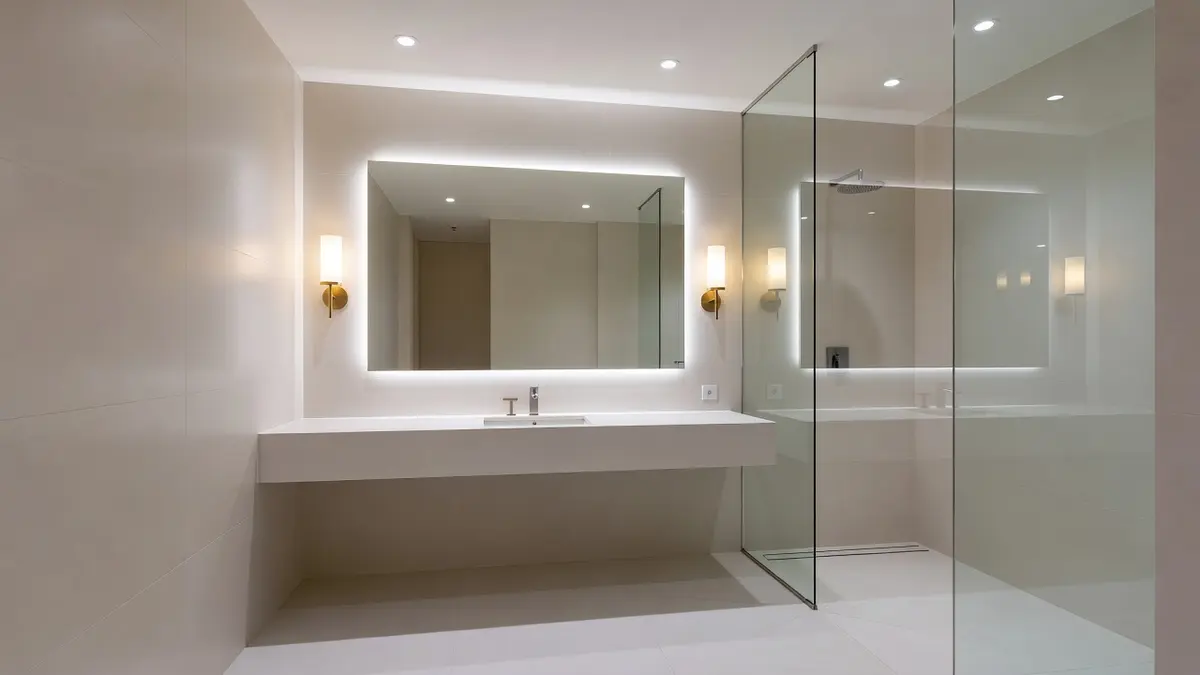
LED lighting is one of the most common additions. Illuminated edges, borders or integrated sections can provide light around the reflection. The exact design varies, ranging from understated strips to more prominent illuminated frames.
Other available options include:
- Touch controls: Buttons integrated into the mirror provide a simple way to operate the demister or lighting.
- Bluetooth connectivity: Some mirrors can connect to compatible devices for audio playback.
- Shaver sockets: An integrated socket offers a convenient connection point for suitable grooming equipment.
- Combined controls: Certain models allow lighting and demisting functions to be managed separately.
Not every user needs every feature. A simple heated mirror may be sufficient if condensation is the only concern. In a frequently used bathroom, integrated lighting or a shaver socket may add worthwhile convenience. Bluetooth connectivity may appeal to people who enjoy listening to music, podcasts or other audio while getting ready.
Before choosing, consider which functions will genuinely form part of your routine. This helps prevent paying for features that are unlikely to be used while ensuring the mirror covers your practical needs.
A Contemporary Look for the Bathroom
Demister mirrors are available in a broad range of clean-lined shapes and stylish finishes suited to contemporary bathrooms. The heating element is hidden behind the glass, so it does not interrupt the mirror’s appearance.
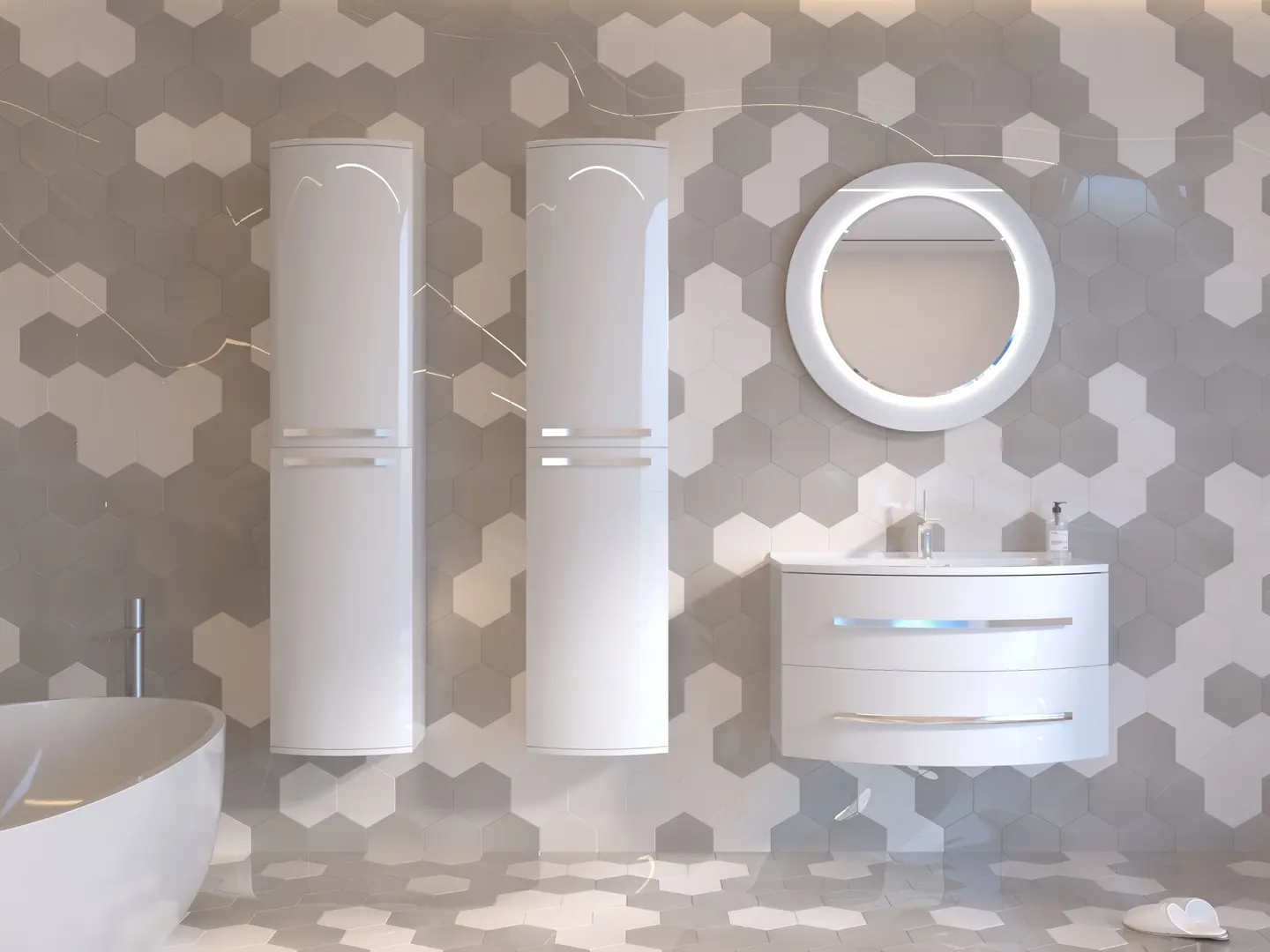
Choices can include simple rectangular designs, softer rounded forms and mirrors with integrated illuminated borders. Minimal controls also help preserve a streamlined look, particularly when touch buttons are built directly into the glass.
A mirror can act as both a functional fitting and a visual focal point. Its shape can echo the bathroom furniture, while its finish and lighting can support the room’s wider design. For example, a straightforward frameless mirror can reinforce a minimalist scheme, while an illuminated design may create a more distinctive feature above the basin.
The right size is also important. A mirror should provide a useful reflection and sit comfortably in the available wall space. When reviewing demister models, consider overall proportions alongside the heated area and additional features.
Is Investing in a Demister Bathroom Mirror Worthwhile?
For many households, a demister mirror is worthwhile because it removes a recurring inconvenience. Instead of waiting for steam to disperse or wiping the glass repeatedly, users have faster access to a clear reflection after bathing or showering.
Its value is most noticeable in bathrooms that regularly become humid or are used by several people in close succession. In these spaces, the mirror may otherwise fog several times during a busy morning. An integrated heater makes the solution automatic or available at the touch of a control.
The decision will depend on how often mirror fogging affects your routine and which features matter to you. Consider the following questions:
- Does the mirror regularly become unusable after a shower?
- Would integrated lighting improve the space?
- Do you prefer automatic operation with the light or a separate control?
- How much of the mirror needs to remain clear?
- Would Bluetooth connectivity or a shaver socket be useful?
- Which shape and finish suit the bathroom?
There is a wide selection of styles, from relatively simple heated mirrors to multifunctional illuminated models. This makes it possible to prioritise either straightforward demisting or a broader collection of features.
Temporary anti-fog products may suit someone seeking a short-term approach, but they can require reapplication. Improved ventilation can help lower overall humidity, although it does not provide the same direct temperature control at the mirror surface. A demister model offers a built-in, repeatable way to deal with condensation where it affects the reflection.
How Bathroom Mirrors Can Affect Anxiety
Although bathroom mirrors are primarily chosen for practical and decorative reasons, mirrors can have a psychological impact. Some people report feeling anxious, disconnected or panicked when looking at their reflection, and a bathroom mirror may act as a trigger rather than a source of convenience.
This experience should not be dismissed. If looking into mirrors contributes to anxiety or panic attacks, adding a larger, brighter or more prominent mirror may not feel beneficial, even if it has useful demisting features. Personal comfort deserves consideration alongside lighting, size, style and condensation control.
Someone affected by mirror-related anxiety might prefer a less dominant design, more control over integrated lighting or a placement that does not make the reflection unavoidable. Individual responses vary, so there is no single mirror arrangement that will suit everyone.
If mirror-related distress is persistent or interferes with everyday life, consider discussing it with a qualified mental health professional. A demister mirror can solve the practical problem of fogged glass, but it is not a solution for anxiety or panic. Choosing bathroom fittings should support both the functional needs of the room and the comfort of the people using it.