How Electric Showers Heat Water
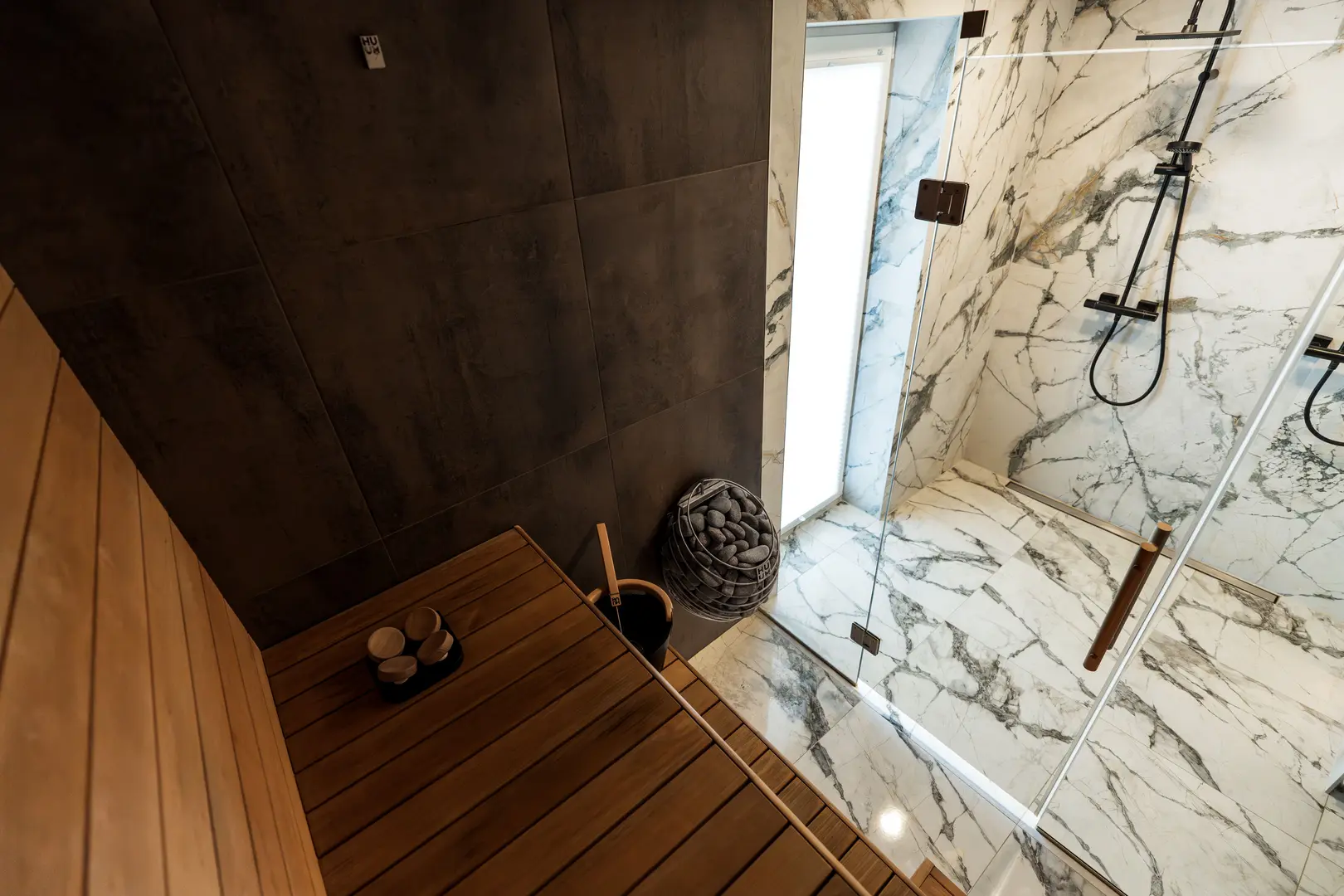
Electric showers heat water as it passes through the shower unit. Instead of drawing hot water from a boiler or storage tank, they require two inputs: a cold mains water supply and electricity. An internal heating element warms the incoming water immediately before it reaches the showerhead.
This arrangement makes the shower independent of the home’s main hot-water system. It can therefore continue producing warm water when the boiler is unavailable, provided that the property still has electricity and a cold-water supply. It also avoids relying on a limited store of preheated water.
The basic process behind how electric showers work is straightforward:
- Cold mains water enters the shower unit.
- The electrical heating element switches on.
- Water passes across or near the element and absorbs heat.
- The heated water leaves through the hose and showerhead.
Water temperature depends partly on how quickly it moves through the unit. If the flow is slower, the element has more time to heat the water. If the flow is increased without a corresponding increase in heating power, the water may feel cooler. This relationship between electrical power, flow and incoming water temperature is central to choosing and using an electric shower.
Understanding Shower kW Ratings
An electric shower’s kilowatt rating, usually written as kW, indicates how much electrical power the unit draws. It also gives a useful indication of the shower’s ability to heat flowing water.
A higher-powered shower can generally heat more water over the same period. In practical terms, that can allow a stronger flow while maintaining a comfortable temperature. A lower-rated unit may need to reduce the flow more noticeably to produce similarly warm water, especially when the incoming mains water is cold.
The kW rating does not determine temperature by itself. The final result depends on a combination of:
- The shower’s electrical power
- The temperature of the incoming cold water
- The selected flow rate
- The user’s preferred shower temperature
This is why turning up the temperature control can affect the apparent strength of the shower. The unit may need to pass water through the heating area more slowly to achieve a hotter output. Conversely, selecting a cooler setting may allow a faster flow.
Higher power and stronger flow
The main attraction of a higher kW rating is not simply that it can make water hotter. Electric showers are designed to produce usable shower temperatures, but more powerful models can usually do so while allowing a greater quantity of water to pass through the unit.
That difference can be particularly noticeable when the incoming water is very cold. A shower must add more heat to cold water to bring it to the desired temperature. If the unit has less heating power available, it may compensate by limiting the flow.
A higher rating may therefore be helpful when users prioritize a stronger shower. However, the highest available rating is not automatically the correct choice. The property’s electrical supply and wiring must be able to support it.
Usage and climate
The appropriate kW rating depends partly on when, where and how the shower will be used. A unit intended for occasional use in a second bathroom may have different demands from one used as the household’s main shower every day.
Climate also matters because it influences the starting temperature of the mains water. In colder conditions, the water entering the shower may require more heating. The user might then need to accept a slower flow to obtain the same comfortable temperature from a lower-powered unit. Where incoming water is naturally warmer, the unit has less heating work to do.
Seasonal changes can produce a similar effect. A setting that provides a comfortable balance of temperature and flow during warmer weather may need adjustment when the cold-water supply becomes cooler. This does not necessarily indicate a fault; it reflects the way an electric shower adds heat to water moving through it.
Wiring requirements
Different kW ratings place different demands on a property’s electrical installation. A circuit that is appropriate for one shower rating should not be assumed to be suitable for a more powerful replacement.
Before choosing a unit, the existing circuit needs to be assessed. The shower rating, wiring and other electrical components must be compatible. This is especially important when replacing an old model with one that has a higher power rating. Although the new unit may fit in a similar location, that does not mean the existing electrical supply is adequate.
The practical order is to assess the installation first and select a suitable shower rating second. A qualified professional can determine what the current circuit can support and whether any electrical work is required.
When an Electric Shower Is a Practical Choice
An electric shower is often practical when a bathroom needs a hot-water source that does not depend on the boiler or hot-water tank. Because the unit heats cold mains water internally, it can operate separately from the household’s other hot-water outlets.
This independence makes electric showers particularly suitable for second bathrooms. Installing one can give the room its own means of producing warm water without drawing from the property’s stored hot-water supply. If several people use hot water at different times, the electric shower does not have to wait for a tank to refill and reheat.
It can also provide useful backup when the main hot-water system is unavailable. The shower still depends on electricity and cold mains water, but it does not need the boiler to heat its supply.
Electric showers may also be considered in homes where the existing hot-water pressure system does not provide a satisfying shower. They take water from the cold mains rather than relying on pressure from a stored hot-water arrangement. However, an electric shower does not create water supply where none exists, and its performance still depends on the available mains supply.
Replacing an existing electric shower
Replacement can be relatively straightforward when a bathroom already has an electric shower. The necessary cold-water connection, dedicated electrical circuit and isolation arrangement may already be present.
Even so, replacing the unit is not simply a matter of choosing any model with similar dimensions. The new shower’s kW rating must suit the existing electrical circuit. The water connection and installation arrangement must also be checked rather than assumed to be compatible.
A like-for-like replacement may be a quick way to restore a working shower, but it should still be installed by qualified professionals. If the replacement has different electrical requirements, upgrades may be necessary before it can be used safely.
A first-time installation is more involved. It requires the creation of the appropriate electrical and water connections, not just the mounting of the shower unit. For that reason, an electric shower is usually a quicker option when replacing an existing unit than when adding one to a bathroom that has never had one.
Benefits of Different Shower Temperatures
Electric showers allow users to adjust the balance between water temperature and flow, making them suitable for different routines and preferences.
Some people prefer a cold or cool shower in the morning because the sensation feels refreshing and can increase their sense of alertness. Reports also sometimes associate cold showers with immune-related benefits. These experiences should not be treated as guaranteed or universal outcomes, however. Individual responses vary, and a cold shower is not a substitute for medical care or general health advice.
A hot or comfortably warm shower is often preferred at night. Warm water can feel soothing and may help create a sense of relaxation before bed. For many users, the appeal is less about a specific health result and more about making the transition from an active day to a calmer evening routine.
A simple way to think about the options is:
| Temperature preference | Common reason for choosing it |
|---|---|
| Cold or cool | A refreshing morning routine and a reported feeling of increased alertness |
| Warm | Everyday comfort and a balanced shower experience |
| Hotter | Relaxation, particularly later in the day |
No single temperature is best for everyone. Time of day can influence preference, but so can climate, personal comfort and habit. One person may enjoy a cold morning shower, while another may find it unpleasant and prefer warm water at all times.
Electric-shower users should also remember that selecting a hotter output can reduce the available flow. The unit has a fixed amount of heating power, so the water may need to move more slowly to reach the chosen temperature. A cooler setting may permit a stronger flow because the shower is adding less heat to each quantity of water.
The most practical approach is to find a comfortable setting rather than pursuing a particular temperature because of a broad wellness claim. Personal preference remains the deciding factor.
Electrical Supply and Installation Requirements
An electric shower combines water and a significant electrical load, so it requires a properly planned installation. It must have a dedicated electrical circuit rather than being connected as though it were an ordinary household appliance.
The dedicated circuit supplies the shower directly and must be appropriate for the unit’s kW rating. Because power requirements vary between models, the electrical installation must be assessed for the specific shower being fitted. Existing wiring should not be assumed to support a higher-powered replacement.
The installation also requires a pull-cord isolator switch. This provides a means of isolating the shower’s electrical supply. A pull-cord arrangement is used so that the switching point can be operated appropriately within the bathroom environment without treating the shower like a standard plug-in device.
The basic installation requirements include:
- A cold mains water connection
- A dedicated electrical circuit
- Wiring suitable for the selected kW rating
- A pull-cord isolator switch
- Professional connection and installation
Qualified professionals should carry out the work. Installing the unit involves more than attaching a showerhead and connecting a water pipe. The electrical supply, circuit suitability, water connection and isolation arrangement all need to be correctly planned and completed.
This is especially important during a first installation. If the bathroom has not previously had an electric shower, the project may require a new dedicated circuit, a new isolator arrangement and a suitable cold-water connection. Routes for the electrical cable and water supply must also be considered. The setup is therefore more extensive than replacing an existing compatible unit.
A replacement installation may use some existing infrastructure, but it still needs professional assessment. Key questions include:
- Does the new unit have the same power requirements as the old one?
- Is the existing dedicated circuit suitable for its kW rating?
- Is the isolator arrangement appropriate?
- Can the current water connection serve the replacement?
- Does any part of the installation need to be changed before use?
Choosing the shower before answering these questions can lead to a mismatch between the desired unit and the property’s electrical capacity. Checking the supply first helps identify which kW ratings are realistic.
Ultimately, understanding how electric showers work makes the installation requirements easier to appreciate. The unit must heat moving water immediately, which requires substantial electrical power. The higher the heating capacity, the greater the potential electrical demand. A correctly matched circuit and professional installation are therefore essential parts of the system, not optional additions.