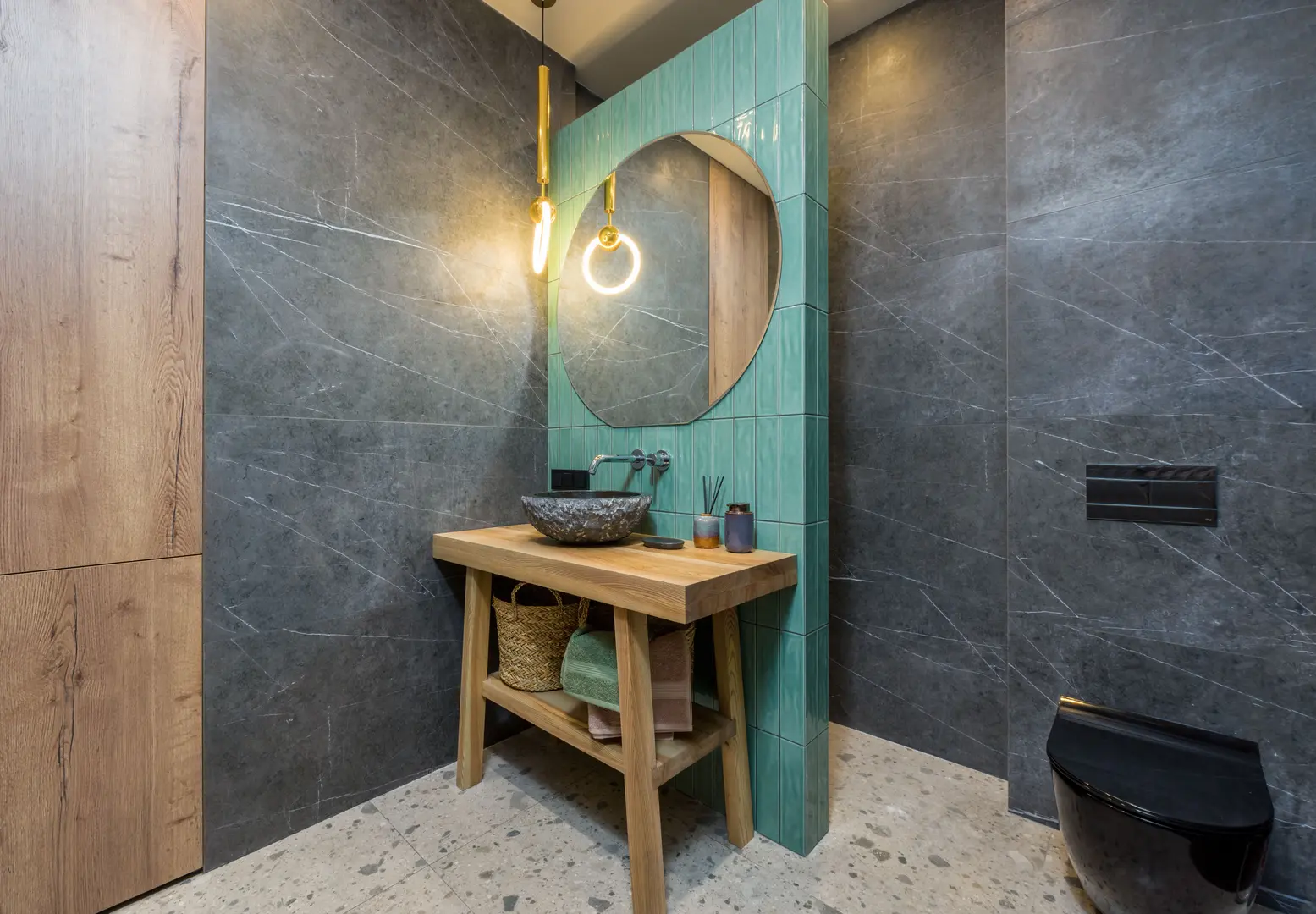
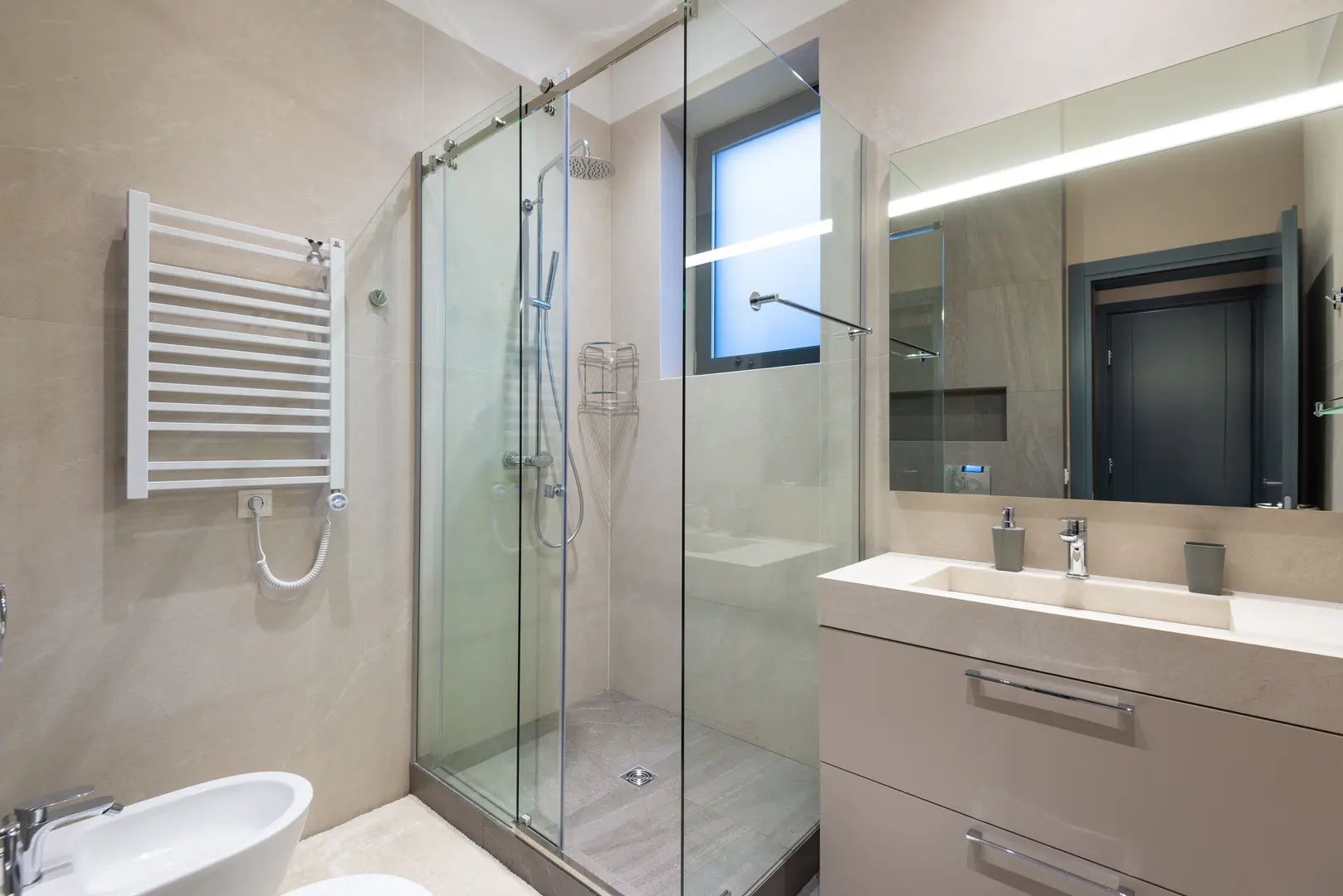
How much does fitting a bathroom typically cost?
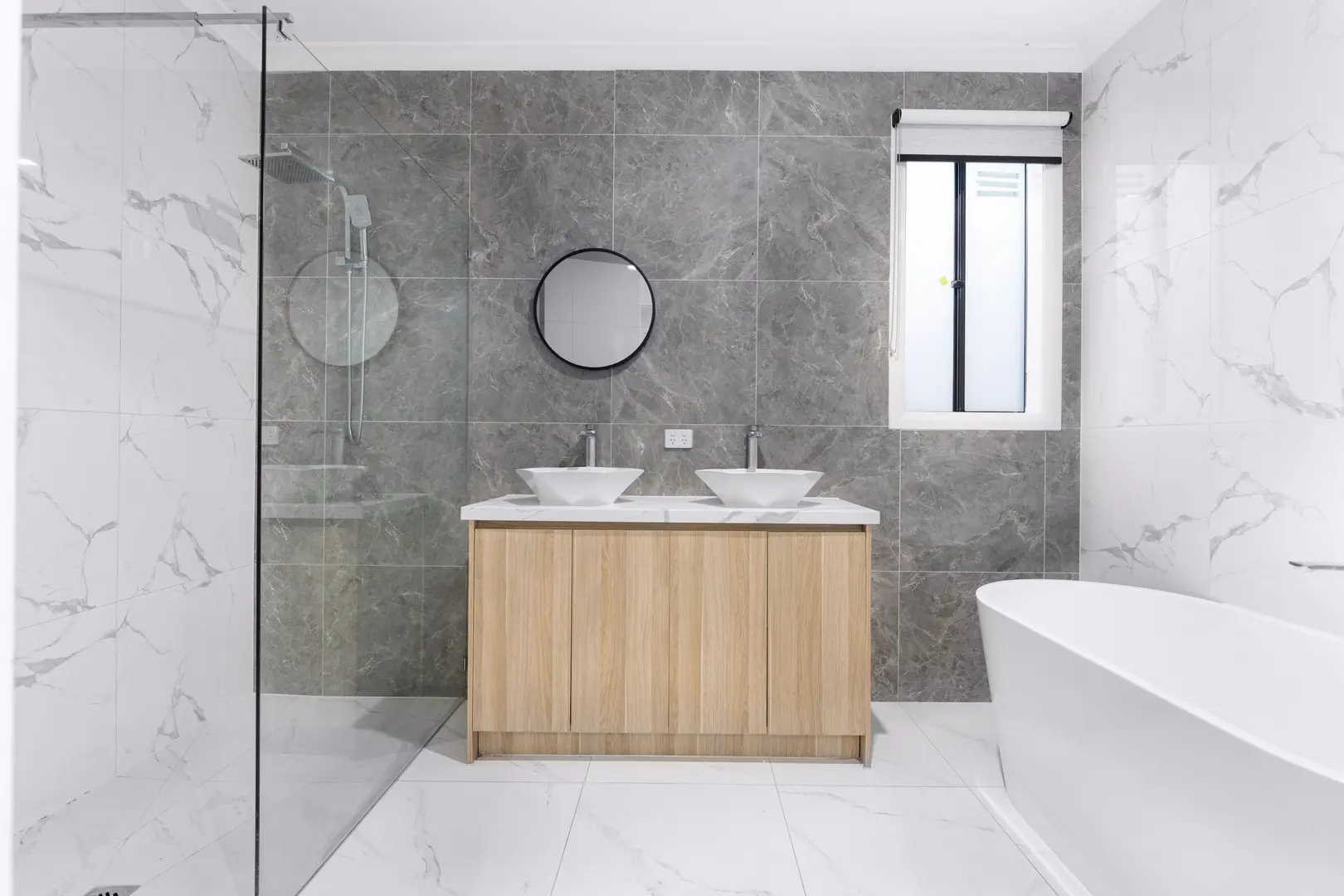
If you are wondering how much should fitting a bathroom cost, a typical complete project may range from £3,000 to £15,000, with many bathrooms costing approximately £6,000 to £8,000. The final figure depends on the room, fittings, materials, labour rates, and the amount of work required.
These estimates should be treated as a starting point rather than a fixed price. Breaking the budget into fittings, labour, tiling, flooring, and additional features makes it easier to understand where the money is going—and where savings may be possible.
Which factors affect bathroom installation prices?
Bathroom installation prices vary because no two projects have exactly the same requirements. The main cost factors include:
- The size and shape of the bathroom
- The quality and complexity of the fittings
- Local plumber and tradesperson rates
- The amount of tiling and flooring required
- Additional furniture, accessories, and heating
- Whether the layout is being changed
- The condition of the existing room
Older homes deserve particular attention. Once existing fittings or finishes are removed, previously hidden issues may become apparent. These “found conditions” can make a straightforward remodel more expensive, so it is sensible to leave some flexibility in the budget rather than relying only on the initial estimate.
A detailed, written quote can also help prevent misunderstandings. Make sure you know what work is included and whether the price covers the complete installation.
How bathroom size changes the price
A larger bathroom will generally cost more to finish because it requires more flooring and tiles. Even if the fittings are similar to those in a small bathroom, the additional surface area increases material and installation requirements.
Extra space can also affect the budget indirectly. A spacious bathroom may encourage you to include additional furniture, storage, or decorative features that would not fit into a compact room. Individually, these additions may seem manageable, but together they can move the project into a higher price bracket.
Room shape matters as well. A straightforward space may be easier to tile than a room with multiple corners or awkward sections. For an accurate estimate, base your calculations on the actual surfaces being covered rather than the room’s general floor size alone.
How your chosen fittings affect the budget
Bathroom fittings are available at a wide range of prices. Basic toilets, baths, basins, and showers can keep a project affordable, while premium or designer models may significantly increase the overall cost.
The purchase price is not the only consideration. Some fittings take more labour to install than straightforward alternatives. A lower-priced product is not necessarily the cheapest choice overall if its installation is complicated.
Before buying, consider both:
- The price of the fitting itself
- The labour required to install it
Choosing simple models that work with the existing layout is usually the most cost-conscious approach. Designer finishes and advanced features can be worthwhile if they are important to you, but they should be included in the budget from the beginning.
The effect of your location on fitting costs
Plumber and installer rates differ across the country. Labour is often more expensive in London, while prices in other locations may be lower. This means that two homeowners choosing similar fittings and materials could receive substantially different total quotes.
Do not rely on a single estimate. Ask several suitable tradespeople to quote for the same scope of work, then compare what each price includes. The lowest quote is not automatically the best value if important tasks have been excluded.
Where possible, agree on a clear project price before work begins. This gives you a more reliable figure than trying to predict the final bill from an hourly or daily rate alone.
Understanding regional cost variations
Geographic differences go beyond a simple London-versus-the-rest-of-the-country comparison. Local labour markets influence what plumbers, tilers, and other tradespeople charge. Availability in your area can also affect the quotes you receive.
For that reason, national averages are useful for early planning but cannot replace local estimates. A £6,000 to £8,000 average provides a broad guide, while quotations from nearby professionals give a more realistic picture of what your particular bathroom may cost.
When comparing estimates, give each contractor the same project details. If one quote is based on basic fittings and another includes premium materials or extra work, the prices are not directly comparable.
Typical prices for essential bathroom fittings
Individual installation estimates can help you divide the total budget into manageable categories. Basic fitting costs may look approximately like this:
| Bathroom fitting | Typical basic fitting cost |
|---|---|
| Toilet | £200–£400 |
| Basin | £250–£300 |
| Shower | £250–£300 |
| Acrylic bath | £250–£300 |
These are basic estimates rather than complete bathroom prices. The fitting model, installation requirements, and local labour charges can all affect the amount you pay.
What does it cost to install a toilet?
Installing a basic toilet typically costs around £200 to £400. The exact figure depends partly on the toilet chosen and the work needed to fit it.
Premium models will increase the cost. They may be more expensive to buy, and some designs may also require additional installation work. If you are trying to control spending, a straightforward toilet fitted in the same position as the existing one is generally the simplest option.
Before ordering a toilet, confirm that it is suitable for the planned location. This helps avoid purchasing a model that creates unnecessary installation complications.
How much is basin installation?
Basin fitting usually costs approximately £250 to £300. The basin itself is a separate part of the budget, although some models are available for less than £99.
A low purchase price can make a basic basin an economical choice, but look at the complete cost rather than the product price in isolation. The style of basin and the way it fits into the room may affect the labour required.
Retaining the basin in its current position can help keep the job straightforward. If you want to move it, obtain a specific quotation for the revised layout before committing to the change.
The price of fitting a shower
A basic shower installation costs approximately £250 to £300. This can be a useful working figure for a straightforward fitting, but advanced shower systems are likely to cost more.
When comparing shower options, separate the product price from the installation charge. A feature-rich model may increase both. Decide which functions you will genuinely use before paying for a more elaborate system.
It is also worth confirming the installation cost before purchasing the shower. Doing so allows you to assess the full effect on the bathroom budget rather than choosing solely on the showroom or online price.
How much does bath installation cost?
Fitting an acrylic bath generally costs around £250 to £300. Acrylic is a practical option for a cost-conscious project, while baths made from other materials tend to be more expensive.
As with other bathroom fittings, the bath’s purchase price is only one part of the total. Its design and installation requirements may affect labour charges. A simple like-for-like replacement is likely to be more economical than changing the arrangement of the room.
If the bath is a major visual feature, you may choose to spend more on it. Balance that decision against other significant costs, particularly tiles, flooring, and additional furniture.
Budgeting for bathroom tiles and flooring
Tiling and flooring can represent substantial parts of a bathroom project. The final cost depends on the surface area, room shape, material selected, and extent of coverage.
It helps to budget for these categories separately rather than treating all finishes as a minor extra. An affordable set of fittings can still result in an expensive bathroom if you select high-cost floor materials or tile every wall.
What does it cost to tile a bathroom?
Bathroom tiling costs vary according to the size and shape of the room. More wall or floor area requires more tiles and more installation work, while awkward spaces may make the job less straightforward.
Ceramic tiles are generally the lowest-cost option. Choosing them can help control material spending, particularly if you plan to cover a large area.
Full wall coverage can become expensive because it increases both the number of tiles and the labour involved. If your budget is limited, consider carefully how much of the room you want tiled. Focus spending on the areas where tiling is most important rather than automatically covering every available surface.
When reviewing a tiling estimate, check that the quoted area matches your plans. This reduces the chance of basing the budget on partial coverage when you actually want a fully tiled room.
The cost of installing bathroom flooring
There is a broad selection of bathroom flooring, ranging from budget-conscious materials to premium options. Linoleum and laminate are among the more cost-effective choices, while hardwood and stone sit at the expensive end of the range.
Your decision should reflect the overall budget as well as the appearance you want. A premium floor can take up a substantial share of the available funds, especially in a larger bathroom.
Compare both the material and installation prices. A product that is affordable to buy may not produce the lowest overall quote if fitting it is labour-intensive. Conversely, choosing a straightforward flooring option can help leave more money for the shower, bath, or furniture.
Allowing for additional bathroom features
The main sanitary fittings are not the only expenses in a bathroom remodel. Furniture, accessories, and heating should also be included in your calculations.
Depending on the design, additional purchases could account for a meaningful part of the budget. The amount will depend entirely on the features selected, so list desired extras early rather than adding them after the main quotation has been agreed.
It can be useful to divide features into two groups:
- Essential items: Features needed for the room to function as planned
- Optional additions: Items that could be simplified, postponed, or removed if costs rise
This distinction is particularly helpful in an older home, where unexpected work may use money originally intended for decorative upgrades. Prioritising essentials gives you room to adjust without compromising the entire project.
Practical ways to reduce the cost of a new bathroom
Reducing costs does not have to mean choosing the cheapest product in every category. The most effective approach is often to keep the work straightforward, make decisions early, and avoid changes that create extra labour.
Start with a realistic total budget, then divide it among fittings, labour, tiles, flooring, and optional features. This makes it easier to identify where premium choices are affordable and where simpler alternatives would be more appropriate.
Agree a price for the complete job
Where possible, agree on a price for the complete project rather than focusing only on a plumber’s rate. A total price provides greater clarity and can help avoid extra charges simply because the work takes longer than expected.
The agreed scope should be clear. If you later change the design or add work, the total may need to be revised. Ask for any changes and their costs to be confirmed before the additional work goes ahead.
This approach helps reduce the frustration caused by a final bill that is significantly higher than the initial estimate.
Have all the work completed as one project
Combining the required tasks into one coordinated project may reduce costs. When tradespeople can complete several related jobs together, there may be fewer separate visits and lower overall overheads.
Planning the whole bathroom at once also makes it easier to establish the correct order of work. Even if some decorative purchases are postponed, the essential installation tasks can be organised as a single project.
Ask whether the quotation covers the entire job or only one element. A low plumbing estimate may not represent the full cost if tiling, flooring, or fitting other items still needs to be arranged separately.
Where DIY can lower labour costs
Completing suitable tasks yourself can reduce labour spending. DIY may be particularly attractive if you already have the necessary skills and can carry out the work to an appropriate standard.
However, complex tasks should be left to qualified professionals. A saving is only worthwhile when the job can be completed correctly. Be realistic about your ability, time, and tools before removing work from a contractor’s quote.
You could also discuss the division of tasks with the installer in advance. This ensures your DIY plans do not interfere with the professional work or create confusion about who is responsible for each part of the project.
Choose straightforward fittings
Basic fitting models are generally the most effective choice for keeping costs under control. Premium products increase the purchase budget, and some can also require more labour.
Decide which features matter most to you. Spending more on one focal item may be manageable if you choose simple alternatives elsewhere. Buying premium versions of the toilet, basin, shower, and bath at the same time, however, can quickly raise the total.
Straightforward does not have to mean unsuitable. The aim is to avoid paying for designer details or advanced functions that are not priorities for your household.
Use like-for-like replacements where possible
Replacing existing fittings with similar models can reduce installation complications. Keeping the toilet, basin, shower, or bath in its original position generally makes the project more straightforward than reorganising the entire room.
Before changing the layout, ask what the change will add to the quote. Moving a fitting may be worthwhile if it substantially improves how the bathroom works, but the cost should be understood before the design is finalised.
For the lowest practical budget, retain the existing positions, choose uncomplicated fittings, and coordinate all the work as one project. Combined with several comparable local quotes, these decisions can help keep the final bathroom cost closer to your planned figure.