How Much Shower Cleaner Should You Use?
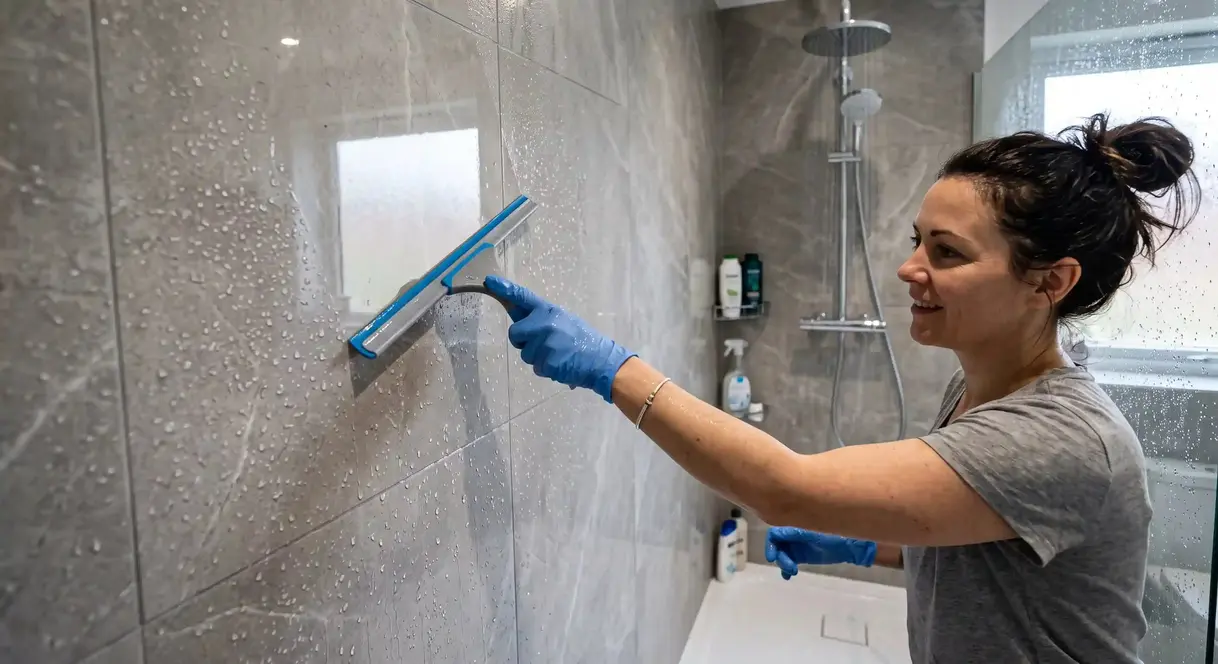
If you are wondering how much shower cleaner to use, the practical answer is: enough to cover the surface evenly, but not so much that the product runs, pools, or leaves a heavy layer behind. There is no single amount that works for every cleaner. The label directions, product type, shower size, and amount of buildup all matter.
A normal application usually looks like a light, continuous coat on the surfaces that need cleaning—not an entire can of foam or a bottle of spray emptied into one shower. More cleaner does not automatically mean better cleaning. Excess product can waste money, create more residue to rinse away, and increase exposure to the cleaner’s fumes or ingredients.
Start with the product label
Before estimating an amount, check the cleaner’s directions. Products that look similar may be designed for very different uses:
- Ready-to-use sprays are generally applied directly to the target surface. Use enough to wet or coat the area as the label describes.
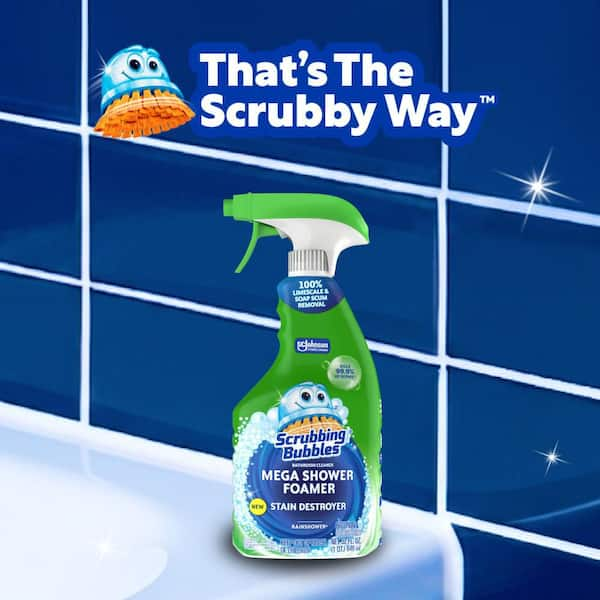
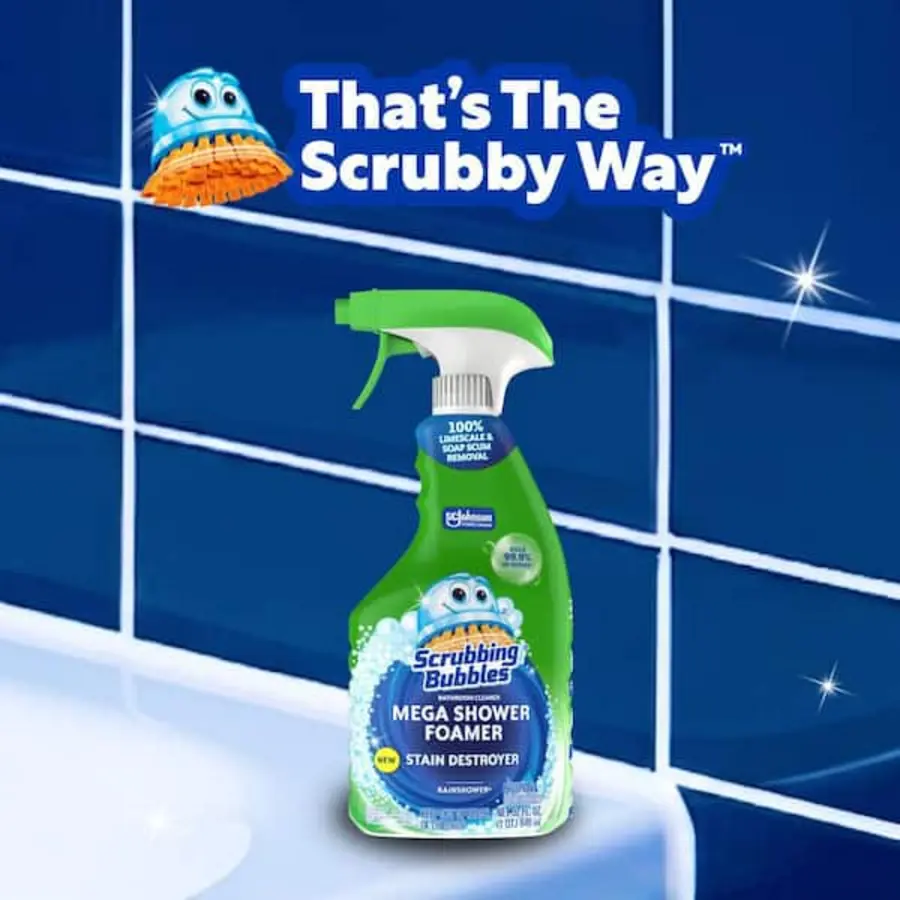
- Foaming cleaners may expand after spraying. A thin, even layer is often more useful than a thick blanket of foam.
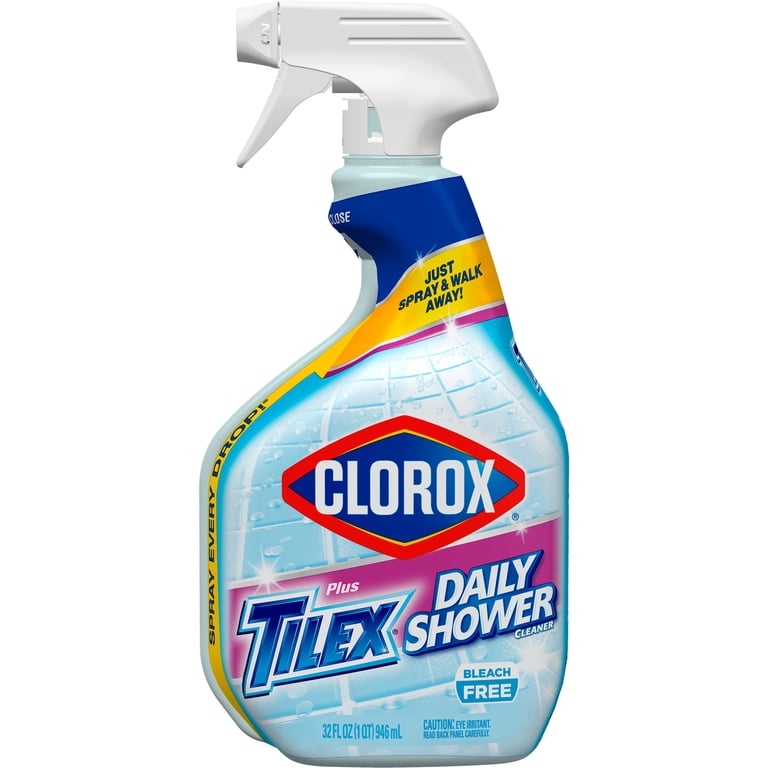
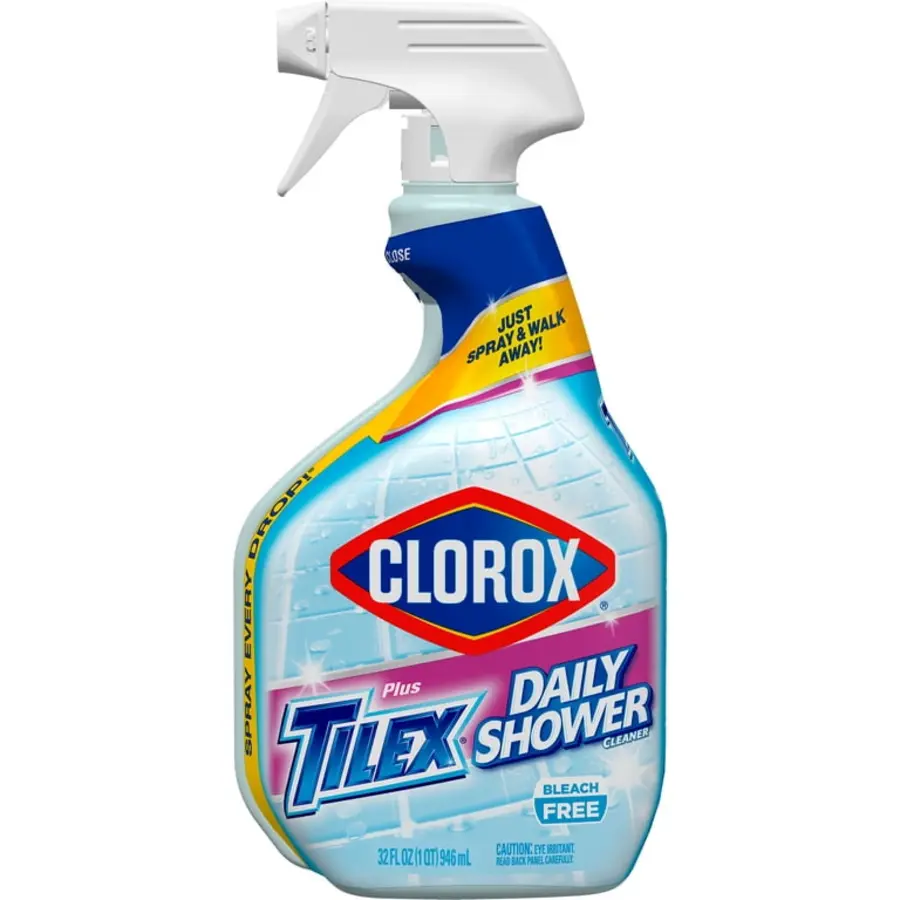
- Daily shower sprays are usually intended for lighter maintenance after showering, not for removing a thick layer of old soap scum.
- Concentrates must be diluted exactly as directed. Do not make a stronger mixture because the shower looks dirty.
- No-scrub or rinse-later products depend on a specified dwell time. Applying extra product is not a substitute for following that timing.
The instructions may also limit the surfaces where the cleaner can be used. Ceramic, acrylic, glass, fiberglass, natural stone, grout, metal fixtures, and coated finishes do not all tolerate the same formulas. Natural stone, in particular, may require a cleaner made specifically for that material.
How much bathroom cleaner to use by shower size
Think in terms of coverage rather than a fixed number of sprays. Divide the shower into manageable sections: one wall, the back wall, the tub or shower floor, the door, and the fixtures. Apply a consistent amount to each section instead of repeatedly spraying the same places.
For a small shower, begin with a light pass over one section and observe what happens. The surface should receive an even application, without large runs collecting at the bottom. If dry areas remain, add a small amount only where needed. This approach is more controlled than spraying the entire enclosure heavily at once.
A larger shower may need more total product simply because it has more surface area. That does not mean each square foot needs a thicker coating. Even shower cleaner spray coverage is usually more important than maximum wetness.
For glass doors and smooth walls, spray patterns can make overspray easy to see. For grout lines, corners, and textured surfaces, the cleaner may need closer application or manual work with a suitable brush. Avoid assuming that a thick coat will reach every recessed area more effectively.
Soil level changes the method—not always the amount
A lightly maintained shower may need only a modest application and a short cleaning routine. Heavy soap scum, hard-water deposits, and neglected corners may require more time, mechanical scrubbing, or repeated cleaning sessions according to the label.
When buildup is heavy, do not simply keep adding cleaner until the surface is covered in foam or liquid. First, remove loose hair and debris, then apply the product evenly. Give it the label-directed dwell time, and scrub only if the directions allow or require it. If the first pass does not remove the buildup, rinse thoroughly and repeat according to the product instructions rather than improvising a stronger application.
Some cleaners are designed to loosen soil, while others are mainly intended for maintenance. A daily spray may help reduce new buildup but may not remove an established mineral deposit or thick soap scum by itself.
How long to leave shower cleaner on
Dwell time—the period the cleaner remains on the surface—can matter more than using a larger amount. The correct time varies widely by formula. Some products are meant to be wiped or rinsed soon after application; others are designed to sit for longer.
Follow the label for the product you are using. Do not let the cleaner dry on the surface unless the directions specifically allow it. If the product begins drying before the stated time, work in smaller sections or use less product per section. A wet, controlled application is easier to manage than a heavy coating that dries unevenly.
Longer is not automatically better. Extra dwell time can damage or dull an incompatible surface, make rinsing more difficult, or leave residue. If the cleaner does not work within its stated directions, the problem may be the product’s suitability, the type of buildup, or the need for scrubbing—not a need for a much heavier application.
When scrubbing is necessary
A spray can loosen soil, but it cannot replace physical cleaning in every situation. Scrubbing may be needed for:
- Thick soap scum
- Buildup in grout lines and corners
- Textured shower floors
- Deposits around fixtures and drain covers
- Soil that remains after the proper dwell time
Use a brush or non-abrasive tool that is suitable for the surface. Be especially cautious with coatings, acrylic, plastic, and polished or delicate finishes. Scrubbing harder or using an abrasive pad can create damage that more cleaner will not fix.
A squeegee after each shower can reduce water and soap residue on smooth walls and glass, helping routine cleaning stay lighter. Ventilating the bathroom after showering also helps the space dry more quickly, which can reduce the need for frequent heavy cleaning.
Source: i5.walmartimages
Signs you are using too much shower cleaner
You may be overapplying if:
- The product runs down the wall immediately and collects on the floor
- Foam or liquid is several layers thick rather than evenly distributed
- The smell becomes overwhelming even with ventilation
- The surface feels sticky or looks cloudy after rinsing
- You regularly run out of product after only a few cleanings
- You need much more rinsing than the label suggests
Some residue may come from hard water, soap, or an incompatible formula rather than excess product alone. Still, reducing the application and working in smaller sections is a sensible first adjustment. Use a clean rinse cloth or plenty of clean water only when the product directions permit it and the surface can safely be rinsed.
A safer, lower-waste cleaning routine
- Clear the area. Remove bottles, bath mats, and personal items that could be exposed to cleaner.
- Ventilate. Turn on the bathroom exhaust fan or open a suitable window. Avoid breathing concentrated spray or foam.
- Check the surface. Confirm that the cleaner is intended for the tile, glass, tub, fixtures, or stone you plan to clean.
- Apply in sections. Use a light, even coat and avoid unnecessary overspray.
- Follow the dwell time. Keep the product on the surface only as long as directed.
- Scrub when required. Use an appropriate tool rather than adding more cleaner.
- Rinse or wipe as directed. Pay attention to corners, ledges, and the shower floor where residue can collect.
- Rinse the tools and wash your hands. Store the product securely after use.
Wear the protective equipment listed on the product label, such as gloves or eye protection. If the cleaner causes strong irritation, leave the area and follow the product’s first-aid guidance.
Never mix shower cleaner with another cleaning product. This is especially important with products that contain bleach and products that are acidic or otherwise chemically incompatible. Do not combine cleaners in a spray bottle, bucket, or on the shower surface. If you need to switch products, rinse the area thoroughly and follow the labels’ instructions before using anything else.
Source: images.thdstatic
The practical rule
Use the smallest amount that gives complete, even coverage for the product’s intended job. If a light application does not clean the shower, adjust the process: choose a suitable formula, allow the correct dwell time, scrub where appropriate, or clean more regularly. Using too much shower cleaner usually adds waste and rinsing work, not cleaning power.
References
- How to Clean a Shower | Reviews by Wirecutter. (n.d.). https://www.nytimes.com/wirecutter/reviews/how-to-clean-shower?eafs_enabled=false
- How do I use Bathroom & Shower Cleaner? - Koh AU. (n.d.). https://help.koh.com/en-US/bathroom-shower-cleaner-how-to-use-919038
- Wet & Forget No Scrub Weekly Shower Cleaner | Product Info. (n.d.). https://wetandforget.com/wet-and-forget-shower.html
- How to Clean Your Shower - Fennocasa. (n.d.). https://fennocasa.com/pages/how-to-clean-your-shower
- Cleaning the shower with the least effort possible? - Reddit. (n.d.). https://www.reddit.com/r/CleaningTips/comments/1d31ed5/cleaning_the_shower_with_the_least_effort_possible
- Homemade Daily Shower Cleaner Spray. (n.d.). https://www.themakeyourownzone.com/homemade-daily-shower-cleaner-spray
- 6 Best Shower Cleaners, Tested and Reviewed - Consumer Reports. (n.d.). https://www.consumerreports.org/home-garden/cleaning/best-shower-cleaners-a9345571460
- Daily Shower Cleaner | Scrubbing Bubbles® Shower & Tub Cleaning Products. (n.d.). https://scrubbingbubbles.com/en-us/products/shower-tub/daily-shower-cleaner