How Often Do You Need to Replace Your Toilet?

A toilet is one of the most frequently used fixtures in a home, yet it is easy to overlook until problems appear. Although there is no fixed replacement schedule, age, condition, repair frequency and water use can help you decide when an upgrade is sensible.
So, how often should you replace your toilet? A well-maintained model may remain functional for several decades. However, recurring leaks, cracks, poor flushing or outdated efficiency can make earlier replacement the more practical choice.
What Is the Typical Lifespan of a Toilet?
A toilet can typically last between 20 and 50 years, depending on its construction, installation, use and maintenance. Porcelain is highly durable and does not deteriorate quickly when it is cleaned appropriately and kept in good condition.
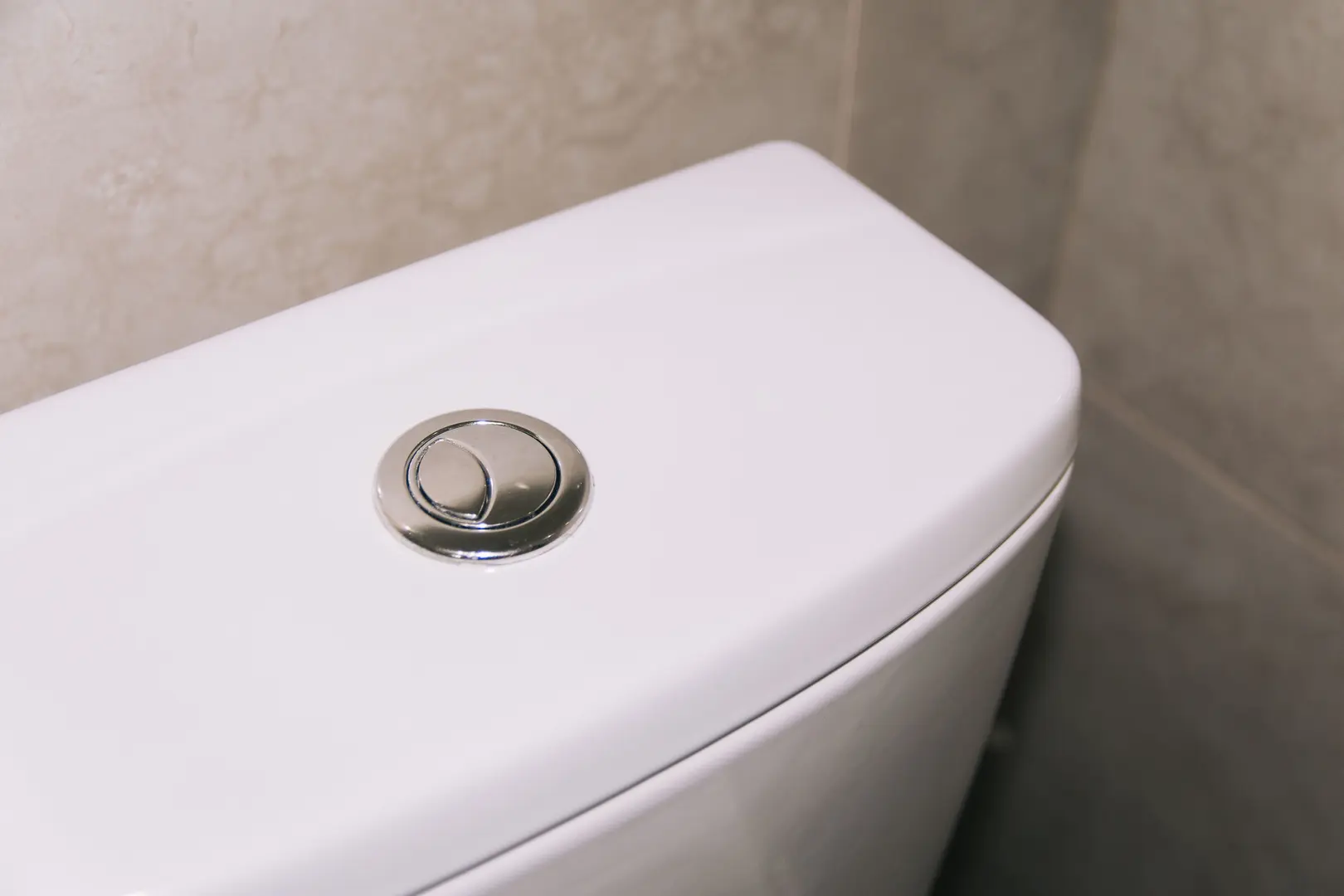
However, the toilet is more than its porcelain bowl and tank. Its working parts tend to wear out much sooner. Components such as the flush mechanism, fill valve, flapper, seals and handle may need attention or replacement during the toilet’s lifespan.
Replacing an individual component is often enough to resolve an occasional problem. A faulty flapper or trip lever, for example, does not necessarily mean the entire fixture has reached the end of its life. Full replacement becomes more reasonable when:
- Problems repeatedly return after repairs.
- The porcelain itself is damaged.
- The toilet uses more water than a modern alternative.
- Flush performance remains poor despite maintenance.
- Leaks are affecting the surrounding floor.
- The fixture no longer feels secure or stable.
Age alone should not determine when you replace a toilet. A reliable older fixture may continue working well, while a newer but damaged toilet could require replacement much sooner.
Seven Signs It May Be Time for a New Toilet
A toilet does not always stop working completely when it needs to be replaced. Instead, it may gradually become less dependable, less efficient or more expensive to maintain.
The seven most common warning signs are frequent repairs, porcelain cracks, persistent leaks, weak flushing, inefficient water use, lasting stains and instability. One minor issue may only call for a repair, but several problems occurring together often make replacement a better long-term decision.
1. Repeated Repairs Are Becoming Routine
Occasional toilet repairs are normal. Internal components operate every time the toilet is flushed, so they naturally wear out before the porcelain body. Replacing a seal, flapper, lever or other small part can extend the fixture’s useful life.
The situation changes when repairs become routine. You may fix one leak only for another to appear, or replace a component and find that the toilet still runs, clogs or flushes inconsistently. These recurring faults can require both time and repeated spending.
Consider the overall repair pattern rather than one isolated problem:
- How often have parts been replaced recently?
- Does the same fault return after repair?
- Are several components failing at once?
- Is the toilet still performing poorly after maintenance?
- Is the total cost of repairs beginning to approach the cost of replacement?
Repairing replaceable parts remains worthwhile when the bowl and tank are sound and the toilet otherwise works reliably. If continuing maintenance only provides a short-term fix, installing a new toilet may offer better value and fewer disruptions.
2. The Porcelain Has Developed Cracks
Porcelain is durable, but it is not immune to damage. A crack may develop after an impact, because of stress around fittings or simply as the fixture ages. Even a small hairline crack deserves attention because it can gradually spread.
The location and behaviour of the crack matter. A superficial mark that does not change may not cause an immediate problem, but a crack that grows, holds moisture or allows water to escape can indicate that the toilet is no longer sound.
Unlike a worn internal component, damaged structural porcelain is not usually a routine maintenance issue. A cracked bowl or tank may lead to leakage and water damage around the toilet. If water appears near the crack, stop treating it as a cosmetic concern and arrange an assessment promptly.
Replacement is generally the safer long-term option when the porcelain damage affects the integrity of the bowl or tank. Continuing to repair internal parts will not correct a compromised ceramic body.
3. Leaks Keep Coming Back
A single toilet leak may come from a worn seal, loose connection or faulty internal component. In many cases, repairing or replacing that part solves the problem without requiring a new fixture.
Persistent leaks are different. If water continues to appear after repairs, the source may be more difficult to correct. Recurring moisture can also affect flooring and the area around the toilet, turning a plumbing problem into a broader bathroom maintenance issue.
Signs of a persistent leak can include:
- Water repeatedly collecting around the toilet base.
- Moisture returning after fittings have been tightened.
- A tank or bowl that appears to lose water.
- Ongoing running sounds after the toilet has filled.
- Repeated seal or component failures.
Not every leak calls for full replacement, so the cause should be identified first. If the leak comes from an easily replaceable part and the porcelain is undamaged, a repair may be sufficient. If it results from a crack, recurring structural issue or general deterioration, a new toilet may be the more dependable solution.
Do not ignore water around the base. Even a small recurring leak can damage surrounding materials over time.
4. The Flush Is Weak or Unreliable
A toilet should clear the bowl consistently without requiring repeated flushing. When performance becomes weak or unpredictable, the fixture may be affected by worn components, restricted water flow or deposits within its waterways.
Older toilets can be particularly frustrating because they may use a relatively large amount of water while still producing a poor flush. Repeated flushing then wastes even more water without solving the underlying issue.
Calcification around the rim is another practical concern. Mineral deposits can develop in the small rim openings that direct water into the bowl. As those passages become restricted, flow may weaken, and the toilet may become more prone to incomplete clearing or clogs. Replacing a lever or flapper will not resolve significant buildup inside the rim waterways.
Some flushing issues can be addressed through cleaning, adjustment or component replacement. However, replacement may be appropriate when:
- The toilet regularly needs more than one flush.
- Rim-area deposits continue to restrict flow.
- Clogs are becoming a repeated problem.
- New parts do not restore dependable performance.
- The existing design no longer meets the household’s needs.
Modern flushing systems are designed to deliver effective performance while using water more efficiently. Upgrading can therefore address both reliability and water consumption rather than repeatedly treating the symptoms of an older system.
5. Its Water Use Is No Longer Efficient
Older toilets may consume more water per flush than newer designs. Even if an older fixture still works, its water use can make it less economical over time—especially in a busy household where the toilet is flushed many times each day.
A modern replacement can reduce unnecessary consumption and may help lower water bills. The actual benefit will depend on the current toilet, the replacement model and household use, but efficiency is an important factor when deciding whether to retain an outdated fixture.
Water efficiency may be a compelling reason to upgrade if your toilet also:
- Requires repeat flushing.
- Runs after the flush has finished.
- Has internal parts that frequently leak.
- Delivers inconsistent performance despite using plenty of water.
Replacing a functioning toilet purely because of age may not always be necessary. However, when an old model combines high water use with repair needs or weak performance, a newer fixture may provide a clearer long-term advantage.
When comparing replacements, look beyond appearance. Consider how the flush operates, whether it offers water-saving controls and whether the design is appropriate for regular household use.
6. Stains and Discolouration Persist
Many toilet stains are caused by ordinary use or mineral deposits and can be managed with regular cleaning. Persistent discolouration, however, may indicate that the surface has become worn or damaged.
A smooth, intact glazed finish is easier to maintain. As a toilet ages, scratches, rough areas or surface deterioration can make stains harder to remove. Deposits may return quickly because they can adhere more readily to damaged areas.
Worn or damaged surfaces can also support bacteria buildup, particularly where cleaning cannot fully reach uneven sections. If the toilet remains visibly stained despite appropriate cleaning, inspect the porcelain rather than assuming more aggressive cleaning will solve the problem.
Discolouration alone does not always justify replacing a toilet. Replacement is more sensible when stains accompany other signs of deterioration, such as:
- Cracks or fine lines in the porcelain.
- Rough or damaged glazed areas.
- Persistent odours after cleaning.
- Mineral buildup that interferes with rim flow.
- Ongoing flush or drainage problems.
A new fixture can provide a cleaner, smoother surface while also giving you the opportunity to improve the bathroom’s overall appearance.
7. The Toilet Wobbles or Feels Unstable
A toilet should sit firmly in place. Movement when someone sits down or stands up may indicate loose fittings, an installation problem, deterioration around the base or damage to the fixture itself.
In some cases, tightening or replacing the appropriate fixings may restore stability. However, wobbling should not be dismissed without checking its cause. Continued movement can place extra strain on connections and seals, potentially contributing to leaks.
An unstable toilet may require replacement when:
- The porcelain around the fixing points is damaged.
- The base is cracked.
- The fixture cannot be secured properly.
- Movement continues after fittings are adjusted.
- Instability is accompanied by water around the base.
The supporting floor may also need inspection if it has been affected by a long-term leak. A new toilet will not remain stable if the surface beneath it is damaged or uneven, so the underlying issue should be corrected as part of the work.
Which Toilet Styles Could Replace Your Current One?
Replacing an old toilet is an opportunity to consider more than basic function. Modern toilets are available in styles that can improve water efficiency, comfort, cleaning access and the overall bathroom design.
Possible directions include:
- Traditional close-coupled designs: A familiar arrangement with a visible tank, suitable for many standard bathrooms.
- Streamlined designs: Smoother external surfaces and fewer awkward edges can create a cleaner appearance and simplify routine care.
- Space-conscious options: Compact shapes can suit cloakrooms or bathrooms where floor area is limited.
- Comfort-focused models: Different bowl shapes and seat heights may make the toilet more comfortable for household members.
- Concealed or wall-mounted styles: These can create a more minimal appearance, although installation requirements should be considered carefully.
- Water-efficient flushing options: Modern systems may provide better control over water use while maintaining effective flush performance.
Before choosing a style, check the available space, connection positions and installation requirements. The most attractive toilet is not necessarily the most suitable if it does not work with the existing bathroom layout.
It is also worth considering who will use the toilet. Comfort, accessibility, ease of cleaning and reliable everyday operation are just as important as colour and shape.
Does Replacing Your Toilet Make Sense?
You do not need to replace a toilet simply because it has reached a particular age. Porcelain fixtures can remain usable for 20 to 50 years when they are well maintained, and worn internal components can often be replaced individually.
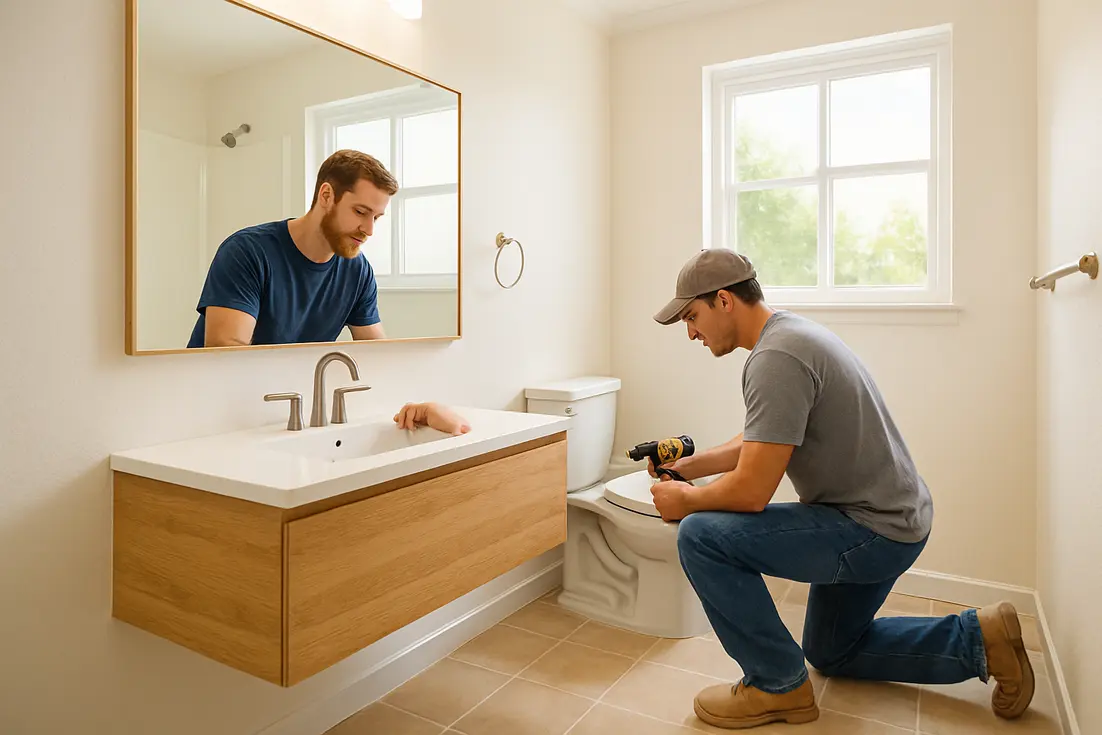
Replacement makes more sense when the toilet has structural cracks, recurring leaks, persistent instability or poor flushing that repairs cannot resolve. It can also be a worthwhile upgrade when an older model uses excessive water or no longer suits the bathroom’s design and comfort needs.
A newer toilet may offer several long-term benefits:
- More dependable flushing.
- Lower water use.
- Fewer recurring repairs.
- Easier cleaning.
- Improved comfort.
- A more updated bathroom appearance.
Ultimately, the answer to how often should you replace your toilet depends on condition rather than age alone. Continue repairing it when faults are minor, the porcelain is sound and performance remains reliable. Consider replacement when problems become repetitive, damage affects the fixture itself or a modern model would offer meaningful improvements in efficiency, function and comfort.