How to add colour to your bathroom redesign without a full renovation
A bathroom can feel completely different with a thoughtful injection of colour. Better still, you do not always need to replace the suite, move the plumbing or strip the room back to its foundations. If you are wondering how to add colour to your bathroom redesign, focus on high-impact surfaces, coordinated accessories and details that can be updated without major construction.
From a painted bathtub to framed artwork, the following ideas can help you create a more expressive bathroom while keeping disruption and costs under control.
Give the bathtub a colourful makeover
Colourful bathtubs are becoming an increasingly popular alternative to traditional white designs. Because a bath is usually one of the largest features in the room, changing its colour can transform the overall scheme without requiring a completely new layout.
Painting an existing tub can be a cost-effective option, particularly if the bath is still in good condition. The result might be a soft pastel focal point, a dramatic dark tub or a shade that ties in with your tiles and accessories.
Preparation is essential. If you are using paint intended for an enamel bath, apply the appropriate primer first. Primer helps the new finish adhere to the surface and creates a better foundation for the chosen colour. Follow the paint manufacturer’s preparation and application guidance carefully rather than treating the bath like an ordinary wall.
A DIY approach can reduce labour costs, but take time to assess whether you are comfortable preparing and painting the surface. A rushed finish may undermine the effect, while a carefully completed makeover can make an existing bath look deliberately designed for the room.
Painting is also less disruptive than removing a heavy fixture. Older cast-iron tubs can be particularly difficult to move because of their weight. Refreshing the bath in place may therefore avoid both the practical challenge and the added expense of removal.
For a coordinated finish, consider connecting the bath colour to one or two smaller features, such as towels, plant pots or artwork. The shades do not need to match exactly; repeating related tones is often enough to make the design feel intentional.
Personalise the shower with a bespoke screen
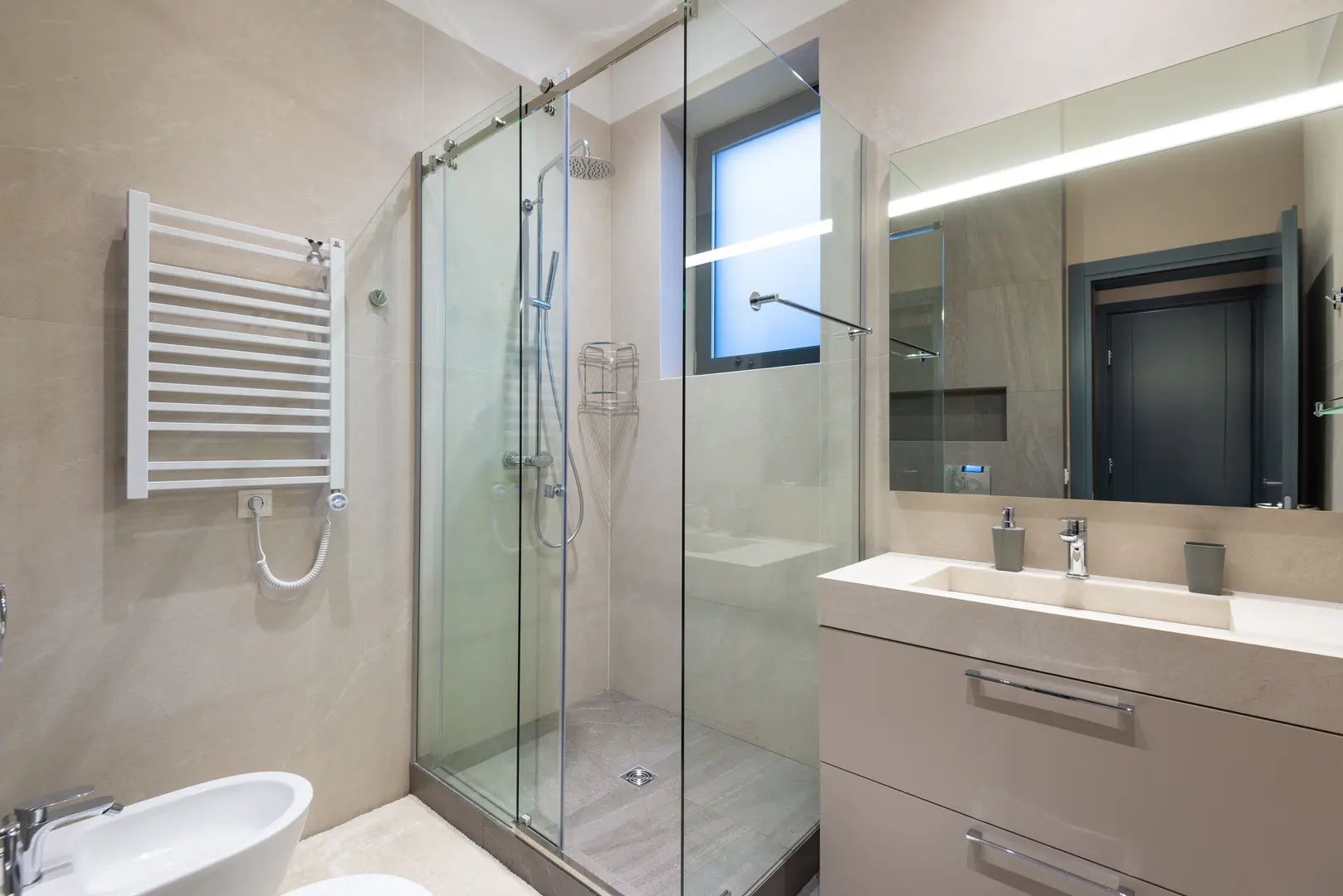
A shower screen is a functional necessity, but it can also become a defining part of the bathroom. Made-to-measure screens offer greater scope for personalisation because they can be designed around the room and customised to suit the wider colour scheme.
Crittall-style shower screens remain a popular choice. Their strong frame lines give the shower structure and can introduce contrast into an otherwise simple room. Black frames are a familiar option, but bespoke screens can offer other colour choices for a more individual result.
You could use a coloured frame to:
- Match the bathtub or vanity unit.
- Echo the colour of taps and other fittings.
- Create contrast against pale tiles.
- Continue an accent shade used elsewhere in the room.
- Add definition without covering a large wall in colour.
Before selecting a frame colour, consider which elements are likely to remain in the room for the longest time. A screen is less easily changed than a towel or soap dispenser, so choose a finish that works with several possible accent colours. This will give you flexibility if you decide to refresh the accessories later.
Bespoke designs can also help when standard screens do not suit the proportions or configuration of the shower area. However, customisation should be included in the budget from the beginning rather than treated as a last-minute extra.
Build a coordinated bathroom-in-a-box
A “bathroom-in-a-box” approach means gathering accessories and smaller fittings in one colour family to create a ready-made visual theme. Instead of altering permanent surfaces, you introduce colour through a collection of pieces that can be installed, arranged or replaced individually.
Your collection might include:
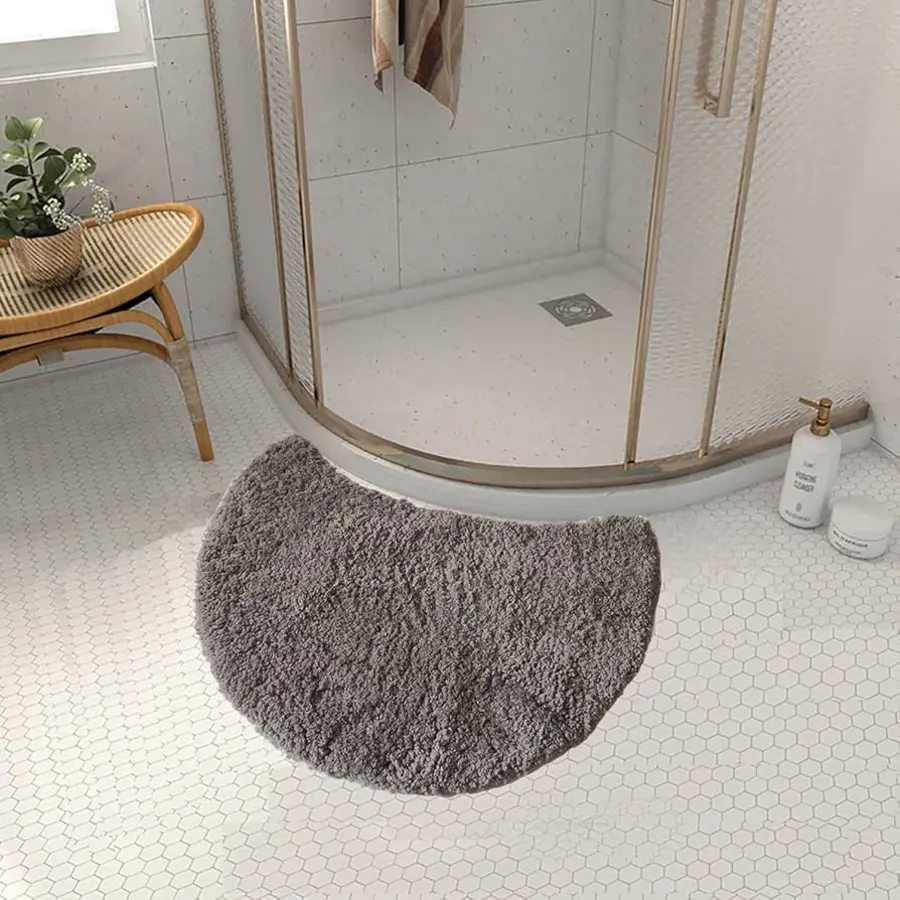
- Towels and a bath mat.
- Soap dispensers and toothbrush holders.
- Storage containers and baskets.
- A shower curtain.
- A bin and toilet brush holder.
- Shelves, hooks or handles.
- Plant pots and small decorative objects.
Using one main colour across several items creates cohesion, even when the products come from different collections. For a less uniform look, vary the tones slightly. Rust, terracotta and peach, for example, can sit together as a warm palette without every object being identical.
This method is especially useful for renters. The accessories can usually move with you, and they allow you to add personality without making substantial changes to the property. Temporary pieces also make it easier to respond to changing trends. If you grow tired of a particular shade, you can replace a few objects rather than redo the whole room.
Avoid buying too many items simply because they are available in the right colour. Start with practical essentials, distribute them around the bathroom and assess the effect. Colour is more convincing when it looks considered rather than crowded.
Make the ceiling your statement surface
The ceiling is often left white, making it one of the most overlooked opportunities in a bathroom redesign. Painting it a bold colour can change the atmosphere of the entire room while leaving the walls and fixtures untouched.
As a large, relatively open surface, the ceiling has considerable visual influence. A deep or vivid shade can create a distinctive focal point above a restrained bathroom, while a softer colour can make a plain white scheme feel warmer and more complete.
The effect works particularly well when the ceiling colour is repeated in small details below eye level. For example, the same shade could appear in a towel, framed print or vanity accessory. These links help the statement ceiling feel integrated into the design.
Before committing, test how the colour looks with the room’s lighting and existing surfaces. Tiles, mirrors and artificial light can all affect how a shade appears. It is also worth checking the condition of the ceiling first, as a strong colour may draw more attention to the surface.
If you want a bold result without combining several patterns, a colourful ceiling can be an effective solution. It occupies a prominent area but does not compete for wall space with storage, mirrors or shower fittings.
Bring personality in with bathroom wallpaper
Wallpaper offers almost limitless scope for pattern and colour. It can introduce florals, geometric shapes, illustrations or abstract designs that would be difficult to recreate with paint alone.
In a bathroom, however, moisture exposure needs careful consideration. Choose wallpaper designed to resist water where appropriate, or use a suitable protective varnish over the paper. Always follow the wallpaper and varnish manufacturers’ instructions, including guidance on where the product can be used.
Placement matters too. A wall that regularly receives direct splashes will face different conditions from a wall farther away from the bath or shower. Reserving wallpaper for a less exposed area can help make it a practical part of the design.
If covering the whole room feels overwhelming, use wallpaper to define one section, such as:
- The wall behind a freestanding bath.
- A section above wall panelling.
- A vanity or dressing area away from direct splashes.
- A small cloakroom with limited decorative features.
- The inside of an open shelving recess, where suitable.
Let the pattern lead the rest of the palette. Select one or two shades from the wallpaper and repeat them through towels, paint or accessories. This is an easy way to create a layered scheme without introducing unrelated colours.
Refresh the room through colourful tiles
Tiles add more than colour. Their shape, layout, pattern and texture can all create visual interest, even when the palette is relatively simple.
For a noticeable update, use colourful tiles in a focused area rather than automatically ret tiling every surface. A splashback, bath panel or shower feature wall can provide a strong decorative moment while allowing existing neutral tiles to remain.
Think about how different choices contribute to the design:
- Shape: Unusual tile shapes can add energy to a plain colour.
- Pattern: Repeated motifs create a more decorative surface.
- Texture: Raised or uneven-looking finishes bring depth and variation.
- Layout: The arrangement of simple tiles can make the installation feel more distinctive.
- Grout contrast: The relationship between the tile and surrounding lines can influence how prominent the pattern appears.
Renters and anyone seeking a temporary update can consider removable tile stickers. These allow you to place colour or pattern over suitable existing surfaces without committing to a permanent tile replacement. Check that the stickers are intended for the location and follow the supplier’s application and removal guidance.
Whether you choose permanent tiles or stickers, use samples where possible to compare colours with the bathtub, flooring and lighting. A tile viewed alone may look different once surrounded by the room’s existing finishes.
Warm up the scheme with natural details
A colourful bathroom can sometimes feel visually busy or overly polished. Natural materials soften the scheme, adding warmth and balancing stronger shades.
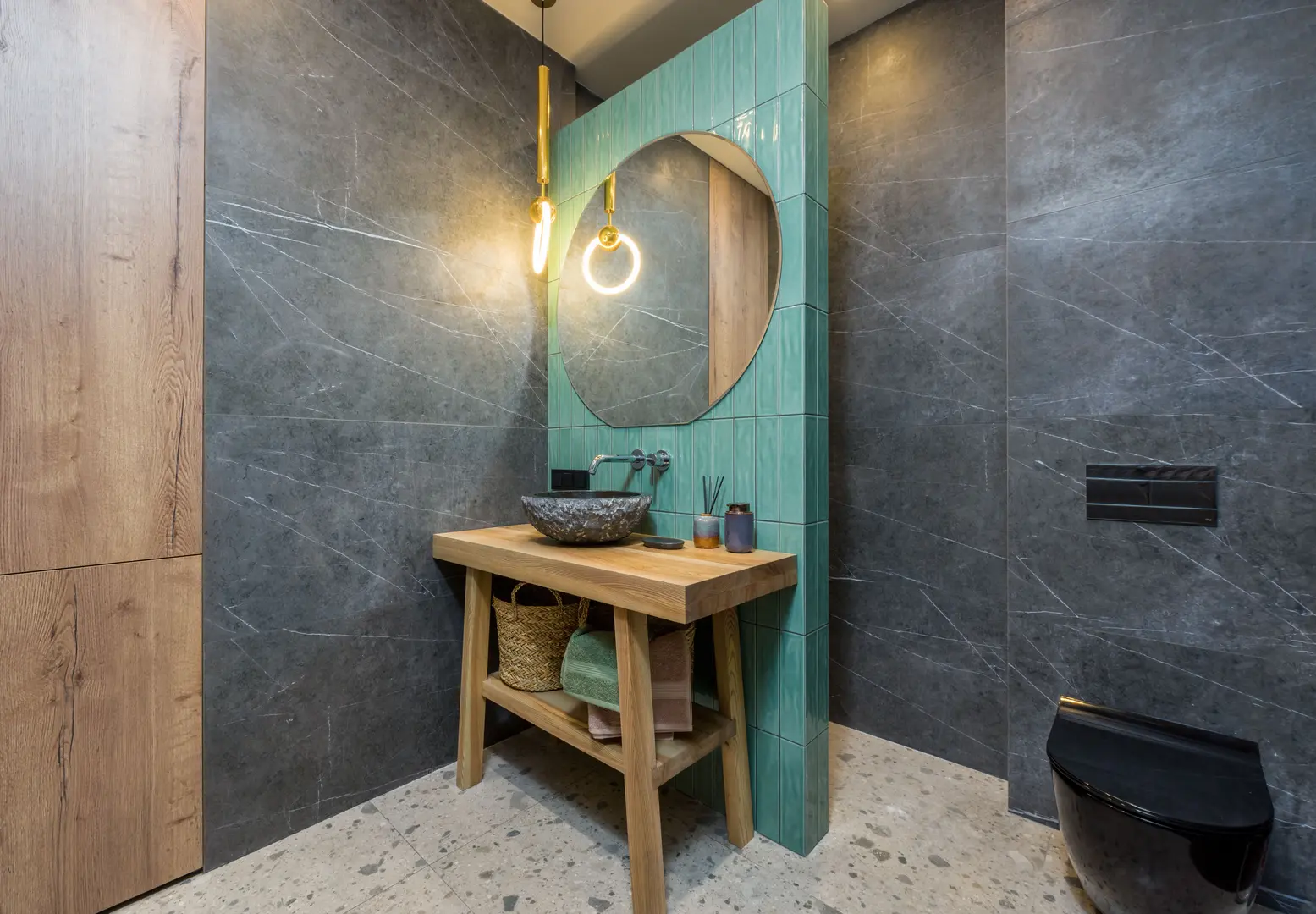
Wood is particularly effective because its grain and natural colouring contrast with the smooth surfaces commonly found in bathrooms. It can be introduced through small pieces such as a stool, tray, mirror frame, shelf or storage container. These details provide warmth without requiring you to replace cabinetry or flooring.
Plants offer another accessible way to bring in natural colour. Their greens can act almost like a neutral, sitting comfortably beside bright paint, patterned wallpaper or colourful tiles. Bathrooms also tend to provide humid conditions, so plants suited to that environment may need relatively little attention beyond their normal care.
Plant requirements vary, especially when it comes to light, so choose varieties that suit the actual conditions in your bathroom. An attractive plant will not thrive solely because the room is humid if its other needs are not met.
For a simple arrangement, combine:
- One taller plant to add height.
- A trailing plant on a suitable shelf.
- A small pot beside the basin.
- Wood-toned accessories to repeat the natural warmth.
There is no need to turn the bathroom into an indoor garden. Even one or two carefully positioned plants can soften hard edges and connect the colour scheme.
Add a personal finishing touch with artwork
Artwork is a relatively low-cost way to introduce colour and character. It also makes a bathroom feel more personal, particularly if the main fixtures and surfaces need to remain neutral.
Prints, photographs, illustrations or small paintings can all contribute to the palette. Choose pieces that contain colours already present in the room, or use the artwork to introduce a contrasting accent. A bright print can have a significant impact even when everything around it is understated.
Frames are important in a bathroom because they help protect the artwork from water damage. Position framed pieces away from areas that receive direct splashes and consider the room’s moisture levels before displaying anything valuable or irreplaceable.
Artwork can also solve awkward decorative gaps. A narrow print may suit a wall beside the mirror, while a small group of coordinated pieces can bring interest to an empty wall without requiring paint or wallpaper.
If you like to update your interiors regularly, keep the frames and change the prints. This makes it possible to refresh the bathroom palette at little cost and without altering permanent features.
Budget Management Tips
Adding colour is often more affordable than completing a full renovation, but costs can still rise if the redesign expands beyond surface-level updates. Set a clear budget before buying paint, tiles or accessories, and keep part of it available for unexpected work.
Lighting is one area where homeowners can overspend. Decorative fittings may look like a simple upgrade, but changes to wiring can add to the final bill. Plumbing alterations can do the same, particularly when a proposed layout requires pipes or fixtures to be moved.
Before committing to a redesign, review the following points:
- Decide what will stay in place. Keeping the toilet, bath and shower in their existing locations can reduce the need for disruptive plumbing work.
- Check whether electrical work is involved. New lighting or a revised layout may require professional input and should be budgeted accordingly.
- Allow for preparation costs. Primer, surface repairs, protective finishes and installation materials are part of the project, not optional extras.
- Avoid choosing on price alone. Very cheap materials may need replacing sooner, potentially making the update more expensive over time.
- Consider the weight of existing fixtures. Removing an old cast-iron bath can be difficult and may add labour and disposal costs.
- Separate permanent and temporary changes. Invest carefully in long-term features while using accessories, artwork or removable stickers for trend-led colour.
- Confirm custom costs early. Bespoke shower screens and other personalised elements should be priced before the wider palette is finalised.
Relocating a toilet or bathtub can be particularly demanding, and the challenge may increase where the building or floor construction makes new plumbing routes difficult. If the goal is primarily to add colour, changing the layout may be unnecessary.
The most budget-conscious bathroom redesigns usually work with what is already there. Paint a sound tub instead of replacing it, update tiles selectively, coordinate movable accessories and use artwork or plants for the finishing touches. This approach keeps the project flexible while still creating a bathroom that feels colourful, cohesive and personal.