How to Clean a Bathroom Sink Overflow
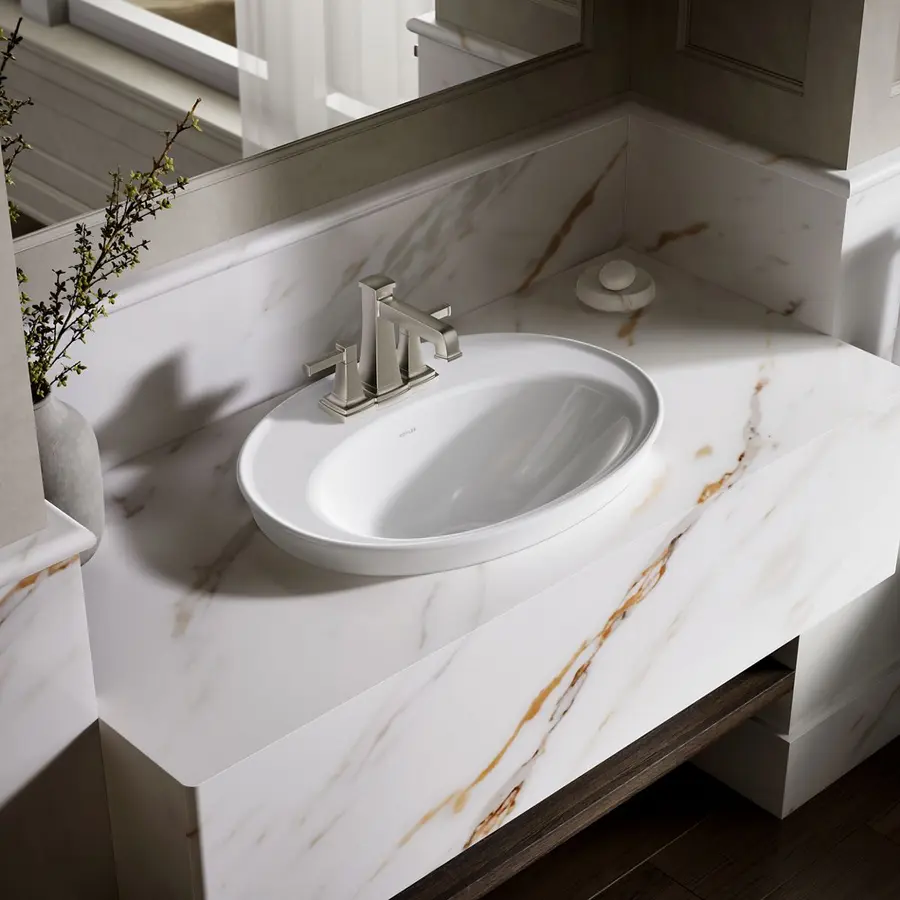
A bathroom sink overflow can hold soap residue, toothpaste, hair, and damp organic buildup even when the basin and visible drain look clean. To clean it, wipe the opening, loosen residue with a small flexible brush, flush the passage with warm water, and rinse until the water runs clear. If odor remains, clean the drain stopper and trap area as well, because the overflow may not be the only source.
What the sink overflow does
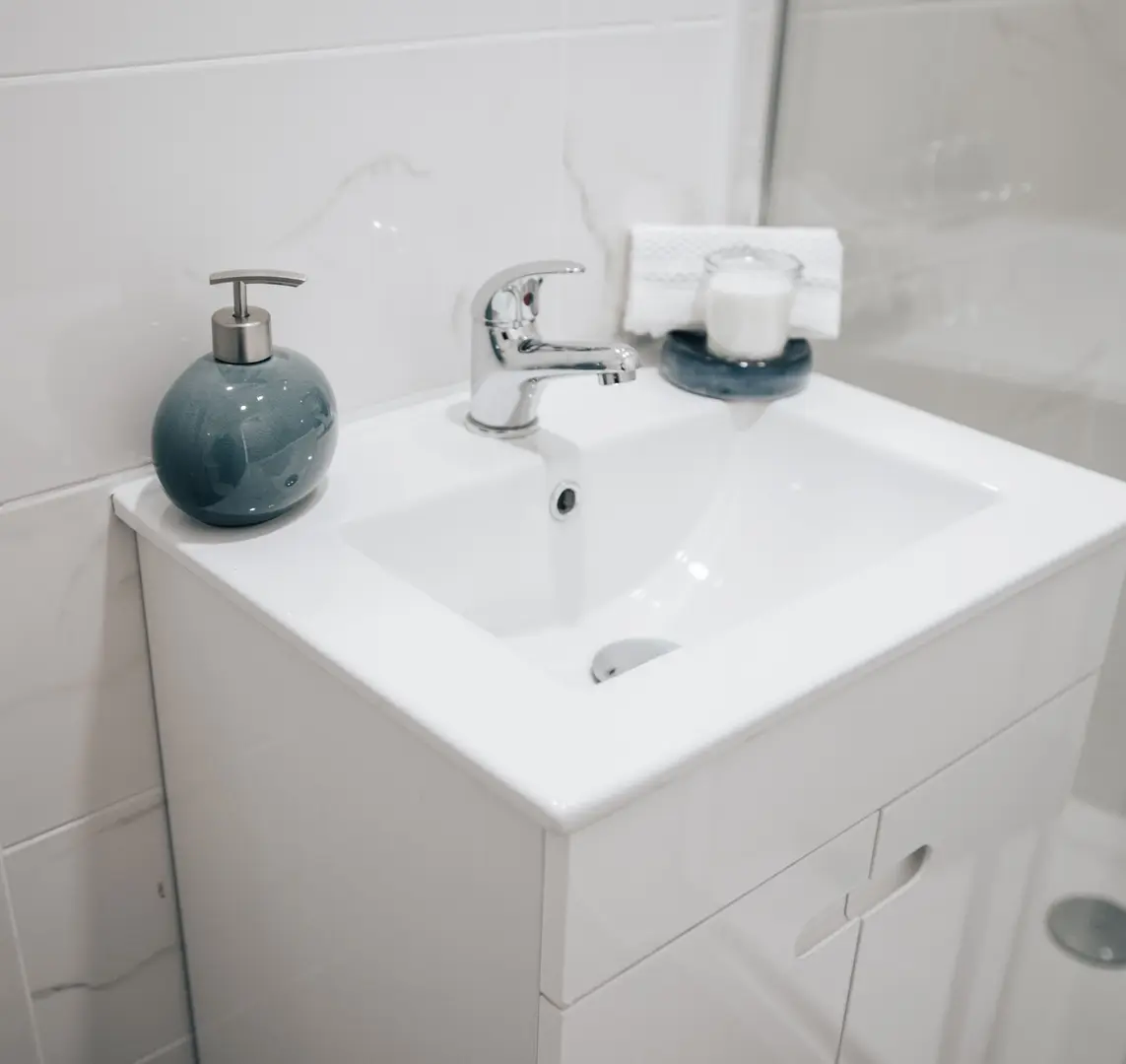
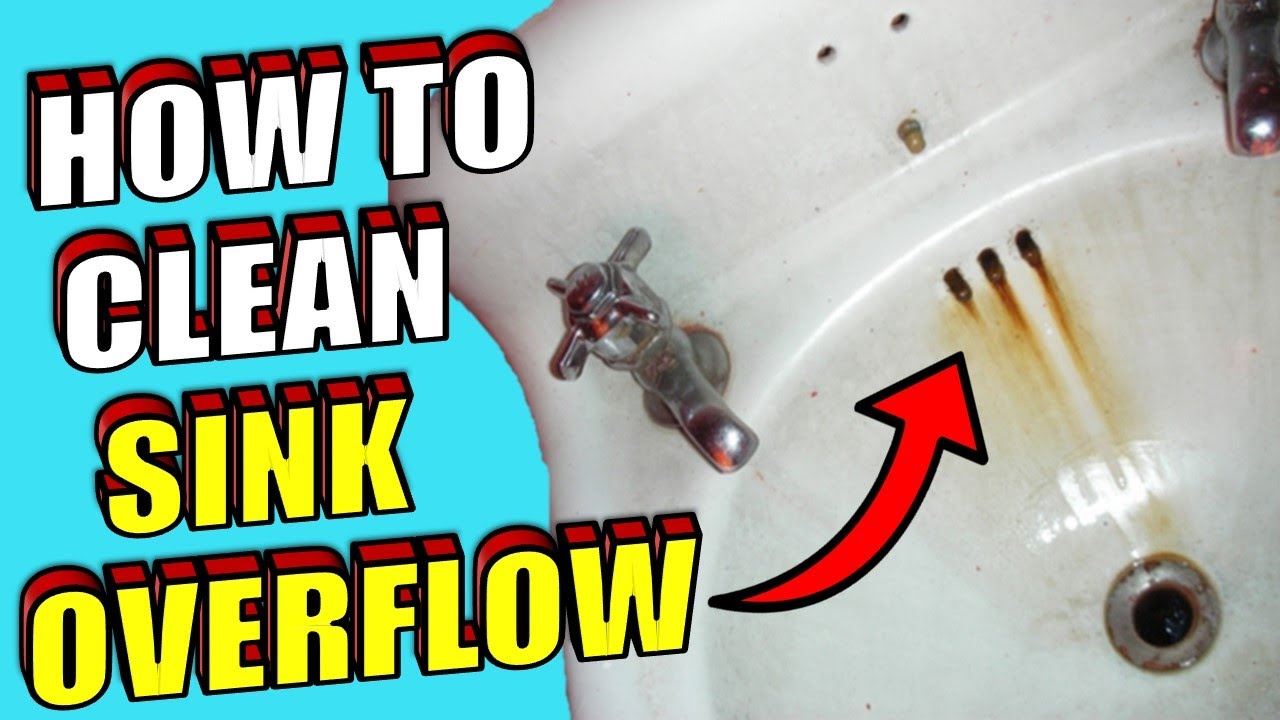
The overflow is the small opening, slot, or set of holes near the upper inside wall of the basin. It gives water another route if the faucet is left running while the drain is closed. On many bathroom sinks, the opening leads through a hidden channel in the sink body and connects near the drain.
That passage can stay damp. Over time, residue and mold-like buildup may collect inside it and create the familiar problem of a bathroom sink smelling when running water. Because much of the channel is hidden, wiping the visible sink surface will not remove the source.
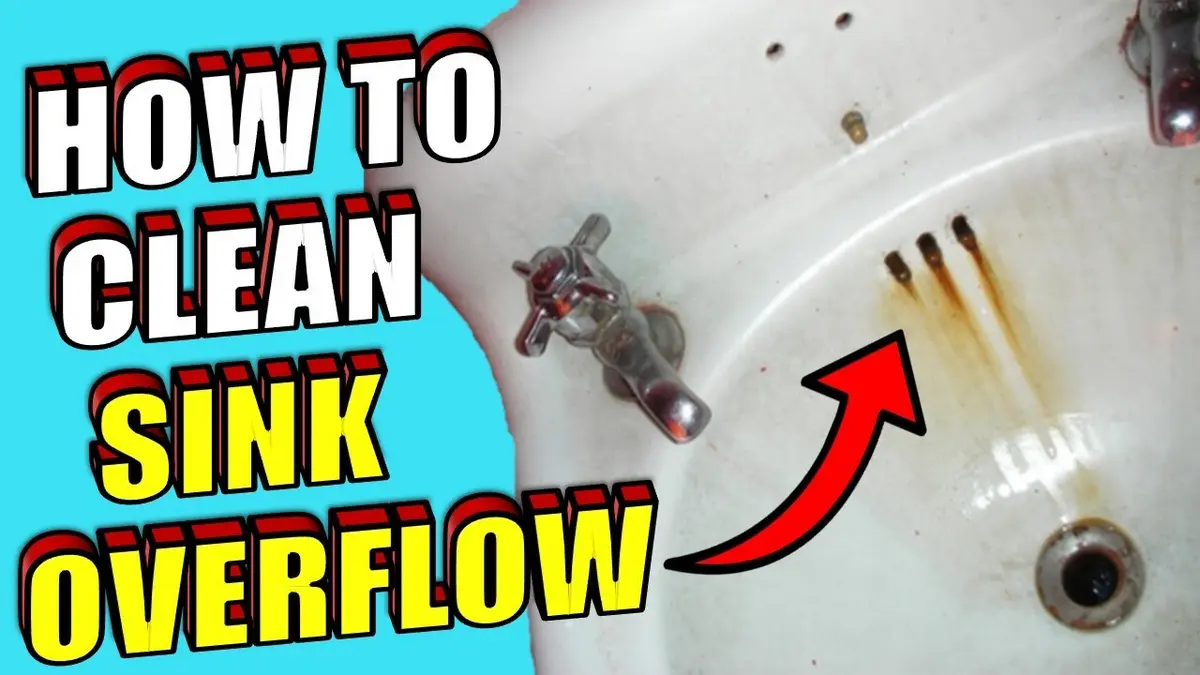
Source: i.ytimg
What you need
Gather the following before starting:
- Microfiber cloth or soft sponge
- Warm water
- A small flexible cleaning brush, pipe-cleaner brush, or old toothbrush
- Small funnel, squeeze bottle, or large syringe without a needle
- Baking soda, if needed
- White vinegar or a sink-safe enzyme cleaner, used separately and according to its label
- A towel to protect the vanity
A narrow brush is useful for the opening, but do not force a stiff object deep into the passage. You want to loosen residue without damaging the sink finish or pushing debris farther into an inaccessible area.
How to clean a bathroom sink overflow
1. Clear and wipe the opening
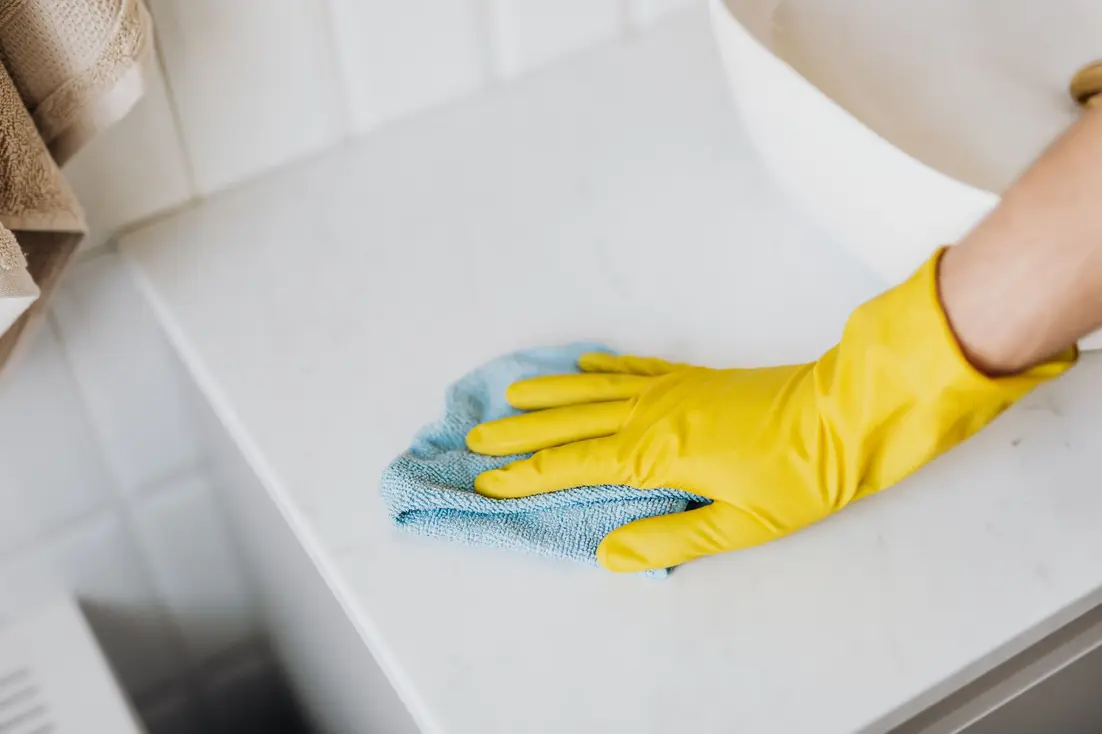
Remove toiletries and other items around the sink. Wipe the basin and the area around the overflow with warm water and a little dish soap. Pay attention to dried toothpaste, hair, dark film, and grime around the edges of the opening.
Rinse the cloth after wiping so you do not spread the removed residue back over the sink. If the overflow has several small holes, clean around each one.
2. Loosen buildup inside the passage
Insert the tip of a small flexible brush gently into the overflow opening. Move it back and forth a short distance to disturb buildup near the entrance. Do not jam the brush into the channel or use a sharp metal tool.
If the opening is too shallow for a brush, use a funnel or squeeze bottle for the flushing step instead. Some sink designs provide limited access, so cleaning the visible opening and flushing thoroughly may be the safest practical method.
3. Flush the overflow with warm water
Pour warm water slowly into the overflow opening using a small funnel or squeeze bottle. A slow pour gives the water time to travel through the hidden passage instead of spilling immediately over the basin.
Continue in small amounts until loosened debris and odor-causing residue have been carried toward the drain. Use warm water rather than boiling water, which can create unnecessary stress for some sink and drain components and is not needed for this task.
4. Use a mild deodorizing treatment if needed
For a mild odor or remaining film, place a small amount of baking soda into the overflow with a dry funnel. Add a little warm water to make a loose slurry, let it sit briefly, and then flush thoroughly.
You can also use a small amount of white vinegar after rinsing the baking soda away, but do not treat the combination as a powerful cleaner. Baking soda and vinegar react quickly and largely neutralize each other. More importantly, never combine them with bleach, commercial drain opener, or another chemical product.
A sink- and drain-labeled enzyme cleaner is another option for organic residue. Follow the product label, use only the stated amount, and do not mix it with other cleaners. Enzyme products may need contact time before you rinse them away.
5. Rinse the channel completely
Flush the overflow again with clean warm water. This step matters because a cleaning product or loosened residue left inside the passage can contribute to another smell.
Wipe the visible opening and the surrounding basin dry. If possible, leave the sink unused for a short time so the area can dry rather than staying continuously damp.
6. Clean the drain stopper and nearby drain
If the odor returns quickly, remove and clean the sink stopper if your design allows it. Hair, soap film, and toothpaste commonly collect beneath the stopper and around the drain opening. Scrub those areas with a soft brush and rinse them well.
The overflow connects near the drain on many sinks, so cleaning only the upper opening may not solve an odor caused by buildup below it. Do not remove plumbing parts unless you can reseat them correctly and protect the vanity from spilled water.
What not to do
Avoid these common mistakes when you clean a sink overflow:
- Do not pour bleach into the overflow, especially after using vinegar, an enzyme product, or another cleaner.
- Do not combine commercial drain opener with any other product.
- Do not use boiling water as a shortcut.
- Do not force a coat hanger, knife, or rigid wire into the passage.
- Do not pour large amounts of powder into a narrow opening where it may compact.
- Do not assume bubbling means the channel is fully clean; flushing is what carries loosened residue away.
Always ventilate the room and follow the label for any commercial cleaning product.
How often should you clean the overflow?
Clean the visible opening whenever you clean the basin, and flush the hidden channel when you notice a musty smell, dark residue, or recurring film. A periodic cleaning every few months can help prevent buildup, especially in a frequently used bathroom, but the right schedule depends on how quickly residue returns.
Keeping the basin and stopper area free of toothpaste, hair, and soap also helps. After washing, run a little clean water through the drain and wipe away standing water around the overflow opening.
When a smell needs further investigation
If the odor remains after cleaning the overflow, the source may be the stopper, drain body, trap, or another plumbing problem rather than the overflow channel. Persistent sewer-like odor, slow drainage, gurgling, repeated backups, visible leaks, or water appearing under the vanity are reasons to stop repeating chemical treatments and investigate the plumbing.
A sink overflow should not normally produce a strong recurring odor after it has been brushed and thoroughly flushed. If the smell returns immediately or affects more than one drain, consider having the drain and trap checked by a qualified plumber.
References
- How to Clean a Sink Overflow Hole. (n.d.). https://www.bobvila.com/interior/how-to-clean-a-sink-overflow-hole
- How to Clean Smell from Bathroom Sink Overflow: A Practical 2026 Guide - sprucebath.com. (n.d.). https://sprucebath.com/how-to-clean-smell-from-bathroom-sink-overflow
- How to Clean Bathroom Sink Overflow Drain: DIY Method [4 Steps] – Clean Curious. (n.d.). https://cleancurious.com/how-to-clean-bathroom-sink-overflow-drain
- Sink Smells Bad, Remove Odor From Overflow Hole, Clean With Enzyme Cleaner. (n.d.). https://www.youtube.com/watch?v=6VWB2Rtz0ak
- How to Clean a Sink Overflow Hole (Step by Step). (n.d.). https://dgfloors.com/how-to-clean-sink-overflow-hole
- Smelly drains? Don’t Forget To Clean Your Sink’s Overflow! …. (n.d.). https://www.facebook.com/fosterpandh/videos/smelly-drains-dont-forget-to-clean-your-sinks-overflow-that-little-hole-near-the/901441019158591
- How to Clean a Sink Drain. (n.d.). https://www.bissell.com/en-us/blog/how-to-clean-a-sink-drain
- Gross black stuff in sink overfill drain. (n.d.). https://www.diychatroom.com/threads/gross-black-stuff-in-sink-overfill-drain.711703