How to Clean a Bathtub Overflow
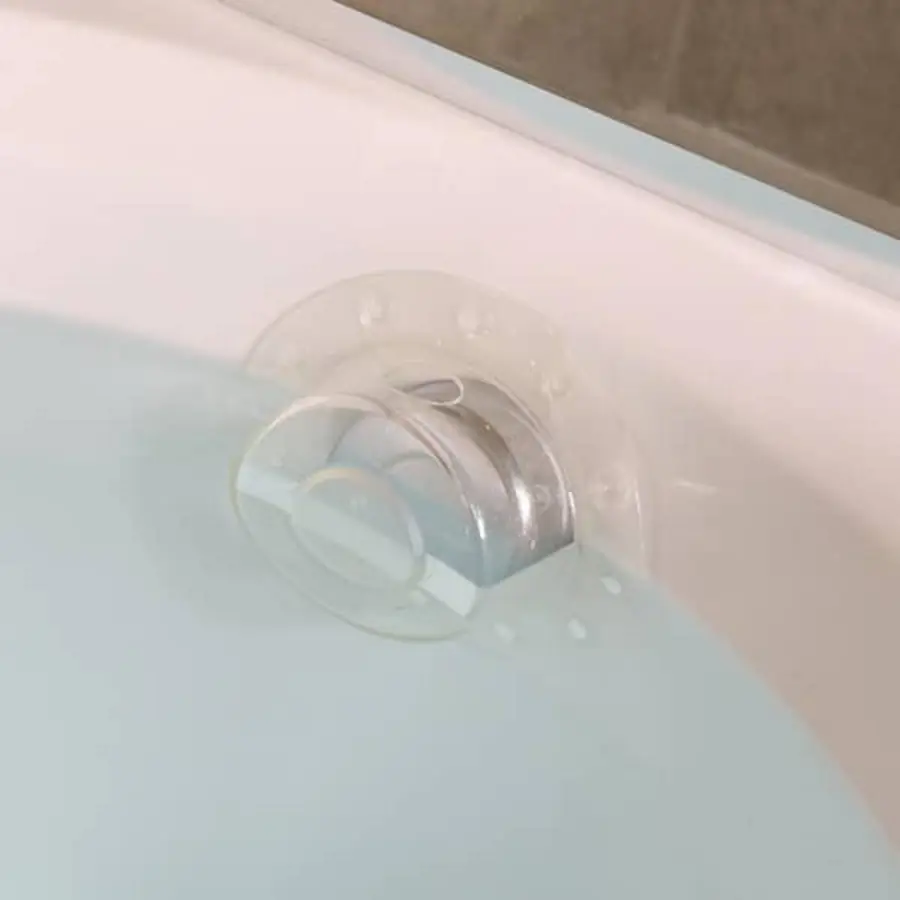
The easiest way to clean a bathtub overflow is to start with the cover: wipe away surface grime, loosen residue with warm water and mild dish soap, and use a soft brush or cloth around the opening. If the cover is screw-mounted and does not include a trip lever or other mechanism, you may be able to remove it for more thorough cleaning. If it has a lever or you are unsure how the assembly is fitted, clean around it without pulling the plate or attached parts.
Use only a small amount of rinse water around the overflow opening. The goal is to clean the accessible cover and channel without flooding the wall cavity behind the tub. Surface cleaning can improve buildup and mild odors, but slow drainage, recurring smells, or water leakage may indicate a problem farther inside the overflow or waste assembly.
What you need
- Soft cloths or a non-scratch sponge
- An old, soft toothbrush or narrow cleaning brush
- Warm water
- Mild dish soap or a bathroom cleaner labeled for the cover’s material
- A screwdriver that fits the cover screws, if removal is appropriate
- A small bowl or towel for catching drips
- Household gloves, if you prefer to avoid contact with the residue
Check the tub and overflow manufacturer’s care instructions before using a cleaner. Avoid abrasive pads and harsh products that could dull or damage a plated metal, painted, acrylic, or plastic cover. Do not mix cleaning products.
How to clean a bathtub overflow cover
1. Identify the type of cover
Look at the plate on the vertical wall of the tub, usually below the faucet. Some covers are simple blank plates held by screws. Others include a trip lever, knob, or linkage that operates the tub stopper.
A lever-style overflow plate is connected to parts behind the cover. Removing it without knowing how the assembly is arranged can make reassembly difficult or affect the stopper. If the plate has a lever or you notice loose, corroded, or damaged screws, leave it in place and clean the visible surfaces first. For model-specific removal instructions, check the tub or drain manufacturer’s documentation.
2. Wipe away loose residue
Run a damp cloth over the plate and the area around it. Remove hair, flakes of soap, and other loose material before applying cleaner. Pay attention to the lower edge of the cover and the narrow gap around the plate, where residue often remains damp.
If the overflow opening has a grille or slots, use the corner of the cloth or a soft toothbrush rather than pushing a tool deeply into the opening.
3. Loosen the grime
Apply a small amount of mild dish soap to a damp cloth or brush. Work over the plate, screw heads, edges, and accessible opening. Let the damp soapy cloth sit against stubborn soap residue briefly, then brush gently.
For a cover with a delicate finish, test the cleaner on a less noticeable area first. Do not use a metal pick, stiff wire, or abrasive scouring pad. Scratches can give grime more places to collect and may damage the finish.
4. Remove a simple cover only when appropriate
If the plate is a plain, screw-mounted cover with no lever or attached control, place a towel below it and remove the screws with the correctly sized screwdriver. Keep the screws together and support the plate as it comes away.
Clean both sides of the plate with warm, soapy water and a soft brush. Wipe the visible rim around the tub opening, but do not pry at the pipe or pull on anything inside the wall. If a rubber gasket is visible, leave it in position unless you are following instructions for replacing it. A displaced or damaged gasket can contribute to leakage.
If the plate resists removal, the screws strip, or the cover begins to move with internal parts, stop and reinstall any loose screws. Do not force it.
5. Clean the accessible opening
With the cover still in place, use a damp soft brush around the opening and its edges. If you have safely removed a simple cover, wipe only the area you can reach without pushing debris farther into the pipe. A flexible brush designed for drain or overflow cleaning may help with shallow buildup, but it should not be forced into a narrow or obstructed passage.
This is a cleaning step, not a reason to dismantle the drain assembly. The overflow connects to plumbing behind the tub, and the visible opening does not show the full condition of that pipe.
6. Rinse carefully
Use a wrung-out cloth or a small amount of warm water to remove soap and loosened grime. A hand-held shower can also be used if you can control the flow and direct it closely at the cover. Avoid holding a strong stream against the opening or pouring a large volume of water into it.
Wipe the plate and surrounding tub dry. If you removed a simple cover, return it to its original position and tighten the screws evenly until secure. Do not overtighten them; excessive force can damage the cover or gasket. If the cover has a lever or linkage, follow the manufacturer’s reassembly instructions rather than guessing.
Source: blogus.aosomcdn
Should you use baking soda, vinegar, or drain cleaner?
For ordinary grime on a bathtub overflow cover, mild soap and mechanical wiping are the least complicated starting point. Some cleaning instructions recommend baking soda followed by vinegar and a water rinse, but the visible overflow may not be the right place for every product, and this approach will not repair a damaged gasket or clear every internal blockage.
Avoid combining vinegar with bleach, drain cleaner, or other cleaning products. Do not pour chemical drain opener into the overflow unless the product label specifically allows that use and you understand how it may contact the rest of the drain assembly. If the tub is draining slowly or contains standing water, follow the product directions carefully or choose a mechanical inspection instead of adding more chemicals.
What if the bathtub overflow smells?
First clean the cover, the plate’s edges, and the accessible opening. Hair, soap residue, and bath-product buildup can create an unpleasant smell near the opening. Rinse with controlled amounts of warm water and dry the area.
If the odor returns quickly, comes from deeper inside the pipe, or is accompanied by slow draining, gurgling, or water backing up, surface cleaning may not solve it. The issue may involve buildup farther down the waste-and-overflow line, a stopper assembly, or a leak. Check the manufacturer’s instructions for the specific assembly, or contact a qualified plumber when the cause is not accessible without deeper disassembly.
When to stop cleaning and get help
Stop and investigate further if you notice:
- Water leaking around the overflow plate or into the wall or floor
- A cracked, corroded, or loose cover
- A gasket that is visibly damaged or out of position
- Screws that will not loosen or no longer hold the plate
- Persistent odor after the visible parts are clean
- Slow drainage, gurgling, or backup in the tub or nearby fixtures
- An overflow cover with a trip lever that you cannot safely remove and replace
A clean cover can improve the appearance and remove accessible grime, but it cannot correct a failed seal or a blockage hidden inside the plumbing. Clean the visible plate during routine tub cleaning, and inspect the area whenever you notice a smell, leak, or change in drainage.
References
- The Complete Guide to Bathtub Overflow Drain – moklebabath. (n.d.). https://www.moklebabath.com/blogs/news/the-complete-guide-to-bathtub-overflow-drain
- How to Clean a Tub Overflow Drain - DoItYourself.com. (n.d.). https://www.doityourself.com/stry/how-to-clean-a-tub-overflow-drain
- How Do You Clean A Bathtub Overflow Drain Quickly and Safely. (n.d.). https://homesthrone.com/how-do-you-clean-a-bathtub-overflow-drain
- 4 Ways to Clean a Bathtub Drain - wikiHow. (n.d.). https://www.wikihow.com/Clean-a-Bathtub-Drain
- How To Clean A Bathtub Drain Safely - News - Mesa. (n.d.). https://www.mesashower.com/news/how-to-clean-a-bathtub-drain-safely-85637623.html
- How to clean a bathtub overflow cover? easily and effectively. (n.d.). https://homesthrone.com/how-to-clean-a-bathtub-overflow-cover
- How to Clean a Bathtub Drain: A Safe Step-by-Step Guide. (n.d.). https://cleanservant.com/how-to-clean-a-bathtub-drain-a-safe
- BATHTUB DRAIN CLEANING: 3 ways - YouTubeHow to Clean a Bathtub: Easy Steps to Remove Soap Scum. (n.d.). https://www.youtube.com/watch?v=5dSvS1FFHyM