How to Clean a Marble Shower

Marble gives a shower a polished, timeless appearance, but it cannot be cleaned like ordinary ceramic tile. Its surface requires gentle products, soft tools, limited moisture, and prompt drying.
Learning how to clean a marble shower is largely about preventing damage while removing everyday residue. A pH-neutral stone cleaner is the safest choice for routine care, while mild dish soap and a soft cloth can handle light cleaning. Consistent drying and regular resealing also help protect the stone from stains and dullness.
Why Marble Needs Gentle Cleaning
Marble is softer and more porous than many common shower materials. Moisture and residue can settle into its surface, while rough cleaning tools can leave scratches. Using an unsuitable cleaner may also etch the marble, creating dull or uneven areas that ordinary cleaning will not correct.
Harsh chemicals and abrasive tools are therefore poor choices for a marble shower. Avoid scrubbing with rough sponges, stiff brushes, or other tools that can wear down the finish. A product that works well on another bathroom surface may not be appropriate for natural stone.
Gentle cleaning protects both the appearance and surface of marble. The basic approach is simple:
- Remove loose dirt before wiping or scrubbing.
- Use a cleaner intended for marble or natural stone.
- Work with a soft cloth, sponge, or brush.
- Avoid leaving excess water on the surface.
- Dry the marble immediately after cleaning.
Daily maintenance matters because it limits how much residue needs to be removed during a deeper cleaning. The less buildup there is, the less pressure and product you will need to use.
Acidic cleaners are especially important to avoid. Although acids are often promoted for bathroom cleaning, they can react with marble and damage its finish. This includes common homemade cleaning solutions containing vinegar. Gentle methods may require more consistent maintenance, but they are far less likely to leave the shower scratched, etched, or dull.
Choosing Safe Cleaners for Marble Tile
A pH-neutral stone cleaner is the best general option for marble tile. Choose a formula identified as suitable for marble or natural stone, and use it according to its directions. These cleaners are designed to clean without exposing the surface to damaging acidity.
For light, everyday cleaning, a small amount of mild dish soap mixed with water can also be used. Apply it with a soft cloth rather than an abrasive pad. Wipe the marble gently, remove the cleaning solution, and dry the area promptly.
Avoid products that contain acidic ingredients. In particular, do not use vinegar on marble, even when it is diluted. Acidic bathroom cleaners can also etch the surface and reduce its shine. Abrasive powders and harsh scrubbing products should be avoided for the same reason.
For stains or buildup that mild soap cannot remove, use a specialized marble cleaner rather than increasing scrubbing pressure or trying a stronger household chemical. Confirm that the product is intended for the type of stone you have. Specialized cleaners are a better option for difficult areas because they address the problem without relying on acids or aggressive abrasives.
A practical cleaning kit for a marble shower can remain simple:
- pH-neutral marble or natural-stone cleaner
- Mild dish soap for light routine cleaning
- Soft microfiber cloths
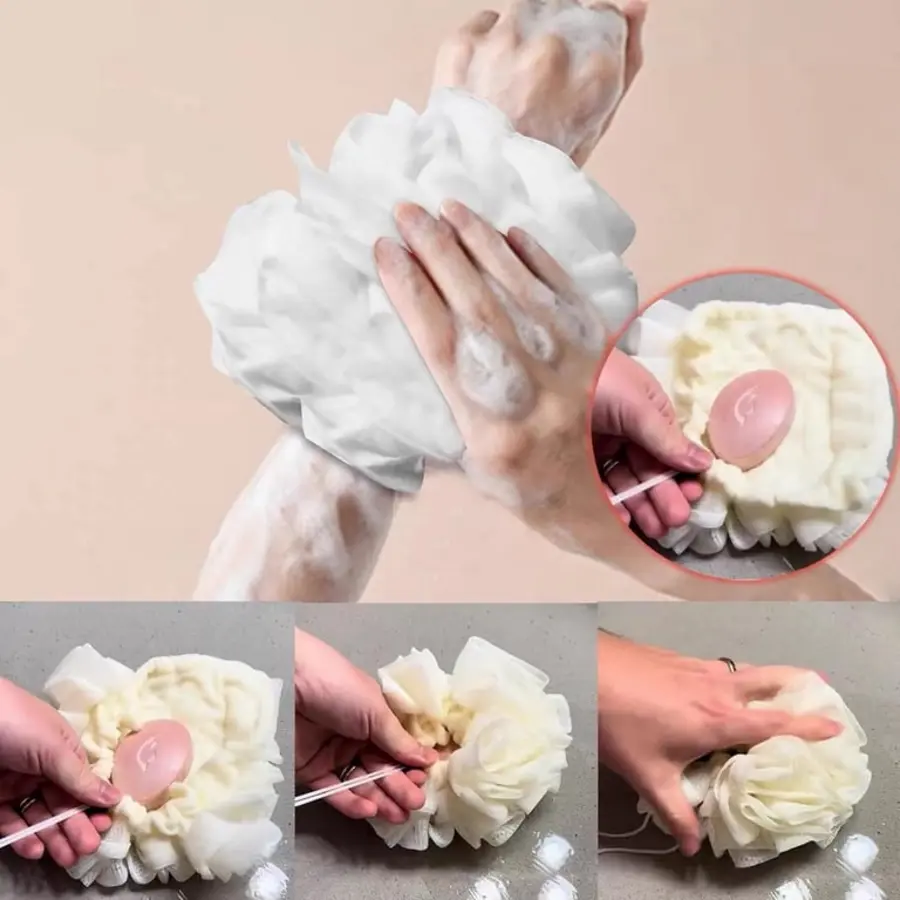
- Nonabrasive sponge
- Soft-bristled brush for grout
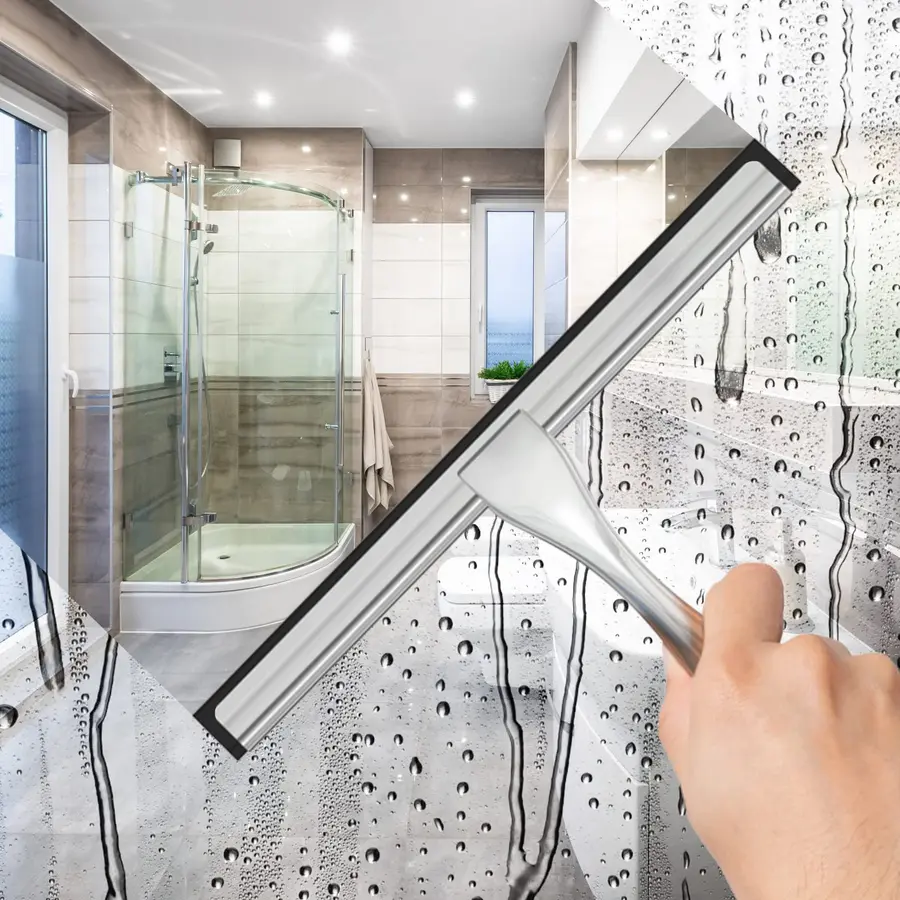
- Shower squeegee
- Clean, dry towels
Keeping these tools nearby also makes daily care easier. When a squeegee and soft towel are readily available, water is less likely to remain on the shower walls or floor.
Safe Cleaning Products for Marble Showers
The safest cleaning products are those that clean without scratching the marble or exposing it to acid. Suitable choices include:
| Product or tool | Appropriate use |
|---|---|
| pH-neutral stone cleaner | Routine and deeper cleaning of marble surfaces |
| Mild dish soap and water | Light everyday soil and residue |
| Specialized marble cleaner | Stains or buildup that mild soap does not remove |
| Soft cloth or nonabrasive sponge | Applying cleaner and wiping tile |
| Soft-bristled brush | Gentle cleaning of grout lines |
| Squeegee and dry towel | Removing water after use or cleaning |
Mild soap and a soft cloth are a practical combination when the shower only needs gentle cleaning. This method is unlikely to damage marble when used carefully. However, it may not remove every stain or layer of buildup. If an area remains dirty, switch to an appropriate marble cleaner rather than using an acidic product or scrubbing harder.
Safe cleaning is as much about the tool as the solution. Even an appropriate cleaner can be paired with a sponge that is too rough. Use only soft, nonabrasive materials on the marble itself, and apply light pressure.
Cleaning Marble Floors Without Excess Moisture
A marble shower floor collects loose dirt, hair, and residue. Removing these materials before mopping or wiping prevents them from being dragged across the surface.
When cleaning a marble floor outside the immediate shower area, begin with a soft broom or a vacuum suitable for the surface. Do not use a rough attachment that could scratch the stone. Inside the shower, collect or rinse away loose debris before applying cleaner.
Follow these steps for gentle floor cleaning:
- Remove loose dirt. Use a soft broom, a suitable vacuum, or a soft cloth, depending on the location and size of the floor.
- Prepare a mild solution. Use pH-neutral stone cleaner or a small amount of mild dish soap with water.
- Mop or wipe gently. Use a soft mop or cloth without flooding the floor.
- Remove the cleaning solution. Wipe the surface with clean water as needed so cleaner does not remain on the marble.
- Dry the floor. Use a clean, soft towel to remove moisture and reduce water spots.
- Buff gently. Once the floor is clean and dry, lightly buff it with a dry, soft cloth for additional shine.
Limiting water is important. Marble is porous, and standing moisture should not be left on the floor. Avoid soaking the surface simply because it is located in a shower. Use only the amount of water needed to clean and wipe it away when you finish.
Pay particular attention to corners, edges, and areas around the drain, where water may remain after the rest of the floor appears dry. Prompt towel-drying helps prevent water spots and keeps the freshly cleaned finish from looking uneven.
A Gentle Method for Cleaning Marble Grout
Grout presents a separate challenge because it can absorb moisture and stains. At the same time, grout lines are surrounded by marble that can be scratched by harsh brushes or aggressive scrubbing.
For routine cleaning, apply a pH-neutral cleaner and work along the grout with a soft-bristled brush. Use gentle, controlled strokes rather than pressing heavily. Wipe away the loosened residue with a damp cloth, then dry both the grout and the surrounding tile.
For grout that needs a deeper clean, a baking soda paste can be used carefully:
- Combine baking soda with enough water to make a paste.
- Apply the paste to the grout line.
- Gently work it with a soft brush.
- Remove the paste thoroughly with a damp, soft cloth.
- Dry the grout and nearby marble immediately.
Keep the work focused on the grout and avoid using baking soda as a general abrasive scrub over the marble tiles. Do not substitute a harsh brush, scouring pad, or metal tool. Such tools may clean the grout aggressively, but they can scratch the stone beside it.
Drying is the final and essential step. Because grout absorbs moisture, leaving it wet may contribute to discoloration. After cleaning, press a dry towel into the grout lines and wipe the surrounding marble until no visible moisture remains.
Frequent light cleaning is preferable to waiting until the grout requires forceful scrubbing. Regularly removing surface residue allows the soft brush and mild cleaner to remain effective.
Steps for Cleaning Marble Shower Tiles
A marble shower benefits from two levels of care: a quick routine after each shower and periodic deeper cleaning. The daily routine controls standing water, while deeper cleaning removes residue that normal rinsing and squeegeeing leave behind.
Use the following method:
Remove loose debris. Before applying cleaner, clear hair and visible particles from the shower floor and other surfaces.
Apply a pH-neutral cleaner. Use a cleaner made for marble or natural stone. Cover manageable sections rather than the entire shower at once so the product and water do not sit longer than necessary.
Wipe with a soft tool. Clean the tile using a microfiber cloth or nonabrasive sponge. Use light pressure and make several gentle passes over dirty areas instead of scrubbing aggressively.
Clean grout separately. Use a soft-bristled brush along the grout lines. Keep harsh tools away from the marble edges.
Remove the cleaner. Wipe the area with clean water and a soft cloth, following the cleaner’s directions. Avoid flooding the shower.
Squeegee the surfaces. Pull water down the shower walls with a clean squeegee. Include ledges and other flat surfaces where water can collect.
Dry immediately. Use a soft towel to dry the walls, floor, corners, fixtures, and edges. Do not allow water to remain pooled on the marble.
Buff if desired. A final pass with a clean, dry microfiber cloth can improve the surface’s appearance without using an abrasive polishing product.
Avoid abrasive sponges throughout the process. If a mark does not lift with mild soap, do not compensate by using more pressure. Apply an appropriate specialized marble cleaner instead.
After every shower, use the squeegee even when a deeper cleaning is not needed. Start at the upper part of each wall and draw the water downward. Remove water from ledges and finish with the floor. A towel can then pick up moisture left in corners and around the drain.
This quick habit addresses a common concern with marble showers: water sitting on the surface. Squeegeeing and immediate drying reduce the opportunity for water spots and stains to develop. They also make the next full cleaning easier because less residue is left behind.
Maintaining and Resealing Marble Surfaces
Cleaning removes surface dirt, but sealing provides additional protection against stains. Marble showers should be resealed regularly because they are repeatedly exposed to water.
A general schedule is to reseal marble every 6 to 12 months. Follow the directions for the sealer being used and make resealing part of the shower’s normal maintenance plan. Regular sealing does not replace careful cleaning or drying; it works alongside those habits.
For ongoing care:
- Squeegee the marble after each shower.
- Dry walls, floors, ledges, and grout with a soft towel.
- Wipe up spills and product residue promptly.
- Clean with pH-neutral stone cleaner or mild dish soap.
- Use only soft cloths, nonabrasive sponges, and soft brushes.
- Avoid vinegar, acidic bathroom products, and abrasive tools.
- Reseal the surface every 6 to 12 months.
Be especially attentive to horizontal surfaces, corners, grout lines, and the area around the drain. These locations tend to hold water after vertical tile has already dried. A brief towel-drying session helps keep moisture from remaining against the stone.
The most effective marble shower routine is preventive rather than aggressive. Remove water after each use, clean gently before buildup becomes difficult, and maintain the sealer. With these habits, the marble can retain its smooth finish and shine without exposure to harsh chemicals or damaging scrubbing.