How to Clean a Stone Bath Mat Safely
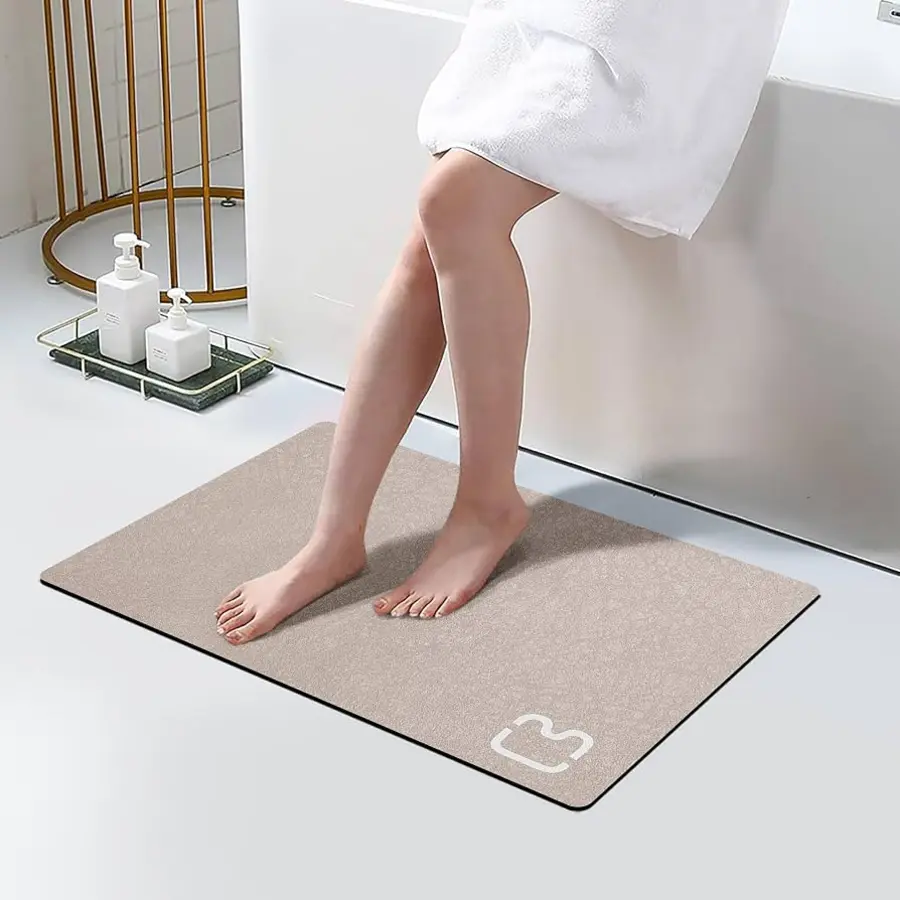
Start by checking the care instructions for your mat. Most stone bath mats are made from porous diatomaceous earth, but some are stone-look composite products or have a removable silicone cover. For routine cleaning, remove loose debris, wipe or gently scrub the surface with water and a small amount of mild soap if the manufacturer permits it, rinse away all residue, and let the mat dry completely before using it again.
If the mat has been exposed to urine, vomit, feces, or another bodily fluid, treat it differently from an ordinary stain. Wear appropriate protection while removing the mess, keep the area ventilated, and follow the manufacturer’s cleaning instructions. A porous mat that cannot be thoroughly cleaned, has cracks, retains an odor, or was heavily contaminated may be safer to replace than to return to a bathroom floor.
First, identify what the mat is made from
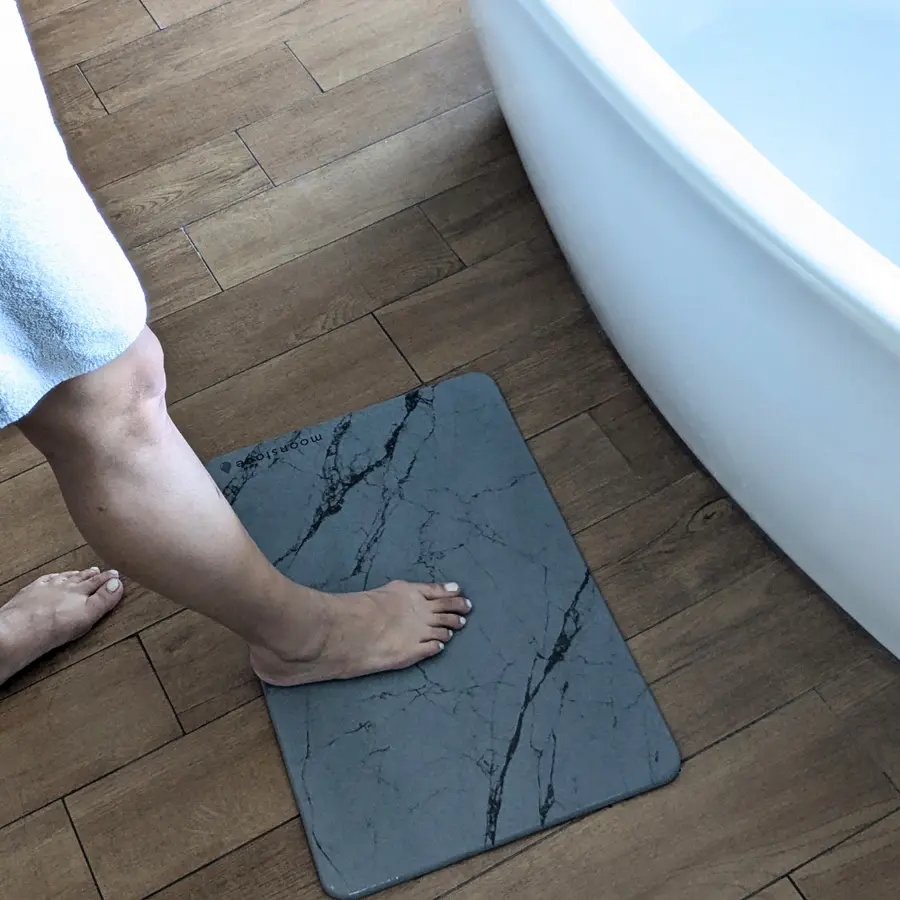
“Stone bath mat” can describe more than one product. Look for the original packaging, a care label, or the manufacturer’s product page before choosing a cleaner.
- Diatomaceous earth or diatomite: A rigid, porous slab designed to absorb water and dry quickly.
- Stone-look composite: A manufactured material that may tolerate different cleaners or may have a sealed surface.
- A mat with a silicone mesh or tray: The cover and rigid insert may need separate cleaning.
- Natural stone: Marble, slate, or another stone may be sensitive to acids and certain household cleaners.
Do not assume that advice for one type applies to another. In particular, do not use bleach, vinegar, abrasive products, or sandpaper unless the product’s care instructions allow it. Some manufacturers give specific stain-removal directions, while others recommend only a damp cloth and air-drying.
Source: moon-stone.co
How to clean a stone bath mat for routine dirt
1. Move it to a suitable cleaning area
Take the mat out of the bathroom before cleaning it. A utility area or well-ventilated outdoor location makes it easier to see debris and keeps dust and loosened dirt away from the shower floor.
Handle the mat carefully. Diatomaceous earth slabs can chip or crack if dropped or knocked against a hard edge.
2. Remove loose hair and debris
Shake the mat gently, or use a soft-bristled brush to loosen hair, dust, and dry particles. A handheld vacuum with a brush attachment may also work if the mat’s surface is stable and the manufacturer does not prohibit vacuuming.
Avoid scraping aggressively. Deep scratches can change how the surface absorbs water and may leave areas that are harder to clean.
3. Wet the surface and use mild cleaning solution if allowed
Rinse the mat with clean water, or wipe it with a damp cloth. For ordinary soap residue or dirt, use a small amount of mild liquid soap or dish soap diluted in water only if the care instructions permit it.
Clean with a soft sponge, cloth, or brush. Work gently over the entire surface or concentrate on the marked area. Harsh chemicals and highly abrasive cleaners can damage the surface and may reduce its absorbency.
4. Rinse away every trace of soap
Rinse the mat thoroughly with clean water. Soap left in the pores can leave a film and may interfere with the mat’s ability to absorb water.
Do not put the mat back on the bathroom floor while it is still soapy or wet. If the product includes a removable cover, clean that cover according to its separate instructions.
5. Dry the mat completely
Stand the mat on its edge or place it in a position where air can reach both sides. Let it air-dry fully before returning it to the bathroom. Avoid leaving it flat on a damp floor, where moisture can remain trapped underneath.
Regularly allowing the mat to dry also helps prevent the damp conditions associated with mold and mildew. If the bathroom stays humid, move the mat to a drier location between uses when practical.
How to remove stains from a stone bathroom mat
For a light stain, begin with a damp cloth and mild soap approved by the manufacturer. Rinse well and dry the mat so you can judge the result when the surface is fully dry.
If the stain remains, check the care guide for a resurfacing or sanding recommendation. Some diatomaceous earth manufacturers permit light sanding with medium-grit sandpaper on a dampened surface to refresh the upper layer and remove discoloration. Others recommend a cloth or a specific cleaner instead.
If sanding is allowed:
- Move the mat to a well-ventilated area.
- Wet the affected surface as directed by the manufacturer.
- Sand lightly and evenly rather than pressing hard in one spot.
- Rinse away all dust and residue.
- Let the mat dry fully before use.
Sanding is not a universal solution. It can damage a sealed or composite mat, and it will not make a deeply contaminated or cracked porous mat reliably suitable for continued use. Do not sand a surface that may release irritating dust without following the product instructions and using the protective measures they specify.
Hair dye, hard-water marks, and dark spots
Hair dye and mineral deposits can be more difficult than ordinary soap residue. Avoid jumping straight to bleach or acidic cleaners. First check the care label, because natural stone and manufactured stone products can react differently.
Some product guides permit a very small amount of bleach for heavier stains, but this is product-specific advice, not a general rule. Use it only when the manufacturer explicitly approves it, follow the stated directions, and never mix bleach with vinegar, ammonia, or another cleaner.
How to clean a stone shower mat after a pet accident
A pet accident needs more caution than muddy footprints or soap scum. Remove solid material promptly using disposable items, place the waste in a suitable bag, and clean the surrounding floor as well as the mat. Avoid spreading the mess across the porous surface.
Then check the manufacturer’s instructions before using any disinfectant or stain remover. A household product may discolor the mat, damage its absorbent surface, or leave residue. Cleaning and disinfecting are not automatically the same thing, and a porous slab may not be suitable for reuse after substantial contamination.
Consider replacing the mat if:
- The fluid has soaked deeply into the material.
- The mat is cracked, chipped, or difficult to rinse completely.
- An odor remains after cleaning and full drying.
- The manufacturer gives no suitable method for biological contamination.
- You cannot tell whether the surface and underside are clean.
- A household member is especially vulnerable to contamination and you do not want to rely on an uncertain cleaning result.
The same cautious approach applies to vomit, feces, or an unknown bodily fluid. When in doubt, follow the product maker’s instructions or discard the porous mat rather than experimenting with increasingly harsh chemicals.
What not to do
- Do not put a rigid stone mat in a washing machine or dryer.
- Do not soak it for longer than the manufacturer recommends.
- Do not use harsh chemicals or abrasive tools without checking the care instructions.
- Do not return it to the shower while the underside is damp.
- Do not cover a wet mat with a silicone layer or leave it on a wet floor.
- Do not mix cleaning products.
- Do not assume that removing a visible stain has removed contamination from the pores.
When to replace the mat instead of cleaning it
Replacement is usually the more practical choice when the mat is structurally damaged, no longer dries properly, or remains stained or malodorous after an approved cleaning method. It is also the sensible option after a significant biological accident when the manufacturer provides no clear decontamination instructions.
For ordinary care, gentle cleaning, thorough rinsing, and complete drying are usually enough. The key is to protect the porous surface rather than trying to sterilize it with stronger products. Check the maker’s instructions before sanding, bleaching, disinfecting, or reusing a mat after a bodily-fluid or pet contamination.
References
- The Ultimate Guide to Stone Bath Mats – The Qualis Collection. (n.d.). https://www.thequaliscollection.com/pages/the-ultimate-guide-to-stone-bath-mats
- How to Clean a Stone Bath Mat - Trivelle. (n.d.). https://trivelle.store/blogs/guides/how-to-clean-stone-bath-mat
- How To Clean Diatomaceous Earth Bath Mat? | SpaceAid. (n.d.). https://spaceaidhome.com/blogs/organization/how-to-clean-diatomaceous-earth-bath-mat
- Sutera Stone Bath Mat User Guide. (n.d.). https://sleepsutera.com/pages/sutera-stonebathmat-user-guide
- How to Clean Stone Bath Mat - Momo Lifestyle. (n.d.). https://momo-lifestyle.com/blogs/better-life-tips/how-to-clean-stone-bath-mat
- How to Wash a Stone Bath Mat Without Damaging It - Natureva. (n.d.). https://www.naturevahome.com/en-au/blogs/news/how-to-wash-a-stone-bath-mat-without-damaging-it
- Care and Cleaning | Fast-Drying & Diatomaceous Earth | Dorai Home. (n.d.). https://doraihome.com/pages/care-and-cleaning
- Help with my bathroom stone mat : r/Home. (n.d.). https://www.reddit.com/r/Home/comments/1rukf0d/help_with_my_bathroom_stone_mat