How to Clean Blood and Bodily Fluids From a Bathroom Safely
If you need to clean blood or bodily fluids from a bathroom, keep people and pets away from the area, put on suitable protective equipment, remove the visible contamination with disposable absorbent materials, and then clean and disinfect compatible surfaces according to the product label. Do not start if there is a significant amount of blood, a sharps injury risk, contamination in porous materials, or any situation you cannot handle without direct exposure.
Small, isolated contamination on a hard, nonporous bathroom surface may be manageable with careful household cleanup. Larger, repeated, unknown, or potentially infectious contamination is a job for a professional biohazard cleanup service.
When not to clean it yourself
Contact a biohazard cleanup professional when the spill is extensive, has soaked into flooring or walls, has spread into grout or other porous materials, or involves a large amount of blood. Professional help is also appropriate after a serious injury, an unattended death, sewage backup, or contamination that may contain sharps or other hazardous objects.
Do not handle the cleanup if you have an open cut, cannot obtain appropriate protective equipment, feel unwell, or are unsure how to dispose of the waste. If someone may have been exposed to blood through a needlestick, broken skin, eyes, mouth, or another route, seek medical guidance promptly. Cleanup does not replace medical care.
Supplies to gather first
Assemble everything before putting on gloves so you do not have to search through clean areas while wearing contaminated PPE.
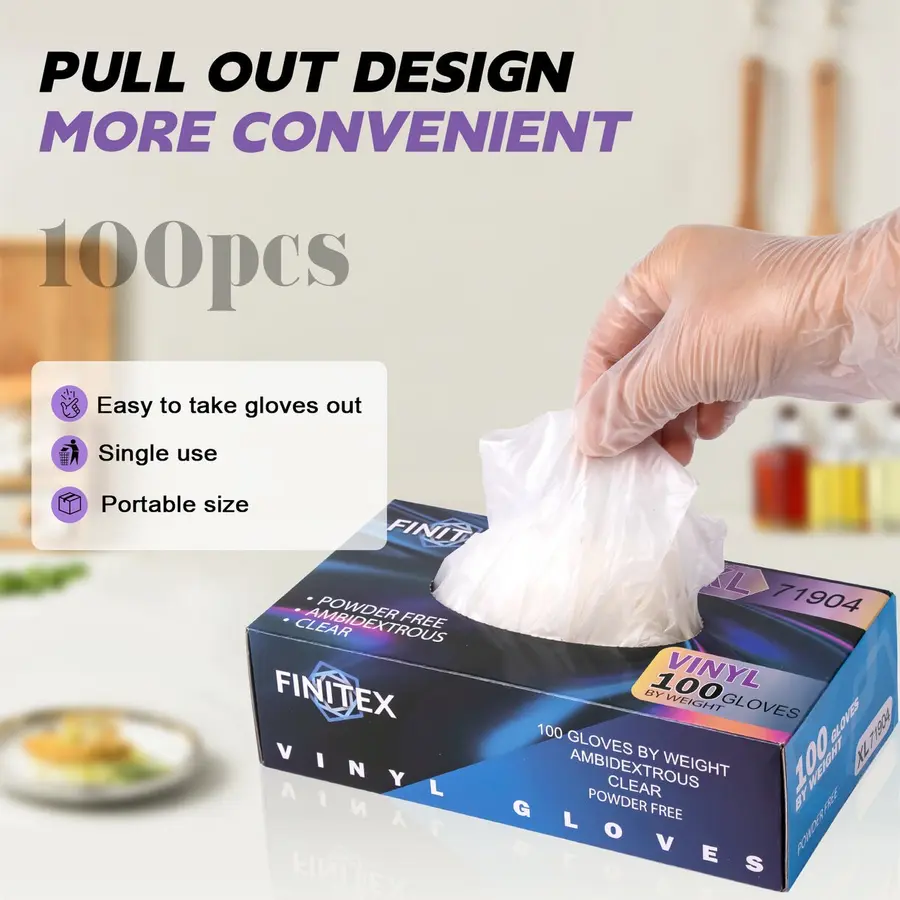
- Disposable, liquid-resistant gloves
- Eye protection; use a face shield if splashing is possible
- Disposable protective clothing or an apron if clothing may be contaminated
- Disposable paper towels or other absorbent material
- A suitable detergent or bathroom cleaner
- A disinfectant labeled for the surface and the type of contamination being addressed
- A sturdy leak-resistant bag or container for contaminated waste
- Tongs or another tool for picking up sharp objects without using your hands
- Hand soap and clean water
Open a window or use the bathroom exhaust fan if this is safe and the product label calls for ventilation. Keep children, pets, and anyone without protective equipment out of the room. Close the bathroom door or use another practical barrier, and leave the area undisturbed until it has been cleaned, disinfected, and allowed to dry.
Source: mobileimages.lowes
How to clean blood and bodily fluids from a bathroom
1. Inspect and isolate the area
Look around the obvious spill for splashes or droplets on nearby surfaces, including the toilet, floor, baseboards, lower walls, shower curtain, bath mat, and nearby fixtures. Do not touch the area with bare hands.
Remove unnecessary items from the room only if you can do so without spreading contamination. Set aside bathroom textiles and personal items that may have been affected. Do not shake towels, mats, or clothing, because that can spread contamination to other surfaces.
2. Put on protective equipment
Put on gloves before handling contaminated materials. Wear eye protection whenever splashing is possible, and add disposable protective clothing if your skin or regular clothing could be exposed. A face covering may be appropriate when directed by the product instructions or a professional, but it does not replace eye, hand, or clothing protection.
Check gloves for tears before use. Avoid touching your face, phone, door handles, faucet handles, and other clean items while wearing contaminated gloves. If a glove tears, stop, remove it safely, wash your hands, and replace it before continuing.
3. Remove visible contamination gently
Cover the spill with disposable absorbent towels or another suitable absorbent material. Work carefully from the outside toward the center when practical, and avoid vigorous scrubbing, spraying, splashing, or any method that could create droplets.
Pick up saturated towels with gloved hands and place them directly into the designated leak-resistant bag or container. Use tongs for broken glass, needles, blades, or other sharp objects. Never press contaminated waste down with your hands, and do not put loose sharps into an ordinary trash bag.
Cleaning products work less reliably when visible blood or body fluid remains on the surface. Remove that material first rather than applying disinfectant over a thick spill.
4. Clean the surface
After the visible material has been removed, wash the affected hard surface with detergent and water if the surface and product instructions allow it. This removes remaining soil and prepares the area for disinfection.
Use disposable towels when possible. If you use a reusable cloth or mop, it must be cleaned and disinfected appropriately afterward; otherwise, it can spread contamination to another room. Avoid using a household vacuum on wet contamination.
5. Disinfect according to the label
Apply a disinfectant that is labeled for the specific bathroom surface and follow its directions for application, contact time, ventilation, dilution, and rinsing. Keep the surface visibly wet for the required contact time; wiping it dry too soon can reduce the product’s effectiveness.
Some official cleanup procedures use a freshly prepared bleach solution for compatible hard surfaces, but bleach is not suitable for every material. It can damage colored fabrics, some metals, finishes, and other surfaces. Do not guess at a concentration or substitute one product for another. Follow the label or the instructions from your local health department or a qualified cleanup professional.
Never mix bleach with ammonia, acids, toilet bowl cleaner, vinegar, or another disinfectant. Mixing cleaning chemicals can create dangerous fumes. Use one product at a time, follow the label, and rinse only when the label directs you to do so.
6. Handle bathroom textiles carefully
Bath mats, towels, shower curtains, clothing, and other soft items require a separate decision. If an item is heavily saturated, cannot be cleaned thoroughly, or has contamination that has penetrated the material, ask a professional or follow local disposal guidance rather than placing it in the household laundry.
For washable items with limited contamination, avoid shaking them. Keep them separate from other laundry, follow the care label, and use the hottest appropriate wash and drying settings permitted by the material and the detergent instructions. Do not wash contaminated textiles with unrelated household items.
A fabric shower curtain liner or bath mat that cannot be cleaned completely may be safer to replace. Do not put a contaminated item back into use simply because the surface looks clean.
7. Remove PPE and wash your hands
Take off protective equipment carefully so the contaminated outer surfaces do not touch your skin or clothing. Remove gloves last among the items most likely to be contaminated, unless the equipment instructions specify another order. Place disposable PPE with the cleanup waste.
Wash your hands thoroughly with soap and water after removing gloves, even if the gloves appeared intact. Clean and disinfect any reusable eye protection, tools, or equipment according to their instructions. Wipe down door handles, faucet handles, switches, and other surfaces you touched with contaminated gloves.
What to do with contaminated waste
Waste rules vary by location and by the type and amount of contamination. Do not assume that a regular trash bag is acceptable for saturated materials, sharps, or waste from a serious incident. Keep the bag or container closed, leak-resistant, and away from children and pets while you obtain disposal instructions.
Contact your local health department, waste authority, or a biohazard cleanup provider when you are unsure. Never place needles, razor blades, or broken glass loose in a bag. A professional can tell you whether specialized packaging, pickup, or disposal is required.
Common mistakes to avoid
- Cleaning without gloves or eye protection when splashing is possible
- Scrubbing aggressively or spraying a spill into the air
- Applying disinfectant before removing visible contamination
- Mixing bleach with another cleaning product
- Using a mop, cloth, or vacuum and then putting it back into normal household use without proper decontamination
- Shaking contaminated towels or mats
- Touching phones, faucets, door handles, or your face with contaminated gloves
- Washing heavily contaminated textiles with ordinary laundry
- Leaving children, pets, or unprotected adults near the area
- Assuming that a surface is safe because it looks clean
For a small, limited spill on a compatible hard bathroom surface, a careful cleanup with protective equipment, absorbent disposables, detergent, and correctly used disinfectant may be reasonable. When the contamination is large, has spread, involves porous materials or sharps, or raises any doubt about safe handling, stop and call a biohazard cleanup professional.
References
- [PDF] Cleaning and Disinfecting: Blood Spills, Feces, Vomit and Other …. (n.d.). https://www.albertahealthservices.ca/assets/info/hp/phys/nor/if-hp-phys-moh-nz-school-cleaning-disinfecting.pdf
- Cleaning a Blood Body Fluid Spill. (n.d.). https://www.youtube.com/watch?v=LpotQ8OYlmw
- [PDF] Environmental Cleaning in Healthcare Facilities: - CDC. (n.d.). https://www.cdc.gov/healthcare-associated-infections/media/pdfs/environmental-cleaning-rls-508.pdf
- Proper Blood Clean Up. (n.d.). https://www.thesilverlining.com/safety-tips/proper-blood-clean-up
- How to Clean Up Blood Spills at Work: OSHA Standards. (n.d.). https://www.ehsinsight.com/blog/dealing-with-blood-spills-osha-standards-for-cleanup
- [PDF] Blood Contaminated Material Clean-up Standard Operating Procedure. (n.d.). https://ehs.wisc.edu/wp-content/uploads/sites/1408/2020/09/BloodContaminatedMaterialCleanUp.pdf
- Body Fluid Cleanup | Free Healthcare Bloodborne Pathogens Online Training Video | ProTrainings.com. (n.d.). https://www.protrainings.com/courses/bloodborne-pathogens/healthcare/videos/body-fluid-cleanup-procedures
- FACT SHEET - Cleaning Up Blood and Body Fluids. (n.d.). https://ehsweb.uky.edu/clean.html