How to Clean Chrome Taps Safely
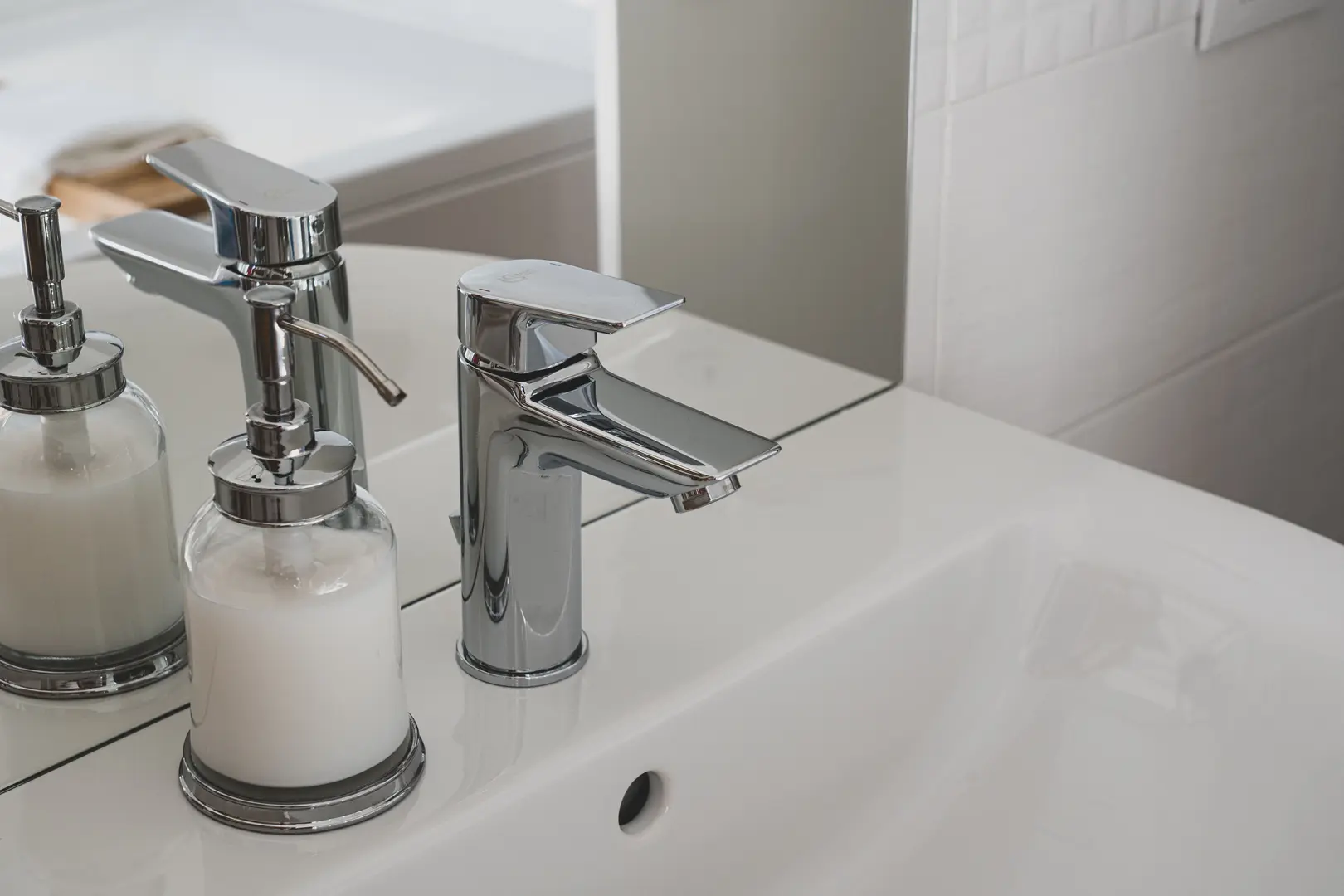
Chrome taps can quickly lose their shine when water marks, soap residue, grime and limescale collect on the surface. Fortunately, learning how to clean chrome taps does not require an extensive collection of specialist products. Regular wiping and a few gentle household cleaning solutions are often enough.
The main priority is to protect the chrome finish. Soft cloths and diluted cleaning solutions are preferable to rough materials or aggressive scrubbing. Starting with the mildest method also helps you avoid unnecessary cleaning products while keeping taps looking polished.
Wipe the Taps Frequently
Frequent wiping is one of the easiest ways to keep chrome taps clean. It prevents everyday dirt and residue from accumulating, reducing the need for more intensive cleaning later.
Keep a clean microfibre cloth nearby and wipe the taps whenever they begin to look marked. Pay particular attention to areas where water tends to remain, including:
- Around the base of the tap
- Beneath the spout
- Around handles and levers
- Along joints and edges
- Near the tap outlet
A dry microfibre cloth is suitable for light dust, fingerprints and fresh water marks. If the tap has visible dirt or soap residue, dampen the cloth before wiping it. Follow with a dry section of the cloth to remove remaining moisture and restore the shine.
Avoid rough cloths or abrasive cleaning materials. Chrome has a smooth, reflective appearance, so scratches and scuff marks can be noticeable. Scrubbing harder is not necessarily more effective; gentle, frequent wiping is a safer approach.
It also helps to wipe splashes away soon after using the sink, bath or shower. This simple habit stops residue from sitting on the finish and makes a full clean much easier.
Clean with Warm Soapy Water
Warm soapy water is a cost-effective starting point for routine chrome cleaning. Washing-up liquid and warm water can loosen everyday grime without requiring a specialist chrome product.
To clean the taps:
- Add a small amount of washing-up liquid to warm water.
- Mix the solution so that the soap is distributed through the water.
- Dip a soft cloth into the solution and remove excess water.
- Wipe the chrome gently, covering the spout, handles, base and other visible surfaces.
- Revisit any marked areas with the cloth rather than switching to a rough scrubber.
- Wipe away the soapy solution with a separate damp cloth.
- Finish with a clean, dry microfibre cloth.
Drying is an important finishing step because it removes water left behind during cleaning. It also allows you to buff the surface gently and bring back the reflective appearance of the chrome.
Warm soapy water is particularly useful for regular bathroom or kitchen cleaning. It can deal with general dirt, fingerprints and light residue before they become harder to remove. If a mark remains, move on to a more targeted method rather than applying force.
Make sure you clean the whole tap, not only the upper surface. Dirt often remains behind handles, underneath the spout and around the base. Fold the soft cloth around these areas and move it carefully back and forth. A toothbrush can be used later if the cloth cannot reach a narrow gap.
Polish Chrome with Baby Oil
Baby oil can help chrome taps maintain a clean, shiny appearance. It is particularly convenient for a quick mid-week polish when the tap does not need a complete wash.
Place a small amount of baby oil on a clean microfibre cloth rather than pouring it directly over the tap. Use the cloth to spread the oil lightly across the chrome. Work over the visible surfaces, then buff them with a clean section of the cloth.
Using only a light application makes the tap easier to polish. If the chrome still feels oily, continue buffing with a dry microfibre cloth until the excess has been removed.
Baby oil is best treated as a polishing step rather than the main way to remove dirt or limescale. If the tap is visibly dirty, clean it first with warm soapy water. Once the surface is clean and dry, baby oil can be used to improve its shine.
Keep the oil on the exterior chrome surfaces and wipe away any that reaches the sink, bath or surrounding area. The aim is to polish the tap neatly without leaving residue around it.
Remove Stains with Diluted Vinegar
Diluted vinegar provides a natural option when ordinary soapy water is not enough to remove visible stains. It is important to mix the vinegar with water rather than using it undiluted.
A spray bottle is helpful because it distributes the diluted solution across the tap, including curved and vertical sections. To use this method:
- Dilute vinegar with water in a clean spray bottle.
- Spray the mixture over the stained chrome.
- Wipe the surface gently with a soft cloth.
- Work the cloth around the base, handles and underside of the spout.
- Wipe the tap again with clean water.
- Dry and buff it with a microfibre cloth.
Spraying offers broad, even coverage, but avoid flooding the tap and surrounding surfaces. You only need enough solution to dampen the areas being cleaned.
For a concentrated mark, apply the diluted vinegar with the cloth and wipe the area gently. Do not compensate for a stubborn stain by using rough materials. Repeating a gentle cleaning pass is safer for the chrome than abrasive scrubbing.
The final wipe is also important. Remove the cleaning mixture rather than allowing it to remain on the tap, and use a dry cloth to finish. After cleaning, inspect the chrome from different angles because marks can be easier to see when light reflects off the surface.
Potential Risks of Chemical Cleaners
Strong chemical products are not always the best answer to a cleaning or plumbing problem. In particular, chemical drain cleaners should not be treated as a method for cleaning the exterior of a chrome tap.
People dealing with slow drains or other plumbing concerns sometimes rely repeatedly on chemical cleaners. In practice, these products may provide only temporary relief, masking the underlying issue instead of resolving it. Over-reliance can also lead to further damage.
Keep surface cleaning and plumbing maintenance separate. A stained tap may respond to warm soapy water, diluted vinegar or another gentle method in this guide. A recurring drainage or plumbing problem requires a different solution.
If an issue persists, a professional plumbing service may offer a more permanent resolution. Professional help generally costs more than a DIY attempt, but continuing to apply chemical drain cleaners may fail to address the real cause. Recognising that limitation can help you avoid using increasingly aggressive products around your taps and fittings.
When the concern is simply a marked chrome surface, begin with gentle cleaning and soft materials. Strong chemicals should not be the automatic next step when a mild method takes more than one pass.
Try Diluted Lemon Juice
Lemon juice can be used in much the same way as vinegar when chrome taps have visible marks. As with vinegar, dilute the lemon juice with water before applying it.
Dampen a soft cloth with the diluted mixture and wipe it over the chrome. Give stained areas focused attention while maintaining light pressure. The cloth should do most of the work; there is no need to use an abrasive pad.
A simple process is:
- Combine lemon juice with water.
- Apply the diluted mixture with a soft cloth.
- Wipe all marked sections of the tap.
- Use a toothbrush for narrow gaps if necessary.
- Wipe away the mixture with clean water.
- Dry the chrome thoroughly with a microfibre cloth.
The toothbrush is useful around seams, behind handles and near the base. Use gentle movements rather than forceful scrubbing, especially where the bristles touch visible chrome.
Diluted lemon juice is an alternative to diluted vinegar, not an essential extra stage. Choose one of the two methods based on what you have available. There is no need to apply multiple solutions when one has already cleaned the stain.
As always, finish by removing the cleaning solution. A clean, dry microfibre cloth helps prevent leftover droplets from spoiling the polished result.
Use a Toothbrush for Tight Spaces
Even a good microfibre cloth may not reach every part of a tap. A toothbrush can access narrow spaces where dirt and residue collect, making it a practical addition to the other cleaning methods.
Useful areas to target include:
- The join between the tap and its base
- Edges around handles or levers
- The underside of the spout
- Small joints in the tap body
- Narrow gaps that a folded cloth cannot reach
Use the toothbrush with warm soapy water, diluted vinegar or diluted lemon juice. Apply the chosen solution to the brush or the area, then move the bristles gently through the gap. The goal is to loosen dirt, not to scrub the chrome aggressively.
A toothbrush is most effective as a detail-cleaning tool. Clean the larger surfaces with a soft cloth first, then use the brush only where necessary. Once the tight spaces are clean, wipe the entire tap with a damp cloth to collect loosened residue.
Finish with a dry microfibre cloth. Run an edge of the cloth around the cleaned joins so moisture does not remain in areas that are difficult to see.
Set aside a toothbrush specifically for cleaning and keep it with your household cleaning supplies. Having one available makes it easier to deal with small areas before residue builds up.
Tackle Limescale with a Steam Cleaner
Stubborn limescale can be more difficult to remove than ordinary water marks or soap residue. A steam cleaner offers an effective approach when gentler wiping methods are not sufficient.
Direct the steam towards the affected area, following the instructions supplied with your steam cleaner. Pay attention to limescale around the tap base, spout and other places where deposits are visible.
After steaming, wipe the tap with a soft cloth. This removes the loosened residue and prevents it from remaining on the chrome. Use a toothbrush if softened material is still sitting in a tight joint, but keep the pressure light.
Complete the process by wiping the tap again and drying it with a clean microfibre cloth. Check the surface carefully and repeat only where deposits remain.
Steam cleaning does not replace regular maintenance. Frequent wiping and routine cleaning with warm soapy water can reduce the amount of grime that accumulates between deeper cleans. Reserve steam for stubborn limescale, then return to gentle, regular care to keep the chrome looking bright.