How to Clean Glass Shower Doors So They Stay Clear

Glass shower doors can transform a bathroom, giving it an open, airy feel. But keeping them spotless is another matter. Soap scum, mineral deposits, and hard water spots quickly turn a beautiful door into a cloudy mess.
You might have tried several cleaners and still wondered why the glass does not come clean. The answer often lies in choosing a product that matches the type of buildup and using the right technique. There is no single miracle solution. Instead, a combination of the right cleaner, gentle scrubbing, and regular maintenance keeps glass looking clear.
This article walks through practical methods for every kind of shower door. You will learn a baseline routine, specialized tricks for hard water, and the best ways to care for textured glass, tracks, seals, and hardware. With these strategies, you can keep your shower looking fresh and avoid the frustration of cloudy glass.
A Simple Routine for Cleaning Glass Shower Doors and Surrounding Walls
A consistent routine prevents buildup from getting out of hand. Start by spraying the glass thoroughly with a cleaner suited to the level of grime. Allow it to sit for a few minutes so it can dissolve soap scum.
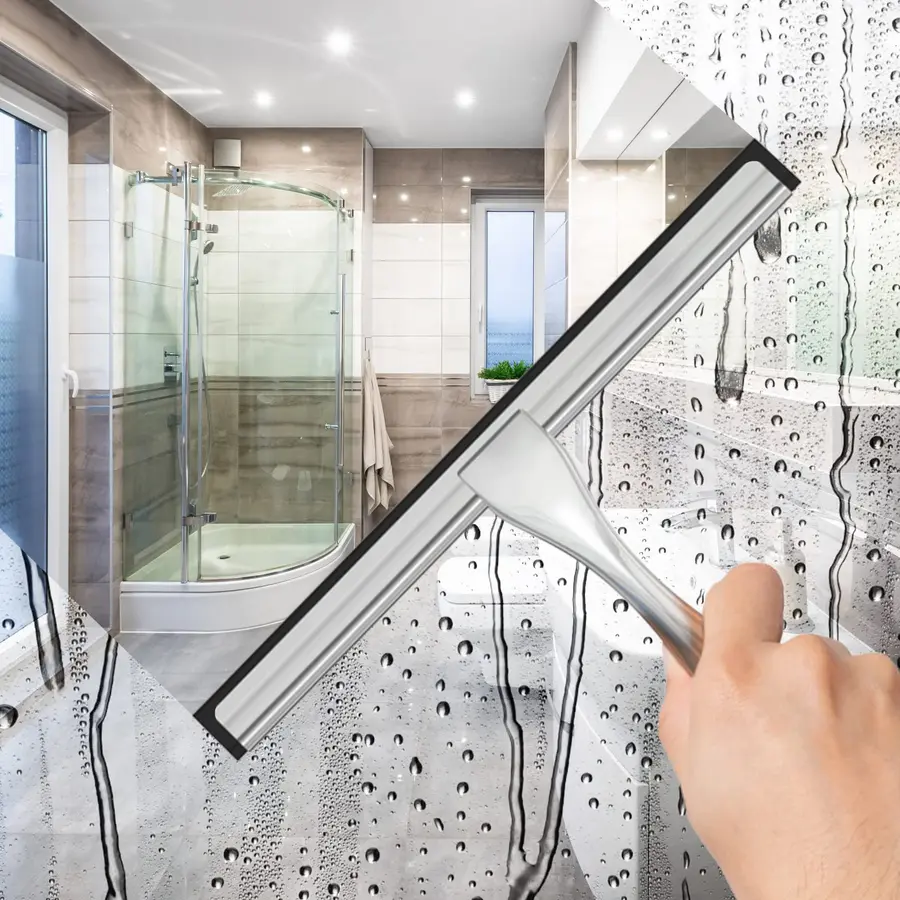
Scrub gently with a soft sponge or brush, then rinse completely. Rinsing is essential because leftover cleaner can leave new spots. Finish by drying the glass with a squeegee or a lint-free towel. Drying removes the water that causes hard water spots to form.
Skip harsh abrasives and abrasive scrubber pads. They can scratch glass and damage the surface, making it even harder to clean in the future.
Choosing the Right Cleaner for Glass Shower Doors
The right cleaner depends on the buildup you are fighting. Commercial soap-scum removers for shower glass are the strongest option. General bathroom cleaners work for light grime. Dish spray soap mixed with warm water cuts grease. Melamine foam sponges, used with water, offer gentle abrasion. DIY vinegar sprays are good for routine film.
Always follow the label directions. Some products need time to work, and others are not safe for certain metal finishes. Check the label to confirm the product is safe for your door’s hardware as well as the glass.
Many people are puzzled when glass sprays, wipes, dish soap, and all-purpose cleaners do not work. Hard water stains are a separate challenge. Ordinary cleaners are designed for everyday grime, while mineral deposits need a more targeted solution.
Why Everyday Spray Cleaners May Not Be Enough for Shower Glass
If you have already tried glass spray, disinfecting wipes, dish soap, and all-purpose cleaner without success, you are not alone. These products are meant for routine cleaning, not heavy buildup. Glass spray removes fingerprints. Disinfecting wipes kill germs but do not dissolve soap scum. Dish soap cuts grease but needs vigorous scrubbing. All-purpose cleaners lack the strength for layered mineral film.
The frustration is understandable. After months of trying different sprays and wipes, the door may still look cloudy. The problem is not your effort; it is a mismatch between the product and the type of dirt on the glass. Shower doors develop a layered film that combines soap scum with calcium and magnesium deposits from hard water.
Using a Razor to Remove Hard Water Stains from Glass Shower Doors
For hard water stains that remain after spraying and wiping, some users report good results with a razor blade. Start by spraying glass cleaner or a soapy solution on the door. The liquid keeps the blade lubricated and helps prevent scratches.
Hold a razor scraper at a low angle and glide it gently across the glass to lift mineral deposits. Move slowly and avoid pressing the blade firmly into the pane. Work in small sections and keep the glass wet. This is an anecdotal workaround rather than a guaranteed method, but it can remove what chemicals leave behind. Test it on a small area first and never use it on textured glass.
A Dish Soap and Cleaning Vinegar Spray for Stubborn Shower Glass
A professional housekeeping method mixes equal parts dish soap and cleaning vinegar. Use cleaning vinegar with at least 6 percent acidity for the strongest effect. Standard white vinegar is usually 5 percent, so check the label. Shake the mixture in a spray bottle and cover the glass generously. Let it sit for at least five minutes, then scrub and rinse.
This spray is one useful option, not a universal cure. A homeowner who tried a standard vinegar and dish soap mix still had hard water stains. The difference may come down to using a higher-acidity vinegar, a longer dwell time, or repeating the treatment. Try it as a stronger alternative to lighter cleaners.
DIY Natural Cleaners for Glass Shower Doors
Natural cleaners can handle shower glass without harsh chemicals. White vinegar and water, baking soda paste, lemon juice, and borax paste all work well. Acidic cleaners like vinegar and lemon juice dissolve soap scum and hard water film. Baking soda and borax add gentle abrasion.
Heavy buildup may need a longer dwell time or more scrubbing. Let the cleaner sit for ten to twenty minutes before you work, and rinse the glass completely afterward to avoid residue. These options are easy to mix with ingredients you probably already have. Keep a spray bottle of vinegar and water near the shower for quick touch-ups.
Textured Glass Shower Doors Need a Different Cleaning Approach
Clear glass is the easiest to clean because there are no grooves or hidden areas. Frameless and half-glass doors have fewer parts, so they require less effort. Textured, framed, and sliding doors need more attention because of the extra surfaces.
The number of parts and the surface area on your door determine how much maintenance it needs. Knowing your door type helps you plan the right cleaning routine. A large framed enclosure will naturally take longer than a small frameless door. Textured patterns add privacy but also create crevices that trap grime. This makes them more difficult to clean than smooth surfaces.
Why Textured Shower Glass Needs a Soft Brush
Rain glass and other textured patterns add privacy, but the texture collects soap scum and water spots in its crevices. A cloth simply glides over the surface and leaves the buildup behind.
A soft brush is the smarter choice. The bristles reach into the grooves and push cleaner where it needs to go. Choose a brush with soft bristles to avoid scratching the pattern. Avoid abrasive pads because they can dull the texture over time. For best results, brush in the direction of the texture pattern.
White Vinegar and Water Spray for Textured Glass
For textured glass, mix equal parts white vinegar and water. Warming the solution can help with heavy buildup. Spray enough liquid to soak the pattern, let it sit for several minutes, then scrub with a soft brush. Rinse with warm water to remove the loosened grime. The vinegar breaks down mineral film while the liquid reaches into the grooves. A soft brush helps the vinegar reach all the small indentations.
Applying a Baking Soda Paste to Textured Shower Glass
Baking soda paste is another good option for textured glass. Make a thick paste with baking soda and water, then spread it generously over the door. Let it sit for 15 to 20 minutes. Scrub the grooves with an old toothbrush and rinse thoroughly to remove all residue. The paste is thick enough to stay in the crevices while it softens buildup.
Choosing a Commercial Soap Scum Remover for Textured Doors
Choose a commercial soap-scum remover that is safe for textured glass. Follow the manufacturer’s instructions: spray, allow it to sit, scrub with a soft brush, and rinse completely. The brush is essential for working the cleaner into the pattern. Some products have strong fumes, so make sure the bathroom is ventilated. Rinse well to prevent residue from drying into new spots.
Hydrogen Peroxide and Baking Soda Paste for Stubborn Texture Spots
Mix hydrogen peroxide and baking soda into a runny paste for stubborn spots. The bubbling action helps carry the cleaner into the texture. Spread it over the glass and let it sit for about 30 minutes. Scrub gently with a soft brush and rinse. This method works well when other natural cleaners have not been strong enough.
Lemon Juice as a Natural Cleaner for Textured Glass
Lemon juice is a natural acid that works on textured glass. Apply it undiluted for the strongest effect. Let it sit before light scrubbing, then rinse thoroughly to remove the natural sugars. The citric acid in lemon juice cuts through film without adding harsh chemicals. Fresh lemon juice works better than bottled in most cases.
Cleaning Shower Door Hardware, Frames, Tracks, and Seals
Framed and sliding doors have more than just glass to clean. Hinges, handles, tracks, and seals collect grime and need regular attention. Trackless designs are easier, but seals still require cleaning.
Including these parts in your routine prevents dirt from building up in hidden spaces and keeps the whole enclosure looking fresh. Moisture tends to settle in these areas, so a quick wipe each time helps. Wipe down tracks and seals after every shower to avoid a weekly scrub.
How to Clean Sliding Glass Shower Doors and Framed Enclosures
Start with sliding doors and framed enclosures by vacuuming the tracks while they are dry. This removes loose hair and dust. A crevice tool on your vacuum works best for reaching into narrow tracks. Next, clean the glass edges where they meet the frame. Soak the tracks with hot water and vinegar or an all-purpose cleaner. For heavy buildup, let the vinegar soak for ten minutes before scrubbing.
Scrub the corners and joints with a small brush, then wipe and dry the tracks completely. Dry tracks prevent water marks and mildew.
Removing Mildew and Soap Scum from Shower Door Seals
The bottom seal keeps water in the shower but often develops mildew and soap scum. Clean it at the same time as the glass using the same cloth. Wipe both the bottom and side seals. Finish by going over them with a damp cloth to remove leftover cleaner. The seal is constantly damp, so it needs attention even if it looks clean. Use a cotton swab for the tight corners of the seal.
Caring for Metal Shower Door Hardware and Hinges
Wipe metal hardware with mild soap or a metal cleaner matched to the finish. Use a soft cloth to apply and remove the product. Wipe any cleaner smears off the glass. A light application of baby oil can help repel water spots on the hardware. Stainless steel and chrome each have specific care needs, so check the product label. Buff the hardware dry to avoid water spots.
Do not forget the hinges. They are easy to miss but benefit from the same regular care.
Simple Habits That Keep Glass Shower Doors Cleaner Longer
A daily squeegee after showering is the best habit for keeping glass cleaner longer. Smooth glass needs a quick weekly wipe-down. Textured glass benefits from more frequent spot cleaning. A monthly deep clean should include seals and hardware. These habits cut down on the amount of scrubbing you need to do later.
Better ventilation also matters. A bathroom fan or open window dries the shower faster, reducing the moisture that leads to buildup. This is especially important during humid months.