How to Clean Shower Door Hinges Without Damaging Them

Shower door hinges are easiest to clean when you treat them as delicate hardware rather than as part of the shower glass. Start with warm water, a small amount of mild dish soap, a soft microfiber cloth, and a soft toothbrush. Wipe away loose residue, gently brush around the hinge joints, rinse the cleaner off the hardware, and dry it thoroughly.
For limescale or heavier buildup, first identify the hinge finish and check the door or hardware manufacturer’s care instructions. Acidic cleaners, abrasive pads, and strong bathroom products can dull chrome, damage decorative finishes, or affect protective coatings. Never force a stiff door or remove the hinge or glass just to clean it.
What you need
- Mild dish soap or a pH-neutral bathroom cleaner
- Warm water
- Two clean microfiber cloths
- A soft toothbrush or other soft-bristled brush
- A small bowl
- Cotton swabs for narrow gaps, if needed
- A dry towel to protect the floor and catch drips
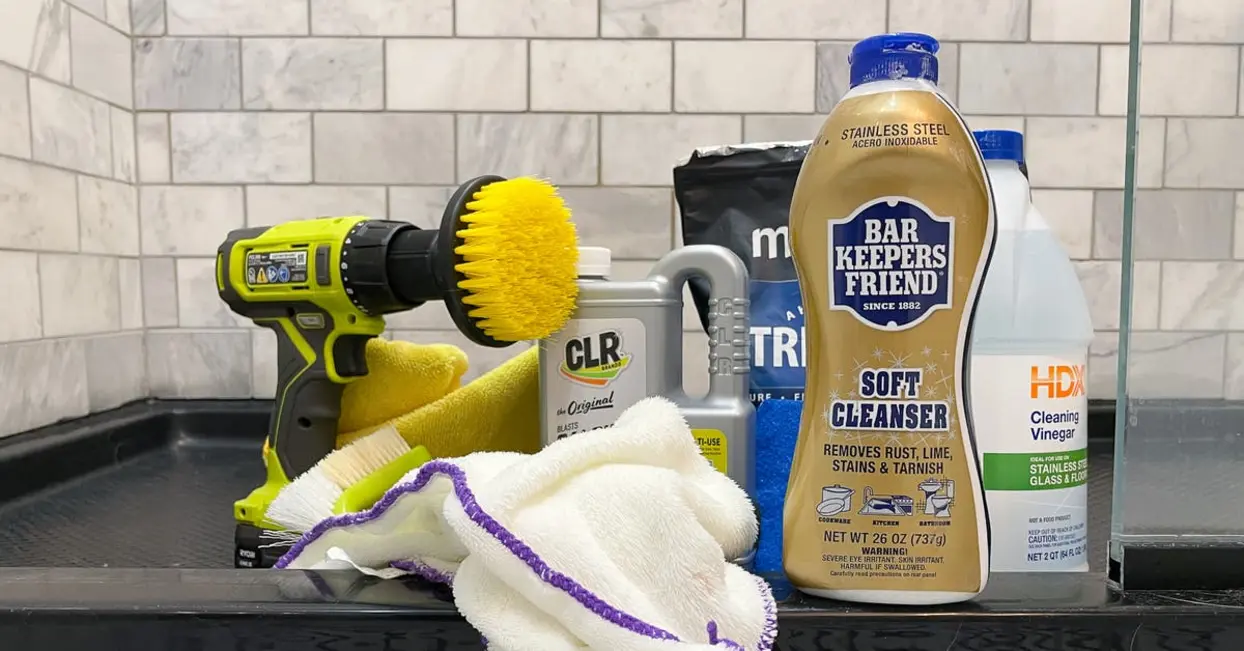
Avoid steel wool, scouring powder, rough sponges, razor blades, and stiff brushes. Keep cleaners intended for tile, grout, toilets, or drains away from the hinge unless the hardware manufacturer specifically approves them.
Source: cdn.thewirecutter
How to clean shower door hinges
1. Check the hinge and finish first
Look closely at the hinge before applying cleaner. Common finishes include chrome, stainless steel, polished or brushed brass, bronze, matte black, and other coated or plated surfaces. The correct method depends on the finish, and a hinge may not be made from the material its color suggests.
If you cannot identify the finish, use only mild soapy water on a hidden area first. Stop if the surface changes color, becomes cloudy, or develops a different sheen. For newer, custom, or unfamiliar hardware, the manufacturer’s instructions should take priority over general cleaning advice.
2. Remove loose dirt and water residue
Wipe the hinge and the nearby glass with a damp microfiber cloth. This removes loose soap residue and grit before you start brushing. Cleaning off loose particles first also reduces the chance of rubbing them across a polished or coated surface.
Do not spray cleaner directly onto the hinge. Apply it to the cloth instead. This helps keep liquid from running into the hinge joint, seal, wall connection, or the gap between the glass and hardware.
3. Wash with mild soapy water
Mix a small amount of mild dish soap into warm water. The water should feel lightly soapy, not heavily concentrated. Dampen a microfiber cloth, wring it out, and wipe all accessible sides of the hinge.
For seams, screw heads, corners, and the space around the hinge plate, use a soft toothbrush. Work gently and keep the door in its normal closed or supported position. Do not lean on the glass, lift the door, or push it beyond its usual range of movement while cleaning.
If residue remains, let the damp cloth rest against the area briefly and then wipe again. A few gentle passes are safer than pressing hard with an abrasive tool.
4. Rinse away the cleaner
Use a second cloth dampened with clean water to remove soap from the hinge and nearby glass. This step matters because cleaner residue can leave a film and may attract more dirt.
Pay particular attention to the glass around the hinge. A metal-safe cleaner can still leave visible streaks on glass, and a glass cleaner may not be suitable for every hardware finish. Keep the two surfaces clean with a controlled application rather than coating the whole area with spray.
5. Dry the hinge completely
Wipe the hinge with a dry microfiber cloth, including around the joint and the edges of the mounting plates. Use a cotton swab for small pockets of water if necessary.
The goal is to remove standing moisture rather than to make the hinge look polished with an oily product. Avoid leaving water trapped around screws, seams, or the hinge barrel. If the door remains wet after use, improve ventilation and make drying part of the regular shower routine.
How to remove limescale from shower hinges
White, chalky deposits are usually mineral buildup from hard water. Start with the mild soap-and-water method because some marks that look like limescale are actually soap residue.
If mineral deposits remain, check the care instructions for the specific finish before using a descaler or vinegar-based product. Acidic cleaners may be suitable for some uncoated surfaces but can damage or discolor plated, lacquered, coated, or decorative hardware. They may also affect nearby seals, stone surfaces, grout, or metal trim.
If the manufacturer allows a particular limescale remover, apply it to a cloth or cotton swab rather than flooding the hinge. Keep the product on the affected metal only, follow the product label, and rinse the area thoroughly afterward. Test first in a concealed spot. Do not combine acidic cleaners with bleach, ammonia, or other cleaning products.
A buildup that does not loosen with approved cleaning should not be scraped aggressively. Scratching the hinge can make future residue harder to remove and may expose the underlying metal or coating.
Finish-specific care
Chrome
Chrome is usually smooth and easy to wipe, but abrasive powders, rough pads, and harsh chemicals can scratch or dull it. Use mild soapy water and dry the surface after rinsing. If a chrome-safe cleaner is needed, confirm that it is intended for shower hardware rather than assuming a general bathroom cleaner is suitable.
Stainless steel
Use a soft cloth and wipe in the direction of the existing grain on brushed stainless steel. Avoid circular scrubbing, which can make the finish look uneven. Rinse away cleaner and dry the surface to reduce water spotting. Do not assume that every silver-colored hinge is stainless steel.
Brass, bronze, and gold-colored finishes
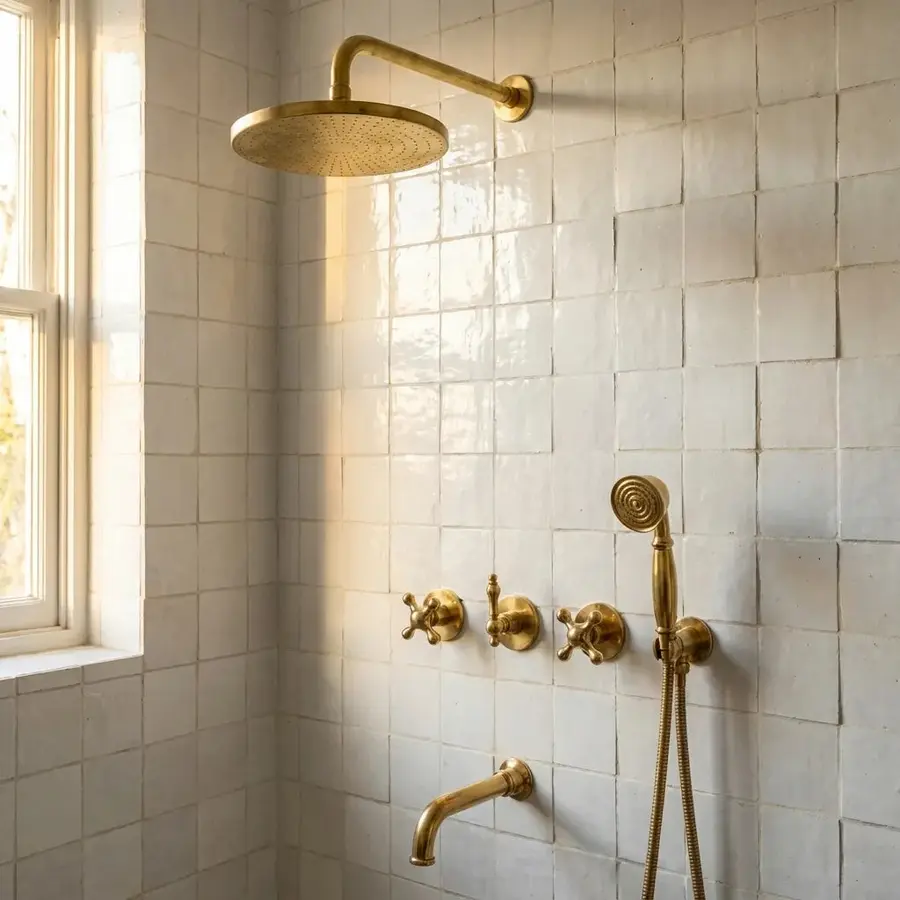
Decorative finishes may be plated, coated, lacquered, or made from solid metal. Use mild soap and water unless the manufacturer specifies another product. Avoid polishing compounds and acidic descalers unless they are explicitly approved for that finish. A product that restores uncoated brass may damage a protective coating or change the intended appearance of plated hardware.
Matte black and other coated finishes
Coated finishes can show scratches, streaks, and shiny spots when scrubbed. Use a soft cloth, light pressure, and diluted mild soap. Do not use abrasive pads or treat the surface with a metal polish unless the care instructions specifically permit it.
What not to do
- Do not use a razor blade or metal scraper on the hinge or nearby finish.
- Do not scrub with steel wool, scouring powder, or a rough sponge.
- Do not spray a large amount of cleaner into the hinge joint.
- Do not mix cleaning products.
- Do not force the door if it feels stiff or catches.
- Do not loosen hinge screws or remove the glass as part of routine cleaning.
- Do not use vinegar or another acidic cleaner on an unknown finish without checking compatibility.
- Do not leave the hinge wet after cleaning.
If the door is difficult to move, the glass appears shifted, the hinge is loose, or the hardware is cracked or corroded, cleaning may not solve the problem. Stop forcing the door and check the installation or manufacturer’s service guidance.
Shower door hinge maintenance
A short maintenance routine prevents most heavy buildup:
- Wipe visible water and soap from the hinge after showering when practical.
- Dry the hinge with a microfiber cloth during regular bathroom cleaning.
- Clean the hinge with mild soapy water before residue becomes thick.
- Inspect the hinge, screws, seals, and nearby glass for movement, cracks, or deterioration.
- Keep the shower ventilated so moisture can dry instead of remaining around the hardware.
The best frequency depends on water hardness, ventilation, how often the shower is used, and the hardware finish. A light weekly wipe is a reasonable starting point, with more frequent drying in a shower that develops spots quickly.
When cleaning is not enough
Cleaning can remove residue, but it cannot repair a damaged finish, worn seal, loose mounting point, or misaligned door. Contact the door manufacturer or a qualified glass-door service if the hinge is loose, the door sags, the glass is under unusual stress, the hinge leaks or grinds, or the door no longer closes normally.
For routine care, the safest approach is simple: use a mild cleaner, soft tools, controlled moisture, and gentle pressure. Clean the hinge without forcing the door, match any stronger product to the exact finish, and dry the hardware when you are done.
References
- How to safely remove and clean shower door hinge. (n.d.). https://www.doityourself.com/forum/cleaning-restoration-plus-mold-mildew-stain-removal/655835-how-safely-remove-clean-shower-door-hinge.html
- How to clean the hinges of hinged shower glass doors?. (n.d.). https://www.rexiindustries.com/blog/how-to-clean-the-hinges-of-hinged-shower-glass-doors-1722723.html
- How to Clean a Frameless Shower Door | Hardware-Safe Guide. (n.d.). https://www.dullesglass.com/blog/how-to-clean-a-frameless-hinged-shower-door-without-damaging-hardware
- The Ultimate Guide to Shower Door Cleaning & Maintenance. (n.d.). https://www.schickershowerdoors.com/ultimate-guide-shower-door-cleaning-maintenance
- The Secret To Crystal-Clear Shower Doors Cleaning Tips. (n.d.). https://www.facebook.com/cleanthatup/videos/the-secret-to-crystal-clear-shower-doors-glass-cleaning-cleaningtips-showerclean/2030877010800254
- How to Clean Shower Glass Doors & Remove Soap Scum | Re-Bath®. (n.d.). https://www.rebath.com/blog/how-to-clean-your-glass-shower-door-like-a-pro
- How to Clean Glass Shower Door | Tips for a Spotless Look. (n.d.). https://prlglass.com/blog/how-to-clean-my-glass-shower-door-and-keep-it-spotless
- The Best Way to Clean Glass Shower Doors!. (n.d.). https://www.youtube.com/watch?v=L5L0MbI9x4M