How to Pick the Perfect Shower Window for Your Bathroom
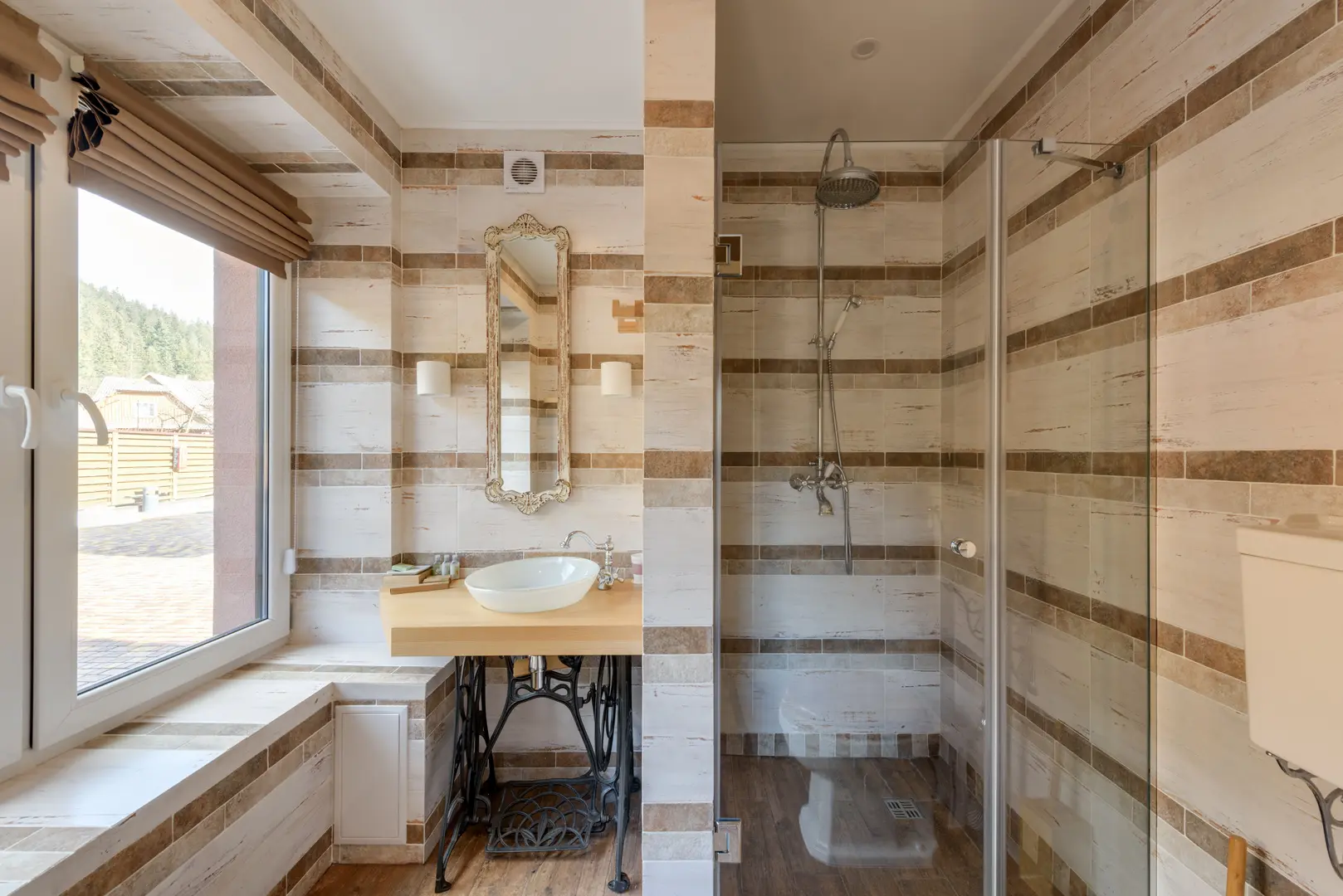
A shower window can change the entire feel of your bathroom. It brings in natural light, helps control humidity, and can turn a plain shower into a calming space. But choosing the right window is not as simple as picking the first one you see. The position, materials, and style all affect how well the window performs in a wet, steamy environment.
A thoughtful choice begins with your bathroom’s specific conditions. The wrong window can lead to privacy concerns, moisture damage, and uncomfortable drafts. A good one can improve the look of the space and make the shower more enjoyable every day.
Determine What You Require From Your Shower Window
Start by examining your bathroom layout and the available wall space. Room dimensions and shower placement determine which windows can fit and how they can be used. A large picture window may look beautiful in a spacious master bath, but it will not work in a narrow half-bath where the shower sits against the only exterior wall.
Space constraints narrow the options. If wall space is tight, a small awning or casement window may be the most realistic choice. For a corner shower, a transom window high on the wall may be better than a larger window centered above the faucet.
You should also define the window’s primary purpose. Do you want it mainly for daylight, so you can avoid turning on bathroom lights during the day? Do you need to vent steam after a hot shower? Or do you want a pleasant view while you bathe? A window meant mainly for privacy will need different glass and placement than one meant for maximum airflow.
Plan for Privacy Around Your Shower Window
Privacy is often the first concern when adding a window to a shower. Stand inside the shower area and check sightlines from outside. Look at neighboring homes, the street, and the driveway to understand which parts of the shower are visible. If the window faces a second-floor deck or an adjacent walkway, your privacy needs are different than if it faces a dense row of trees.
A window placed above outside eye level protects your modesty without covering the glass. Frosted glass is another practical option because it obscures the view from both sides while still allowing daylight through. If the shower has a nice view, a clear window with a higher sill can balance daylight and seclusion.
Window treatments are a common solution, but the operating style affects which treatments are practical. A casement window that cranks outward creates space challenges for shades and blinds. Awning windows make it difficult to hang coverings that must stay clear of the moving glass. If you plan to use blinds or a shade, choose a window style that works with those coverings, or select a treatment made for the window style, such as a tension shade mounted inside the frame for an inward-opening window.
Balance Daylight and Airflow in the Bathroom
Natural light is one of the greatest benefits a shower window can offer. A small bathroom can feel cramped and cave-like when it relies only on overhead lighting. Adding a window brings daylight into the space and helps you see soap scum and mildew on shower surfaces, so they are easier to clean.
Airflow matters just as much in a room that produces moisture. Hot showers fill the air with steam that settles on walls, mirrors, and windows. Without proper ventilation, that moisture can lead to peeling paint and mold growth. An operable window helps remove humidity and allows the bathroom to dry out faster after use.
When ventilation is a priority, the operating style becomes important. Awning windows open outward from the bottom, letting fresh air in while directing rain away from the opening. Casement windows open outward with a crank and are good at catching breezes. Both styles provide useful ventilation without compromising home security.
Match the Window to Your Bathroom’s Style
The shower window should feel like part of the room rather than an afterthought. Look at the existing decor and consider whether the bathroom leans modern, traditional, rustic, or somewhere in between. A sleek frame with clean lines suits a contemporary bathroom, while a wood-look frame can complement a farmhouse or rustic design.
Think about the frame finish in relation to the fixtures already in the room. A brushed nickel shower fixture pairs well with a similar metallic window frame. White vinyl frames work in almost any setting and blend easily with bathroom trim and paint. If the bathroom has exposed stone or natural wood, a frame that echoes those textures will make the window feel intentional.
The shape, number of panes, and frame color all contribute to the overall aesthetic. Take the time to select a window that fits visually as well as practically.
Select Durable, Moisture-Resistant Shower Window Materials
Shower windows live in the harshest environment of any window in the home. They are exposed to constant humidity, water splashes, and rapid temperature changes. The materials you choose must handle that environment without warping, rotting, or deteriorating over time.
Frame materials vary in moisture resistance. Some woods are naturally durable, but even a well-sealed wood frame needs regular maintenance in a shower. Vinyl and fiberglass frames resist moisture and require little upkeep. Aluminum frames also resist moisture, but they can transfer cold and heat more readily than other materials.
A frame that looks great but demands constant attention may not be the best choice for a busy household. A low-maintenance frame that stands up to steam and splash exposure makes long-term ownership simpler. Choosing materials built to handle moisture will save money and frustration later.
Choose the Right Glass for Your Shower Window
Not all glass is the same, and the type you choose greatly affects safety, comfort, and privacy in the shower. Tempered glass is a common choice for wet areas. When it breaks, it shatters into small, less hazardous fragments rather than dangerous shards, so it is much safer if something hits the pane.
Laminated glass offers another layer of protection. It has a layer of material between the panes that holds everything together if the glass breaks. It also reduces noise, which may be valuable if your bathroom is near a busy street.
Frosted glass blocks outside visibility while still allowing soft, diffused light into the shower. It obscures the view without making the room too dark, making it a popular way to meet privacy needs without window coverings.
For energy and comfort, double- or triple-pane glass traps air or gas between the layers, providing insulation and reducing heat transfer. This helps keep the shower area warmer in winter and cooler in summer. Multiple panes also reduce street noise.
A protective coating may be offered during installation. The coating can help water run off the glass and reduce soap scum and mineral buildup, making it easier to clean. If the window is hard to reach or you do not want to scrub often, the coating may be worth the extra cost. For a small, easy-to-access window, the added expense may be harder to justify. Ask exactly what the coating covers and how long it is expected to last.
Compare Frame Materials for Bathroom Humidity
Humidity can ruin a window frame that is not built for it. In the shower, the frame is constantly in the path of steam and splashes, so the material must withstand moisture without degrading.
Vinyl frames resist rot, chipping, and fading, and they do not need to be painted or sealed. Fiberglass frames also resist moisture and offer a stronger, more rigid feel. Aluminum frames are another moisture-resistant option, although they can become cold to the touch in cooler weather.
Warranty details deserve as much attention as the material itself. Check what the warranty covers and for how long. Some warranties cover both glass and frame, while others cover only certain parts. Understanding the warranty before you commit can protect you from unexpected repair costs if a sealed unit fails or a frame develops a problem.
Plan a Safe and Secure Shower Window Setup
A window in the shower should not compromise the safety of the people inside the home. Planning around weather risks, privacy, and ventilation helps create a secure and comfortable setup. A window that faces harsh wind or heavy rain needs glass that can handle impact and a frame that stays sealed under pressure.
Break-resistant windows also add security. A shower window can be an entry point for someone looking to gain access to the home. Tempered and laminated glass resist breaking more successfully than ordinary glass, making it harder for an intruder to shatter the pane and climb through.
A comfortable and secure placement supports relaxation. If the window leaves you feeling exposed or vulnerable, the shower stops being a calm retreat. Taking the time to think through placement and materials gives you peace of mind.
Use Tempered Glass for Extra Protection
Tempered glass is manufactured to withstand more force than standard glass and is less likely to break during daily use. The added strength helps protect against storms, flying debris, and accidental bumps while cleaning.
Its breakage pattern is especially important in a shower. If the pane does break, tempered glass crumbles into small, pebble-like fragments instead of long, sharp shards. That reduces the chance of serious cuts in a slippery space that can be hard to escape quickly. It adds protection without changing the look of the window or the amount of light that passes through.
Add Adjustable Privacy Options
Even with thoughtful placement, it can be helpful to adjust the level of privacy throughout the day. Blinds and shades give homeowners the flexibility to seal off the window when needed and open it up when privacy is less of a concern. This is especially useful for windows that face a street or a neighbor’s home.
Treatments should balance daylight with seclusion. A heavy light-blocking shade may provide privacy but leave the bathroom feeling dark. A sheer shade lets daylight in while softening the view from outside. Think about your daily routine: you may want maximum light in the morning and more privacy at night.
Make sure the covering works with the operating style of the window. A window that cranks outward or tilts in can interfere with a standard shower curtain rod or traditional hanging shade. Look for treatments designed for your window type, or choose a covering mounted on a track above the window.
Position the Window to Preserve Privacy and Safety
Where the window sits in the shower is almost as important as the glass and frame. A window placed too low can create privacy problems and make the room feel exposed. A higher placement keeps the shower area hidden from neighbors and makes the window less accessible from outside.
Awning and transom windows are strong choices for high-wall positions. Their designs fit naturally in the upper portion of a wall and can be opened or closed without being in the way. A transom window, often longer than it is tall, fits neatly above a shower or in a narrow strip of wall space. These styles allow light and air into the shower without putting privacy at risk.
Improve Energy Efficiency in the Shower Area
Windows are a major source of heat loss and heat gain in most homes. A poorly performing window can make the shower area feel drafty in winter and uncomfortably warm in summer. Energy-efficient windows reduce these effects, helping you maintain a steady, comfortable temperature in the bathroom.
A well-insulated frame and high-performance glass work together to keep the air near the window from turning cold. This matters in a shower, where cold air from a leaky window can make the space feel unpleasant. The right combination can also reduce condensation when warm, humid air meets a cold surface.
Energy-efficient windows can also help lower utility bills. When the interior temperature is more stable, the heating and cooling system does not have to work as hard. The savings may not be dramatic, but the difference can be noticeable over a year.
Choose Energy-Saving Glass and Frame Combinations
For an energy-smart shower window, double- or triple-pane glass with a Low-E coating is a reliable choice. Low-E glass has a thin, transparent coating that reflects heat while still allowing daylight through. This keeps the shower warmer in winter and reduces heat buildup in summer.
Argon gas between the panes adds another layer of insulation. Because argon is denser than air, it slows down heat transfer and improves the window’s R-value. This is an effective way to upgrade energy performance without changing the window’s appearance.
The frame material also matters. Vinyl frames reduce drafts and condensation because they have natural insulating properties. Aluminum frames are strong but conduct heat and can feel cold. Wood frames insulate well but require regular maintenance in a humid bathroom. Weigh these trade-offs to balance energy performance, cost, and maintenance.
Take Advantage of Daylight While Controlling Heat
Natural light is a free resource, and a well-placed shower window is an effective way to make the most of it. By allowing sunlight into the bathroom, a window reduces your reliance on artificial lighting during the day. This brightens the room and gives the shower space a more open, airy feeling.
Daylight also makes a small bathroom feel larger than it is. A dark, windowless shower can seem cramped, while a shower washed in natural light feels more spacious. If you have a small bathroom, a window is one of the most effective design tools you can use.
High-performance glass helps you take advantage of daylight without letting too much heat follow it. Low-E glass reduces the amount of ultraviolet and infrared energy that passes through, keeping the room cooler in summer. It also limits fading of nearby towels and shower curtains, so the bathroom looks its best longer.