How to Remove Rust From a Bathroom Towel Rail
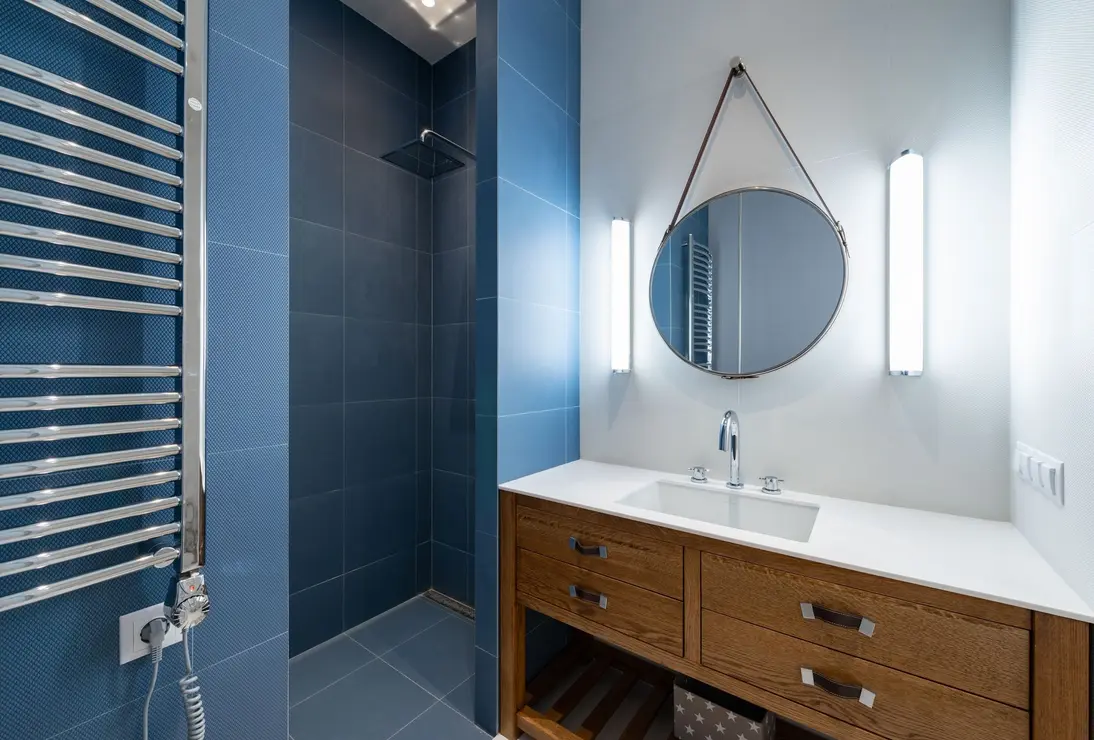
Rust on a bathroom towel rail is often removable when it is only a thin surface deposit. Start by identifying the rail’s finish, then clean it with mild soapy water and a soft microfiber cloth. For light rust on sound chrome, a diluted white-vinegar solution can help, but it should be applied to a cloth rather than sprayed directly onto the rail. Painted rails and many stainless-steel rails need a more cautious approach.
If the coating is blistering, flaking, deeply pitted, or rust is returning from a joint, cleaning may only hide a bigger problem. In those cases, replacement is usually more sensible than continued scrubbing.
Check the rail before cleaning
First decide whether you are dealing with removable surface rust or corrosion that has damaged the rail.
Light surface rust usually looks like:
- Orange or brown marks sitting on top of the finish
- Small spots around corners, brackets, or areas that stay damp
- A rail that is still smooth when you run a finger over it gently
More serious corrosion may look like:
- Blisters, bubbles, peeling, or flaking chrome or paint
- Rough pits or holes in the metal
- Rust emerging from a seam, screw, weld, or mounting point
- Dampness, staining, or leakage around a heated rail’s connection or valve
Do not aggressively scrub damaged plating or paint. Once the protective finish has failed, abrasive cleaning can expose more metal and make the problem worse. If the rail is heated, switch it off and let it cool before cleaning. For an electric rail, follow the manufacturer’s instructions for isolating it before using any damp cloth near controls or electrical connections.
[[IMAGE:finish-check]]
What you need
Gather only soft, non-abrasive materials:
- Warm water
- A few drops of mild dishwashing liquid
- Two clean microfiber cloths
- A soft-bristled toothbrush for corners
- White vinegar, if the finish manufacturer allows it and the rail is chrome or otherwise suitable for mild acid cleaning
- A clean towel to catch drips and dry the rail
Check the care instructions supplied with the rail if you have them. Finishes vary, and the manufacturer’s cleaning guidance takes priority, especially for painted, plated, heated, or coated rails.
How to remove rust from a bathroom towel rail
1. Remove dust and bathroom residue
Place a towel beneath the rail to catch drips. Wipe the bars, brackets, and corners with warm water containing a small amount of mild dishwashing liquid. This removes surface grime that can make rust harder to see and prevents you from rubbing dirt across the finish.
Use a soft toothbrush for narrow gaps, but do not force it into electrical parts, valves, or seals. Wipe away the soapy residue with a clean damp cloth.
2. Dry the rail and inspect the rust
Dry the rail thoroughly with a clean towel. Look closely at the affected areas. If the marks have disappeared with ordinary cleaning, there may not be active rust at all; bathroom residue or discoloration can sometimes look similar.
If the surface is still smooth and the rust is limited to small spots, continue with the method for the rail’s finish below.
3. Use the gentlest suitable rust treatment
Chrome towel rail
For sound chrome, mix equal parts water and white vinegar in a bowl. Dampen a microfiber cloth with the solution and wipe the rusty area. Keep the application controlled rather than spraying the rail, particularly near wall connections, brackets, switches, or the floor.
Allow the damp cloth to contact the mark briefly while you work gently, then wipe with a clean water-dampened cloth. A soft toothbrush can help with corners and around the edges of fittings. Do not use force to remove marks that do not lift easily.
Some care instructions also mention aluminum foil or fine polishing materials for chrome, but these can introduce scratching or finish damage when used carelessly. Avoid steel wool, scouring pads, abrasive powders, and rough household sponges if protecting the chrome is the priority.
Stainless-steel towel rail
Begin with warm soapy water and a microfiber cloth. Wipe in the direction of the steel’s existing grain, if one is visible, then rinse the cloth and remove residue. Dry immediately.
For remaining rust, use only a stainless-steel cleaner or mild rust treatment that the rail manufacturer says is suitable. Stainless steel is not a single finish, and a product that is acceptable for one surface may dull, stain, or mark another. Do not use chlorine bleach, steel wool, or an abrasive pad. Do not leave acidic cleaner sitting on the surface.
Painted towel rail
Use warm water, mild dishwashing liquid, and a soft cloth only unless the manufacturer specifically approves another product. Test any cleaner first on a hidden area. Vinegar and abrasive rust removers can dull paint, soften some coatings, or expose the metal underneath.
If rust has broken through the paint, wiping may remove loose residue but will not restore the protective coating. Follow the manufacturer’s repair instructions, or replace the rail if corrosion is spreading or the coating is lifting.
4. Rinse and dry completely
After the rust has lifted, wipe the rail with a clean cloth dampened with plain water to remove cleaner residue. Dry every bar, corner, bracket, and underside with a fresh towel.
This step matters because leaving water or acidic cleaner on the surface can contribute to further discoloration or corrosion. Pay particular attention to joints and areas where the rail meets the wall.
5. Add simple protection
Once the rail is clean and fully dry, keep it dry between bathroom uses. Improve ventilation if condensation regularly settles on the rail, and avoid leaving wet towels bunched tightly against rusty areas.
Do not coat the rail with oil, wax, or an unapproved polish. These products may attract dust, make the surface slippery, or interfere with the finish. If the manufacturer recommends a particular protectant, use that product according to its directions.
Products and tools to avoid
Avoid anything that can scratch, strip, or react with the finish:
- Steel wool and metal scouring pads
- Abrasive powders and aggressive cream cleaners
- Rough sponges or stiff brushes
- Strong acids or undiluted acidic products
- Chlorine bleach, unless the manufacturer expressly permits it
- Mixing vinegar with other cleaners
- Spraying liquid directly onto electrical controls, wall connections, or heated-rail fittings
- Scraping rust with a blade or other hard edge
A stronger cleaner is not necessarily a safer or more effective cleaner. Stop if the finish starts to dull, change color, peel, or feel rough.
When should a rusty towel rail be replaced?
Replace the rail, or ask the manufacturer or a qualified professional for advice, when:
- Chrome or paint is flaking over a large area
- The metal is deeply pitted, cracked, or perforated
- Rust keeps returning from a joint or mounting point
- A heated rail shows signs of leakage or damage near a connection
- The rail becomes loose or its mounting hardware is deteriorating
- You cannot identify the finish or cleaning instructions
Surface rust can be cleaned, but it cannot repair missing plating, failed paint, weakened metal, or a damaged heated connection. If there is any doubt about an electric rail, stop cleaning around the connection and use the manufacturer’s instructions or qualified help.
Keeping rust from coming back
Dry the rail after cleaning, keep bathroom moisture under control, and check the underside of bars and mounting points occasionally. Deal with dripping towels, leaks, and persistent condensation rather than repeatedly treating the rust. Regular gentle cleaning is safer for the finish than waiting until deposits require vigorous scrubbing.
The safest approach to towel rail rust removal is simple: identify the finish, start with mild soap and water, use a controlled treatment only when appropriate, and stop when corrosion has damaged the rail rather than just staining it.
References
- How to remove rust from a chrome towel rail/radiator | Kartell UK. (n.d.). https://kartelluk.com/howtoremoverust
- Foil and ketchup are the secret cleaners that remove rust from towel rails and take just 30 minutes. (n.d.). https://www.goodhousekeeping.com/uk/house-and-home/household-advice/a69273735/rusty-towel-rails
- How to Clean Rust from Chrome and Painted Towel Rails. (n.d.). https://companyblue.co.uk/blogs/news/how-to-clean-rust-from-chrome-and-painted-towel-rails
- How to Care for Heated Bathroom Towel Rails. (n.d.). https://bathrooms.com/blogs/articles/care-for-heated-towel-rails
- How do you get rust off chrome towel rail, I have tried pink stuff and …. (n.d.). https://www.facebook.com/groups/387981432375737/posts/1118041092703097
- How do I clean rust off of this bathroom towel rack? - Hometalk.com. (n.d.). https://www.hometalk.com/diy/clean/bathroom/q-how-do-i-clean-rust-off-of-this-bathroom-towel-rack-38901854
- Heated Towel Rail Maintenance: Cleaning and Bleeding Tips. (n.d.). https://www.ultrabathroom.com/blogs/hub/heated-towel-rail-maintenance-cleaning-and-bleeding-tips
- How do people clean chrome heated towel rail ? Thanks - Facebook. (n.d.). https://www.facebook.com/groups/387981432375737/posts/507380343769178