How to Shorten a Shower Curtain Without Sewing
A shower curtain that reaches the floor or bunches inside the tub can usually be shortened without sewing. The simplest options are to fold and secure the excess fabric, apply fusible hemming tape to a fabric curtain, or trim a vinyl liner and finish the edge carefully.
The important part is measuring the finished drop before cutting. Measure from the point where the curtain hangs—not the top of the rod—to the tub or shower floor. Leave enough curtain inside the wet area to contain water, but avoid letting the bottom pool, drag, or sit heavily on the floor.
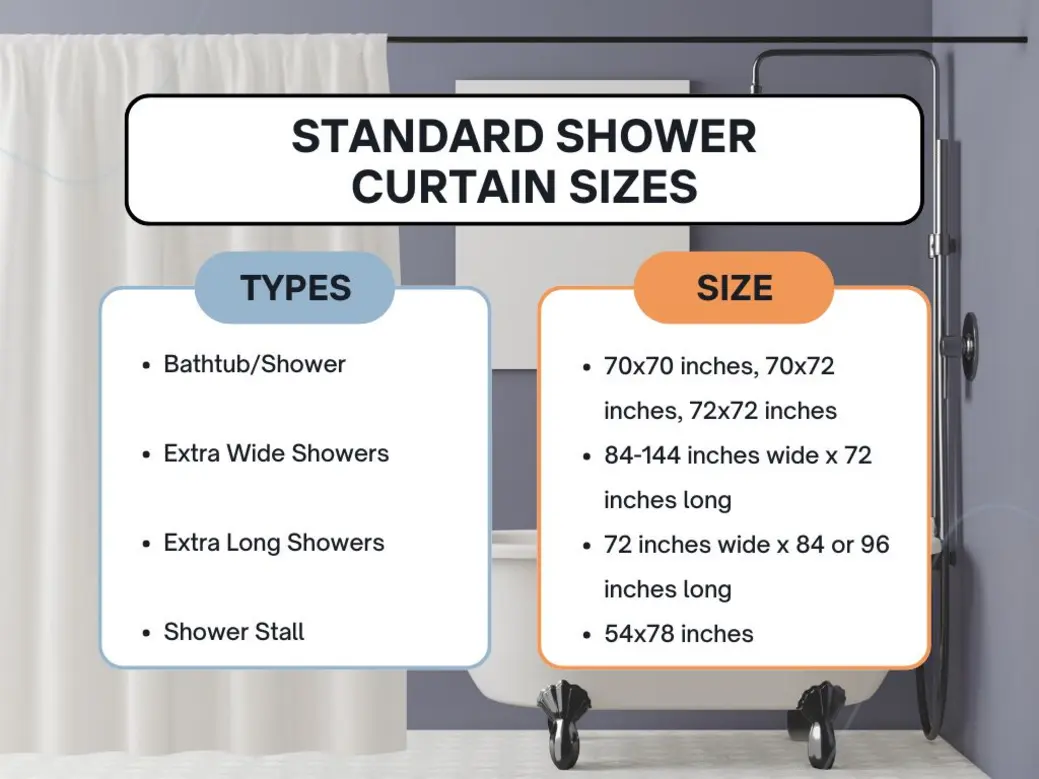
Source: cdn.homedit
Choose the right no-sew method
The best method depends on the curtain material and whether you want a permanent or reversible adjustment.
- Fabric curtain: Fusible hemming tape gives the neatest finished edge. A folded hem secured with clips or small safety pins is easier to reverse.
- Vinyl liner: A simple trim is usually more practical because vinyl does not need a traditional fabric hem. Use sharp scissors and make a straight cut.
- Small adjustment: Folding the extra length upward avoids cutting and lets you change the length later.
- Large adjustment: Cutting and creating a new hem usually looks cleaner than making a very deep fold.
Do not use a hot iron directly on vinyl. Heat can distort the material or leave a permanent mark. If your curtain has a fabric face with a waterproof coating, check the care label and test any adhesive or heat method on an inconspicuous area first.
How to shorten a fabric shower curtain with hemming tape
Fusible hemming tape, sometimes called iron-on fabric tape, bonds a folded fabric edge when heated according to the product instructions. It is best for a fabric shower curtain that is too long but otherwise fits the bathroom well.
1. Wash and dry the curtain if appropriate
If the care label allows washing and drying, clean the curtain before altering it. Fabric can change slightly after laundering, and measuring before the first wash may leave you with a different finished length later. If the curtain should not be machine dried, follow its care instructions and let it dry completely.
2. Measure the finished drop
Hang the curtain from its actual rings or hooks. Measure down to the point where you want the bottom edge to finish. For a tub, the curtain should still extend into the tub enough to help direct water inward. For a shower with a flat floor, keep the bottom from dragging or forming a puddle on the floor.
Mark the desired finished edge across the curtain with fabric chalk or a washable marking tool. Make several marks across the width, then connect them with a ruler or straightedge while the curtain is laid flat. Avoid relying on a single mark at one side; a slightly uneven line will be obvious after hanging.
3. Decide whether to fold or cut
For a modest adjustment, fold the extra fabric upward toward the back of the curtain. This avoids creating a raw edge and is the most forgiving approach.
If the excess is substantial, mark a separate cutting line below the finished edge. Leave enough material for the folded hem recommended on the hemming tape package. Cutting directly at the finished edge leaves no fabric to turn under.
4. Create the hem
Fold the bottom edge upward along the finished line and press the fold gently if the fabric and care label permit it. Place the hemming tape inside the fold, not on the visible front of the curtain. Work in short sections so the fold remains straight.
Cover the area with a pressing cloth if the tape instructions call for one, then apply the specified heat and pressure. Do not slide the iron around unless the product directions say that you can. Let each section cool before moving the curtain. The bond strengthens as it cools and sets.
5. Check the result while hanging
Rehang the curtain and look at the bottom edge from several angles. Check that it falls evenly and that the new hem does not pull the sides upward. If the curtain is paired with a liner, confirm that the liner and outer curtain still overlap in the wet area.
How to shorten a curtain without cutting it
A fold-up adjustment is useful in a rental or when you are unsure about the final length. Lay the curtain flat, fold the excess toward the back, and secure the fold with one of these options:
- Small curtain hem clips or fabric clips
- Safety pins placed on the back side of the fold
- Temporary fabric fasteners designed for the curtain material
Keep clips and pins away from areas that rub against the tub or could scratch a finished surface. Use enough fasteners to prevent the fold from sagging between attachment points, but do not stretch the fabric tightly. Hang the curtain before making the adjustment permanent so you can check the drop.
This method is reversible, but it may create a thicker band at the bottom. Patterned fabric can hide the fold better than a plain, lightweight panel. Clips may also be visible from the bathroom side, so they are most suitable as a practical adjustment rather than a polished finish.
How to shorten a vinyl shower liner
Vinyl liners do not fray like woven fabric, so a carefully trimmed edge may be all you need. Remove the liner from the rod, lay it flat, and mark a straight cutting line. Use a long ruler or straightedge and sharp scissors to avoid a jagged edge.
Trim a small amount at a time, then hang the liner and check it again. The bottom should remain inside the tub or shower area far enough to contain splashes. Do not shorten it so much that water can escape beneath the liner or around its sides.
If the liner has weights, magnets, or a reinforced bottom edge, cutting may remove those features. In that case, folding the excess upward or using a different liner may be more practical than trimming. Avoid applying heat to vinyl, and do not assume fabric hemming tape will bond reliably to a smooth waterproof surface.
Avoid these common mistakes
Measuring to the wrong place
Measuring from the ceiling, the top of the rod, or the room floor can produce the wrong shower curtain length. Measure from the curtain’s hanging point to the tub or shower floor instead.
Cutting before checking the hang
Curtain rings and hooks affect the finished drop. Hang the curtain first, mark the target length, and make a temporary fold before cutting or applying adhesive.
Making the curtain too short
A neat appearance is not worth creating a gap at the bottom or sides. Check the curtain with the liner in its normal position and make sure the wet area remains covered.
Using fabric methods on vinyl
Fusible tape and an iron are intended for compatible fabrics. Vinyl can warp under heat, and some adhesives may not adhere well to its coated surface.
Ignoring the care label
High heat, aggressive adhesive, or repeated washing can damage some curtain fabrics and coatings. Follow the curtain’s care instructions and test any permanent method before working across the full width.
Which method should you use?
Choose hemming tape when you want a clean, fairly permanent finish on a fabric curtain. Choose a fold with clips or pins when you want a reversible adjustment or only need to shorten the curtain temporarily. Choose careful trimming for a plain vinyl liner when its bottom edge has no feature you need to preserve.
Whichever method you choose, rehang the curtain before considering the job finished. The correct shower curtain length is the one that looks orderly while still keeping the bottom and sides positioned to contain water.
References
- American Express. (n.d.). https://joeyzshopping.com/blogs/news/how-to-shorten-curtains-without-sewing
- How To Shorten A Shower Curtain | Storables. (n.d.). https://storables.com/furniture-and-design/bathroom-accessories/how-to-shorten-a-shower-curtain
- No Sew Extra Long Shower Curtain - Coastal Kelder. (n.d.). https://coastalkelder.com/2020/07/26/no-sew-extra-long-shower-curtain
- Hemming curtains without cutting or sewing. (n.d.). https://www.facebook.com/groups/wavenetworking/posts/554475120731482
- How to shorten a shower curtain in a camper without …. (n.d.). https://www.facebook.com/groups/roadtreking/posts/3178597915632499
- Making a Shower Curtain. (n.d.). https://www.sewing.org/files/guidelines/8_160_making_a_shower_curtain.pdf
- The Easiest (No Sew) Way to Hem Curtains Tutorial - Pine and Prospect Home. (n.d.). https://www.pineandprospecthome.com/the-easiest-no-sew-way-to-hem-curtains
- How to Hem Curtains Without Sewing - The Homes I Have Made. (n.d.). https://thehomesihavemade.com/how-to-hem-curtains-without-sewing