How to Stop a Bath Pillow from Slipping
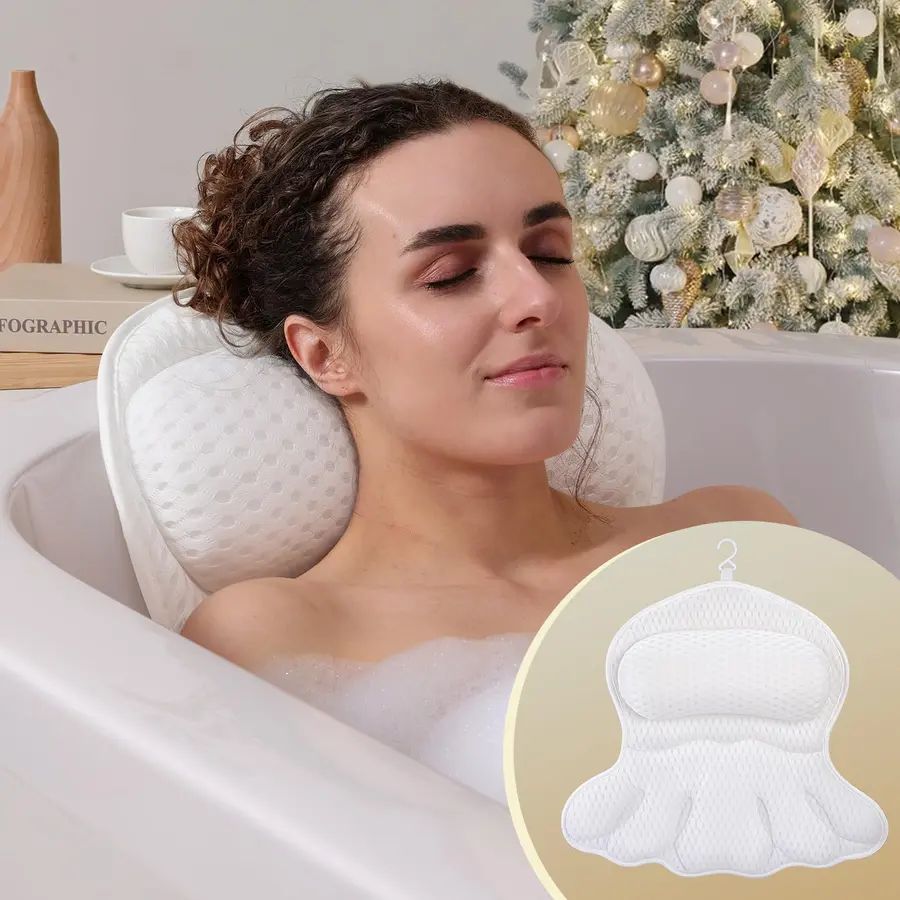
A bath pillow usually slips because the suction cups are working against soap film, water, an uneven tub surface, or the wrong position. To stop it, clean and dry the area, press each suction cup firmly onto a smooth surface, place the pillow where your head and shoulders will not push it downward, and check that the pillow is suitable for your tub finish.
If the pillow still slides after those steps, the problem may be the tub’s texture or slope rather than the pillow itself. In that case, repositioning or replacing the pillow is generally safer than adding glue, tape, or other permanent fixes.
Why a bath pillow keeps sliding
Several small factors can reduce grip at the same time:
- Soap, oil, or bath-product residue: A clean-looking tub can still have a thin film that prevents suction cups from sealing.
- Water between the cup and tub: A wet tub is not always a problem, but water trapped under a cup can keep it from making firm contact.
- A textured or curved surface: Suction cups work best on smooth, relatively flat areas. Some tubs have molded textures, ridges, seams, or pronounced curves.
- Incorrect placement: If the pillow sits too low, your head may press it toward the bottom of the tub instead of into the sloped backrest.
- Body movement: Shifting, reclining, or lifting your head can pull the pillow away from the tub repeatedly.
- Worn suction cups: Cups that are bent, cracked, stiff, or permanently misshapen may no longer create a reliable seal.
The first step is to identify which of these conditions is present. A pillow that grips when empty but slips as soon as you lean back is usually dealing with placement, body pressure, or a surface that cannot support the load.
How to make a bath pillow stay in place
1. Clean the tub and the suction cups
Remove the pillow and wash the contact area with warm water and a small amount of mild bathroom cleaner or dish soap. Rinse thoroughly so no cleaner remains. Wipe away soap film, bath oil, lotion, and mineral residue, then dry the surface with a clean cloth.
Clean the suction cups as well. Dirt around the rim can prevent a full seal. Rinse them and check that each cup is flexible and free of hair or residue.
Avoid using abrasive pads or aggressive scrubbing on the tub. They can alter the surface and may make future suction less dependable. Follow the tub and pillow manufacturers’ cleaning instructions when available.
2. Choose the smoothest suitable contact area
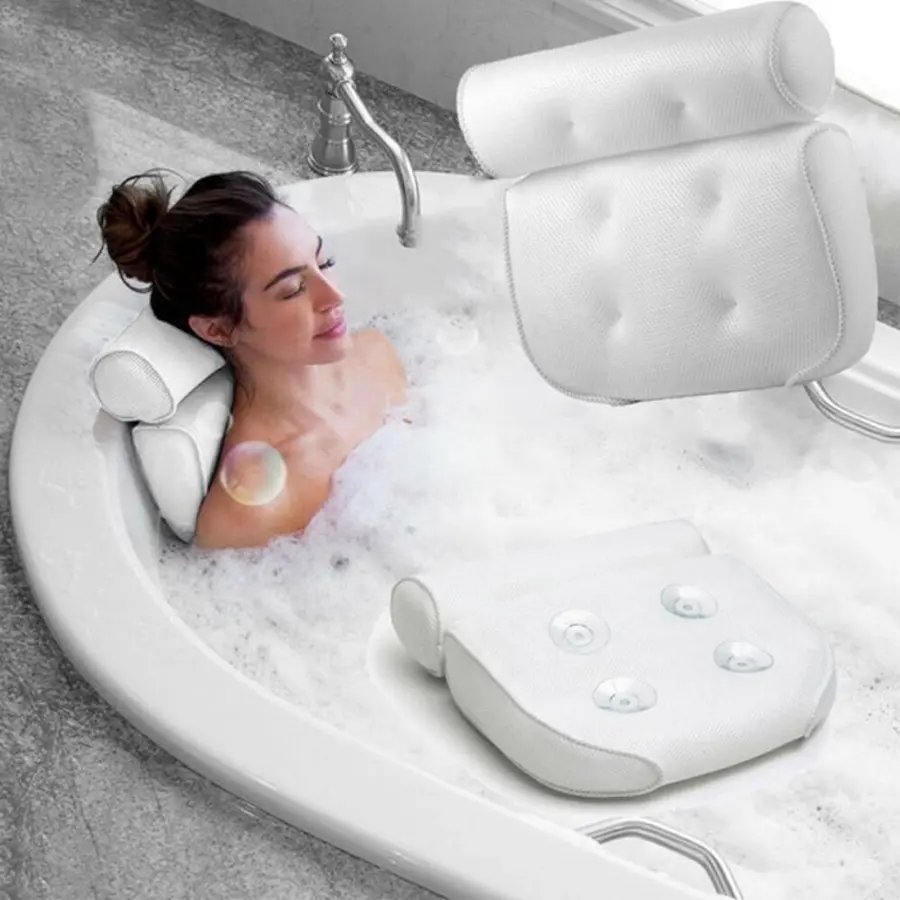
Look at the back of the pillow and note where its suction cups are located. Position those cups against a smooth part of the tub rather than over a textured section, molded pattern, seam, drain opening, or edge.
A bath pillow may work well on one part of a tub and poorly on another. If the tub has a textured floor or backrest, move the pillow to a smoother area if the design allows it. Do not force the pillow into a position that bends it sharply or leaves your neck unsupported.
3. Press each suction cup into place
With the surface clean and dry, place the pillow where you want it. Press each suction cup firmly from its center toward its rim so trapped air can escape. Give the cups a moment to settle before leaning back.
Do not simply push the pillow against the wall as a whole. A cup that has not sealed can look attached while releasing as soon as weight is added. Check the edges of the cups for gaps or curled rims.
If a cup is slightly distorted from storage, gently warming it with your hands and reshaping it may help it lie flat. Do not use high heat, which can damage the material or the tub.
4. Adjust the height and angle
The pillow should support your head and upper neck without being pushed down by your body. If it is too low, your head may slide over it and drag the pillow with you. If it is too high, the pillow may press against an awkward curve or leave your neck unsupported.
Try moving it slightly upward or downward in small increments. Then recline gradually and notice whether the pillow moves when your shoulders make contact. The best position is the one that keeps your head aligned with the pillow while allowing your back to rest naturally against the tub.
5. Reduce movement while settling in
Lower yourself into the tub slowly instead of dropping your shoulders onto the pillow. Avoid pulling the pillow into position after your head is already resting on it. That motion can break the suction seal.
If you change position often, a suction-cup bath pillow may not be the best match for your routine. A pillow with a broader back, integrated support, or a different attachment design may distribute pressure more evenly. Use the product only as its design permits, and do not add straps or hardware that could damage the tub or create an uncomfortable edge.
Source: i5.walmartimages
What to do when bath pillow suction cups are not working
Test the cups one at a time. If none of them sticks to a clean, smooth area, inspect the cups for damage and confirm that the pillow is intended for that type of surface. Some tub finishes are simply too textured, porous, curved, or uneven for dependable suction.
If only one or two cups release, those cups may be warped or positioned over an unsuitable area. Reposition the pillow so all of the cups have similar contact. If a cup is cracked, hardened, or no longer returns to its original shape, replacing the pillow is more practical than trying to repair the cup.
Do not use glue, double-sided tape, adhesive hooks, or sealants unless the pillow’s manufacturer specifically approves them for the product and tub surface. These additions may leave residue, damage the finish, or make the pillow harder to remove cleanly.
Does a wet tub make a bath pillow slip?
Water can contribute to slipping, especially when it is trapped beneath the suction cups or mixed with soap and oil. A lightly damp surface may still allow a cup to seal, but standing water and residue make the grip less predictable.
For the most consistent placement, clean the contact area, remove excess water, and attach the pillow before filling the tub. Once attached, check the pillow again after water reaches it. If the cups release when the tub fills, the pillow may be contacting a curved or textured area, or the water may be getting behind the cups.
When to replace the bath pillow
Consider replacing the pillow when:
- The suction cups are cracked, permanently curled, or stiff.
- The cushion has lost its shape and no longer supports your head evenly.
- The pillow repeatedly slips from a clean, smooth surface.
- Mold, odor, or residue remains after normal cleaning.
- The tub surface is incompatible with the pillow’s attachment method.
A replacement with larger or more widely spaced suction cups may help on a suitable smooth tub. If your tub is textured or strongly curved, look for a design intended to rest securely against that type of surface rather than relying solely on suction.
Quick check before using the pillow
Use this short routine each time the pillow has been moved or cleaned:
- Wipe the tub contact area clean and remove excess water.
- Inspect the suction cups for dirt, damage, or curled edges.
- Place the pillow on a smooth, stable section of the tub.
- Press every cup firmly into place.
- Test the pillow with light pressure before reclining fully.
- Reposition it if your head or shoulders pull it downward.
If it releases during the light-pressure check, do not rely on it for support. Correct the surface or placement problem first, or choose a pillow with an attachment method better suited to your bathtub.