How to Stop a Shower Caddy From Rusting
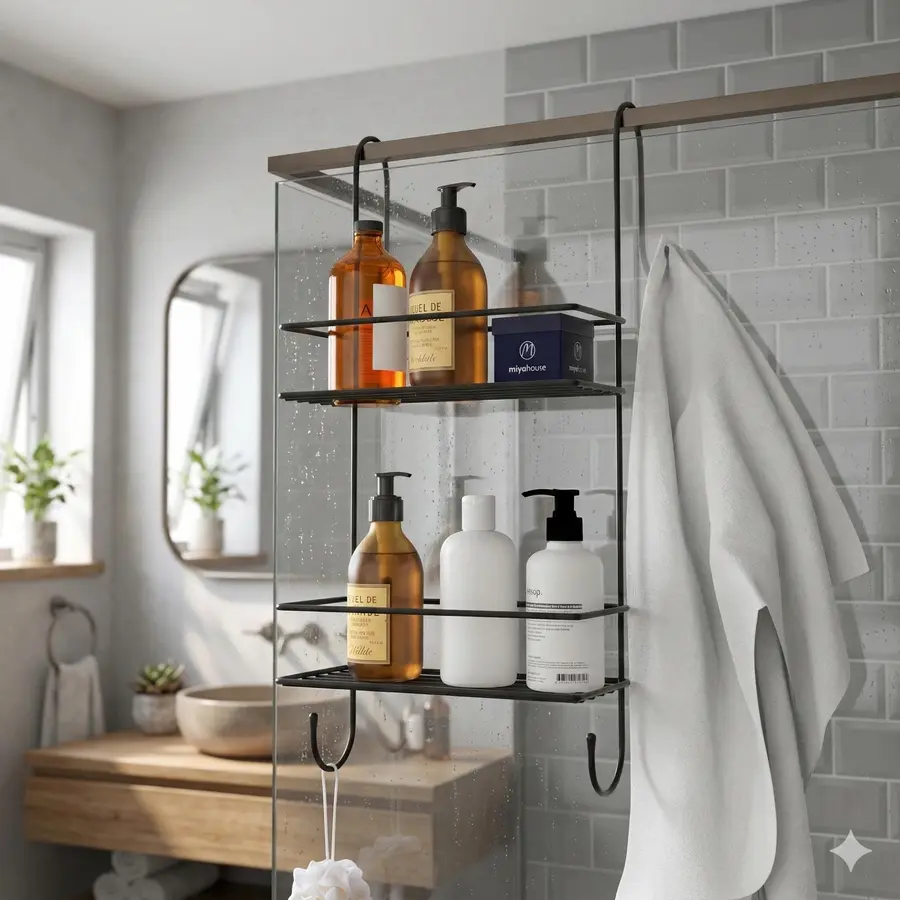
A shower caddy rusts when water, humidity, soap residue, and air reach unprotected steel or iron. To stop it, remove light surface rust promptly, rinse away cleaner and residue, dry the caddy after use, and keep bottles from trapping standing water against the metal. If the coating is peeling, the metal is flaking, or rust keeps returning from seams and joints, replacement is usually the more practical choice.
The best shower caddy rust prevention is not a single coating or cleaner. It is a simple routine: keep water from sitting on the rack, clean away product buildup, and choose a material suited to a constantly wet shower. A rusty shower caddy can also leave orange marks on the tub, tile, or shower base, so deal with it before the corrosion spreads.
First, decide whether the caddy is worth saving
Light orange spotting on an otherwise solid metal caddy is often manageable. Heavy corrosion is different. Scrubbing cannot restore metal that has already lost its protective finish or begun to break down.
A caddy is usually worth cleaning when
- Rust appears as small, shallow spots on intact metal.
- The rack still feels firm and stable.
- Welds, hooks, and basket edges are not cracked or flaky.
- A coated finish has only a small nick rather than broad areas of peeling.
- The caddy does not leave rust flakes on the shower floor or tub.
Replace it when
- The coating is peeling or bubbling across multiple areas.
- Rust returns quickly from joints, bends, or welded points after cleaning.
- Wire shelves are thinning, sharp, loose, or flaking.
- The hanging hook, suction cups, or attachment points no longer hold reliably.
- Rust marks are repeatedly transferring to nearby surfaces.
A coating that has failed in several places tends to keep failing because moisture can travel under its edges. Covering extensive corrosion may improve appearance temporarily, but it does not reliably restore a weakened shower organizer.
How to remove rust from a shower caddy safely
Take the caddy out of the shower first. This gives you better access and keeps rust particles and cleaning residue away from grout, acrylic, fiberglass, natural stone, and finished fixtures.
1. Empty and rinse the caddy
Remove all bottles, razors, soap dishes, and hooks. Rinse the caddy with warm water to remove loose soap scum, hair products, and mineral residue. Wipe it with a soft cloth and a small amount of mild dish soap if it feels greasy or coated.
Dry it enough that you can clearly see which marks are rust and which are simply product buildup.
2. Test a gentle rust-removal method in one small area
For light rust, start with a soft cloth or non-scratch sponge and a rust-removal product that is appropriate for the caddy’s material and finish. Follow the product label, especially if the caddy is chrome-plated, painted, coated, aluminum, or stainless steel.
A household vinegar solution is commonly used for light rust on bare metal, but it is not suitable for every finish. Do not assume that a method safe for unfinished steel is safe for plated or coated wire. Test an inconspicuous section first, use minimal contact time, and rinse thoroughly afterward.
Avoid abrasive pads, steel wool, wire brushes, and aggressive sanding on plated, polished, painted, or powder-coated caddies. They can scratch the finish and create more places for water to reach the underlying metal.
3. Work only on the rusted areas
Rub gently rather than scrubbing hard. Focus on the orange spots, especially around shelf corners, hanging hooks, wire intersections, and drainage openings. A soft toothbrush can help reach tight joints without scouring broad areas.
If the rust will not lift without heavy abrasion, stop. That often means corrosion is below a damaged coating or within a joint where a simple surface treatment will not last.
4. Rinse and dry completely
Rinse away every trace of cleaner with clean water. Cleaner residue can attract grime or affect some finishes if left behind. Towel-dry the caddy, including underneath shelves and around joints, then let it air-dry fully before putting toiletries back.
Never mix cleaning products or use a second product to “neutralize” the first unless its label specifically instructs you to do so. In particular, keep bleach separate from vinegar, rust removers, and other cleaners. If you are uncertain about compatibility, rinse the surface well and use one product at a time.
Stop rust from coming back
Once a shower caddy has been cleaned, prevention is mostly about reducing the time that water stays on it.
Give water a way to leave
Check whether bottle bases, soap bars, washcloths, or loofahs are blocking the caddy’s drainage. Large bottles can act like lids over wire shelves, holding a wet ring against the metal. Keep the shelf arrangement loose enough that water can drip through.
A soap dish with drainage is particularly helpful. A bar of soap sitting directly on a wire shelf can leave a damp, alkaline film that is difficult to rinse away.
Dry the caddy as part of the shower routine
After showering, shake off pooled water and quickly wipe the horizontal shelves, hook, and lower basket with a dry towel. You do not need to polish every wire; the goal is to remove the droplets that otherwise stay on the metal for hours.
If several people use the shower, a once-a-day wipe-down is still more useful than waiting for the next full bathroom cleaning. Open the shower curtain or door afterward when practical so moisture can escape rather than remain trapped around the caddy.
Rinse off shampoo and body-product residue
Conditioner, body wash, shaving products, and soap residue can cling to wire racks. During regular bathroom cleaning, rinse the caddy and wipe it with mild soap and water. Pay attention to undersides and bottle-contact points, not just the visible front.
Harsh or abrasive cleaners may damage a protective finish. Use a cleaner that is compatible with the caddy material, and do not leave any cleaner sitting on the surface longer than the label directs.
Adjust where the caddy sits
A caddy directly under the shower spray receives more water than one placed to the side. If your setup allows, move it out of the strongest spray path while keeping products easy to reach.
Also look for water that runs down a shower hose, showerhead pipe, or wall and collects at the caddy hook. A small change in position can prevent repeated wetting at one vulnerable point.
Be careful with coatings and rust-proofing sprays
A protective coating can be useful only when the metal is clean, dry, and still structurally sound. Before applying anything, verify that the product is intended for the specific metal and for a wet bathroom environment. Follow its preparation, curing, ventilation, and use instructions.
Do not apply oily water-displacing sprays or slippery protectants to a caddy while it is installed in the shower. Overspray or residue can reach the tub or shower floor and create a slipping concern. Remove the caddy, protect nearby surfaces, and allow any approved treatment to dry fully before reinstalling it.
For a caddy with a small chip in an otherwise intact painted or coated finish, a compatible touch-up product may slow further corrosion. For widespread rust, replacement is generally less fussy and more dependable than repeated patching.
Choose a material that matches the shower environment
If you need a new shower organizer, material matters more than a vague “rust-resistant” label.
| Material | Practical rust considerations | Best use |
|---|---|---|
| Plastic | Will not rust, though it can stain, crack, or collect soap scum. | A simple choice for very wet showers and renters. |
| Aluminum | Does not rust like ordinary steel, but its finish can still dull or corrode. | Lightweight caddies with regular rinsing and drying. |
| Stainless steel | Generally more corrosion-resistant than ordinary steel, but not immune to spotting or staining. | Long-term use when the grade and finish are suitable for wet areas. |
| Coated steel | Depends heavily on an intact coating; chips and worn joints are vulnerable. | Drying-conscious households willing to monitor wear. |
Stainless steel is not a promise that a shower organizer will never show discoloration. It still benefits from rinsing, drying, and removal of product residue. If a product listing makes a material claim that matters to your decision, verify the actual material rather than relying only on the finish color or a general marketing term.
Keep rust from staining the shower
A rusty caddy can leave orange marks where it touches the shower wall, tub rim, or floor. Place a removable nonmetal barrier between a metal contact point and a finished surface if the design allows, but do not block drainage or make the caddy unstable.
Check the shower surface beneath the caddy during cleaning. Address new marks early with a cleaner appropriate for that surface. Acrylic, fiberglass, tile, grout, natural stone, and metal fixtures can have different cleaning limits, so consult the manufacturer guidance for your shower material before using a rust remover.
A simple maintenance checklist
- After use: shake off water and avoid leaving wet washcloths or bottles pressed against the rack.
- Weekly: rinse away product residue and wipe the shelves, hook, and joints dry.
- Monthly: inspect coated areas, wire intersections, and the underside for orange spots or peeling.
- At the first sign of rust: clean the spot gently, rinse, dry, and improve drainage or placement.
- When metal flakes, coatings fail broadly, or support points weaken: replace the caddy.
A clean, dry caddy will last longer than one left constantly wet, but no ordinary metal organizer is maintenance-free in a shower. The most effective approach is to catch light rust early, reduce trapped moisture, and replace a deteriorating caddy before it becomes messy or unreliable.
References
- Step-by-Step Guide Banish Rust from Your Shower Caddy: A Rust-Free Shower Oasis - HomeFixMagic. (n.d.). https://homefixmagic.com/how-to-stop-shower-caddy-rusting
- Rust-Busting Shower Caddies: How to Keep Your Bathroom Clean and Corrosion-Free - HomeFixMagic. (n.d.). https://homefixmagic.com/how-to-rust-proof-shower-caddy
- How to Remove Rust From Shower Caddy: Effective Solutions for a Sparkling Bathroom - House and Home Online. (n.d.). https://houseandhomeonline.com/how-to-remove-rust-from-shower-caddy
- How To Rust Proof Your Shower | WD-40. (n.d.). https://wd40.co.uk/how-to/rust-proof-your-shower
- Relevant Stainless Steel Shower Caddy That Will Not Rust. (n.d.). https://www.ablinoxprecision.com/blog/relevant-stainless-steel-shower-caddy-that-will-not-rust
- Rusting Shower Caddy Got You Down? Here’s the Secret to Ending the Nightmare - HomeFixMagic. (n.d.). https://homefixmagic.com/why-is-my-shower-caddy-rusting
- Any solution to rusting shower caddy? these are just 3 …. (n.d.). https://www.reddit.com/r/DIYUK/comments/q3xz9c/any_solution_to_rusting_shower_caddy_these_are
- How to Remove Rust from Bathroom Fixtures. (n.d.). https://alliedphs.com/blog/why-are-my-bathroom-fixtures-rusting-and-how-do-i-stop-it