How to Store Opened Caulk Without Letting It Dry Out
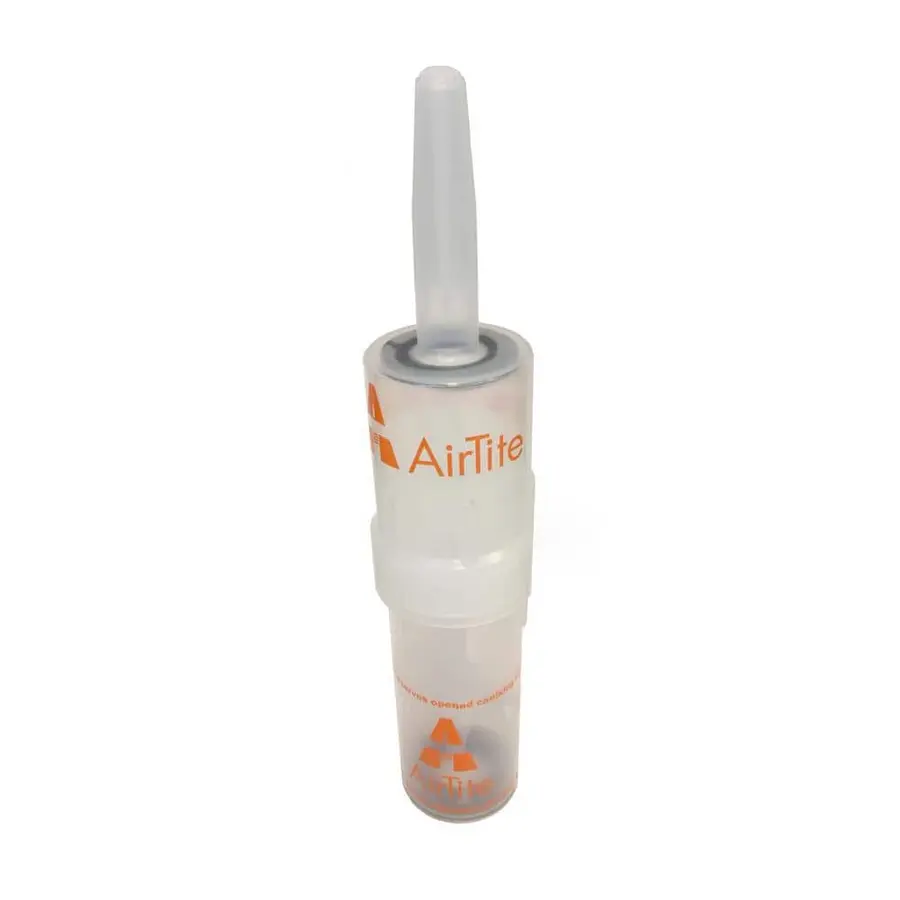
If you need to save a partly used tube, the best way to store opened caulk is to remove excess from the nozzle, seal the opening as tightly as possible, and keep the tube upright in a cool, dry place away from sunlight and temperature extremes. This slows air or moisture from reaching the remaining product, but it does not make the tube last indefinitely.
Before storing it, check the product label. Silicone sealant, acrylic caulk, and decorators’ caulk do not all cure in the same way, so the manufacturer’s storage instructions and stated shelf life take priority.
How to store opened caulk
Use this process after finishing the repair:
- Stop the flow cleanly. Release pressure from the caulk gun before pulling the nozzle away. This helps prevent a large plug of material from remaining at the tip.
- Wipe the nozzle. Remove fresh residue from the outside and opening with a disposable cloth or paper towel, following the product label for cleanup. Do not push wet material farther into the nozzle.
- Leave or remove the cured plug carefully. A small hardened plug at the tip can sometimes protect the softer material behind it. If the opening is still mostly clear, avoid digging deeply into the tube.
- Seal the nozzle. Use the original cap if it fits securely. If there is no cap, cover the nozzle with several tight layers of plastic wrap or foil and secure the covering around the neck. A purpose-made nozzle cap or caulk-saver cap can also work if it forms a snug seal.
- Store the cartridge upright. Keep the nozzle facing upward so the remaining sealant stays at the back of the tube rather than pressing against the opening.
- Choose a stable location. Store it in a cool, dry indoor place, away from direct sunlight and extreme heat or cold. Keep the tube out of children’s reach and follow any additional precautions printed on the package.
Source: i.ebayimg
The goal is to limit the product’s exposure to the air or moisture that starts its curing process. A wrap around the outside of the nozzle helps, but the seal should be tight around the actual opening. Simply placing a loose plastic bag over the entire cartridge is less reliable because air can still reach the nozzle.
Silicone sealant versus acrylic caulk
The product type affects both storage and the way you judge leftover material.
Silicone sealant
Bathroom silicone typically cures when it reacts with moisture in the air. Once the nozzle is opened, moisture can begin forming a cured plug at the tip. That plug may block the opening while the material deeper inside remains soft.
For silicone, seal the nozzle promptly and store the cartridge upright. When you reuse it, remove only the hardened material needed to expose a clean opening. Do not assume that a blocked tip means the whole tube has failed.
Silicone that has started curing inside the cartridge may come out as rubbery pieces, strings, or uneven material. Those are signs to stop and inspect the product rather than applying it directly to a shower joint.
Acrylic or decorators’ caulk
Acrylic and decorators’ caulk generally harden as moisture leaves the product, but the exact formula varies. Some products are designed for interior trim and painting, while others are labeled for bathroom use or areas with more moisture.
Seal the nozzle just as carefully, but use the label’s instructions for storage, cleanup, paintability, and suitable locations. Do not substitute an interior decorators’ caulk for a sealant intended to contain water around a tub, shower, or sink.
If the product has separated, dried throughout, or developed a persistent skin that prevents a smooth bead, replacement is usually more practical than trying to restore it.
Does a blocked nozzle mean the whole tube is cured?
No. A cured plug at the nozzle is common with opened sealant and only shows that material at the opening has hardened. The condition of the rest of the cartridge must be checked separately.
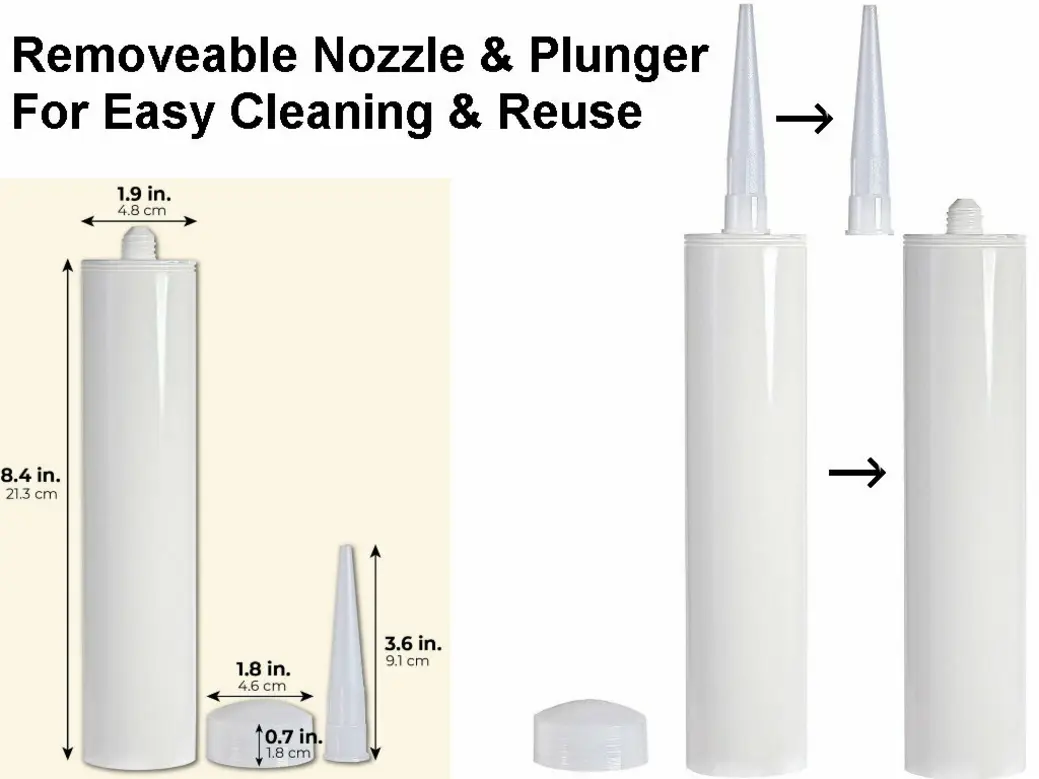
To inspect it, remove the nozzle if the cartridge design allows it, or clear the opening without forcing a tool deeply into the tube. Dispense a small amount onto scrap material. Look for a smooth, consistent bead with the color and texture expected from the product.
Do not use the test material as part of the bathroom joint. If the first material is crusty but the fresh material behind it is uniform, the cartridge may still be usable. If the bead remains lumpy, watery, unusually stiff, discolored, or partly cured, discard the tube.
How long can opened caulk be reused?
There is no dependable universal shelf life for an opened tube. It depends on the formula, how much of the nozzle is exposed, how well it was sealed, storage conditions, and the manufacturer’s unopened shelf-life guidance.
Treat any time estimate as approximate unless it comes from the product maker. Some partly used tubes may remain usable for a short period, while others cure sooner. The label may also state that the product should be used promptly after opening.
For a joint that must remain watertight, appearance and consistency are not the only concerns. An old product may dispense unevenly or cure unpredictably even if it looks acceptable in the tube. When the repair is difficult to redo, the joint is exposed to regular shower water, or the product’s age is unknown, a fresh tube is the safer choice.
Mistakes that shorten caulk storage life
- Leaving the nozzle uncovered: The opening is the first place where curing or drying begins.
- Using a loose cap: A cap that does not fit snugly may not block air or moisture effectively.
- Storing the tube on its side: This can leave sealant pressed against the opening and make leakage more likely.
- Leaving it in a hot bathroom, car, or shed: Temperature swings and heat can shorten the useful life of the product.
- Mixing old and new material: Do not add fresh caulk to an opened tube or try to blend cured pieces back into usable sealant.
- Relying only on the expiry date: The printed date is useful, but storage history and a small test bead also matter.
- Using the wrong product for the repair: A caulk that is suitable for trim may not be suitable for a wet shower area.
When to throw the tube away
Discard opened caulk when the material is cured well beyond the nozzle, cannot be pushed out smoothly, has separated and will not remix as directed, or fails the small test-bead check. Also replace it when the label’s storage limits were exceeded or you cannot identify the product well enough to confirm that it suits the repair.
Do not try to thin, heat, or chemically revive old caulk unless the manufacturer specifically gives that instruction. Those methods can change the product’s performance and may create unnecessary exposure to uncured material.
The practical rule
Prepare and seal the nozzle immediately, store the cartridge upright in a stable, dry location, and judge the material by the label and a small test bead before reuse. A hardened nozzle does not automatically ruin the entire tube, but leftover bathroom sealant should not be trusted for water containment when its consistency or cure performance is uncertain.
References
- how to store a used caulk tube. (n.d.). https://mosbybuildingarts.com/how-to-store-caulk
- How to Store & Extend Shelf Life of Opened Silicone Sealant Cartridges | Kastar. (n.d.). https://www.kastargrout.com/a-how-to-store-extend-shelf-life-of-opened-silicone-sealant-cartridges.html
- Sealants that last: Mastering storage for better performance. (n.d.). https://maxisil.com/sealants-that-last-mastering-storage-for-better-performance
- BAIYUN Anti Mould Caulk Anti Fungal Silicone Sealant For Bathroom. (n.d.). https://www.chinasealant.com/sale-13582508-baiyun-anti-mould-caulk-anti-fungal-silicone-sealant-for-bathroom.html
- STOP Throwing Out Half-Used Caulking Tubes - How to Keep Fresh for Years. (n.d.). https://www.youtube.com/watch?v=yXPNZvxbi5Y
- Save a partial tube of caulk for later, even months. This …. (n.d.). https://www.reddit.com/r/lifehacks/comments/1dgr8uf/save_a_partial_tube_of_caulk_for_later_even
- Preserve Open Caulk Or Silicone Much Longer - Save Money. (n.d.). https://www.homemadetools.net/forum/preserve-open-caulk-silicone-much-longer-save-money-71658
- STOP Throwing Away Half-Used Dried-Up Caulk Tubes! How To Fix It To Last Forever!. (n.d.). https://www.youtube.com/watch?v=l_B2UfN8-G8