How to Wash Your Body: What Washing Habits Reveal
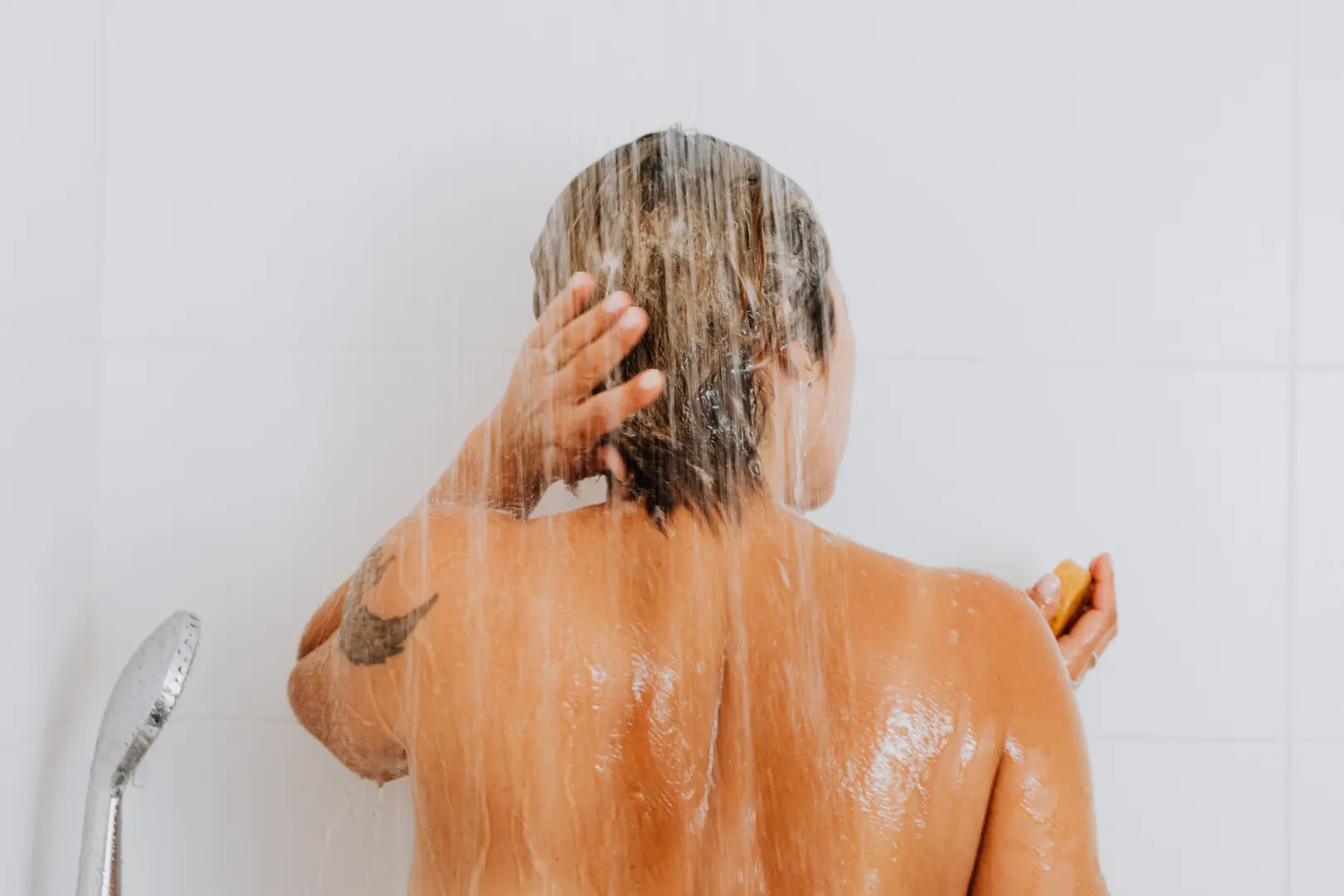
How people answer the question of how to wash your body can reveal more than their hygiene preferences. Some follow a careful head-to-toe routine, while others focus on areas that sweat or become visibly dirty. Survey findings show that hair, underarms, and genitals receive plenty of attention, but ears, belly buttons, shins, feet, and toes are easier to forget.
These percentages describe reported habits rather than setting a universal standard. There is no single correct sequence, but a simple routine can help you clean every area without unnecessary washing.
Does the Sequence of Washing Matter?
You do not need to wash your body in a fixed order to become clean. Personal routines vary according to convenience, mobility, hair care, shower design, and individual preference. What matters most is covering the areas that need attention rather than following a particular sequence.
Nevertheless, an order can prevent you from overlooking less obvious areas. A top-to-bottom approach is easy to remember:
- Wash your head, hair, and outer ears.
- Clean your shoulders, arms, and underarms.
- Move across your chest, stomach, and belly button.
- Wash the genital area and buttocks.
- Continue down your legs.
- Finish with your feet and between your toes.
The nursery rhyme “Head, Shoulders, Knees and Toes” can also work as a basic hygiene prompt. It is not a complete washing guide, but it offers a memorable framework. Add underarms, stomach, genitals, buttocks, feet, and other easily missed areas to make it more useful.
You can also adapt the sequence. For example, someone who uses shampoo may prefer to wash and rinse their hair first before cleaning the rest of the body. Another person may begin with the areas that need the most attention. Either approach can work as long as the routine is thorough and comfortable.
Comparing Washing Methods: Hands vs. Tools
Both hands and a washcloth can be effective. The better choice depends on the degree of cleaning you need, your preferences, and how willing you are to care for the washing tool afterward.
| Method | Practical advantages | Considerations |
|---|---|---|
| Hands | Simple, gentle, and always available | May remove less visible dirt than a washcloth |
| Washcloth | Can help lift more dirt from the skin | Must be rinsed, dried, and washed regularly |
| Pitcher and basin | Can reduce water and heat use | Less convenient than a conventional shower |
Clean hands can spread water and cleanser over the body effectively. They also make it easy to control pressure around sensitive areas. For an ordinary wash, no additional tool is automatically necessary.
A washcloth may remove more dirt because it provides added friction. That can be useful on feet, legs, or areas with visible buildup. More friction is not always better, however. Scrubbing harder than necessary does not guarantee a better wash.
Tools also affect resource use. Reusable washcloths need laundering, while disposable options create ongoing waste. A pitcher and basin can save water and the energy used to heat it, although this method generally requires more effort and may feel less convenient than standing under a shower.
Whatever method you choose, use it systematically. A washing tool cannot compensate for skipping the belly button, toes, ears, or other neglected areas.
Start with Your Head and Hair
The head is a common place to begin. Survey results indicate that 57% of people actively wash their hair, making it a central part of many shower routines.
Hair washing does not need to determine the rest of your sequence, but starting there is practical when you want to rinse shampoo before washing your body. It also allows water and hair products to run down before you complete the final body rinse.
The ears receive considerably less attention: 34% neglect to wash them. They are easy to miss because people tend to focus on their hair and face while assuming the surrounding water will handle everything else.
When washing your head, remember the visible outer parts of each ear and the area behind it. These small areas should be treated as deliberate parts of the routine rather than incidental stops. A quick mental check—hair, face, outer ears, and behind the ears—can make the first stage more complete.
The survey statistic does not mean everyone needs the same hair-washing schedule. It simply shows that actively washing the hair is more common than intentionally cleaning certain nearby areas.
Clean the Shoulders, Arms, and Underarms
After the head, move to the shoulders and arms. These broad, accessible areas are usually straightforward to wash, but it helps to include the backs of the arms rather than concentrating only on the most visible surfaces.
Underarms receive particularly strong attention. According to the survey, 65% wash their armpits frequently. That focus is understandable because underarms are among the areas people actively associate with daily cleanliness.
A simple upper-body pass can include:
- The tops and backs of the shoulders
- Both sides of each arm
- Elbows and elbow creases
- Underarms
- Hands and between the fingers
Do not let a strong focus on the armpits make the rest of the arms an afterthought. Use your hands or washcloth to cover the whole area methodically. If you lose track easily, washing one complete arm before moving to the other can make the sequence easier to follow.
Remember Your Stomach and Belly Button
The stomach may be directly exposed to shower water, but exposure is not the same as intentional washing. The belly button is especially likely to be forgotten: only 36% of respondents say they clean it.
Its small size and recessed shape can cause people to move past it while washing the chest and abdomen. Add it as a distinct step rather than assuming that soap and water will reach it automatically.
Wash across the stomach, then briefly clean the belly button according to its shape and depth. There is no need to turn this into a lengthy stage. The main improvement is simply remembering that the area exists.
This statistic illustrates a broader pattern in washing habits: prominent or odor-conscious areas tend to receive attention, while small folds and less visible spots are more likely to be skipped. A consistent sequence helps correct that imbalance.
Wash the Genital Area and Buttocks
The genital area ranks among the highest-priority parts of the body. Survey findings show that 65% prioritize genital cleaning. In addition, 59% make sure their buttocks are clean.
These areas should be washed intentionally and respectfully, using a comfortable method. Focus on the external genital area and surrounding skin rather than treating the region as one quick pass. Rinse thoroughly before moving on.
The buttocks also deserve a separate step. Although nearly six in ten respondents report making sure this area is clean, that still leaves a substantial share who may not give it consistent attention.
For a straightforward routine:
- Clean the external genital area.
- Wash the surrounding creases.
- Clean the buttocks as a separate area.
- Rinse before continuing to the legs.
Hands can provide good control here. If you use a washcloth, think about the order in which it touches different parts of the body and rinse or change it as appropriate. The objective is complete, practical washing—not aggressive scrubbing.
Move Down to Your Legs
Legs cover a large surface area, yet they do not always receive deliberate attention. Water running down them may create the impression that they have already been washed.
The shins appear to be particularly overlooked. Only 37% regularly wash their shins, according to the survey. That makes them one of the clearer examples of passive rinsing replacing active washing.
When moving down the body, cover the front and back of each thigh before continuing to the knees, calves, and shins. A top-to-bottom pattern is helpful because it reduces the chance that you will jump directly from the upper body to your feet.
You do not have to spend the same amount of time on every part of each leg. The lesson from the survey is simply to avoid assuming that runoff alone equals a deliberate wash. If you use a washcloth because you want to remove more dirt, the legs are one area where its added friction may be useful.
Give Your Feet and Toes Extra Attention
Feet are frequently neglected despite spending much of the day inside shoes or in contact with floors. Survey results show that 49% wash their feet, meaning fewer than half report doing so as an intentional habit.
Toes are missed even more often: 60% skip washing them. This may happen because reaching the feet is inconvenient, people are in a hurry, or they assume soapy shower water is enough.
A complete foot wash should include:
- The top of each foot
- The sole
- The heel
- Around the toes
- The spaces between the toes
Whether you use your hands or a washcloth, stability and comfort matter. Do not force an awkward position simply to follow a particular sequence. If reaching your feet is difficult, adapt your washing setup so that the area can be cleaned safely and consistently.
Finishing with the feet also works well as a memory aid. Before turning off the water, ask whether you have actually washed your soles and toes rather than merely letting water run over them.
How Common Is Shower Urination?
According to the reported findings, 14% admit to urinating in the shower. The behavior occurs more often among men.
The figure shows that the habit exists but is far from universal. It also highlights the difference between private behavior and publicly described hygiene routines. Because this is a self-reported subject, the statistic should be read as an account of what respondents were willing to disclose.
Regardless of personal opinion about the habit, it should not distract from the purpose of the shower. Washing the body, rinsing surfaces, and leaving the shower area ready for its next use remain the practical priorities.
Morning or Evening: When Do People Shower?
Morning showers are preferred overall. For many people, washing is part of the process of getting ready for the day.
Evening showers are more common among women, however. This demonstrates that shower timing is not uniform even when one option leads overall. Personal schedules, household routines, and preference can all shape when someone chooses to wash.
Neither time automatically produces a better result. A morning shower can be thorough or rushed, just as an evening shower can be complete or incomplete. The more useful question is whether your chosen time allows you to follow a consistent routine without skipping areas.
Some people may also vary their timing rather than belonging exclusively to one group. Survey categories describe broad preferences; they do not create a rule about when everyone should shower.
Is Showering After a Bath Necessary?
Some people take a shower after having a bath. This behavior is reported more often among married people, although the findings do not establish one universal reason for the difference.
A post-bath shower may be used to rinse away bathwater or product residue, or simply because the person prefers the feeling of a final rinse. It is not an automatic requirement. If you feel adequately washed and rinsed after the bath, adding another full wash may be unnecessary.
Regional differences also influence washing habits. Climate, household customs, bathroom arrangements, and personal expectations can shape whether someone prefers bathing, showering, or combining the two. The survey findings should therefore be treated as patterns rather than instructions.
More washing is not always better. Over-showering can disrupt the skin microbiome, so repeated showers or a bath-and-shower combination should not be treated as proof of superior cleanliness. Consider whether the extra wash has a practical purpose instead of repeating the process by default.
For households looking to reduce resource use, a pitcher and basin provide another option. This method can save both water and the heat used for washing while still allowing the body to be cleaned systematically. Its main disadvantage is convenience: filling, pouring, and rinsing manually may require more effort than using a shower.
The best method balances cleanliness, comfort, available resources, and the needs of your skin. Frequency alone does not show how thoroughly someone washes.
Which Region Showers Most Often?
London has the highest reported rate of daily showering among the regions surveyed. Taking multiple showers is also common there.
These findings show how location can shape routines, but they should not be interpreted as a cleanliness ranking. Shower frequency says little about which body parts a person actually washes. Someone may shower more than once and still overlook the belly button or toes, while another person may wash less often but follow a careful routine.
The broader lesson is that how to wash your body is less about copying a regional trend and more about building a complete, manageable habit. Use a memorable order, give neglected areas deliberate attention, and choose hands, a washcloth, or a lower-resource method according to your needs. A thoughtful routine matters more than an exact sequence or an unusually high number of showers.