Key Benefits of a Smart Bathroom: Technology Shaping Modern Homes
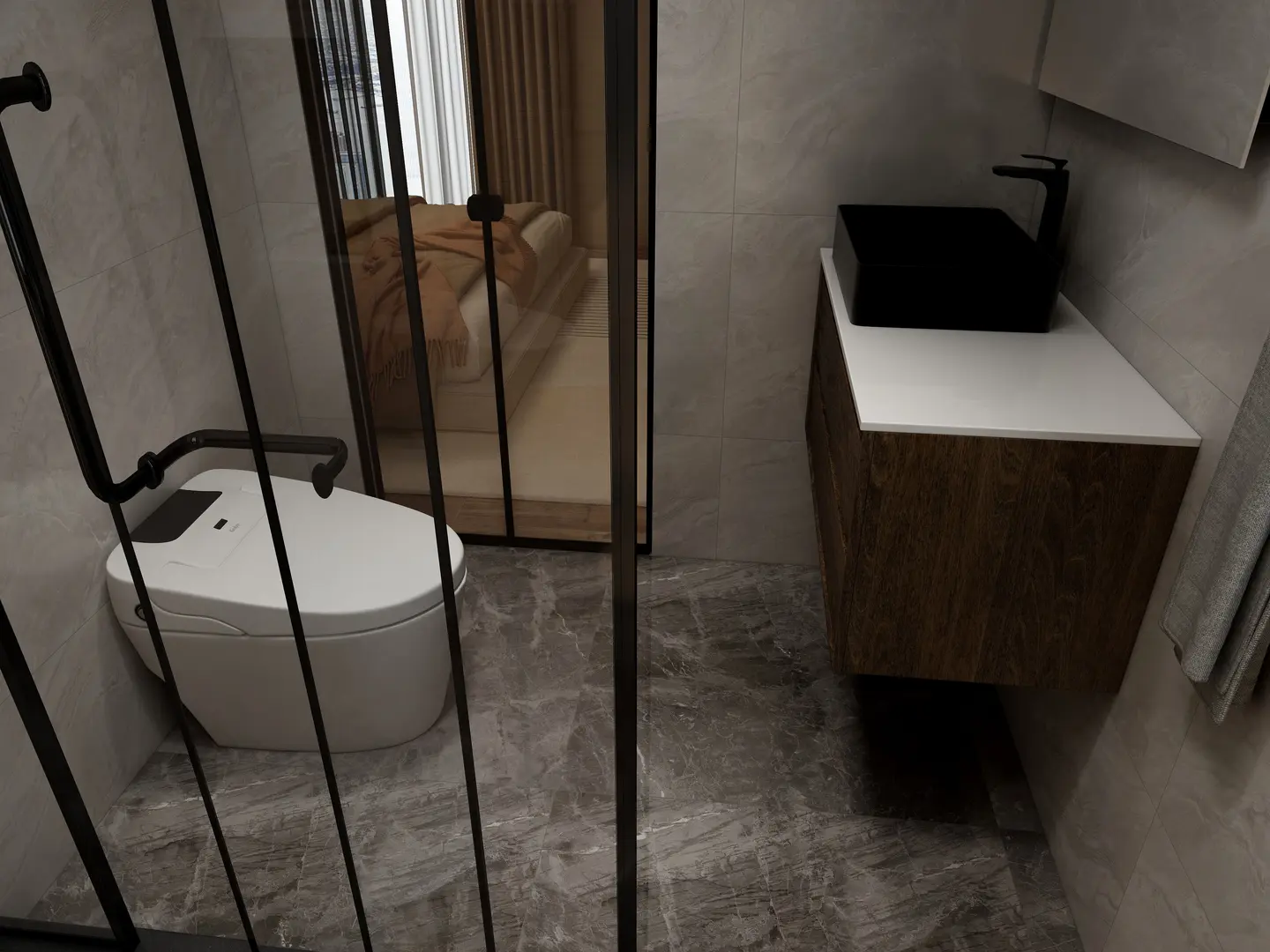
Smart bathrooms bring digital control to familiar fixtures, helping homeowners create spaces that are more comfortable, efficient, hygienic, and responsive. Rather than replacing every traditional feature, smart technology can enhance showers, taps, toilets, mirrors, lighting, and water systems through connected controls and automated functions.
Understanding the key benefits of a smart bathroom can help you decide which upgrades are worthwhile, whether you are planning a complete renovation or making a few targeted improvements.
How Does a Smart Bathroom Work?
A smart bathroom combines conventional plumbing fixtures with connected technology. Depending on the setup, users can control compatible devices through a mobile app, a central smart-home system, built-in digital controls, or touch-free sensors.
For example, a connected shower system may let you select the desired water temperature and flow before stepping inside. Other devices can save individual preferences, provide information about water use, or notify you when a possible leak is detected. The aim is not simply to add technology for its own sake. It is to make everyday bathroom tasks easier to control and manage.
Smart bathroom functions generally fall into several categories:
- Personalisation: Saved settings can provide different users with their preferred shower temperature, water flow, lighting, or other compatible functions.
- Efficiency: Usage tracking and flow controls can help households understand and reduce unnecessary water consumption.
- Energy management: Preset temperatures and remote controls may reduce the energy wasted while adjusting or running bathroom systems.
- Safety: Temperature controls can limit unexpected changes, while leak alerts can draw attention to potential plumbing problems.
- Hygiene: Touch-free activation and self-cleaning features reduce the need to handle frequently used surfaces.
Not every smart bathroom needs to be fully automated. A homeowner might start with one connected shower or touch-free tap and add other features later. This flexible approach can make smart technology suitable for both small updates and larger remodeling projects.
The Main Advantages of Smart Bathroom Devices
The most useful smart bathroom devices solve practical problems. They can make routines more comfortable, provide clearer information about resource use, support safer operation, and reduce contact with shared surfaces.
Their value is often cumulative. A temperature-controlled shower may improve comfort while also reducing the time spent adjusting hot and cold water. A leak-monitoring feature can improve safety while helping homeowners respond to wasted water. Touch-free controls can support hygiene and make fixtures more convenient to operate.
The following are the key benefits of a smart bathroom for modern households.
More Comfort and Personalised Bathroom Experiences
Comfort is one of the most immediate reasons to consider smart bathroom technology. Traditional showers and taps often require manual adjustment each time they are used. A compatible smart system can provide more direct control over both water temperature and flow.
Instead of repeatedly turning controls until the water feels right, users may be able to select a preset temperature. This can make daily routines more predictable and reduce the inconvenience of finding the same setting every morning.
App-based controls may also allow household members to create customised profiles. Each person can save their preferred settings and select them when needed. Depending on the features available, a profile might include:
- Preferred shower temperature
- Desired water-flow level
- Saved shower settings
- Compatible lighting preferences
- Settings for different times or routines
Personalisation can be particularly useful in a shared bathroom. One person may prefer a warmer shower with a stronger flow, while another may want a different combination. Separate profiles allow the same fixture to adapt without requiring repeated manual adjustments.
Remote controls can add another layer of convenience. A connected system may let users prepare compatible bathroom settings through an app rather than adjusting everything after entering the room. However, the level of control depends on the chosen devices and how they are integrated.
The result is a bathroom that responds more closely to individual habits. Technology does not replace the basic function of the fixture; it makes that function more consistent and easier to personalise.
How Smart Technology Can Lower Water Use
Smart bathroom technology can help households understand how much water they use. Conventional fixtures generally provide little feedback, making it difficult to recognise inefficient habits. Connected systems may display real-time usage information through an app or digital interface.
This information gives users a clearer view of their routines. For example, water-use tracking can show how consumption changes between different settings or daily habits. That visibility can encourage more considered use without relying on guesswork.
Efficient flow regulation is another important feature. Compatible smart showers and taps can provide better control over the amount of water released. This allows users to choose a suitable flow rather than automatically operating a fixture at a higher level than necessary.
Smart water management may help by:
- Showing real-time or recent consumption data
- Making changes in usage easier to identify
- Providing more precise flow control
- Supporting consistent, efficient settings
- Alerting users to possible leaks
Reducing consumption can also support long-term cost savings. The exact financial effect will vary according to household habits, utility costs, fixture selection, and how consistently efficient settings are used. Smart technology is therefore best viewed as a management tool rather than a guarantee of a particular saving.
Its main advantage is that it combines information with control. Homeowners can see how water is being used and adjust compatible fixtures accordingly.
Greater Energy Efficiency and Reduced Running Costs
Water use is only part of bathroom efficiency. Energy is also required to heat water, so reducing unnecessary hot-water use can help limit wasted energy.
Preset temperature controls support this goal by allowing users to select a consistent setting. With a traditional control, people may run the shower while repeatedly adjusting the temperature. A smart system can reduce this trial-and-error process by returning to a saved preference.
Remote-controlled systems can also give users more direct oversight of compatible bathroom features. Being able to turn a system on, change a setting, or confirm its status through an app may help prevent it from operating longer than intended.
Energy-saving benefits can come from several connected functions:
- Preset water temperatures reduce repeated manual adjustment.
- Controlled water flow can limit the amount of heated water being used.
- Remote operation gives users another way to manage compatible systems.
- Saved profiles make efficient settings easier to reuse.
- Usage information can reveal habits that may be wasting water and energy.
As with water savings, lower running costs depend on how the technology is used. Installing a connected fixture does not automatically make every routine efficient. Homeowners still need to choose sensible settings and respond to the information provided.
Even so, improved control can make efficient behaviour more convenient. When preferred temperatures and flow rates are easy to save and select, users may be more likely to maintain them.
Smart Features for a Safer Bathroom
Bathrooms combine water, heated systems, hard surfaces, and frequently used plumbing fixtures. Smart technology can add useful safeguards, particularly around temperature control and leak detection.
One benefit is protection against sudden water-temperature changes. A compatible system can regulate temperature more consistently, helping to prevent unexpected fluctuations while the shower or tap is in use. This is especially relevant in homes with children, who may be less able to react quickly or adjust manual controls safely.
Saved temperature settings can also help adults prepare a more appropriate setting before use. However, digital controls should complement normal household supervision and safe bathroom habits rather than replace them.
Leak detection is another valuable smart feature. A connected system may monitor for signs of an unwanted water release and send an alert when a potential problem is identified. Earlier awareness gives the homeowner an opportunity to investigate rather than leaving a leak unnoticed.
Leak alerts can be helpful when:
- A bathroom is not used every day
- A plumbing problem develops out of sight
- A homeowner is away from the property
- A small issue is difficult to notice during normal routines
The response still matters. An alert cannot diagnose or repair the source by itself unless the installed system has additional compatible controls. Homeowners may need to inspect the area, stop using the fixture, or contact a plumbing professional.
Temperature management and leak monitoring make a smart bathroom more responsive. Instead of relying entirely on someone noticing a change, connected features can provide another layer of control and awareness.
Improved Hygiene with Touch-Free Bathroom Technology
Frequently touched bathroom surfaces can include tap handles, flush controls, switches, and other shared controls. Touch-free technology reduces the need to make physical contact with some of these surfaces.
Sensor-operated fixtures can activate when needed without requiring the user to touch a handle or button. This can make routine handwashing and other tasks more convenient while reducing contact with commonly handled areas.
Touch-free operation may be especially useful in:
- Shared family bathrooms
- Guest bathrooms
- Homes where easy operation is a priority
- Spaces designed around simpler cleaning routines
Some smart bathroom devices also include self-cleaning or automated cleaning functions. These features can provide a more hygienic alternative to entirely manual setups by handling certain routine cleaning tasks or helping reduce residue on the fixture.
However, “self-cleaning” does not necessarily mean that the entire bathroom becomes maintenance-free. Surrounding surfaces and parts not covered by the automated function will still require appropriate cleaning. It is important to review exactly what a device cleans rather than assuming it replaces regular bathroom care.
The main hygiene advantage comes from reducing unnecessary touchpoints and automating selected functions. Combined with suitable materials and regular cleaning, touch-free devices can help create a bathroom that is easier to use and maintain.
How Smart Technology Can Simplify Bathroom Remodeling
Smart technology can improve a remodeled bathroom, but it must be considered early in the planning process. Connected fixtures may require suitable electrical access, plumbing connections, control locations, or space for supporting components. Ignoring these needs until installation begins can cause delays and increase project costs.
This is particularly important when the project already involves structural or practical challenges. Relocating a toilet, bathtub, or shower can be difficult when the room sits on a concrete foundation. Moving these fixtures may require substantial plumbing work, so adding smart features without a coordinated plan can make the project more complicated rather than simpler.
Heavy existing fixtures can present another obstacle. Older cast-iron tubs, for example, can be difficult to remove because of their weight. Homeowners should account for access, removal, and disposal before selecting a replacement or planning connected features around it.
A practical remodeling process should include the following steps:
Decide which smart functions are genuinely useful. Identify priorities such as temperature control, water-use tracking, touch-free operation, saved profiles, or leak alerts.
Confirm electrical requirements. Determine where compatible power supplies, switches, controllers, or other connections will be needed.
Review the existing plumbing layout. Check whether fixtures can remain in place or whether pipes and drains must be relocated.
Coordinate smart features with the overall design. Controls should be accessible without interfering with doors, storage, shower screens, or other fittings.
Plan for installation and future access. Components that may require service should not be placed where they are unnecessarily difficult to reach.
Consult suitable professionals where required. Extensive rewiring or plumbing relocation should be planned with qualified tradespeople.
In tight spaces, modular shower kits may offer a more straightforward installation route than a highly customised shower enclosure. Their coordinated components can make them practical where space or access is limited. Some may also provide a suitable foundation for selected digital shower controls, depending on compatibility.
The trade-off is design flexibility. Modular kits may not match every preferred layout, material, finish, or visual style. Homeowners who want a highly individual shower design may find a custom solution more appropriate, even if it requires more planning and installation work.
Smart technology simplifies remodeling most effectively when it is integrated into the project from the beginning. It can reduce manual controls, support efficient operation, and add useful monitoring, but it does not eliminate the physical realities of plumbing, wiring, concrete foundations, or heavy fixtures.
A well-planned approach should balance technology with layout, budget, installation requirements, and personal design preferences. When those elements work together, the finished bathroom can deliver greater comfort, improved control, better resource awareness, enhanced safety, and easier everyday use.