6 Reasons to Choose Low-Flow Shower Heads
A satisfying shower does not have to use a large volume of water. Modern efficient fixtures control flow while shaping the spray to preserve comfort, making them a practical upgrade for households that want to reduce water and energy use.
The main low-flow shower heads benefits include lower consumption, reduced utility costs, dependable spray performance, easier compliance with water-efficiency rules, and straightforward installation. Understanding how these fixtures work will help you choose a model that suits your bathroom and shower preferences.
Understanding Low-Flow Shower Heads
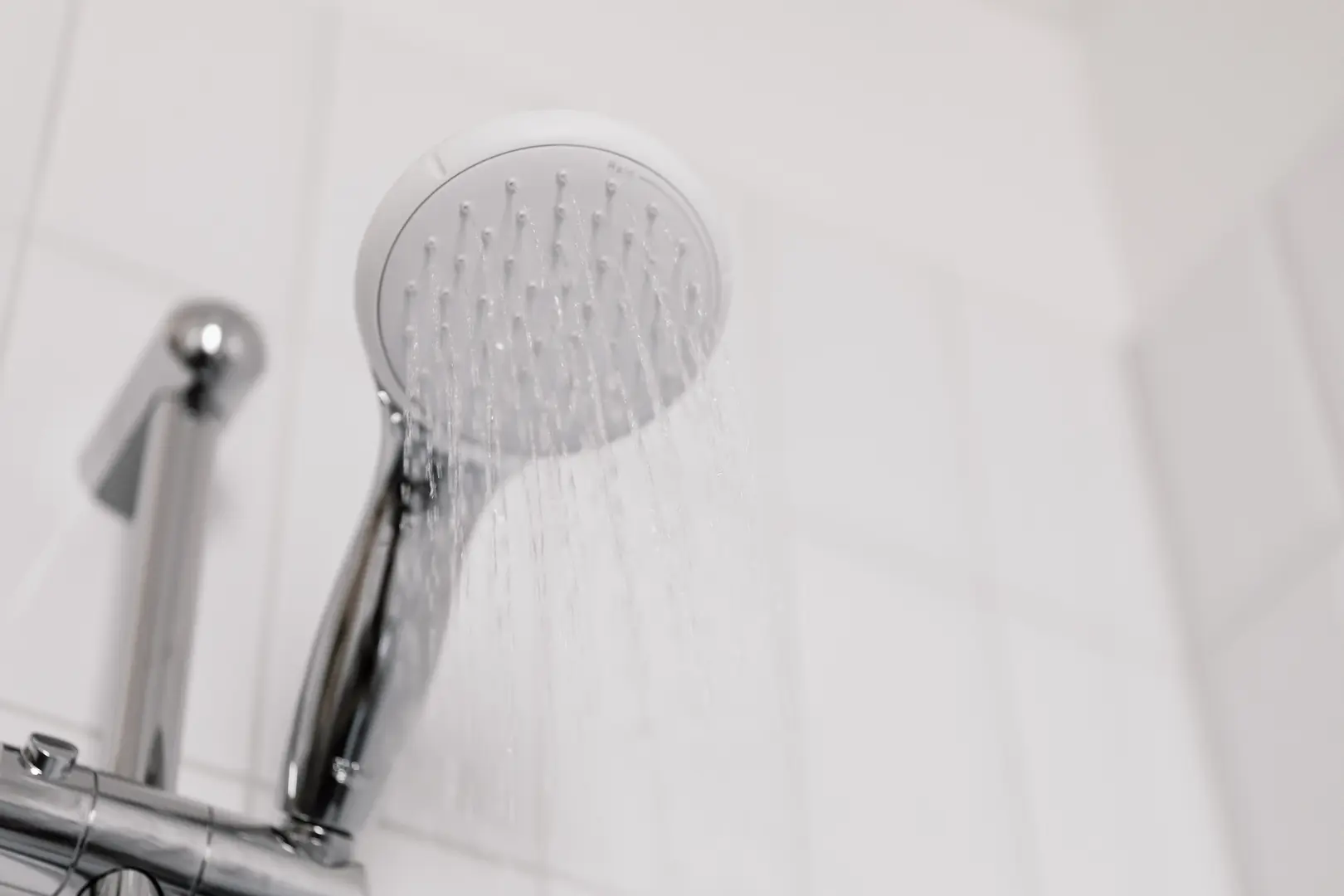
A low-flow shower head limits how much water passes through the fixture each minute. Rather than simply producing a weak spray, a well-designed model directs the available water through carefully shaped nozzles. This can create a comfortable spray pattern while using less water than a traditional shower head.
Because showers are part of many households’ daily routines, even a modest reduction in flow can add up over time. The potential savings are particularly valuable in homes with several occupants.
Actual results depend partly on user behaviour. A low-flow fixture will use less water per minute, but unusually long showers can offset some of the savings. For the greatest benefit, combine an efficient shower head with reasonable shower times.
How Low-Flow Shower Heads Deliver Efficiency
Shower head efficiency is commonly described in gallons per minute, or GPM. This rating indicates how many gallons can flow through the fixture in one minute under the relevant conditions.
Traditional shower heads generally have higher flow rates than efficient models. Low-flow options are commonly rated at 2.0 GPM or less, while some ultra-low-flow designs operate at around 1.5 GPM. A lower rating means less water is delivered during a shower of the same duration.
Manufacturers use two principal methods to make a reduced volume of water feel comfortable:
- Aeration: Air is mixed into the water to create larger, softer droplets and a fuller, mist-like spray.
- Laminar or direct flow: Water is formed into separate, concentrated streams without mixing in air. The faster, more focused jets can feel strong despite the lower total flow.
These methods do not increase the volume of water. Instead, they manage droplet size, speed, and spray coverage so the shower feels more substantial.
Comparing Aerated and Non-Aerated Designs
Aerated low-flow shower heads mix air with water. Their broad, gentle spray can feel soft and enveloping, making them appealing to people who prefer a mistier shower experience.
Non-aerated models send water through small openings as direct, high-speed streams. Because the water is more concentrated, the spray may feel firmer and more defined. This design often appeals to users who associate shower comfort with stronger jets.
Neither style is universally better. The right choice depends on personal preference:
| Design | Typical spray feel | May suit people who prefer |
|---|---|---|
| Aerated | Soft, broad, and mist-like | Gentle coverage and a fuller spray |
| Non-aerated | Focused, direct, and fast | Firmer streams and a more concentrated feel |
Bathroom conditions can also influence the experience. Existing household pressure, mineral buildup, and the condition of the plumbing may affect how either design performs.
Key Advantages of Low-Flow Shower Heads
The central advantage of a low-flow fixture is straightforward: it uses less water per minute. That reduction can also lower water-heating demand and household costs.
Modern models offer benefits beyond conservation. Pressure-preserving designs can provide a satisfying spray, efficiency labels can simplify product comparisons, and most standard replacement models require little maintenance. Together, these qualities make an efficient shower head a practical rather than purely environmental upgrade.
Save Substantial Amounts of Water
Reducing shower flow can conserve thousands of litres over the course of a year. The total depends on the shower head’s flow rate, the number and length of showers, and how many people live in the home.
The effect is especially noticeable in multi-person households. If several family members shower each day, every minute of reduced flow is repeated across many uses. A lower-flow fixture therefore produces ongoing savings without requiring users to turn the water down manually during each shower.
However, flow rate is only part of the equation. Some people worry that a gentler spray will make them shower longer. If shower duration increases substantially, it can reduce the expected savings. Choosing a model with a spray style you enjoy can help maintain normal shower times while still lowering water use.
Reduce Household Water Bills
Using less metered water can lead to lower household water bills. The precise financial benefit will vary according to local rates, household size, shower habits, and the difference between the old and new fixtures.
Savings can continue throughout the life of the shower head, which helps make an efficient model a cost-effective long-term purchase. The value can be greater in busy homes because the fixture reduces consumption every time someone showers.
When comparing prices, consider more than the initial purchase cost. A cheaper shower head with an uncomfortable spray may be used inefficiently or replaced early. A well-reviewed, appropriately rated model is more likely to deliver both practical comfort and lasting savings.
Cut the Energy Used to Heat Water
Most showers use heated water, so water conservation can also reduce energy consumption. When a shower head delivers less water per minute, the household generally has less water to heat for a shower of the same length and temperature.
That lower demand may reduce gas or electricity costs, depending on the home’s water-heating system. It can also support broader household efficiency goals without requiring a major bathroom renovation.
As with water savings, shower duration matters. A low-flow fixture provides the clearest energy benefit when users do not extend their showers enough to cancel out the reduction in flow.
Enjoy Reliable Water Pressure
Flow and pressure are related, but they are not identical. A low-flow shower head restricts the volume of water, while its nozzles shape that water to create a usable spray. Modern fixtures may use narrow outlets, concentrated patterns, or pressure-compensating technology to maintain consistent performance.
Nevertheless, some users report disappointing pressure after installing an efficient shower head. Before assuming that low flow is the sole cause, check for common performance issues:
- Confirm that the shower head is fitted correctly and that connections are not leaking.
- Inspect the spray holes for mineral deposits.
- Clean the fixture according to its care instructions.
- Try any available spray settings to find the most concentrated pattern.
- Check whether low pressure affects other fixtures, which may indicate a wider plumbing or supply issue.
- Verify that the chosen model is suitable for the home’s existing water pressure.
Removing or altering the flow restrictor should not be the first response. Although doing so may increase flow, it can compromise efficiency, undermine the water-saving purpose of the fixture, or damage components if handled incorrectly. It may also produce performance outside the shower head’s intended design. Check the manufacturer’s guidance before making internal adjustments.
Meet Water-Efficiency Requirements More Easily
Water-efficiency rules and building expectations can influence the types of fixtures suitable for a property. Installing low-flow shower heads can make it easier to meet applicable water-use requirements and support an environmentally responsible home.
Efficient fixtures can also be useful when upgrading an older bathroom. Replacing a higher-flow shower head is a relatively focused change compared with altering an entire plumbing system.
Requirements vary by location, so buyers should check the rules that apply to their property. A recognised efficiency certification can provide additional assurance that the fixture has been evaluated for both water use and performance.
Install Easily and Maintain with Minimal Effort
Many low-flow shower heads are designed as direct replacements for standard models. Installation often involves removing the old fixture, preparing the threaded connection as directed, attaching the new shower head, and checking for leaks. Always follow the manufacturer’s instructions, as fitting details can differ.
Routine maintenance is usually limited to cleaning the exterior and keeping the spray openings clear. This makes a standard single-head replacement accessible for many households.
More elaborate arrangements are different. Installing multiple shower heads, body sprays, or a new diverter can require significant plumbing changes. The available water supply and the way water is distributed between outlets must also be considered. For these systems, professional advice may be appropriate rather than treating the project as a simple fixture swap.
Maintenance Tips for Low-Flow Shower Heads
Mineral deposits can gradually clog small spray openings. Because low-flow models direct a limited amount of water through precisely designed nozzles, blocked holes may noticeably affect the spray pattern or make the fixture seem to have poor pressure.
Simple maintenance can help preserve performance:
- Wipe the spray face regularly to loosen surface deposits.
- Clean flexible nozzles gently rather than using sharp tools that could damage them.
- Follow the manufacturer’s recommended descaling method.
- Rinse away loosened residue before reinstalling a removable shower head.
- Check seals and threaded connections if water leaks around the fitting.
- Inspect the shower head before changing any internal components.
If performance declines suddenly, cleaning should usually come before adjusting the restrictor. Removing a restrictor hastily can damage the fixture or eliminate much of its efficiency advantage. It may also conflict with relevant water-use requirements. Consult the product instructions or a plumber if cleaning does not resolve the problem.
Choosing the Best Low-Flow Shower Head
The best model is not necessarily the one with the lowest possible flow rate. It should balance efficiency with a spray pattern that household members find comfortable. Flow rating, aeration, certification, available settings, and real-world feedback all deserve consideration.
Think about the existing bathroom as well. A highly concentrated spray may suit one user, while another may prefer broad coverage. Homes with known pressure issues should look carefully at customer reports from people with similar plumbing conditions.
Evaluate the Flow Rate and GPM
Start by checking the listed GPM rating. Models rated at 2.0 GPM or lower provide a practical benchmark for efficient showering, while options around 1.5 GPM offer a further reduction in water use.
A lower number can create greater savings when shower duration remains unchanged, but it should not be considered in isolation. An ultra-low-flow model that users find uncomfortable could encourage longer showers or lead to an early replacement.
When comparing GPM ratings, consider:
- The current shower head’s flow rate
- The number of people in the household
- Typical shower duration
- Existing household pressure
- Preferred balance between water savings and spray strength
Selecting the right flow rate is about sustainable everyday use, not simply choosing the smallest number on the package.
Choose Between Aerated and Direct-Stream Sprays
Choose an aerated model if you like a soft spray with a mist-like, voluminous feel. By mixing air with water, these shower heads can provide broad coverage without requiring a high flow rate.
Choose a non-aerated or direct-stream design if you prefer more concentrated jets. These models send the water out at higher speed through defined openings, often creating a firmer sensation.
Adjustable shower heads can offer several spray patterns, but it is still worth identifying how the fixture produces its main spray. Product descriptions, demonstrations, and user reviews can help clarify whether the experience is gentle, forceful, wide, or focused.
Check for Efficiency Certifications
The EPA WaterSense label is a useful indicator when shopping for an efficient shower head in the United States. It signals that the model has been tested against established efficiency and performance criteria.
Certification helps buyers distinguish between a fixture that merely limits water and one designed to provide acceptable performance while doing so. It does not guarantee that every user will prefer the spray, but it offers quality assurance beyond a low GPM figure alone.
Buyers outside the United States should look for relevant water-efficiency labels or standards in their own region.
Use Reviews to Compare Real-World Performance
Technical specifications cannot fully communicate how a shower feels. Customer reviews can reveal practical details about spray coverage, perceived pressure, noise, installation, durability, and cleaning.
Look for patterns rather than relying on one unusually positive or negative comment. Reviews are most useful when people describe their household conditions, such as existing pressure or mineral-heavy water.
When comparing models, pay particular attention to feedback about:
- Performance in homes with lower water pressure
- Whether the spray feels full or overly misty
- Ease of installation and adjustment
- Mineral buildup and nozzle cleaning
- Consistency across different spray settings
- Whether users maintained their normal shower duration
Combining verified efficiency information with real-world feedback makes it easier to choose a fixture that saves water without sacrificing the shower experience.