10 Low Maintenance Bathroom Design Tips for an Easier-Care Space
A bathroom should feel fresh without demanding constant scrubbing. The most effective low maintenance bathroom design tips focus on preventing grime, standing moisture, stains, and clutter before they become cleaning problems. With durable surfaces, simple fixtures, and effective ventilation, you can create an attractive bathroom that stays easier to care for over time.
The Benefits of Designing a Bathroom That Is Easy to Maintain
An easy-care bathroom gives you back time. Smooth, non-porous surfaces can be wiped down quickly, while fewer joints and decorative details leave less room for soap residue, dust, and grime to collect.
Thoughtful design also helps manage moisture. Water that remains around poorly sealed surfaces, floor edges, or complicated fixtures may eventually contribute to damage. Water-resistant materials, suitable grout, and good ventilation reduce that exposure and help the room dry more effectively.
Other benefits include:
- A longer-lasting modern appearance: Clean lines and stain-resistant finishes are less likely to look tired from discoloration.
- Less repetitive scrubbing: Grout-resistant products and broad, smooth surfaces simplify routine cleaning.
- More durable material choices: Porcelain, quartz, acrylic, and other water-safe surfaces are well suited to humid spaces.
- Easier access to floors and walls: Raised fixtures and uncluttered layouts remove common cleaning obstacles.
Low maintenance does not mean no maintenance. Every bathroom still needs regular cleaning and inspections. The goal is to make those tasks faster and reduce avoidable deterioration.
Essential Features of a Low-Upkeep Bathroom
The easiest bathrooms to maintain share several core features.
First, they use non-porous or water-resistant surfaces wherever splashes and humidity are expected. These materials absorb less moisture and are generally simpler to wipe clean. Porcelain flooring, quartz counters, and acrylic shower panels are practical examples.
Second, they limit the number of joints and gaps. Every grout line, frame, ledge, or narrow recess can become another place for dirt to settle. Large-format tile and continuous wall panels help create broader, uninterrupted surfaces.
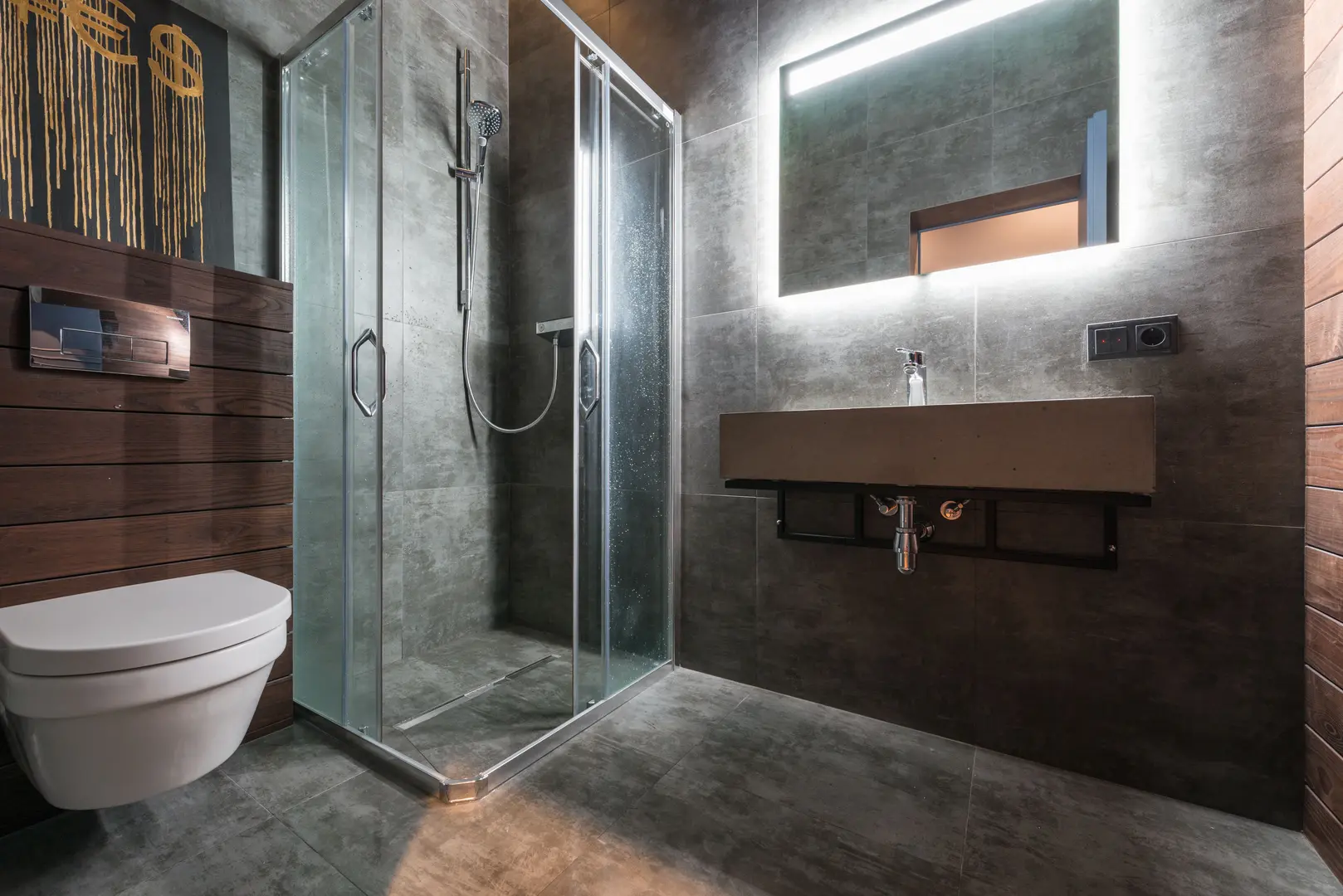
Raised fixtures also make a difference. Wall-mounted vanities and toilets expose more of the floor, allowing a mop or cloth to pass underneath without navigating multiple bases and edges.
Finally, good moisture control is essential. A suitable extractor fan helps remove humid air, while waterproof finishes protect the surfaces that remain exposed. Together, these features address both everyday cleaning and long-term care.
Practical Design Strategies for Reducing Bathroom Maintenance
A low-upkeep bathroom depends on decisions made before installation. The following ten strategies can help reduce the effort required to keep floors, walls, fixtures, and storage areas clean.
Some upgrades are suitable for confident DIY renovators, while others need specialist skills. Painting with a bathroom-appropriate coating or fitting simple storage may be manageable for a homeowner. Large-format tile, concealed plumbing, waterproofing, electrical work, and wall-hung fixtures are more likely to justify professional help. When poor installation could allow water to reach the building structure, saving on labor may lead to more maintenance later.
Select Large-Format Tiles with Simple Upkeep
Large tiles create fewer grout joints than small mosaics covering the same area. Because grout is often more difficult to clean than the tile surface, reducing the number of joints can make walls and floors noticeably easier to maintain.
Porcelain is particularly useful in wet environments because it is non-porous and resistant to water damage. Large porcelain shower tiles combine this durability with broad surfaces that are straightforward to wipe down.
Installation, however, may require greater skill. Large tiles need careful handling and a properly prepared surface. Correct alignment and waterproofing are especially important in a shower, so consider hiring an experienced installer if the project exceeds your DIY abilities.
Choose Grout That Resists Stains and Moisture
Where grout cannot be avoided, choose a formula designed to resist moisture and staining. Epoxy grout is one option because it is less likely to absorb spills and discoloration than more porous alternatives. Other stain-resistant grout products can also reduce ongoing upkeep.
Suitable grout helps limit mold, staining, and the need for repeated deep scrubbing. It should still be cleaned regularly, but a resistant product provides a better starting point than selecting grout based only on color.
A mid-tone grout may also make everyday marks less visually obvious than a very pale shade, although the installation should still be cleaned rather than relying on color to conceal dirt.
Install a Frameless Shower Screen with Water-Repellent Protection
Traditional framed shower doors include tracks, seals, and corners where residue can collect. A frameless screen removes much of this surrounding structure, leaving fewer awkward areas to clean.
Glass still needs attention. Water droplets, minerals, and soap residue can leave visible marks, which is why glass shower doors are sometimes considered high maintenance. A water-repellent protective coating can reduce spotting and make routine wiping easier.
For the simplest care routine, use a squeegee or soft cloth after showering. If you know you will not maintain clear glass regularly, compare a screen with grout-free wall and splash-control options before committing to a full glass enclosure.
Free Up Floor Space with Wall-Hung Fixtures
A wall-mounted toilet or vanity exposes the floor underneath instead of creating bases and edges that trap hair, dust, and moisture. The open area is easier to reach with a vacuum, mop, or cloth.
Raised fixtures can also make a compact bathroom look less crowded. However, they require secure support and may involve concealed plumbing. Installation and future access should be planned carefully, making professional fitting advisable in many remodels.
If wall-hung fixtures are impractical, choose floor-mounted alternatives with smooth sides and minimal seams.
Keep the Layout Minimal to Limit Dirt-Trapping Gaps
A minimalist bathroom is practical as well as visually calm. Straightforward layouts and clean lines reduce narrow gaps, deep recesses, and unnecessary ledges where dust can accumulate.
Avoid squeezing fixtures so tightly together that the spaces between them cannot be reached. Similarly, think carefully before adding decorative moldings, open shelving, or multiple small niches. Each feature creates another surface that must be wiped.
Minimalism does not require an empty room. It means every fixture and feature has a purpose, with enough access around it for convenient cleaning.
Specify Materials That Resist Water and Mould
Bathrooms need materials chosen specifically for humid and splash-prone conditions. Quartz is a useful countertop option because it resists stains and does not require the intensive care associated with more absorbent surfaces.
On painted walls and ceilings, use waterproof or bathroom-appropriate paint that can tolerate moisture. Mould-resistant finishes are particularly helpful in areas exposed to recurring humidity, although they do not replace effective ventilation.
Also consider the entire surface system rather than only the visible finish. Sealed edges, sound substrates, and correctly detailed joints help prevent water from moving behind otherwise durable materials.
Build in Strong Airflow and Moisture Control
Even easy-clean materials will struggle in a bathroom that stays damp. Adequate ventilation removes humid air, helps surfaces dry, and limits the conditions that allow mould and moisture problems to develop.
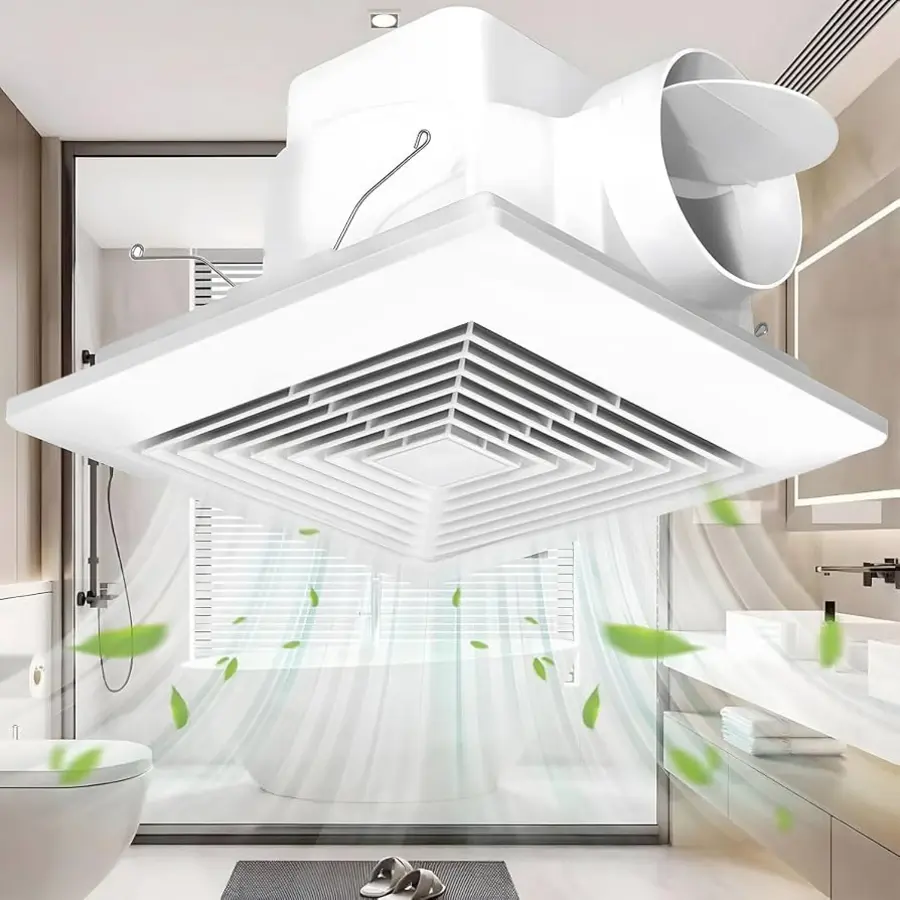
Install a high-quality extractor fan suited to the bathroom and its layout. It should exhaust moisture appropriately rather than simply moving air around the room. Windows can support airflow, but they may not provide consistent ventilation by themselves.
Keep vents clear and clean the fan according to its care requirements. A neglected fan cannot manage moisture as effectively, regardless of its initial quality.
Consider Grout-Free Wall Panels Instead of Standard Tile
Acrylic or PVC wall panels provide a grout-free alternative to conventional shower tile. Their continuous surfaces are water-resistant and can usually be cleaned with a simple wipe, without scrubbing rows of grout joints.
Panels are especially practical for homeowners who dislike maintaining tiled shower walls. They can also create a clean, contemporary appearance when seams and edges are carefully planned.
Correct installation remains essential. Joints, penetrations, and transitions must be detailed to keep water from reaching the wall behind the panel. Follow the manufacturer’s cleaning guidance to avoid damaging the finish.
Reduce Contact with Touchless Taps and Smart Controls
Touchless faucets reduce the need to handle taps with wet or soiled hands. Less direct contact can limit bacteria transfer as well as the fingerprints and water marks left on frequently touched surfaces.
Smart shower controls and other contact-reducing fixtures may similarly minimize repeated handling. They will not eliminate cleaning, but smooth controls with fewer touchpoints can make wipe-downs more efficient.
Choose technology for practical value rather than novelty. Complicated devices may introduce additional care requirements, so look for streamlined fixtures that are easy to access and clean.
Use Streamlined Storage to Keep Surfaces Clear
Bottles, cosmetics, towels, and grooming tools make it harder to wipe counters and collect dust around their bases. Built-in storage keeps these items close at hand while allowing major surfaces to remain clear.
Useful options include:
- A vanity with drawers rather than a crowded open shelf
- A recessed cabinet for everyday toiletries
- A simple shower niche with minimal joints
- Closed storage for spare products and cleaning supplies
- Hooks or rails that keep towels off floors and counters
Avoid creating more storage than you need. Overfilled cupboards are harder to organize, while too many open shelves simply add dust-catching surfaces.
Bathroom Design Choices That Increase Cleaning Work
Some bathrooms become demanding because individual finishes were chosen without considering how they work as a complete room. Numerous joints, poor airflow, and highly detailed fixtures can turn routine cleaning into a lengthy task.
Before purchasing a product, look beyond its showroom appearance. Consider how easily you can reach behind it, whether it introduces seams or tracks, and how it will respond to regular exposure to water.
Avoid Covering the Room in Small Tiles
Small tiles can create an attractive pattern, but they also require far more grout than large-format alternatives. Covering shower walls or an entire bathroom in mosaics produces many joints that may discolor or collect residue.
If you like the appearance of small tile, use it selectively as an accent rather than across every wet surface. Choose larger tiles or panels for the areas that receive the most water and need the most frequent cleaning.
This compromise provides visual detail without committing the whole room to a grout-heavy maintenance routine.
Do Not Underestimate the Need for Ventilation
Poor airflow allows humid air to remain in the bathroom after bathing. Surfaces take longer to dry, condensation persists, and mould or moisture-related problems become more difficult to control.
Ventilation should be part of the design plan, not an afterthought. Include an effective extractor fan and provide appropriate airflow through the room. A powerful fan offers limited value if it is poorly positioned, obstructed, or rarely used.
Keeping the bathroom dry between uses is one of the most important steps in reducing both cleaning and long-term maintenance.
Steer Clear of Fixtures with Unnecessary Detail
Intricate handles, ornate tap bases, deep grooves, and elaborate trim give residue more edges to cling to. Cleaning them can require brushes and detailed handwork rather than a quick wipe.
For an easier-care room, favor fixtures with:
- Smooth faces
- Simple handles or touchless operation
- Minimal seams
- Accessible connections
- Straightforward profiles
Simple does not have to mean plain. Well-proportioned fixtures with consistent finishes can create a polished design without introducing excessive detail.
Materials That Make Bathroom Cleaning Easier
Material selection directly affects how often the bathroom needs attention and how difficult that work will be. Prioritize non-porous, stain-resistant, and water-safe options, particularly around showers, basins, and floors.
Also consider the joints, adhesives, sealants, and installation method. An easy-care surface cannot compensate for a system that is unsuitable for a wet room.
Durable, Water-Safe Flooring Options
Porcelain tile is a strong bathroom flooring choice because it is non-porous and resists water. Larger tile sizes reduce grout joints, while a suitable finish can balance easy cleaning with the practical needs of a wet floor.
Water-resistant luxury vinyl offers a warmer-looking alternative and can be straightforward to clean. Confirm that the specific product, adhesive, subfloor preparation, and installation method are approved for bathroom use.
Be cautious with floating bathroom floors. Moisture can reach edges or work underneath the surface, potentially causing damage and increasing maintenance. A properly specified, water-safe installation is preferable to choosing a floating system solely because it appears easier to fit.
Low-Upkeep Countertop Surfaces
Quartz is stain-resistant, non-porous, and easy to wipe, making it a dependable choice around a basin. Its consistent surface also complements streamlined vanities and contemporary bathroom designs.
Solid-surface countertops are another easy-care option. They provide a smooth finish with fewer dirt-catching transitions, particularly when the basin and counter are designed as an integrated arrangement.
Whatever material you select, minimize unnecessary seams and keep the junction around the faucet accessible. A durable countertop becomes frustrating if tight fixture placement prevents effective cleaning.
Easy-Care Choices for Shower Walls and Splash Areas
Acrylic shower panels remove the grout-cleaning demands associated with tiled walls. Their broad, water-resistant surfaces are practical for showers and other frequently splashed areas.
Tempered glass is another streamlined choice for screens and splash protection. Its smooth surface resists water staining more effectively when paired with water-repellent protection and regular light wiping. Frameless installations further reduce grime-catching tracks and trim.
The best choice depends on your cleaning habits. If you prefer a quick wipe without grout care, acrylic panels may be ideal. If you value an open appearance and are prepared to squeegee the surface, protected tempered glass can deliver a clean, modern result.