Low Profile vs Raised Shower Trays: Which Is Right for Your Bathroom?
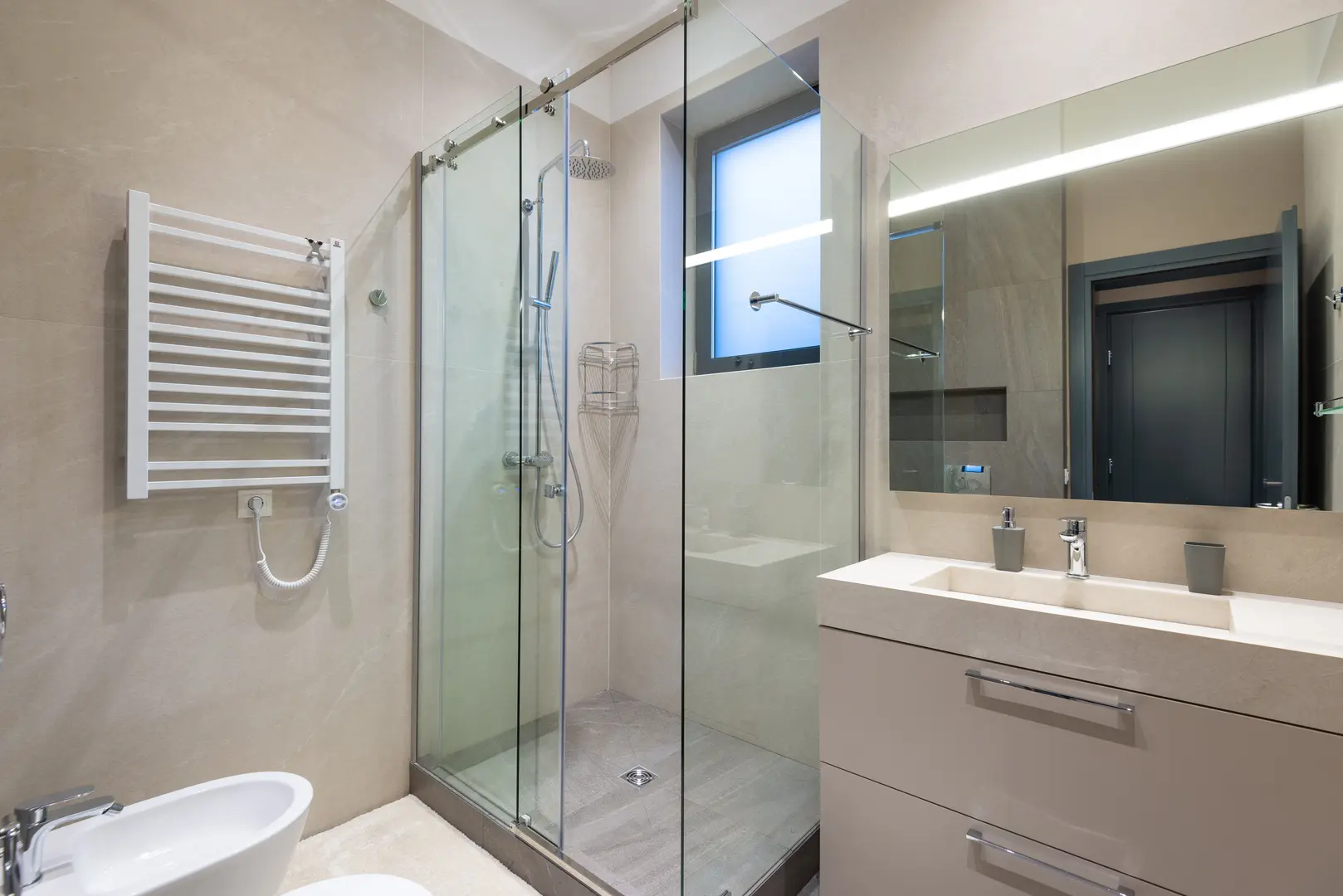
Choosing between low profile vs raised shower trays affects much more than the appearance of a shower. Tray height influences access, drainage, installation work, cleaning and the overall renovation budget. While a low-profile tray creates a streamlined, contemporary finish, a raised tray can be easier to fit when existing plumbing cannot accommodate floor-level drainage.
Understanding how each option works will help you select a tray that suits your bathroom layout as well as your design preferences.
Understanding Low-Profile Shower Trays
A low-profile shower tray has a thin design that sits close to the bathroom floor. Its shallow edge reduces the visual divide between the shower and the rest of the room, creating the open appearance associated with modern bathrooms and wet-room-inspired layouts.
Because there is less height beneath the tray, the waste pipe and drainage system must be planned carefully. Effective drainage is essential to remove water efficiently without relying on the additional space available beneath a raised installation.
Typical Design and Construction Features
Low-profile shower trays are typically between 25mm and 40mm high. Although they are not necessarily completely flush with the floor, their slim construction creates a much smaller step than a traditional raised tray.
Common construction materials include:
- Acrylic, which is widely used for lightweight shower fittings
- Stone resin, which provides a more substantial feel
- Ceramic, a familiar bathroom material with a smooth surface
These trays work particularly well in contemporary shower installations where plumbing can be arranged around the shallow design. The drainage outlet needs an efficient connection to the waste system, as there is limited space beneath the tray for pipework and adjustments.
Depending on the existing bathroom, fitting the waste may require modifications below floor level. This should be considered during planning rather than after the tray has been selected.
Advantages of Choosing a Low-Profile Tray
The most obvious advantage is the sleek appearance. A slim tray looks less intrusive, allowing the enclosure, wall finishes and other decorative features to take visual priority. This can make the shower area feel more integrated with the bathroom.
Other benefits include:
- A minimal entry step: The lower edge is generally easier to cross than the step of a raised tray.
- Improved everyday access: It can be a more practical choice for users who find high steps inconvenient.
- Simple cleaning: The shallow profile creates a clean transition around the shower area.
- Wet-room compatibility: The understated design complements bathrooms intended to have an open, floor-level appearance.
- A contemporary finish: Low-profile trays suit streamlined enclosures and modern bathroom schemes.
A low-profile tray can provide some of the visual qualities of a wet room while still defining the shower area and helping to contain water.
Potential Drawbacks of Low-Profile Trays
A low tray is not automatically suitable for every bathroom. The primary concern is whether the drainage can be installed at the necessary level. If the waste pipe cannot be positioned beneath or beside the tray with an effective flow, additional work may be required.
Installation may involve modifying the floor to create space for the waste connection. This makes the process more complex than placing a tray above the existing floor, especially in a completed bathroom or a property where access below the floor is limited.
Older plumbing systems can also restrict the options. If existing pipes were designed for a higher shower base, adapting them to a low-profile tray may require more extensive changes. Those additional drainage and floor works can increase both the installation time and the total cost.
How Raised Shower Trays Work
A raised shower tray sits noticeably above the bathroom floor, creating a distinct step into the enclosure. The additional height provides space underneath for the waste trap and connecting pipework.
This design is particularly useful where floor-level drainage is impractical. Instead of altering the floor to accommodate the plumbing, the installer can use the space below the tray to arrange the waste connection.
Raised trays are available in materials including acrylic, stone resin and fibreglass. Although they have a more substantial visual profile, they remain a practical option for many new installations and bathroom updates.
Key Characteristics of Raised Shower Trays
Raised shower trays are generally between 90mm and 150mm high. This additional depth provides room for an integrated waste trap and makes it easier to connect the tray to existing drainage.
The design can be especially suitable for older plumbing systems. Where waste pipes are positioned above floor level or cannot easily be moved, raising the tray allows the shower to connect to them without major floor modifications.
The step-up appearance is a defining feature rather than something that can be completely concealed. As a result, the tray becomes a more noticeable part of the shower enclosure and overall bathroom design.
Benefits of Installing a Raised Tray
Installation is one of the main reasons to choose a raised tray. The space below the shower base gives the installer more flexibility when positioning and connecting the waste. Fewer floor adjustments are generally needed, which can make the installation more straightforward.
The added height may also support effective drainage flow by providing more room for the waste system. Other potential advantages include:
- Simpler plumbing access: Pipework can be arranged beneath the tray rather than recessed into the floor.
- Flexible positioning: The tray may be easier to place where existing waste connections dictate the shower location.
- Lower installation costs: Reduced floor work can make this the more affordable option.
- Suitability for older bathrooms: Existing plumbing may be accommodated without extensive alterations.
- Strong water containment: The deeper perimeter creates a clear boundary around the shower area.
For renovation projects with limited flexibility, these practical benefits can outweigh the tray’s more visible profile.
Limitations of Raised Shower Trays
The entry step is the most important drawback. A tray that sits 90mm to 150mm above the floor may be inconvenient for people who have difficulty stepping over raised edges. It is therefore less suitable where easier entry is a priority.
Raised trays also have a bulkier appearance. Rather than blending into the floor, the shower base forms a distinct visual block. This may not complement bathrooms designed around clean lines and minimal transitions.
Cleaning can be more involved as well. The deeper profile and more pronounced junction between the tray and floor create a less streamlined area than a shallow tray. Although this does not prevent a raised model from being practical, it is worth considering when ease of maintenance is important.
Low-Profile and Raised Trays Compared
The main differences between low-profile and raised trays can be summarised as follows:
| Consideration | Low-profile tray | Raised tray |
|---|---|---|
| Typical height | 25mm to 40mm | 90mm to 150mm |
| Appearance | Slim, sleek and contemporary | More substantial and noticeable |
| Entry | Minimal step | Distinct step-up |
| Installation | May require floor and drainage modifications | Usually needs fewer floor adjustments |
| Drainage | Depends heavily on an effective drainage design | More space for the waste and drainage flow |
| Plumbing suitability | Best where low-level drainage is practical | Often suitable for older plumbing |
| Cost | May cost more because of installation work | Generally the more affordable option |
| Cleaning | Streamlined profile is easier to clean | Deeper profile can be harder to clean |
Neither option is universally better. The right result depends on how the design interacts with the room, the plumbing and the needs of the people using the shower.
Installation Work and Plumbing Requirements
Low-profile trays often require more preparation. The installer may need to create space within or below the floor for the waste connection. If the floor or drainage layout cannot accommodate this, additional modifications will be necessary.
This complexity is particularly relevant in older bathrooms, where the existing waste may not be positioned for a shallow installation. Selecting the tray based on appearance alone could result in unexpected plumbing work.
Raised trays usually involve fewer adjustments because the necessary pipework can fit beneath the shower base. This makes them a straightforward choice when the existing waste connection is above floor level or difficult to relocate.
Before choosing either type, the available depth and waste position should be assessed. Confirming these details early can prevent the design from conflicting with the practical installation requirements.
Access, Entry Height, and Everyday Use
Low-profile trays generally offer easier entry. Their 25mm to 40mm height creates a small threshold, making them convenient for users who prefer not to step over a high edge. The shallow transition also supports the open feel of wet-room-style bathrooms.
A low-profile tray should not automatically be treated as completely step-free, however. Unless it is installed flush with the surrounding floor, there will still be a slight lip.
Raised trays require users to negotiate a more noticeable step. That may be acceptable in many households, but it can be inconvenient for people with mobility limitations. Consider who will use the bathroom now and whether their requirements may change over time.
Drainage Performance and Water Containment
Raised shower trays provide more space for the waste trap and connecting pipes. Their height can support effective drainage flow, while the deeper edge creates a strong boundary for containing water within the shower.
Low-profile trays can also drain effectively, but performance depends more closely on the drainage design. The outlet, waste connection and available space below the tray must work together. There is less room to compensate for an unsuitable pipe position.
In both cases, the tray must be installed correctly and connected to an appropriate waste system. Tray height alone does not replace careful drainage planning.
Visual Style and Available Design Choices
For modern visual appeal, low-profile trays have a clear advantage. Their shallow form sits discreetly beneath the enclosure and helps the bathroom feel continuous and open. They are well suited to simple finishes, clean lines and wet-room-inspired décor.
Raised trays look more substantial because the step and deeper side are visible. This can interrupt the floor-level flow, particularly in a compact room where every fitting has a strong visual presence.
Material choices are available for both designs. Low-profile trays may be made from acrylic, stone resin or ceramic, while raised models commonly use acrylic, stone resin or fibreglass. The overall effect therefore depends on both the tray height and its construction.
Comparing Costs and Installation Budgets
Raised trays are generally the more affordable choice because they can be installed with fewer modifications. Their under-tray space allows existing pipework to be used more easily, reducing the need for floor alterations.
A low-profile tray may involve higher installation costs even if the tray itself is within budget. Possible additional work includes adapting the floor and repositioning or modifying drainage connections.
When comparing prices, consider the complete installed cost rather than the purchase price alone. A useful budget should account for:
- The shower tray
- The waste connection
- Necessary plumbing changes
- Floor modifications
- Installation work
If the existing drainage already suits a shallow tray, the cost difference may be less significant. Where substantial alterations are necessary, a raised model can offer better value.
Choosing the Best Shower Tray for Your Needs
Begin with the bathroom layout and plumbing rather than appearance alone. Establish where the waste is located, whether there is room below the floor and how easily the pipework can be modified. These details will show whether a low-profile installation is practical.
A low-profile tray is likely to suit your bathroom if you want:
- A sleek, contemporary design
- A minimal entry step
- Easier everyday access
- A streamlined surface that is simple to clean
- A wet-room-style appearance
A raised tray may be the better choice if you need:
- A straightforward installation
- Space beneath the tray for pipework
- Compatibility with older plumbing
- Flexibility in positioning the shower
- A generally more cost-effective solution
Accessibility should be assessed alongside design and budget. If a higher step could make the shower inconvenient, the additional installation work for a shallow tray may be worthwhile. Conversely, if drainage access is restricted and users are comfortable with a raised entry, there may be little practical reason to modify the floor.
Making the Final Shower Tray Decision
The choice between low-profile and raised shower trays should reflect the bathroom’s layout, drainage system, users and decorative style. Low-profile trays offer a modern look, easier entry and a streamlined finish, but they require suitable drainage and can involve more complex floor work. Raised trays are usually easier and more affordable to install, particularly with older plumbing, though their higher step and bulkier appearance may not suit every bathroom.
Whichever type you choose, the shower tray performs two essential roles: defining the shower area and helping to prevent water from leaking into the surrounding bathroom. For a sleek finish and minimal step, choose low profile where the drainage allows it. For a practical installation with flexible plumbing space, a raised tray is often the more straightforward solution.