Rainfall Shower Heads: A Guide to Luxury Rainfall Showers
Rainfall shower heads bring a sense of everyday luxury to the bathroom by recreating the soft, enveloping feeling of standing in warm rain. Instead of directing a narrow, concentrated spray at the body, they distribute water across a broad surface. The result can feel soothing and refreshing at the same time.
Their appeal is not limited to comfort. A rainfall shower can also become a strong visual feature, giving the shower area a clean, stylish focal point. Understanding how the design works—and what it can and cannot do about issues such as hard water—will help you decide whether it suits your bathroom.
What Makes a Rainfall Shower Different?
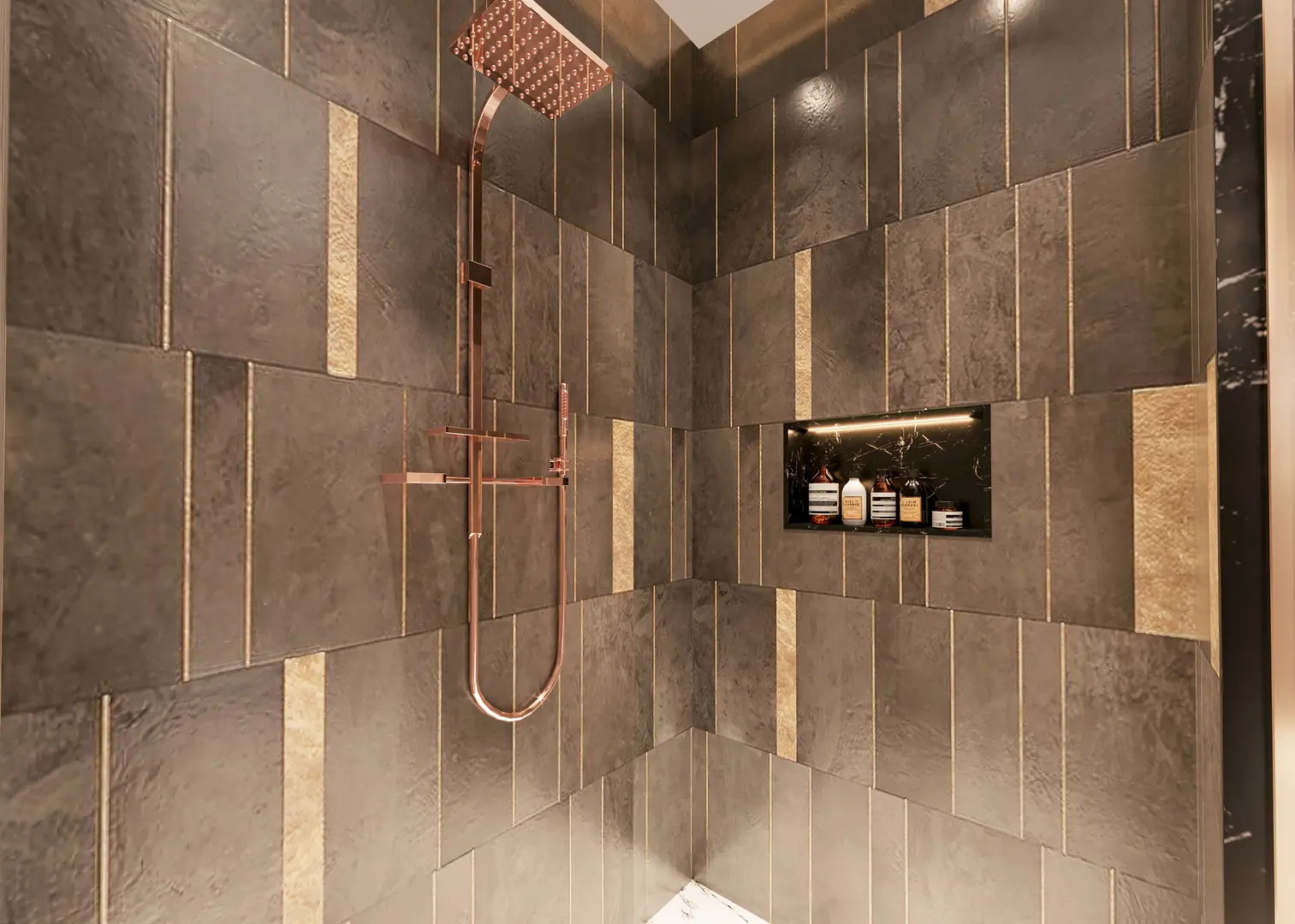
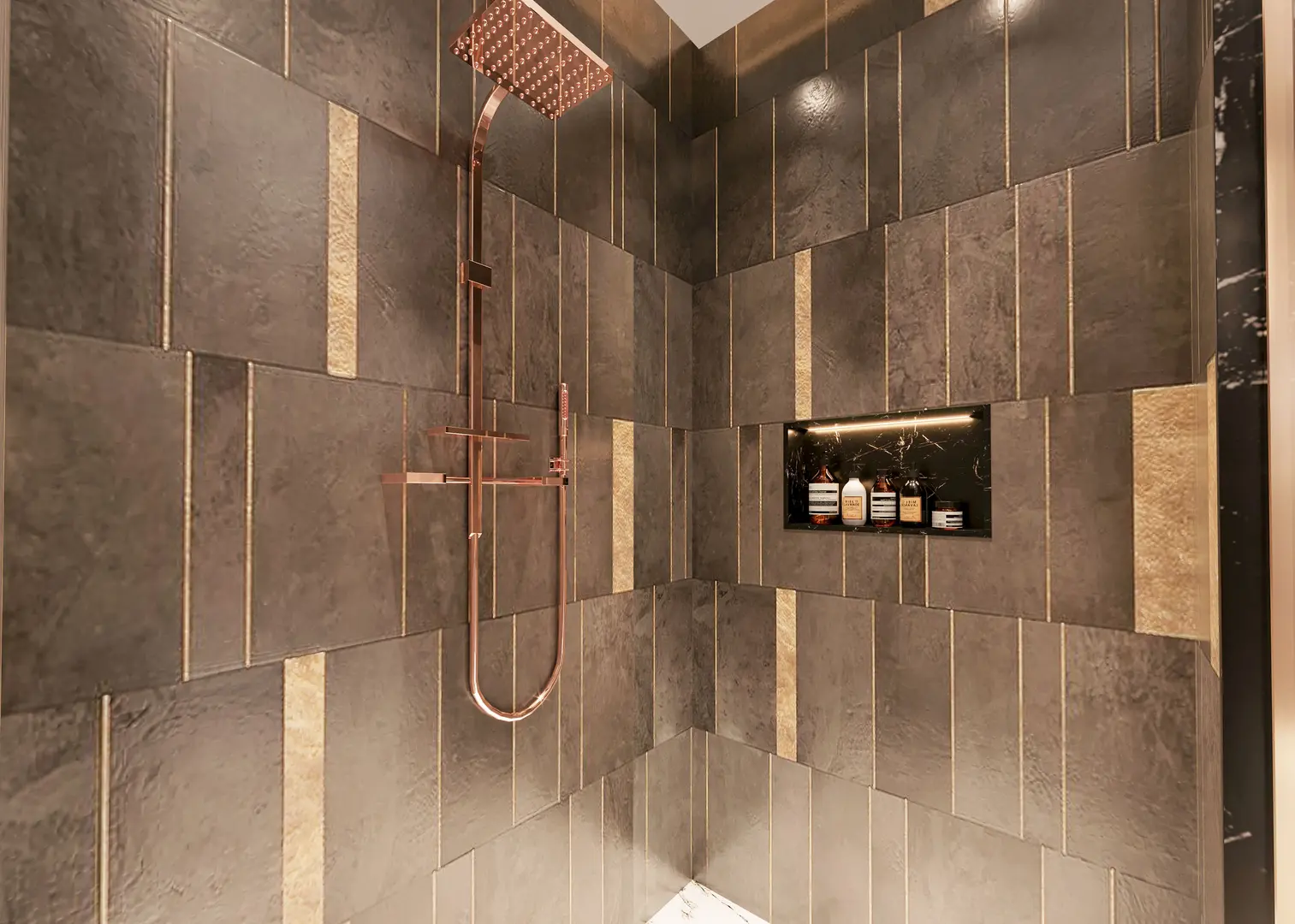
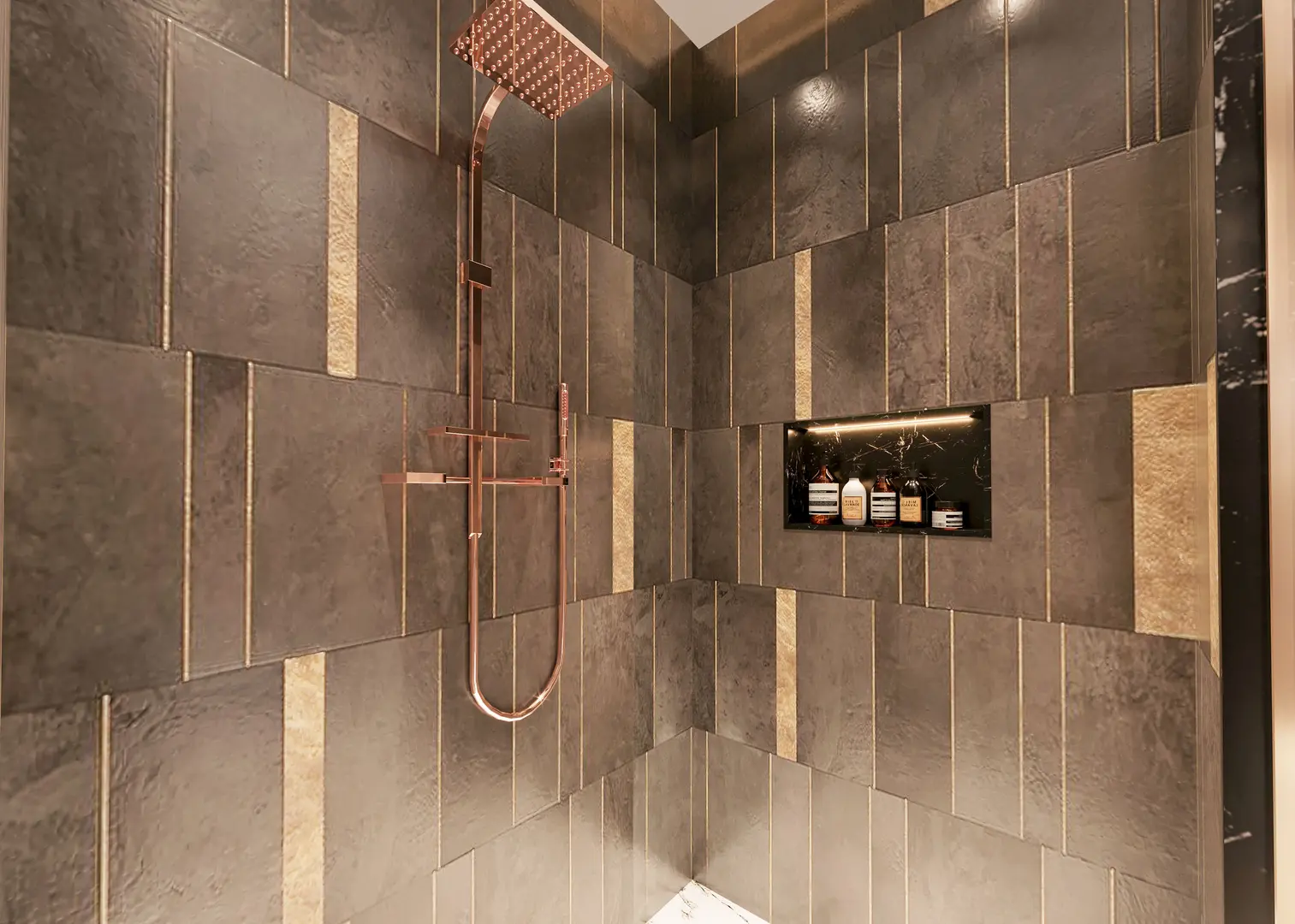
A rainfall shower is designed to imitate the sensation of falling raindrops. Water is released through many openings across a wide shower face, producing a broad spray rather than the more focused stream associated with an ordinary shower head.
This larger surface area is the main distinction. A conventional shower head may concentrate water over a relatively limited area, requiring you to turn or move beneath the spray. Rainfall shower heads aim to create more even coverage, allowing the water to fall over a wider part of the body.
The sensation is generally gentle, but gentle does not have to mean ineffective. The large spray face distributes water across many outlets, creating an enveloping shower that can still rinse comfortably. Instead of relying on a sharp or forceful stream, the experience comes from the combined coverage of many individual droplets.
The defining qualities of a rainfall shower include:
- A broad shower face with a larger surface area
- Water distributed through numerous spray openings
- A soft, rain-inspired sensation
- Wide, comfortable coverage
- A balance between relaxation and refreshment
- A design intended to feel luxurious as well as practical
Position also contributes to the rainfall effect. When the shower head is placed overhead, water can fall naturally downward, making the experience feel more like rain. Some rainfall designs extend from the wall, while others are positioned from the ceiling. In either case, alignment matters: the more directly the shower head sits above the user, the more convincing the falling-rain sensation is likely to feel.
That does not mean every rainfall shower experience is identical. The character of the spray can vary among designs. The number and arrangement of the outlets, the shape of the shower face, and the way it is positioned all influence how the water feels. Some people prefer a very soft, relaxing spray, while others want a rainfall sensation that also feels invigorating.
The shape is largely an aesthetic decision. Round rainfall shower heads can give a bathroom a softer, more traditional look, while square or rectangular designs often suit modern interiors. Shape alone does not define the quality of the experience; the overall distribution of water is more important.
It is also worth considering how you normally use your shower. A fixed rainfall shower is ideal for standing beneath a broad overhead spray. However, a fixed head does not offer the same directional flexibility as a handheld shower. If you want both an enveloping rainfall effect and targeted rinsing, a setup that includes a separate handheld component may be more convenient.
Before choosing a design, consider:
- Placement: Decide whether the shower head will sit directly overhead or extend from a wall.
- Available space: A broad spray should fit comfortably within the shower area.
- Preferred sensation: Think about whether you enjoy gentle coverage or a more concentrated spray.
- Daily practicality: Consider washing hair, rinsing the enclosure, and other routine tasks.
- Visual style: Choose a shape and finish that coordinate with the rest of the bathroom.
A rainfall shower is therefore more than an oversized fitting. Its large surface, wide distribution, and overhead feel work together to create the impression of natural rainfall. This combination distinguishes it from an ordinary shower head and explains why it is often associated with luxurious bathroom design.
Benefits of Choosing Rainfall Shower Heads
The most obvious benefit of rainfall shower heads is the spa-like experience they can create at home. A broad, gentle spray can make the shower feel less like a purely functional routine and more like time set aside to relax.
Because the water falls across a larger area, the sensation can feel immersive. The spray surrounds more of the body at once, helping create a calm and comfortable atmosphere. At the same time, the rainfall effect can still feel refreshing, especially when you want an invigorating start to the day or a relaxing transition at the end of it.
This combination of relaxation and invigoration is central to the appeal. The spray is not usually defined by one narrow, forceful stream. Instead, many droplets work together to provide broad coverage. For people who find concentrated sprays too harsh, that softer distribution may be especially attractive.
Rainfall shower heads also have strong decorative value. Their generous proportions make them noticeable, even in a simple shower enclosure. A carefully chosen model can contribute to a streamlined, contemporary look or complement a more classic bathroom, depending on its shape and finish.
The clean visual effect can be particularly useful when you want the shower itself to serve as a design feature. A broad circular head can introduce smooth curves, while a square design can reinforce straight lines and geometric details. Matching the finish with nearby controls and fittings helps create a more coordinated appearance.
Another potential advantage is cleaning access. The larger, flatter surface found on many rainfall designs can be straightforward to wipe because much of the face is visible and accessible. Regular wiping can help remove surface residue before it becomes more noticeable.
However, a larger face still contains many individual water outlets, and these need attention. Mineral deposits can collect around the openings, particularly in hard-water areas. Ease of cleaning therefore depends not only on size but also on whether the spray face and outlets can be reached comfortably.
A simple maintenance routine may include:
- Wiping the shower face regularly
- Checking the outlets for visible buildup
- Cleaning deposits before they become stubborn
- Following the care guidance provided for the specific finish
- Avoiding cleaning methods that could damage the surface
The main benefits can be summarized as follows:
| Benefit | What it adds to the shower |
|---|---|
| Rain-inspired spray | A distinctive sensation that feels soft and enveloping |
| Larger surface area | Broader water coverage than an ordinary shower head |
| Spa-like atmosphere | A more relaxing experience at home |
| Stylish appearance | A prominent feature that can enhance the bathroom design |
| Gentle but useful spray | Comfortable coverage without depending on a narrow stream |
| Accessible surface | A broad face that can be convenient to wipe and inspect |
There are practical preferences to consider as well. Someone who enjoys a strong, narrowly directed spray may find a rainfall shower different from what they are used to. The defining quality is broad distribution, so the experience should be judged on coverage and comfort rather than on how concentrated the stream feels.
Placement can also determine how well the shower works for you. If the head is not positioned where you naturally stand, you may not receive the full rainfall effect. Likewise, the shower enclosure needs to accommodate the broad spray comfortably. Looking at the entire shower layout—not only the appearance of the fitting—helps avoid disappointment.
It is useful to separate genuine benefits from assumptions. A rainfall shower head can improve the feel and style of a shower, but it does not automatically change the mineral content of the household water. If limescale, residue, or hard water is a concern, the type of water treatment matters more than the size or shape of the shower head.
Do Shower Head Filters Help With Hard Water?
Shower head filters and water softeners do not perform the same function. This distinction is important when buying rainfall shower heads for homes with hard water.
Shower filters are generally intended to reduce substances such as chlorine. They do not usually soften water by removing the minerals responsible for hardness. As a result, fitting a filtered shower head should not be treated as a reliable way to stop hard-water deposits.
This is a frequent source of confusion. A product described as a filter may improve certain characteristics of the shower water without changing its hardness. If your main concern is mineral buildup on the shower head, glass, or surrounding surfaces, a standard shower filter may not solve the underlying problem.
User experiences are mixed. Some people are skeptical of filter claims because they continue to see signs of hard water after installation. Others report that their skin or hair feels better when using a filter. Those experiences are not necessarily contradictory: a filter may reduce chlorine or alter the user’s perception of the water while leaving the hardness minerals largely unchanged.
It helps to separate three different goals:
- Reducing chlorine: This is a common purpose of shower filtration.
- Softening hard water: Standard shower head filters generally do not accomplish this.
- Controlling visible buildup: Regular cleaning can remove deposits, but it does not change the water itself.
Performance and user satisfaction can also vary between specific shower head brands and filter designs. Construction, filter media, maintenance requirements, and replacement schedules are not identical across all products. For that reason, broad claims that every filter works—or that none provides any noticeable benefit—are not particularly useful.
When comparing options, read the manufacturer’s description carefully. Look for a clear explanation of what the filter is designed to reduce rather than assuming that the words “filtered” and “softened” are interchangeable. Reviews can reveal practical experiences with a particular model, but personal reports should be treated as anecdotal rather than proof that a filter softens water.
For mineral buildup on rainfall shower heads, vinegar is a commonly used maintenance option. It can help loosen or reduce deposits around the spray openings and across the shower face. This may restore a cleaner appearance and keep blocked outlets from interfering with the spray pattern.
A basic approach is to:
- Follow the shower head manufacturer’s cleaning instructions first.
- Apply or soak with vinegar only if it is suitable for the material and finish.
- Allow time for the deposits to loosen.
- Wipe the surface gently and clear residue from the outlets.
- Rinse the shower head thoroughly.
Vinegar cleaning has clear limitations. It must be repeated as new buildup appears, and it does not soften the incoming water. It is a maintenance measure rather than a water-treatment solution. Care is also important because not every decorative finish should be exposed to the same cleaning substances or soaking method.
In a hard-water area, regular attention is particularly valuable for rainfall shower heads because their broad faces contain many outlets. Keeping those openings clear helps preserve the intended wide, gentle spray. Allowing deposits to accumulate may make the water distribution less even.
The most practical strategy is to match the solution to the problem. Choose a shower filter if its stated filtration purpose addresses your concern. Use routine cleaning to manage deposits on the fitting. If actual water softening is the priority, do not assume that a filter built into a shower head will provide it.
Ultimately, rainfall shower heads are chosen for their spacious spray, relaxing sensation, and stylish presence. With realistic expectations about filtration and a consistent cleaning routine, they can maintain their distinctive rainfall effect while adding a luxurious finishing touch to the bathroom.