Matching Bathroom Hardware Finishes: Gold, Bronze, and Mixed Metals
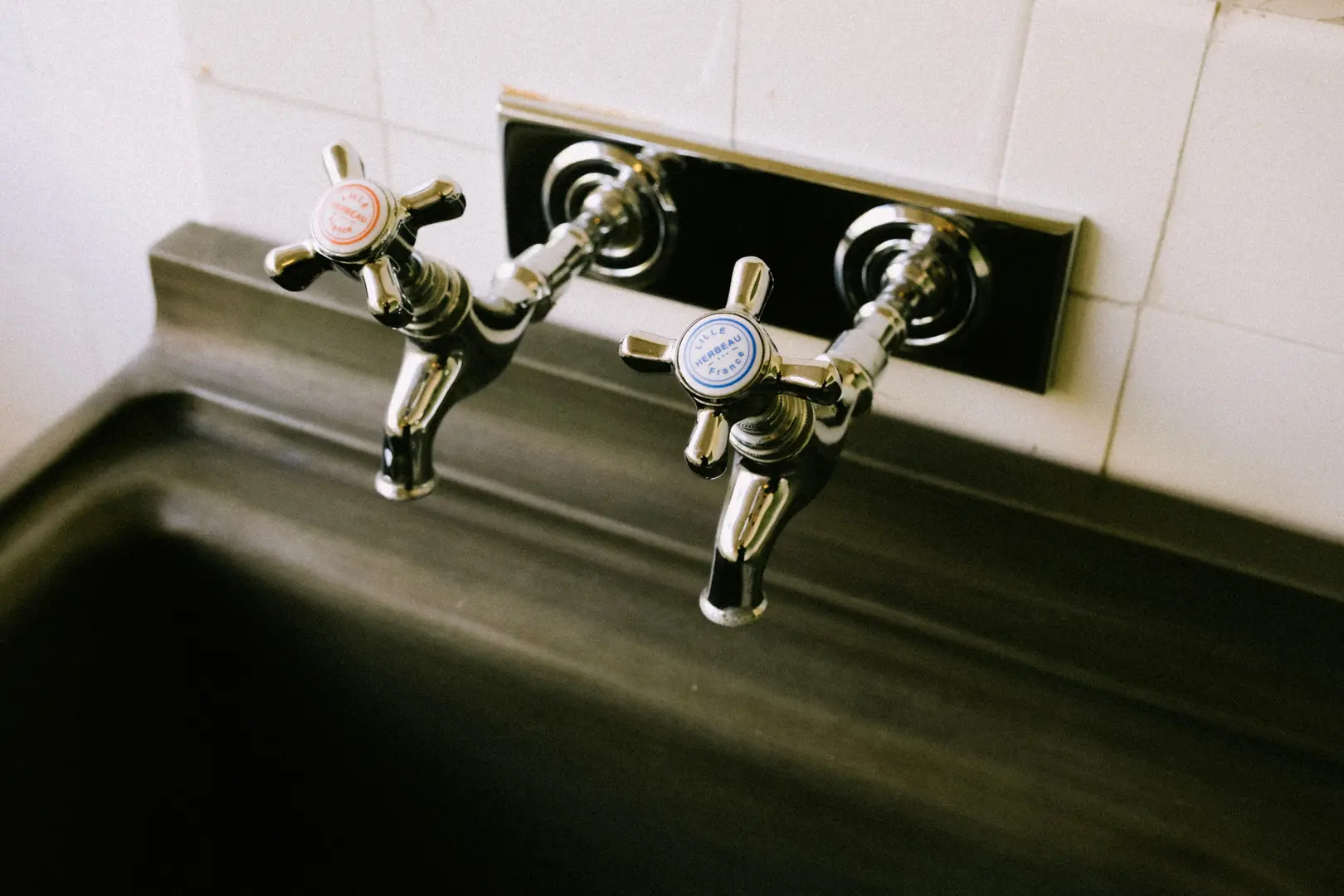
Choosing the right finishes for your bathroom hardware can feel overwhelming, especially when you’re confronted with polished brass, brushed nickel, matte black, and a dozen other options. While many guides focus on aesthetics alone, real-world factors like water hardness and daily maintenance can make or break your satisfaction with a finish. This article draws on both design expertise and actual user experiences to help you match bathroom hardware finishes with confidence.
Homeowners often begin their search by browsing showrooms or online galleries, drawn to the look of a particular finish. But once installed, the reality of daily use—especially in homes with hard water—can turn a beautiful choice into a constant frustration. User reports highlight that even after careful selection, some finishes demand obsessive wiping to stay presentable. Others, by contrast, seem to shrug off spots and stains. Understanding these differences before you buy can save you time, money, and cleaning effort.
We’ll start by looking at the pros and cons of popular faucet finishes as outlined by a design professional, then dive into the practical concerns that homeowners in hard-water areas face. Finally, we’ll settle the debate between matte black and brushed nickel with firsthand accounts of cleaning and care.
The Pros and Cons of 9 Popular Bathroom Faucet Finishes
Designer Michelle Lauren notes that choosing a bathroom faucet finish often stumps people, and her crash course covers nine popular options. One of the most enduring favorites is polished brass. According to Lauren, polished brass is an all-time favorite finish. Its advantages include being easy to clean, easy to find, durable, and simple to match with accessories and other fixtures. The finish lends a vintage look to a bathroom, as seen in one of her featured examples. The full list of nine finishes also includes satin brass, oil‑rubbed bronze, copper, satin bronze, polished nickel, brushed nickel, chrome, and matte black. While detailed pros and cons for those finishes are not fully available in the provided evidence, Lauren’s overview offers key takeaways that apply broadly.
First, most faucets come with a lifetime warranty on finishes. If an older faucet looks tired or the finish starts to discolor, contacting the manufacturer about warranty coverage is a smart first step. Many manufacturers will replace the faucet or refinish it at no cost. Second, when selecting finishes, it’s wise to buy all fixtures and accessories from the same company to ensure a consistent color match across pieces. Finishes can vary significantly between brands—what one company calls “brushed nickel” may look warmer or cooler than another’s version. Using the same brand eliminates guesswork.
For those new to finish selection, a practical approach can simplify the decision. Start by gathering samples of the finishes you’re considering. Place them next to your existing tile, countertops, and cabinetry to see how they interact with the room’s light and color. Consider the overall style you want: polished brass and polished nickel lean traditional or vintage, while matte black and brushed nickel suit modern or transitional spaces. Chrome offers a classic, bright look that works with many styles. Oil-rubbed bronze and satin bronze add warmth and richness, often used in rustic or traditional bathrooms. Copper is a bold, living finish that patinas over time.
Beyond aesthetics, think about maintenance. The designer’s list highlights that polished brass is easy to clean and durable, but other finishes have different care requirements. For example, polished surfaces like chrome and polished nickel tend to show water spots and fingerprints more readily than brushed or satin finishes. Matte black and matte white finishes can show soap scum and toothpaste residue if not wiped regularly. Satin brass and satin bronze are more forgiving, but still require routine cleaning.
User questions reveal a common pain point: many homeowners are unsure which finish resists hard water stains best. One user specifically asked whether to choose satin or brushed, and which metal—nickel, brass, or gold—would hold up under hard water conditions. The designer’s pros-and-cons list, while excellent for general guidance, does not directly address water chemistry. This gap is significant for millions of households with hard water, and it’s why the next section dives deeper.
How Water Hardness Affects Your Finish Choice
While a designer’s pros-and-cons list helps narrow down aesthetics, it often leaves out a critical factor: water hardness. User reports highlight how hard water can dramatically affect how a finish performs over time.
Hard water contains dissolved calcium and magnesium carbonates. When water dries on a surface, these minerals are left behind as white, crusty deposits commonly called limescale. On faucets and showerheads, these deposits can build up quickly, especially around aerators and spouts. The effect on the finish depends on the surface texture and the metal itself.
One pain point comes from a homeowner living in a hard‑water zone who reported daily struggles with calcium and mineral stains on black fixtures. For them, keeping the fixtures clean became a constant chore. Another user, currently researching finishes for a bathroom in a hard‑water area, expressed uncertainty about whether to choose satin or brushed finishes, and which metal—nickel, brass, or gold—would hold up best. They are actively looking for the most stain‑resistant finish for hard‑water conditions.
These real‑world concerns point to a gap in typical finish guides: the impact of water hardness on finish selection and maintenance. The designer’s list of advantages and disadvantages, while useful for style and general durability, does not address how different finishes react to calcium and mineral deposits. For anyone living with hard water, this missing information can lead to a finish choice that looks great on showroom floors but becomes frustrating in daily use.
So what should you consider? First, understand your water hardness level. You can get a simple test kit online or from a local hardware store. If your water is moderately hard (7–10 grains per gallon) or very hard (over 10 grains), you’ll want a finish that hides or resists spotting. Satin and brushed finishes are generally better at hiding water spots than polished or glossy surfaces, because the texture scatters light and masks mineral residue. Among common metals, stainless steel and nickel alloys are naturally more resistant to corrosion and staining than brass or copper, though all can be protected by a quality clear coating. Matte black finishes are popular but can be unforgiving with hard water, as the white mineral deposits contrast sharply against the dark surface.
If you already have hard water and are set on a particular finish, consider installing a water softener or a point-of-use filter for the bathroom. Even without that, adopting a routine of drying fixtures after each use with a microfiber cloth can dramatically reduce spotting. Some users have reported success with daily wiping and occasional use of a mild vinegar solution to remove mineral buildup. The key is to choose a finish that matches your willingness to maintain it.
Real Talk: Cleaning and Care for Matte Black vs. Brushed Nickel
The debate between matte black and brushed nickel is one of the most common in bathroom remodels. User experiences reveal conflicting reports, especially when hard water comes into play.
One user with black fittings in a hard‑water zone described them as a daily struggle, battling calcium and mineral stains constantly. In contrast, another user who has had black fixtures for two years reports that they are “just fine,” but does note that soap and toothpaste residue shows up easily and requires regular cleaning to keep them presentable. This suggests that while black fixtures are not impossible to maintain, they demand consistent attention—and hard water can turn that attention into a more intensive task.
Another homeowner, currently in the middle of a bathroom remodel, is directly comparing matte black and brushed nickel and wants an unbiased verdict. The conflicting user reports illustrate that the experience with matte black can vary widely, likely depending on water hardness and cleaning habits. Brushed nickel, on the other hand, is often cited for its ability to hide water spots and fingerprints better than glossy finishes, but user evidence on its performance in hard‑water conditions is not detailed in the available reports. However, general knowledge supports that brushed nickel’s textured surface makes mineral deposits less visible, and the nickel alloy is more resistant to corrosion than some other metals.
What does this mean for your decision? Let’s break it down with practical criteria:
- Water hardness. If your water is soft (under 5 grains per gallon), matte black may be manageable with routine wiping. If water is hard or very hard, brushed nickel is likely the low‑maintenance choice because it hides spots and is easier to clean without harsh chemicals.
- Cleaning habits. Are you willing to wipe down your faucet and handles after every use? If yes, matte black can deliver the sleek, modern look you want. If you prefer a “set it and forget it” approach, brushed nickel will save you time.
- Aesthetic preference. Matte black makes a bold, contemporary statement. Brushed nickel is more neutral and versatile, pairing well with a wide range of tile and cabinet colors. Consider which fits your overall bathroom design.
- Long‑term durability. Both finishes are durable, but the care routine differs. For matte black, avoid abrasive cleaners that can scratch the delicate coating. Use a soft cloth and mild soap. For brushed nickel, avoid harsh acids that can damage the brushed texture. A simple wipe with a damp cloth and dry thoroughly.
One practical step: before committing, buy a small sample of each finish—or even a single faucet or towel bar—and install it temporarily. Live with it for a week. See how it looks after a few showers and toothbrushings. This real‑world test will tell you more than any online review.
Another caution: if you choose matte black, pay attention to the quality of the finish. Lower‑cost black fixtures may have a thin coating that wears or chips over time, especially around edges and handles. Opt for reputable brands that offer a lifetime finish warranty, as mentioned by designer Michelle Lauren. A warranty gives you recourse if the finish fails prematurely.
The takeaway for anyone weighing these two finishes: if you have hard water and are not prepared for extra wiping, matte black may require more effort than brushed nickel. However, users who adopt a regular cleaning routine have found black fixtures manageable. The missing piece in most guides is this real‑world maintenance contrast—what looks sleek in a showroom may demand a different level of daily care depending on your water and lifestyle.
Ultimately, your choice should balance visual appeal with the practical realities of your home. By considering water hardness, your cleaning preferences, and the specific care requirements of each finish, you can select hardware that stays beautiful for years without becoming a daily chore.