Maximalist Bathroom Ideas for a Bold, Personal Space
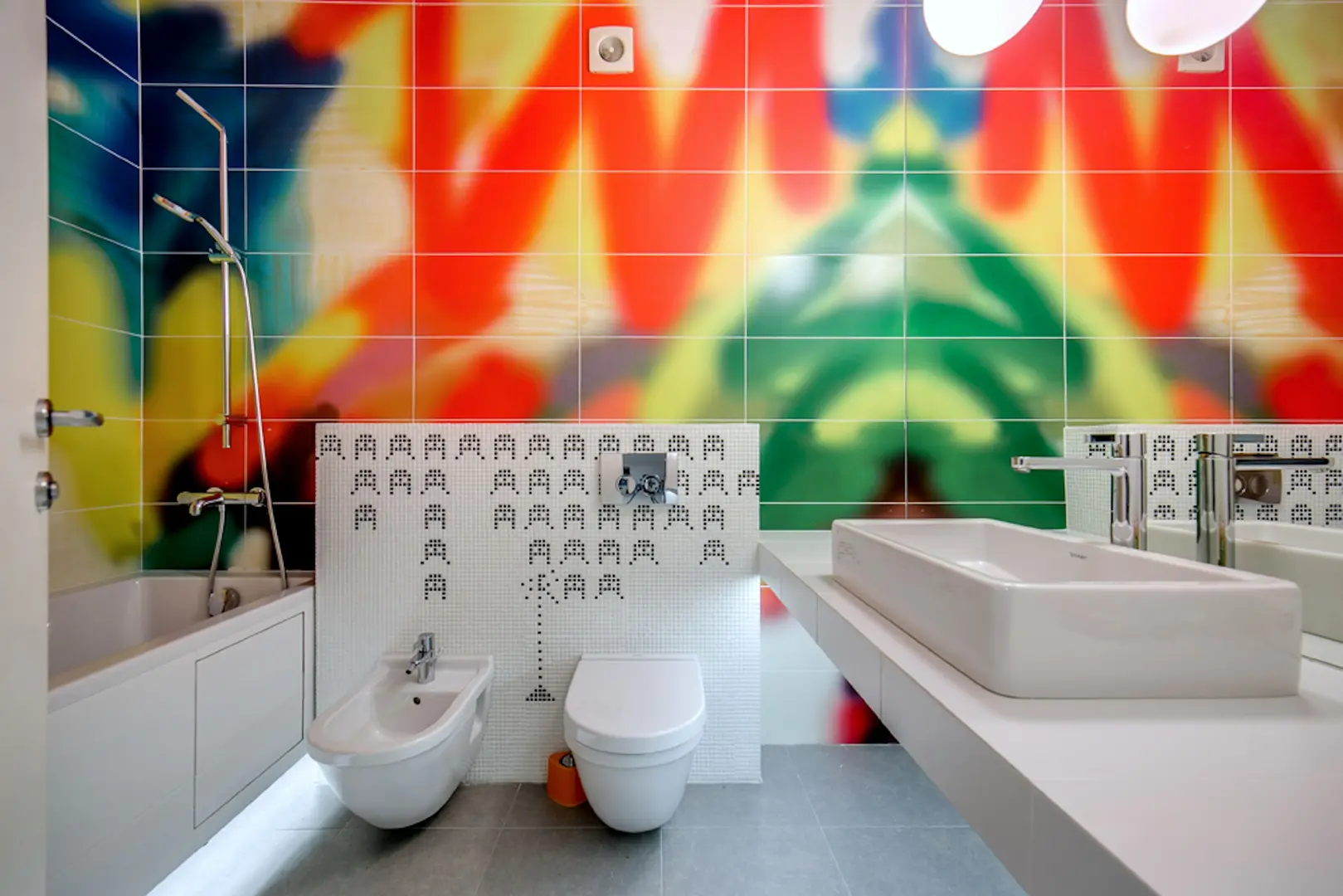
Maximalism turns the bathroom into more than a practical space. It creates an opportunity to enjoy saturated colour, expressive patterns, sculptural fixtures, and meaningful objects in one highly personal room. The best maximalist bathroom ideas are not based on filling every surface. They use deliberate choices and visual connections to produce a space that feels rich, energetic, and composed.
What Makes a Maximalist Bathroom Feel Intentional
A successful maximalist bathroom is layered rather than cluttered. Each colour, pattern, finish, and accessory should contribute to the overall composition, even when the individual pieces come from different styles or eras.
Begin by identifying a visual thread. It might be a recurring colour, a metal finish, a botanical motif, or a particular historical influence. This connection allows contrasting elements to coexist without making the room feel disorganized. For example, floral wallpaper, geometric floor tiles, and striped towels can work together when they share two or three related colours.
Order is equally important. Give the eye clear focal points instead of asking every surface to compete for attention. A dramatic vanity, mural-like wall, or freestanding bathtub can lead the design, while smaller details play supporting roles.
A cohesive palette also creates boundaries. Maximalism can contain many colours, but repeating a controlled group of shades throughout the room produces rhythm. Storage, clear countertops, and small areas of visual quiet further separate intentional abundance from everyday mess.
Build Your Design from a Strong Starting Point
Choose one bold feature as the foundation of the room. This anchor may be richly patterned floor tile, a painted ceiling, oversized wallpaper, or a wall of colourful glazed tile. Once it is established, select the remaining elements in response to it.
Texture adds depth without always adding another colour or motif. Fluted glass, veined stone, woven baskets, painted wood, plaster-like walls, and plush towels create variation that can be appreciated up close. In a compact bathroom, textural contrast may deliver as much personality as several competing patterns.
Matte and glossy finishes are especially effective together. Glossy tiles reflect light and make colour feel luminous, while matte walls, cabinetry, or flooring provide a quieter background. A polished basin against a flat-painted vanity can appear more sculptural, and brushed metal can temper the shine of mirrored or glazed surfaces.
Before making permanent choices, gather samples and view them together in the room. A successful foundation should support future layers rather than limit them. If the wall treatment already includes intense colour and complex pattern, fixtures and textiles can repeat selected details instead of introducing an entirely separate direction.
Creative Solutions for Bathroom Fixture Relocations
Moving a toilet, bathtub, or shower can add complexity to a renovation, particularly when the bathroom sits on a concrete foundation. A seemingly simple layout adjustment may require more preparation than changing finishes or replacing fixtures in their existing positions. Complex moves can also extend the project, creating inconvenience when there is no other bathroom available.
Plan the layout before demolition and distinguish between changes that are essential and those that are merely desirable. Sometimes the most creative solution is to leave the major plumbing locations intact while changing how the room looks and functions around them. Consider:
- Replacing a bulky vanity with a visually lighter design in the same location.
- Using colour or tile to turn an existing shower into the main focal point.
- Adding wall-mounted or recessed storage where the layout allows.
- Swapping dated fittings and lighting without altering the underlying arrangement.
- Using a three-piece shower kit in an appropriate confined layout where its format suits the room.
A three-piece shower kit can be easier to bring into and assemble within some tight spaces, but it is not the right answer for every configuration. Its suitability should be assessed as part of the complete layout rather than treated as a universal workaround.
Old cast iron bathtubs present another practical challenge because they are exceptionally heavy and difficult to remove. If the tub is still usable, refinishing the surrounding surfaces or changing the fittings may offer a simpler update than rebuilding the entire bathing area. When removal is necessary, plan for the handling challenge before work begins rather than discovering it midway through demolition.
These practical decisions do not have to dilute a maximalist concept. Paint, wallpaper, mirrors, lighting, hardware, textiles, and accessories can transform a bathroom even when the principal fixtures remain where they are.
Make a Confident Statement with Colour
Colour gives maximalism much of its emotional impact. Jewel tones such as emerald, sapphire, ruby, and amethyst create a luxurious atmosphere, particularly when paired with warm metallic details or dark wood. They can cover an entire room or be concentrated on a vanity, tiled shower, or ceiling.
Pastels offer a different interpretation. Powder blue, lavender, pale pink, mint, and soft yellow can become maximalist when layered together or combined with graphic patterns. Their lighter quality works well for someone who wants abundance without an intensely dark palette.
Earthy colours are another expressive option. Terracotta, ochre, moss green, rust, and clay tones bring warmth and work naturally with wood, stone-like surfaces, plants, and vintage pieces. Combining earthy shades with one brighter accent prevents the palette from feeling too restrained.
Creative painting techniques can make simple architecture more distinctive. Try a contrasting ceiling, broad bands of colour, painted trim, or a two-tone wall. Colour blocking can define the vanity or bathing zone without physically dividing the room.
Whatever palette you choose, apply it confidently. A hesitant collection of unrelated accent colours often feels less resolved than a bold shade repeated across walls, textiles, art, and small details.
Combine Patterns with Purpose
Pattern mixing works best when the designs vary in scale. Pair a large botanical wallpaper with smaller geometric floor tiles, or place a broad abstract motif beside fine stripes. If every pattern has the same visual weight, the room may feel restless.
Texture can act as a pattern too. Ribbed glass, marble-like veining, woven containers, and fluted cabinetry create movement without adding another printed design. This helps build richness while preserving clarity.
Keep at least one unifying element across the pattern mix. Shared colours are the simplest link, but repeated shapes or related themes can also create cohesion. Curved leaves in wallpaper might echo an arched mirror, while angular tiles could connect with linear cabinet hardware.
Stripes are useful as restrained accents. A striped towel, bath mat, or shower curtain can introduce structure among floral or organic motifs. Because these items are easy to change, they also allow you to adjust the pattern balance over time.
Avoid distributing every motif equally around the room. Let one pattern dominate, choose a second to support it, and use the others in smaller doses.
Choose Fixtures with Artistic Impact
In a maximalist bathroom, functional objects can also be decorative statements. A sculptural basin, colourful vanity, distinctive tap, or unusually shaped bathtub can provide the same visual impact as artwork.
Combining vintage and modern elements keeps the room from resembling a single showroom display. An ornate mirror might sit above a streamlined vanity, while traditional-style fittings can contrast with graphic contemporary tile. The goal is not to match every piece but to create meaningful relationships between them.
Bold design must still support daily use. A dramatic basin needs usable surrounding space, and an elaborate vanity should provide practical storage. Closed drawers and cabinets are particularly valuable in a visually rich room because they conceal everyday supplies that do not contribute to the design.
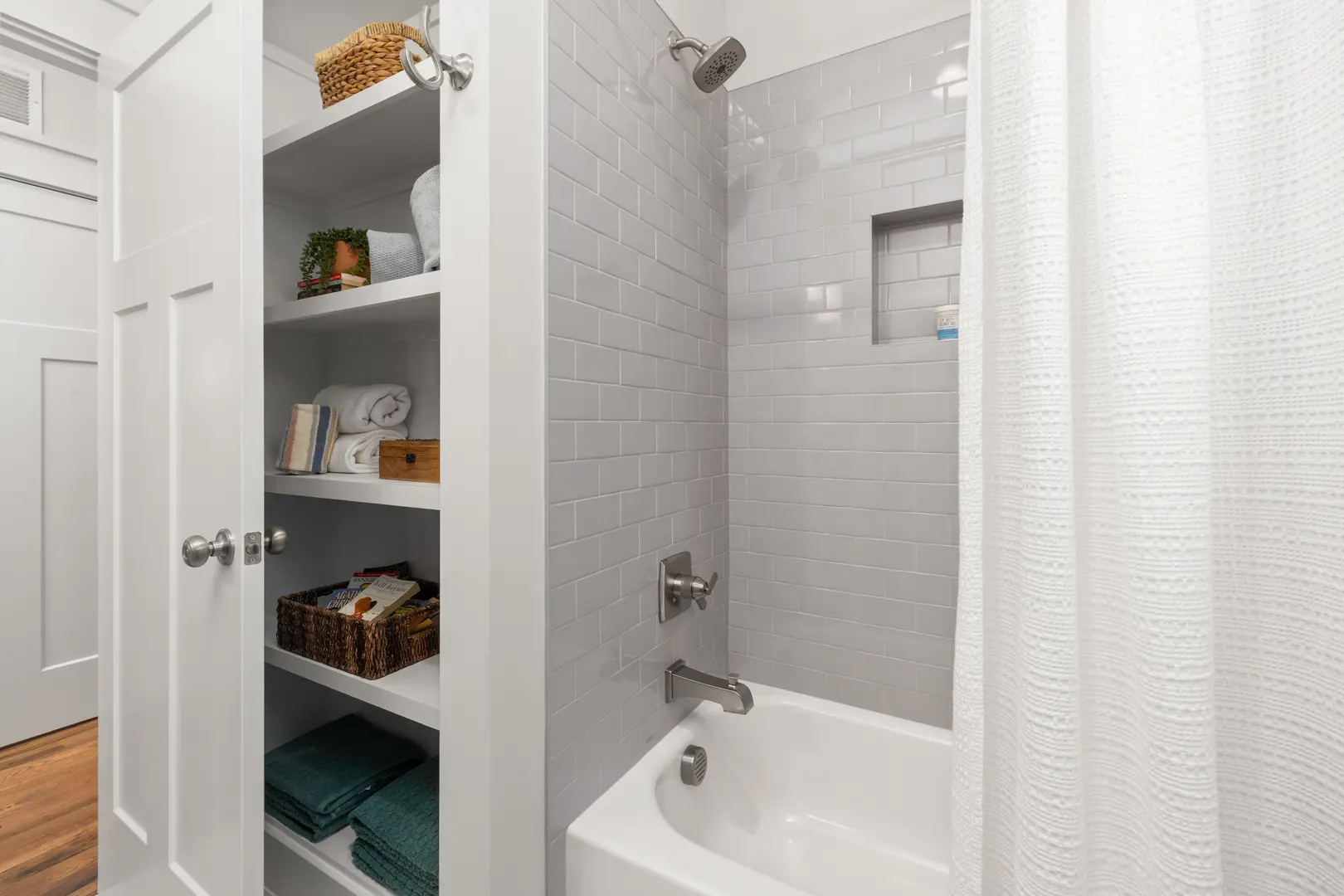
Open storage can be used selectively for attractive items such as folded towels, glass containers, candles, or a small collection. Keeping less decorative necessities behind doors allows artistic fixtures to remain the focus.
Hardware provides a smaller-scale opportunity for expression. Cabinet pulls, towel rails, hooks, and taps can repeat a chosen finish or introduce a deliberate contrast. Consistency is helpful, but every metal does not need to match exactly if the mixture appears purposeful.
Use Light and Reflection to Amplify the Look
Lighting affects how every colour and texture is perceived. Instead of relying on a single overhead source, create layers of illumination where the room allows. General lighting supports everyday use, while focused light can emphasize the vanity, textured tile, artwork, or an architectural feature.
Warm illumination can enrich jewel tones, earthy palettes, and metallic finishes. It also softens the overall mood, making an energetic design feel welcoming rather than harsh. Task lighting around the mirror should remain useful while fitting the decorative character of the room.
Treat mirrors as design elements rather than purely practical objects. An ornate vintage frame, coloured border, unusual silhouette, or oversized scale can turn a mirror into a focal point. Mirrored surfaces also repeat the surrounding palette and pattern, visually extending the design.
Reflection should be considered carefully. Position a decorative mirror so it captures an appealing feature, such as patterned tile or a pendant, rather than an untidy storage area. Glossy wall finishes and polished details can create smaller flashes of reflected light, while matte surfaces keep the room grounded.
Bring Different Design Eras Together
Maximalism allows traditional, vintage, and modern pieces to share a room. The contrast gives the space a sense of history and prevents it from feeling overly coordinated.
Start with one or two pieces that establish character. These could include an inherited cabinet adapted for storage, an antique-style mirror, a modern sculptural light, or contemporary tile placed beside traditional fittings. Then connect the eras through colour, shape, or material.
Personal collections can strengthen this decorative narrative. Framed prints, small ceramics, travel finds, or vintage containers give the bathroom a story that cannot be recreated by purchasing a matching set. Select items that can be displayed appropriately in the room and group them deliberately rather than scattering them across every available ledge.
The strongest mixed-era spaces contain contrast as well as repetition. A sleek modern vanity can sharpen the appearance of an elaborate mirror, while classic panelling can make contemporary art feel more striking. Neither era needs to dominate completely.
Elevate the Room with Expressive Details
Small details can function like architectural features. Painted window trim, decorative moulding, an embellished mirror frame, or distinctive cabinet hardware can outline the room and reinforce its style.
Accessories are the easiest way to experiment with maximalism. Towels, soap dishes, trays, artwork, bath mats, and shower curtains introduce colour and texture without requiring structural work. They are also useful for repeating shades from a permanent tile or wall treatment.
Candles add softness and make the bathroom feel more inviting. Plants can contribute organic shapes and fresh green tones, provided the chosen varieties suit the room’s conditions. Decorative containers and baskets bring further texture while helping control visible necessities.
Edit accessories according to impact rather than quantity. One generous plant, an expressive tray, or a carefully arranged group of objects may create more personality than many unrelated small pieces. Leave enough room around special items for their shapes and colours to register.
Create Balance, Space, and Visual Flow
Negative space is essential in a maximalist room. An unadorned section of wall, a clear countertop, or a simple stretch of flooring gives the eye somewhere to rest. These quieter areas make bold moments appear stronger.
Think of the room as a sequence. The eye might first land on a patterned wall, move to a colourful vanity, and then notice a mirror or collection of accessories. If every feature demands attention at once, remove or relocate the weakest elements until a visual hierarchy emerges.
Thoughtful layering should also reflect how the bathroom is used. Keep pathways clear, group daily items where they are needed, and hide visual distractions in practical storage. Decorative objects should enhance routines rather than obstruct them.
It can help to assess the room from the doorway and through the mirror. These views reveal accidental clusters, awkward colour distribution, and areas that need either more energy or more quiet. Maximalism should feel joyful and abundant, but its composition still benefits from editing.
Why Maximalist Bathrooms Feel Especially Relevant Today
Maximalist bathrooms celebrate individuality at a time when many people want their homes to express more than a prescribed style. They make space for favourite colours, inherited objects, unconventional combinations, and design choices that feel personal rather than universally acceptable.
This approach is bold and unapologetic, but it is also flexible. One person may choose deep jewel tones and vintage fittings, while another combines pastel tile, modern art, and playful stripes. Both can be maximalist when the layers are confident and connected.
Ultimately, the most effective maximalist bathroom ideas encourage creative expression without abandoning function or order. By anchoring the design, repeating a considered palette, mixing patterns at different scales, and preserving moments of visual quiet, you can create a bathroom that feels energetic, expressive, and unmistakably your own.