How to Measure a Toilet Seat Correctly
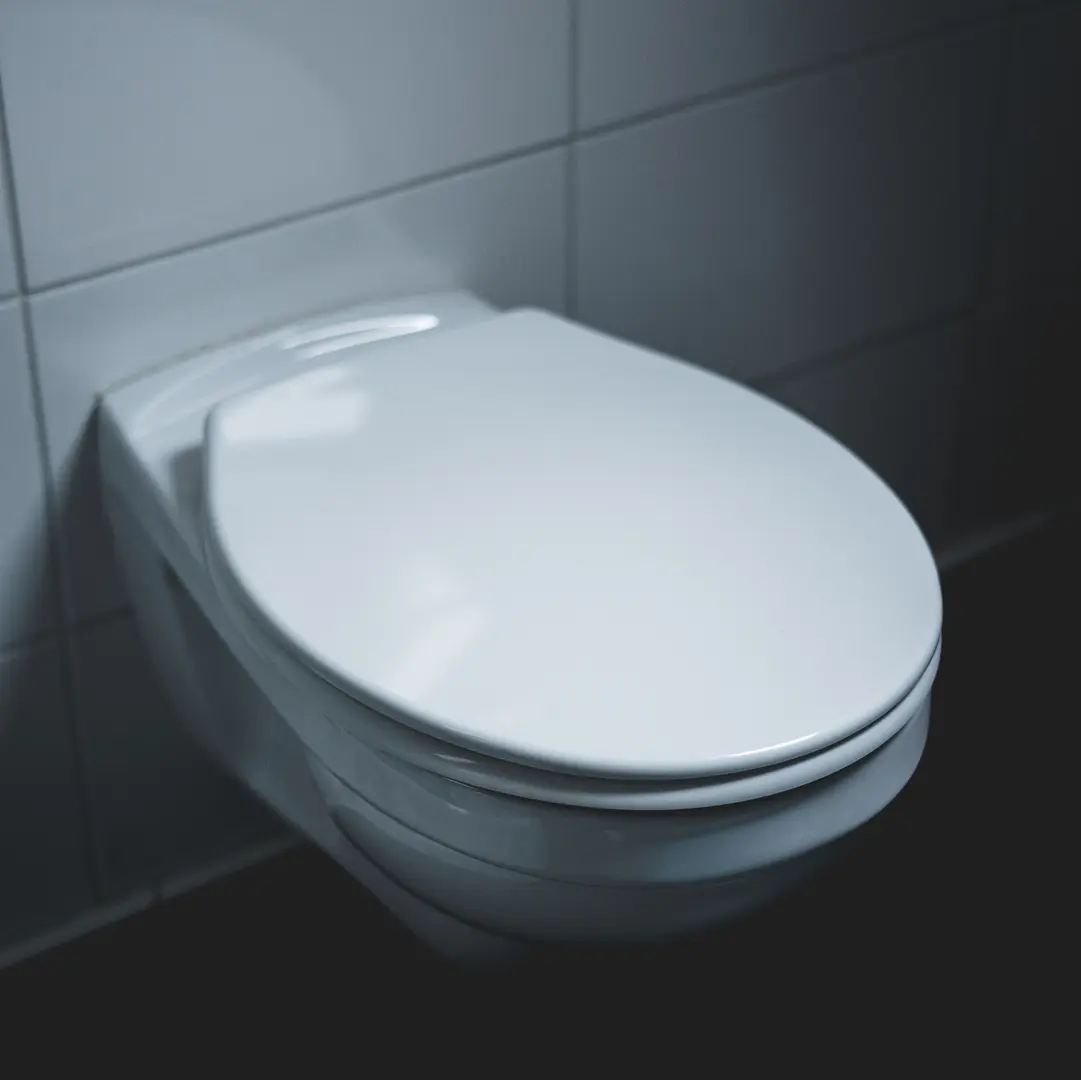
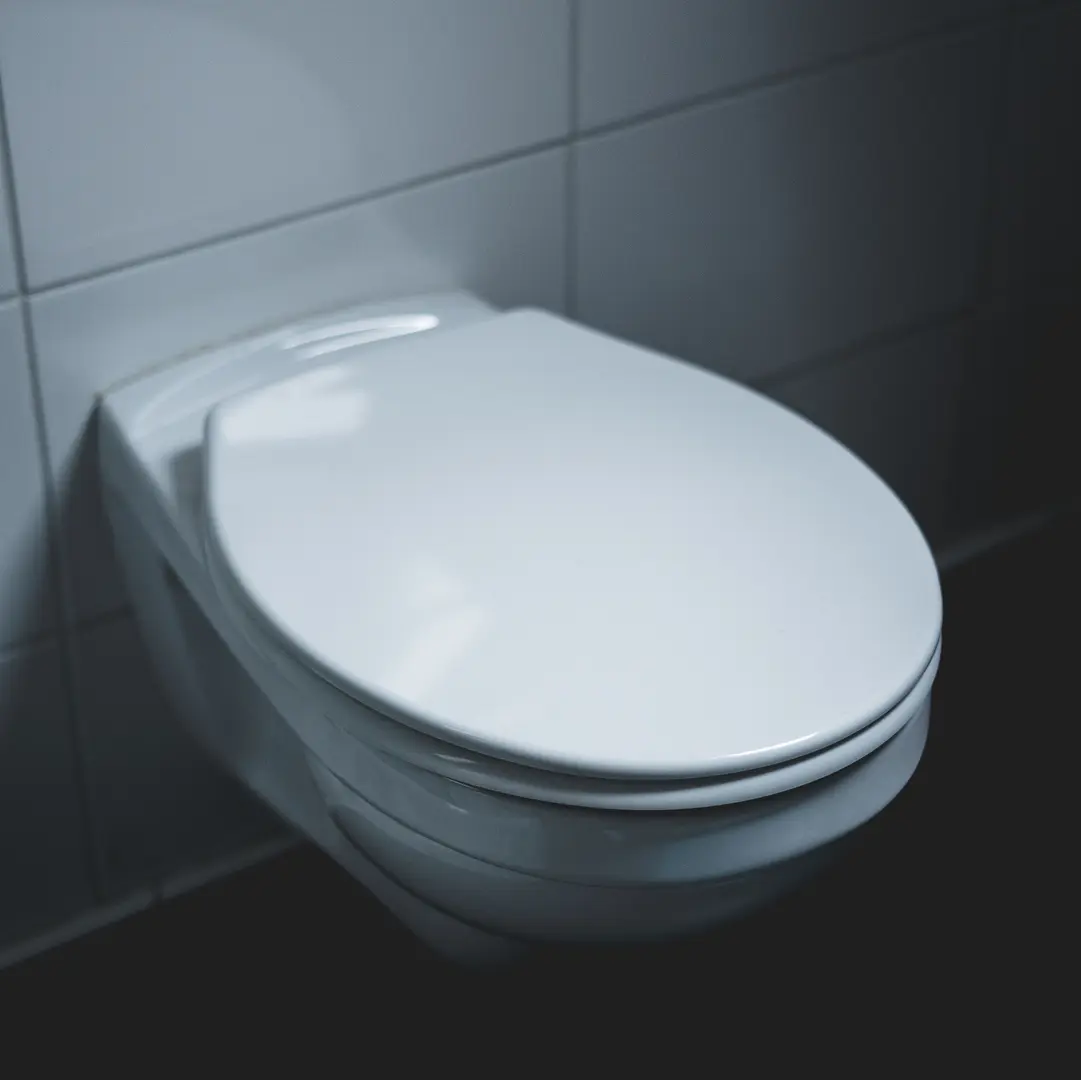
Replacing a toilet seat should be straightforward, but choosing one by appearance alone can lead to an uncomfortable or unstable fit. Toilet pans vary in length, width, fixing-hole spacing and shape, so a seat described as “universal” may not suit every toilet.
Learning how to measure for a toilet seat helps you compare replacement models accurately and avoid unnecessary returns. You will need to record the pan’s width and length, the spacing between the fixing holes and, in some cases, the clearance between the fixings and the wall or cistern. Shape and construction also matter, particularly if you want the replacement to remain secure and last well.
How Long Should a Toilet Seat Last?
A toilet seat lasts for around five years on average. However, this is only a general guide. Its actual lifespan depends on factors such as how frequently the toilet is used, the seat material, the quality of the hinges and whether the seat fits the pan correctly.
A toilet in a busy family bathroom will usually experience more wear than one in a rarely used cloakroom. Regular movement, repeated opening and closing, and pressure on poorly aligned fittings can gradually loosen the hinges or damage the seat.
Some homeowners report replacing several seats within only a few years, including more expensive soft-close models. A soft-close mechanism can make a seat quieter and more convenient, but it does not guarantee that the seat, hinges or fixings will resist all forms of wear. If a soft-close seat is repeatedly pushed down rather than allowed to close by itself, the mechanism may also fail to work as intended.
Frequent breakage can sometimes indicate a fitting problem rather than a problem with every replacement seat. Check whether:
- The seat is the right width and length for the pan.
- Both sides are supported evenly.
- The hinges line up correctly with the fixing holes.
- The fittings remain secure during use.
- The seat or lid strikes a nearby wall or cistern.
Correct measurements will not eliminate normal wear, but they make it more likely that the seat will sit securely and place less strain on its components.
Durability of Different Toilet Seat Materials
Wood and plastic are both common toilet seat materials, but neither option is automatically best for every bathroom. Longevity depends on the overall construction of the seat as well as the material itself.
| Material | Durability considerations | Practical considerations |
|---|---|---|
| Wood | Often regarded as solid and durable, although its lifespan still depends on construction, finish and fit | Can provide a substantial feel and may suit traditional bathroom styles |
| Plastic | Durability varies according to the type and thickness of the plastic and the quality of the fittings | Often lightweight and convenient, particularly when paired with robust hinges |
Some users prefer wooden seats because they feel stronger. Others find that a plastic model with dependable, well-designed hinges is more convenient. These experiences are not necessarily contradictory: the performance of a toilet seat cannot be judged by the main material alone.
The hinges are particularly important because they connect the seat to the pan and control its movement. Weak, loose or unsuitable hinges can make an otherwise sturdy seat feel unstable. Robust hinges may help the seat remain aligned and can make everyday operation more convenient.
When comparing replacement seats, consider the complete assembly:
- The strength and finish of the seat material
- The quality of the hinges
- Whether the fittings suit your toilet pan
- How securely the seat can be installed
- Whether a soft-close mechanism is included
- Whether the shape provides even support on the pan
A well-made seat can still wear prematurely if it is the wrong size. If the bumpers do not rest correctly on the pan or the hinges have to be forced into position, pressure may be concentrated in the wrong places. Material quality, hinge quality and accurate fitting therefore work together to influence longevity.
Are Toilet Seats a Standard Size?
Toilet seats do not follow one universal set of dimensions. Pans vary between manufacturers, ranges and designs, so two toilets that appear similar may need differently sized seats.
Some replacement seats are designed to fit a range of pans because their hinges can be adjusted. Even then, the adjustment range does not mean the seat will fit every toilet. The pan may be too long, too wide or a different shape, or its fixing holes may sit outside the positions supported by the hinges.
Do not rely solely on broad descriptions such as “standard,” “regular” or “universal.” Instead, compare the product information with your own measurements. At a minimum, you should know:
- The maximum width of the toilet pan
- The length from the fixing area to the front of the pan
- The distance between the two fixing holes
- The shape of the pan
- The available space behind the fixing holes, if relevant
It is also worth measuring the pan rather than simply copying the dimensions of the existing seat. An old seat may already be an imperfect replacement. Using it as the only guide could result in buying another seat with the same overhang, gap or alignment problem.
Accurate dimensions narrow down the options and give you a more reliable basis for checking whether a replacement is suitable.
How to Take Measurements for a Replacement Toilet Seat
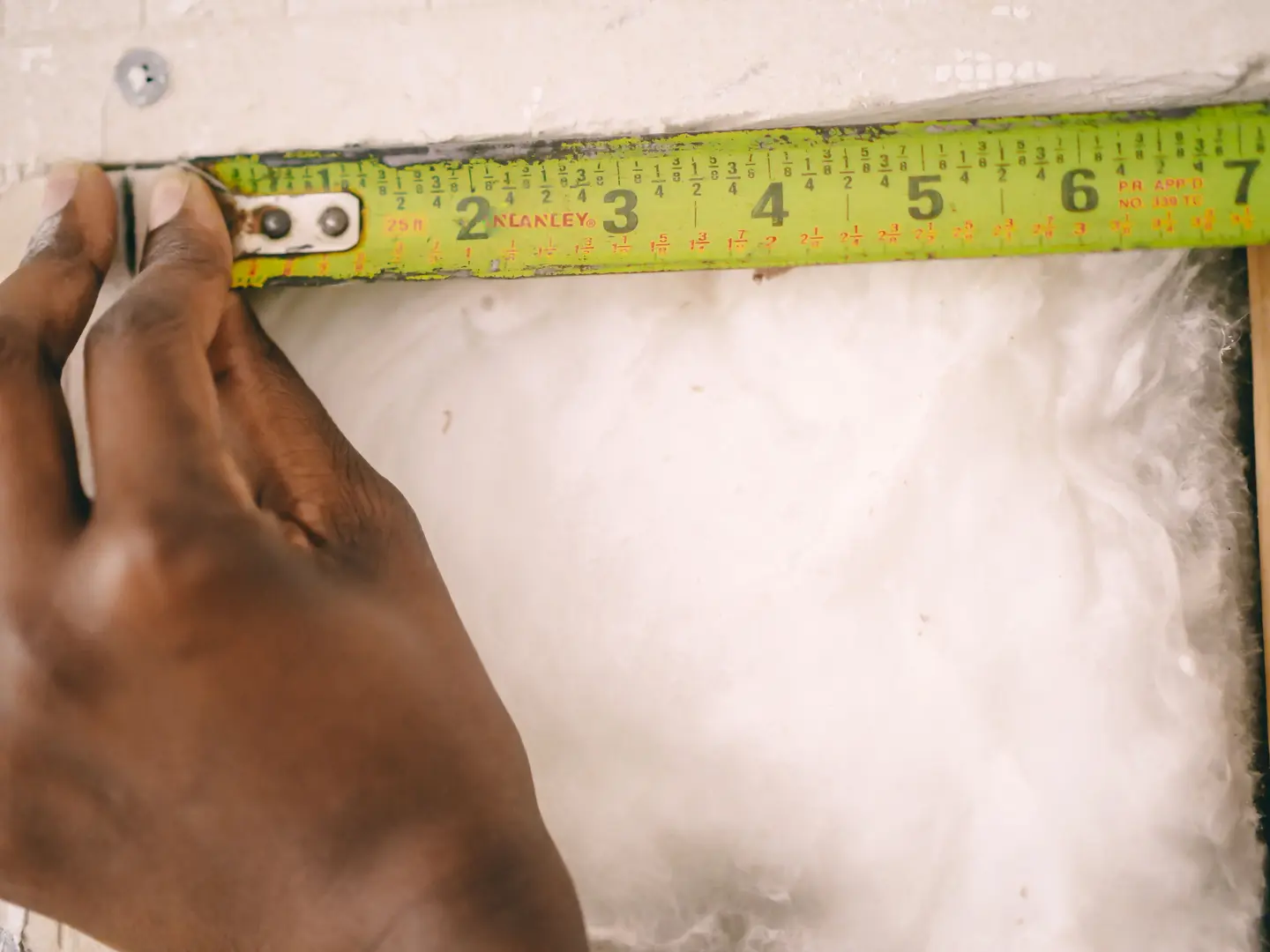
You will need a tape measure or ruler and somewhere to record the measurements. Measure in the same unit used by the retailer or manufacturer, and write each figure down immediately to avoid confusing the width, length and fixing-hole spacing.
If the existing seat makes the fixing holes difficult to access, removing it may make the process easier. Measure the ceramic toilet pan rather than soft bumpers, hinge covers or other parts of the old seat.
Follow these steps:
Measure the pan at its widest point. Place the tape across the toilet pan from one outer edge to the other. The widest section is often around the middle, but check the full outline rather than assuming where it will be. Keep the tape straight across the pan.
Measure the pan’s length. Measure from the fixing area at the back of the pan to the outer front edge. Use the centre line between the fixing holes as the rear reference point. Run the tape straight towards the front rather than following the curve of the bowl.
Measure between the fixing holes. Record the distance from the centre of one fixing hole to the centre of the other. Centre-to-centre measurement is important because measuring from the inner or outer edges can give a different result. Compare this figure with the hinge spacing or adjustment range stated for the replacement seat.
Check the space behind the fixings. Some seat and hinge designs need clearance between the fixing holes and the cistern or wall. Measure the available distance if the replacement has rear-projecting hinges, a raised lid or another feature that uses this space. A seat may match the pan dimensions but still be unsuitable if it cannot open or sit correctly.
Record the pan shape. Look at the toilet from directly above. Decide whether its outline is predominantly round, square or D-shaped. Do not base this decision only on the front edge; consider the sides and rear of the pan as well.
A simple measurement record can help when shopping:
| Measurement | Where to measure |
|---|---|
| Width | Across the widest part of the pan |
| Length | From the centre line of the fixing holes to the front edge |
| Fixing-hole spacing | From the centre of one fixing hole to the centre of the other |
| Rear clearance | From the fixing area towards the wall or cistern, where required |
| Shape | The overall outline viewed from above |
Take each measurement more than once if the tape moved or the first result was unclear. The purpose is not simply to find a seat with approximately similar dimensions. You need a model whose stated size and hinge arrangement are compatible with the pan.
When checking a product, distinguish between the seat’s overall dimensions and the dimensions of the pan it is intended to fit. Also check whether the hinge spacing is fixed or adjustable. Adjustable hinges may provide some flexibility, but the supported range still needs to include the spacing of your toilet’s fixing holes.
Do not forget rear clearance. Depending on the design, a seat that sits too close to the cistern may not stay upright or may strike the surface behind it. Measuring this space before purchase is easier than trying to correct the problem after installation.
Which Toilet Seat Shape Is Right for Your Pan?
The replacement seat should follow the shape of the toilet pan as closely as possible. Matching the dimensions without matching the outline can still leave parts of the seat unsupported or create uneven gaps around the bowl.
The three common shape categories are:
- Round: A round seat has a curved front and rounded sides. It should be paired with a pan that has a similarly curved outline.
- Square: A square seat generally has straighter sides and a more angular front. The corners may still be softened rather than sharply pointed.
- D-shaped: Viewed from above, a D-shaped pan usually has a straighter back with curved sides and a rounded front, creating an outline similar to a capital D.
Shape names are useful starting points, but they do not replace measurements. Two D-shaped seats, for example, can have different lengths, widths or corner profiles. Likewise, toilets described as square may vary in how straight or curved their sides are.
Stand above the pan and compare its outline with the product image and stated shape. Pay attention to:
- Whether the sides are straight, tapered or curved
- Whether the front edge is rounded or relatively flat
- How quickly the pan narrows towards the fixing area
- Whether the rear edge is straight
- Whether the proposed seat will sit evenly over the rim
If you are replacing an original seat that fitted well, its shape can provide a useful visual reference. Nevertheless, measure the pan itself and check the new seat’s specifications. Similar-looking models are not necessarily interchangeable.
A correct shape improves appearance because the seat follows the ceramic edge more neatly. More importantly, it helps the seat’s bumpers and contact points rest where intended, supporting the user more evenly and reducing unnecessary movement.
What Happens If the Toilet Seat Does Not Fit Properly?
An incorrectly sized toilet seat can look noticeably out of place. It may project beyond the front or sides of the pan, or it may sit too far inside the ceramic rim. Uneven gaps can also make an otherwise tidy bathroom installation appear poorly finished.
Comfort is another concern. A seat that is too narrow, too short or badly aligned may not support the user evenly. If its shape does not match the pan, the underside bumpers may fail to make proper contact with the ceramic surface.
A poor fit can also create potential safety problems. A seat that moves, twists or feels unstable during use is less secure than one that is properly aligned and firmly attached. Loose or strained fittings may worsen over time, particularly if the seat repeatedly shifts against the hinges.
Incorrect fitting may also contribute to quicker wear and breakage. Typical warning signs include:
- The seat slides from side to side.
- The hinges regularly become loose.
- One side feels less supported than the other.
- The seat overhangs the pan significantly.
- The lid hits the wall or cistern.
- The hinges appear strained or cannot sit squarely.
- The seat does not remain aligned after tightening.
Do not assume that tightening the fittings as much as possible will correct a sizing or alignment problem. If the hinge spacing, shape or seat dimensions are unsuitable, tightening alone will not make the seat compatible with the pan.
If the lid strikes the wall, cistern or another hard surface, felt bumpers or similar soft materials may help cushion the impact. This can be a practical short-term measure where only a small amount of protection is needed. However, added bumpers may be visually noticeable, and adhesive or soft materials may not remain attractive or durable over time. They should not be used to disguise a fundamentally unsuitable seat.
The more reliable solution is to choose a seat whose dimensions, fixing arrangement and shape match the toilet pan. Measure the width, length and fixing-hole spacing, check any required rear clearance, and confirm whether the pan is round, square or D-shaped. Taking a few careful measurements before buying can result in a replacement that looks better, feels more comfortable and places less unnecessary strain on the seat and hinges.