Mixer Showers Buying Guide: How to Choose the Right One
Choosing a shower involves more than selecting a style. Water pressure, plumbing layout, temperature control and access for future maintenance all affect which model will work best. This mixer showers buying guide explains the main valve types, configurations, finishes and prices so you can make an informed choice.
Understanding How Mixer Showers Work
A mixer shower draws water from both the hot and cold supplies. The two streams meet inside the shower valve, where taps, levers or rotary controls allow you to adjust the balance and achieve a comfortable temperature.
Unlike an electric shower, which heats cold water within the unit, a mixer shower uses the hot water already produced by your home’s water-heating system. When paired with a suitable plumbing system, it can deliver a stronger flow than an electric model.
The way you operate the shower depends on its design. Some mixers have separate temperature and flow controls, while others use one lever or dial for both. The valve may be mounted visibly on the wall or concealed behind it.
Before choosing a model, consider:
- Your home’s hot and cold water supplies
- The available water pressure
- Whether stable temperature control is important
- How much control you want over the flow
- Whether the valve should be exposed or concealed
- How easily components can be reached for maintenance
Could a Mixer Shower Suit Your Home?
Mixer showers can work with both high-pressure and low-pressure water systems, but the selected shower must be compatible with the system in your property. A model intended for high pressure may not perform as expected when connected to a low-pressure supply.
Start by identifying your water system and checking the shower manufacturer’s compatibility requirements. If you are uncertain, ask a qualified plumber to assess the supply before buying. This is especially useful in older properties or homes where previous plumbing alterations are not clearly documented.
A shower pump may improve the flow rate where the existing pressure is low. However, adding a pump should not be treated as an automatic solution. The whole plumbing arrangement needs to be suitable, and the pump must be correctly selected and installed.
Regular plumbing inspections can also reveal overlooked issues before they become more significant. Poor flow may not always mean that the shower itself needs replacing; the underlying cause could be elsewhere in the plumbing. An inspection can help determine whether an existing tank, valve, sensor or another component should be repaired or replaced.
Comparing Standard and Thermostatic Mixer Showers
A standard mixer shower relies on manual adjustment. If demand elsewhere in the home changes the hot or cold supply, the shower temperature may also change. You may therefore need to readjust the controls during use.
A thermostatic mixer is designed to maintain a more stable selected temperature. It reacts to changes in the water supplies and helps prevent sudden temperature spikes. This makes thermostatic control particularly useful in family bathrooms, where consistency and straightforward operation are often priorities.
The main differences are:
| Feature | Standard mixer | Thermostatic mixer |
|---|---|---|
| Temperature adjustment | Manually balanced | Regulated by a thermostatic valve |
| Response to supply changes | Temperature may fluctuate | Helps maintain a stable temperature |
| Typical suitability | Simple installations and budgets | Family and shared bathrooms |
| Controls | Depends on configuration | Depends on configuration |
Thermostatic operation should not be confused with the physical design of the shower. Bar, concealed, concentric and dual-control showers may all be available with different control technologies. Check the individual product specification rather than judging by appearance alone.
Mixer Shower Configurations to Consider
Mixer showers come in several configurations. The right choice depends on how you want to control the shower, the visual style of the bathroom and whether easy access for repairs is important.
The main options include:
- Concealed mixer valves
- Exposed mixer valves
- Bar mixers
- Sequential controls
- Single-lever mixers
- Concentric controls
- Dual-control systems
- Smart and digitally controlled showers
The valve arrangement affects day-to-day operation. For example, a sequential shower prioritises simplicity, while concentric or dual controls allow flow and temperature to be adjusted separately. Installation requirements also vary, particularly between exposed and concealed products.
Concealed Mixer Valves
A concealed mixer valve places the main components behind the wall, leaving only the control plate, handles and outlets visible. This creates a sleek, uncluttered appearance and can work well in modern bathrooms where minimal styling is preferred.
Concealed systems also provide flexibility when creating a coordinated shower area with separate outlets or controls. However, the wall must have enough suitable space for the components, connections and installation work.
The main drawback is access. Because working parts are hidden, identifying and repairing a fault can be more difficult than with an exposed valve. Before installation, discuss how the components will be reached if maintenance is needed. A neat appearance should not come at the expense of practical servicing.
Exposed Mixer Valves
An exposed mixer valve is fitted on the surface of the wall, so the valve body and associated controls remain visible. This makes the installation part of the overall shower design rather than hiding it within the wall.
The principal practical advantage is easier access. A plumber can generally reach the visible components without first opening the surrounding wall. This can make fault-finding, maintenance and component replacement more straightforward.
Exposed valves are worth considering when:
- Access for future repairs is a priority
- You do not want to conceal plumbing within the wall
- The visible valve complements the bathroom design
- You are replacing an existing exposed shower arrangement
Although exposed designs are often associated with functional installations, they are available in contemporary and traditional styles.
Choosing a Bar Mixer Shower
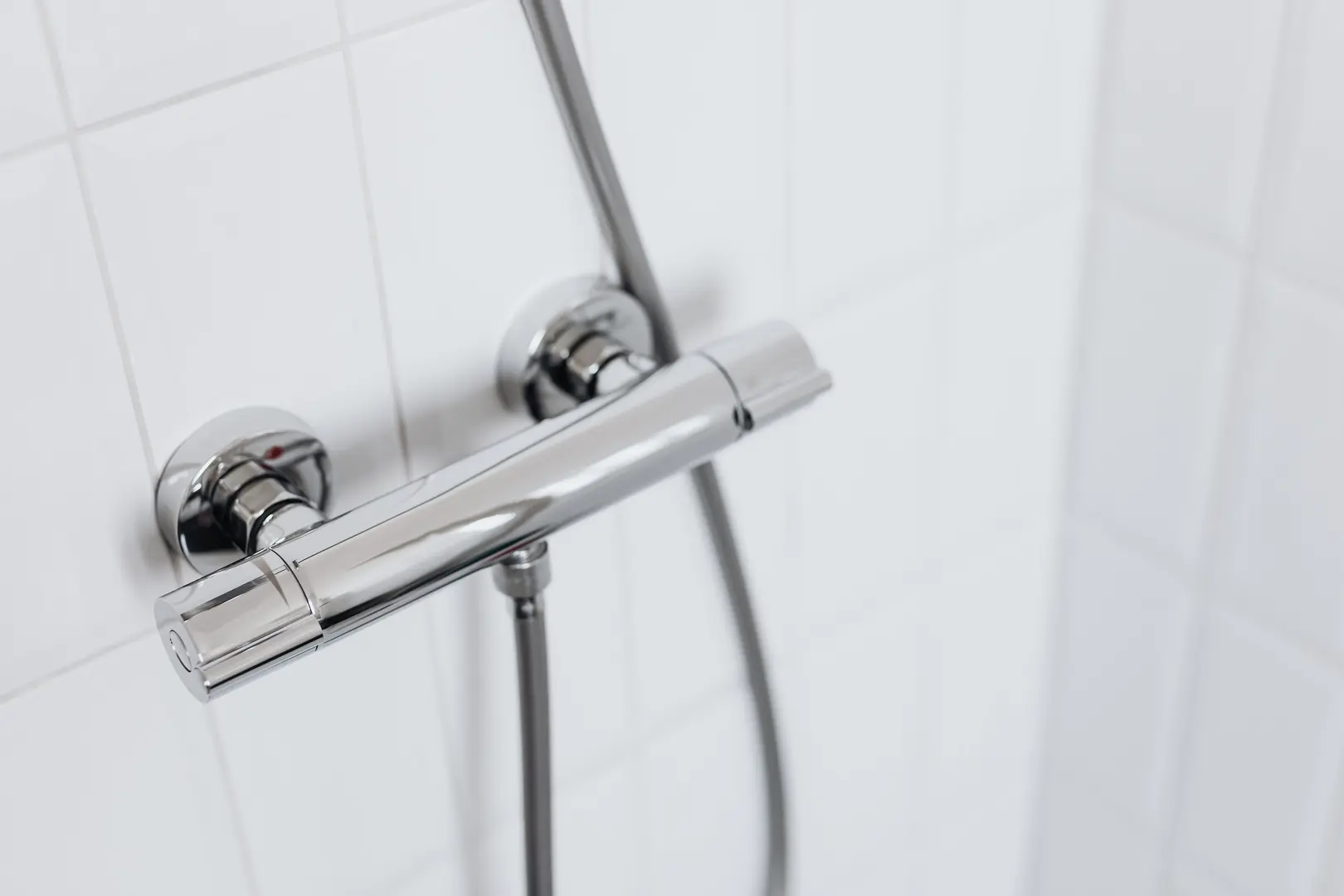
A bar mixer uses a single bar-shaped valve with two controls. One manages the flow, while the other adjusts the temperature. This separation makes it easy to change the water volume without necessarily altering the chosen temperature setting.
Bar mixers are available in horizontal and vertical designs. A horizontal model runs from side to side, while a vertical bar is positioned upright. Your choice will depend on the intended appearance, available wall space and plumbing arrangement.
When comparing bar mixers, check:
- Whether the model suits your water system
- The orientation of the bar
- The location and clarity of its controls
- Whether it is thermostatic
- The included shower outlet or handset
- How it will connect to the existing pipework
Bar mixers have a recognisable, straightforward format, making them a practical option when you want independent controls without concealing the main valve.
How Sequential Mixer Showers Operate
A sequential mixer shower uses one rotary control. Turning the dial starts the water and continues through the available temperature range. Its simple operation can be helpful in a shared bathroom where users prefer a single, uncomplicated control.
The trade-off is that the flow rate cannot be adjusted independently. The control follows a set operating sequence rather than offering one dial for temperature and another for water volume. If varying the strength of the flow is important to you, consider a concentric, bar or dual-control model instead.
Sequential mixers are available in exposed and concealed versions, so you can choose between easier access and a more minimal finish.
Single-Lever Mixer Shower Controls
A single-lever mixer uses one handle to regulate both flow and temperature. Moving the lever in different directions changes the volume of water and the balance between the hot and cold supplies.
This format provides one-handed operation while still allowing both functions to be controlled. However, because the settings are combined in one lever, some users may find separate controls more intuitive.
Single-lever showers can have exposed or concealed valves. When comparing them, try to consider how clearly the lever movement relates to temperature and flow. The control should feel straightforward for everyone likely to use the shower.
Concentric Mixer Shower Designs
Concentric showers have two rotary controls positioned together in a stacked arrangement. The outer control generally manages the flow, while the inner control sets the temperature.
Separating the functions allows you to turn the shower on and adjust its strength without repeatedly searching for the preferred temperature. This creates a useful temperature memory effect: the temperature control can remain in its previous position when the flow is switched off.
A concentric design is a good option if you want:
- Separate control over flow and temperature
- Controls grouped neatly in one location
- A remembered temperature position between uses
- A compact alternative to widely separated handles
Always consult the operating details for the particular model, as the arrangement and direction of the controls should be confirmed before purchase.
Dual-Control Mixer Shower Systems
Dual-control systems use separate controls for flow and temperature. Unlike concentric controls, the two handles or dials may be positioned apart rather than stacked together.
Some dual-control models include diverter valves. A diverter lets the system direct water to different outlets, depending on the shower’s design. This may be useful when planning a shower with more than one outlet, although the available functions depend on the individual product.
Dual-control systems are typically concealed. They can create a clean, coordinated layout, but the pipework and valve body need to be planned within the wall. Consider servicing access before installation, especially when the system includes a diverter or multiple concealed connections.
Exploring Smart Mixer Showers
Smart mixer showers add digital controls to the mixing process. Depending on the model, they may support remote operation through connected devices. This allows parts of the shower experience to be controlled digitally rather than solely through a conventional mechanical valve.
When considering a smart model, focus on whether the connected features will be genuinely useful. Review:
- Which functions can be operated remotely
- What device or controller is required
- Whether manual controls are also provided
- Compatibility with your plumbing system
- Access requirements for installation and maintenance
- The effect of digital features on the overall price
A smart shower may suit a technology-led bathroom, but it should still meet the same basic requirements as any other mixer: appropriate pressure compatibility, usable controls and practical maintenance access.
Traditional Mixer Shower Styles
Traditional mixer showers combine modern shower function with classic design details. They are intended for bathrooms featuring period-inspired fittings, decorative sanitaryware or a more traditional overall scheme.
Typical visual choices may include shaped handles, prominent exposed components and finishes that coordinate with traditional taps and accessories. An exposed mixer can make the valve itself a focal point, while a concealed arrangement can provide classic controls without displaying the working body.
Do not choose on appearance alone. Confirm that the model offers the control type you need and is appropriate for your water system.
Mixer Shower Materials, Finishes and Designs
The finish of a mixer shower can help connect it visually with taps, towel rails, handles and other bathroom fittings. Common choices include chrome, black and brass.
Chrome has a versatile appearance that works with many contemporary and traditional schemes. Black creates a stronger contrast and can complement other dark fittings. Brass can add warmth and may be particularly effective in classic or decorative bathrooms.
When comparing finishes, look beyond the product image. Consider:
- How the shower coordinates with nearby fittings
- Whether matching accessories are available
- The cleaning and care instructions for the finish
- Whether the design is likely to suit future bathroom changes
- Which components are visible after installation
Material and finish should be secondary to compatibility and operation. A shower that looks right but is unsuitable for the available pressure will not be a successful choice.
Mixer Shower Prices: What Should You Budget?
Mixer shower prices range from approximately £55 for basic options to more than £1,000 for high-end systems. The total budget will depend on the valve configuration, control technology, design, finish and installation requirements.
A lower-priced product may provide straightforward manual mixing and simple controls. Moving up the range can introduce thermostatic temperature control, concealed valves, diverters, multiple outlets, premium styling or digital features.
Remember to budget for more than the shower itself. The work may involve changes to pipework, preparation for a concealed valve or investigation of water-pressure issues. Installation requirements can therefore be as important as the purchase price.
A useful buying sequence is:
- Identify your water system and available pressure.
- Decide between standard and thermostatic temperature control.
- Choose exposed or concealed installation.
- Select the preferred control configuration.
- Compare finishes and design details.
- Confirm maintenance access.
- Obtain an installation assessment where necessary.
- Compare the full project cost rather than the valve price alone.
Common Plumbing Mistakes with Mixer Showers
A good mixer shower can still perform poorly if wider plumbing problems are ignored. Avoid trying to solve every issue with chemicals. Incorrect use can damage pipes and may fail to address the actual cause of poor flow or a blockage.
Plumbing work should also use materials that are suitable for the specific task. Incorrect components or materials can contribute to leaks and, in some situations, more serious hazards such as fire. If you do not know which fittings or materials are appropriate, use a qualified professional rather than improvising.
Preventable drainage problems can also affect the bathroom. Wipes, nappies and similar unsuitable items should not be flushed, as they can create major blockages.
Finally, arrange periodic plumbing inspections. A developing issue with a valve, connection, tank or sensor may be easier to address when identified early. If a component is causing repeated problems, a professional assessment can help establish whether repair or replacement is the more appropriate option.