Modern vs Traditional Bathroom Design: Choosing the Right Style for You
Choosing a bathroom style involves more than deciding which images look best. The room must also support your routines, suit the architecture of your home, and fit your renovation budget. In the debate over modern vs traditional bathroom design, both approaches have distinctive strengths: modern bathrooms prioritise simplicity and efficiency, while traditional rooms offer warmth, comfort, and decorative character.
Understanding how each style uses fixtures, materials, colour, and space will help you create a bathroom that remains enjoyable long after the remodel is complete.
Hallmarks of Contemporary Bathroom Design
Contemporary bathroom design is defined by minimalism, clean lines, and an uncluttered appearance. Each feature tends to have a clear purpose, with decorative excess kept to a minimum. The result is a room that feels ordered, calm, and visually spacious.
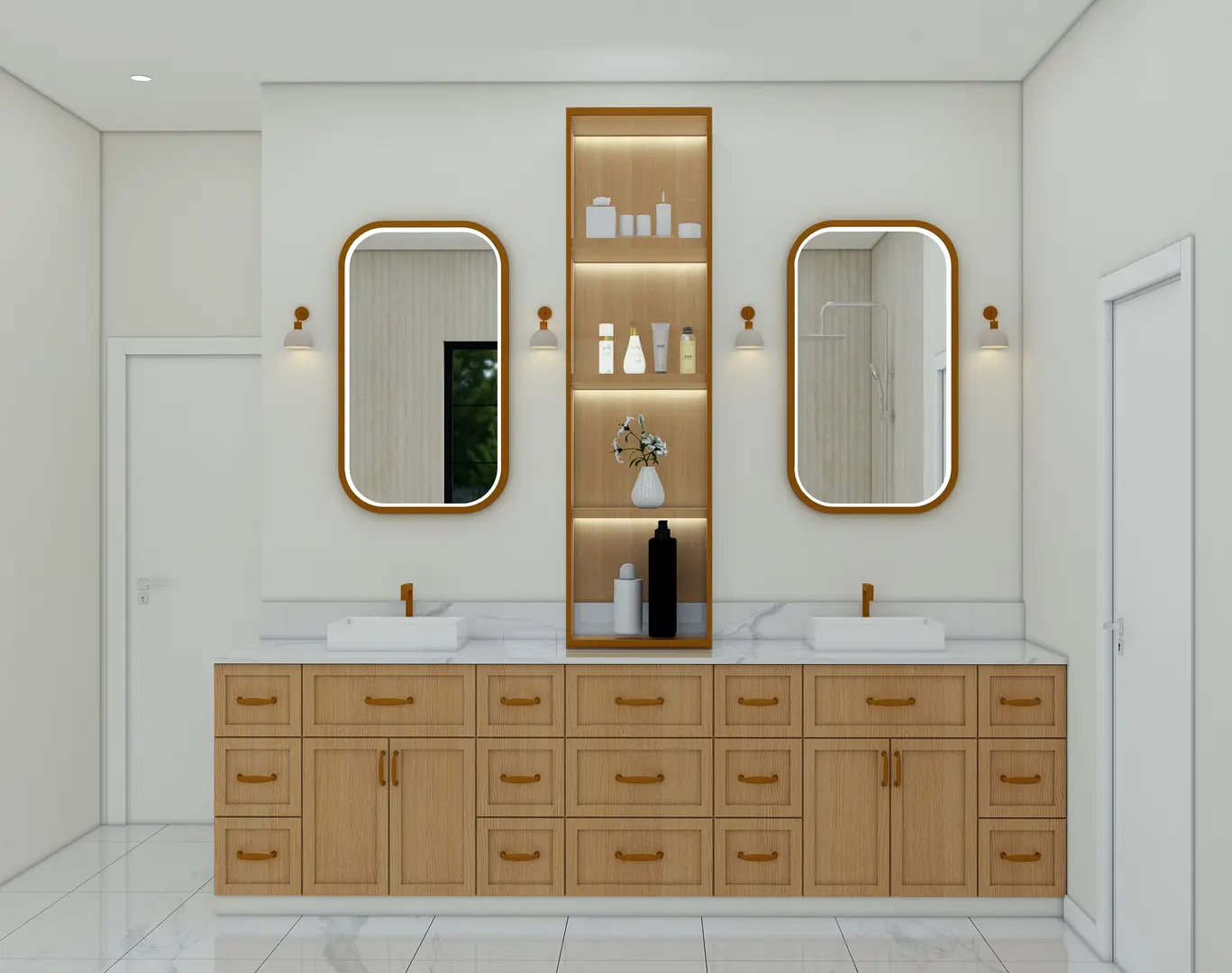
Typical materials include glass, chrome, porcelain, and polished stone. Frameless or lightly framed glass shower enclosures maintain open sightlines, while chrome fittings introduce a crisp finish without dominating the design. Large, simple surfaces reinforce the streamlined look.
Modern fixtures often appear integrated into the architecture. Common choices include:
- Wall-hung toilets that reduce visual bulk
- Floating vanities with open floor space beneath them
- Simple basins with geometric or softly rounded forms
- Concealed storage that limits countertop clutter
- Showers with restrained hardware and clear glass panels
Lighting is equally important. Advanced lighting techniques can combine general illumination with focused lighting around the vanity, shower, or bath. Integrated mirror lighting and concealed sources help create a polished atmosphere without relying on highly decorative fixtures.
Although modern bathrooms can appear stark when handled without care, they do not have to feel cold. Textured tiles, soft towels, subtle warm tones, and thoughtfully positioned lighting can make a minimalist space more welcoming.
Key Features of Traditional Bathroom Style
Traditional bathrooms focus on comfort, heritage, and a sense of permanence. Rather than hiding every detail, they celebrate decorative fixtures and materials that evoke established craftsmanship.
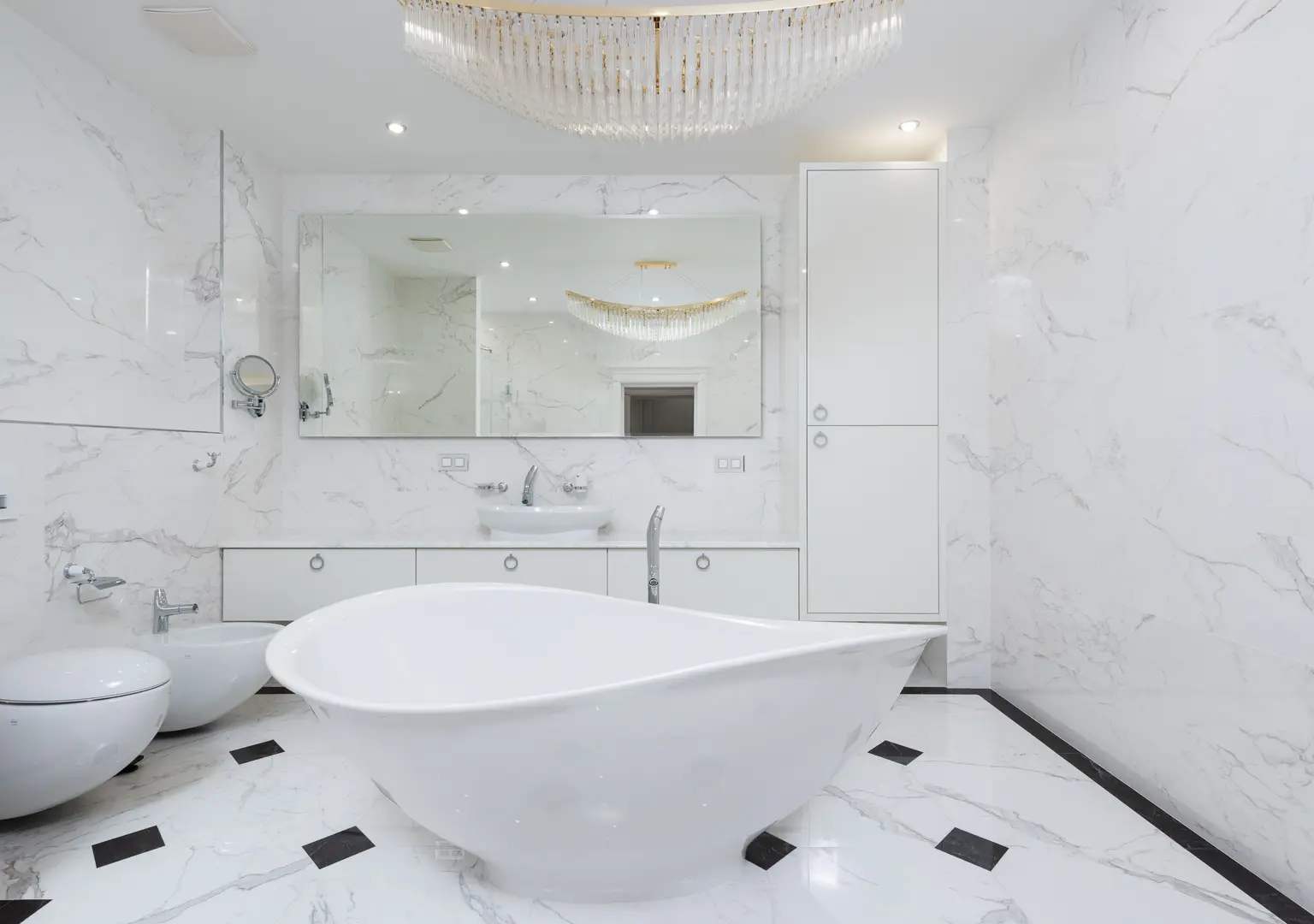
A freestanding bath is one of the most recognisable traditional elements. It can serve as the room’s focal point, particularly when paired with ornate taps or a floor-mounted bath filler. Pedestal basins, framed mirrors, detailed cabinetry, and shaped hardware also contribute to the style.
Colour tends to be warmer and richer than in many contemporary bathrooms. Deep blues can introduce elegance and depth, while creams create a softer, more relaxed setting. These colours may be combined with painted wood, patterned ceramic tiles, or decorative wall treatments.
Intricate detailing is central to the traditional aesthetic. This could appear in:
- Panelled vanity units
- Decorative tap handles
- Moulded edges and furniture-style feet
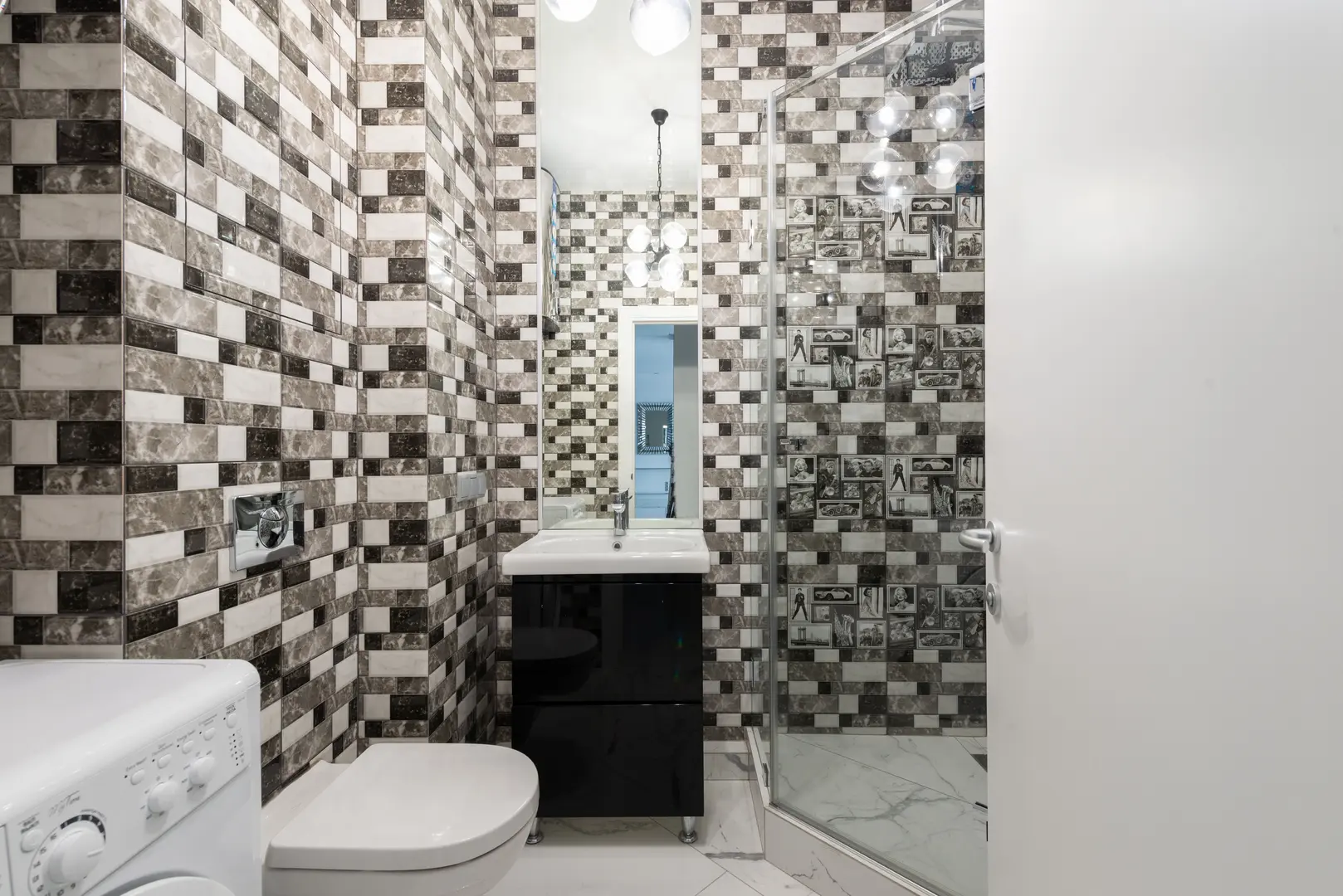
- Patterned floor or wall tiles
- Framed mirrors and classic lighting
- Ceramic accessories with shaped profiles
A successful traditional bathroom should feel collected rather than crowded. Not every surface needs ornamentation. Selecting a few strong features—such as an elegant bath, detailed vanity, or traditional shower fittings—allows the room to express heritage without becoming visually overwhelming.
Comparing Everyday Practicality
Modern bathrooms often suit busy households because their simple layouts and streamlined surfaces support efficient daily routines. Floating fixtures can make the floor feel less interrupted, while concealed storage keeps toiletries accessible but out of sight. Showers with uncomplicated glass enclosures also fit naturally into a routine-focused design.
The modern emphasis on efficiency may be especially appealing in a shared family bathroom, compact ensuite, or space used by several people each morning. Clear organisation and limited decorative detail can help the room remain visually calm even when it is used frequently.
Traditional bathrooms place greater emphasis on relaxation. A freestanding bath, warm colour palette, and detailed fittings can make bathing feel like an occasion rather than another household task. This approach may suit someone who wants the bathroom to provide a comfortable retreat at the end of the day.
However, one style is not automatically more practical than the other. Practicality depends on how you use the room. Someone who takes quick showers may value open access and efficient storage, while a person who regularly enjoys long baths may find a traditional layout more useful.
Maintenance preferences matter as well. Intricate fixtures and detailed cabinetry may require more attention than plain surfaces, but a highly polished modern room can also show clutter or water marks more readily. The best solution is a layout and finish scheme that aligns with your actual habits.
Materials and Finishes: Modern and Traditional Approaches
Material choices help establish the identity of both styles. Modern bathrooms frequently use engineered stone and porcelain because they can create smooth, consistent surfaces. These materials work well with simple vanity tops, large-format wall treatments, and precisely defined edges.
Glass and chrome complement this controlled appearance. Their reflective surfaces interact with light and support the clean, open character associated with contemporary rooms.
Traditional bathrooms are more likely to feature marble, wood, and ceramic. Marble provides natural variation, wood brings warmth, and ceramic tiles can introduce pattern or handcrafted character. Instead of complete uniformity, these materials often celebrate subtle differences in colour and surface.
The comparison can be summarised as follows:
| Design approach | Common materials | Typical visual effect |
|---|---|---|
| Modern | Engineered stone, porcelain, glass, chrome | Smooth, consistent, and streamlined |
| Traditional | Marble, wood, ceramic | Warm, detailed, and characterful |
Durability and character should be considered together. Engineered surfaces and porcelain appeal to homeowners who prefer predictable finishes and straightforward upkeep. Natural materials may develop a patina over time, which can contribute to a traditional room’s charm but may not appeal to someone who wants every surface to retain a uniform appearance.
There is no need to use only one material category. A modern room can gain warmth from a restrained wood accent, while a traditional bathroom may benefit from durable porcelain in heavily used areas. The overall composition matters more than rigid adherence to a label.
Using Colour to Shape the Bathroom’s Style
Colour has a major influence on how a bathroom feels, regardless of its fixtures. It can strengthen the selected style, adjust the apparent openness of the room, or prevent a design from feeling too severe.
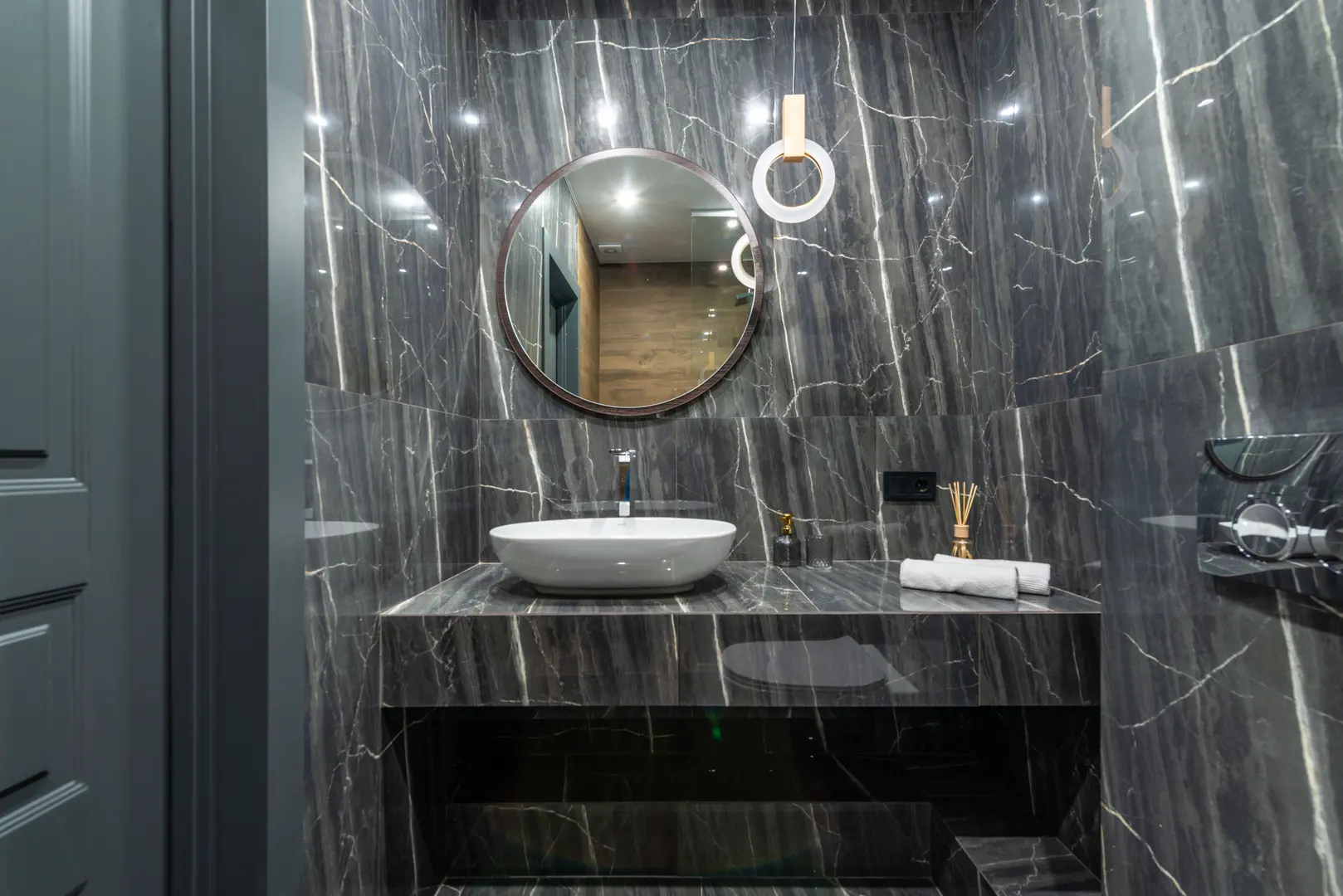
Dark tones add drama to modern bathrooms. Charcoal, black, deep green, or navy can emphasise crisp shapes and polished fittings. They may be used across a feature wall, vanity, or shower area rather than throughout the entire room. Reflective surfaces and carefully planned lighting can keep the scheme visually balanced.
Light tones make a bathroom feel more open. White, pale grey, cream, and soft neutral shades allow light to move around the space and can reduce the visual impact of large fixtures. This makes them useful in compact bathrooms as well as rooms intended to feel calm and airy.
Traditional schemes often use cream as a warm foundation, with rich blues or other deeper colours providing contrast. A blue vanity against light walls, for example, can communicate traditional character without making the entire room dark.
Colour can also help blur the boundary between styles. A contemporary vanity in a heritage-inspired blue may connect modern lines with a traditional palette. Conversely, classic ceramic tiles in a simple neutral arrangement can sit comfortably in a modern room.
Before committing to a colour, consider it alongside the room’s lighting, surfaces, and fittings. A shade does not work in isolation; its effect depends on everything around it.
Combining Modern and Traditional Bathroom Elements
Blending modern and traditional elements can create a bathroom that feels personal rather than tied to a single design formula. It is particularly useful when the architecture suggests one style but the household prefers the functionality of another.
Balance is essential. If every fixture represents a different period or aesthetic, the room may feel disjointed. Instead, choose one style as the foundation and use the other for a limited number of accents.
Effective combinations might include:
- A traditional freestanding bath with a simple glass shower enclosure
- A floating vanity paired with classic ceramic tiles
- Ornate taps against a restrained stone surface
- Traditional cabinetry with an uncluttered modern mirror
- A contemporary walk-in shower within a room featuring heritage colours
Connections between contrasting pieces help the combination feel intentional. Repeating a colour, finish, shape, or material across the room can provide that link. For instance, a modern black-framed shower can relate to dark traditional tap details, while a marble surface can bridge classic material character and contemporary geometry.
The goal is not an equal split between the two aesthetics. A few carefully selected pieces are usually more effective than trying to represent every feature associated with both styles.
Navigating Style Conflicts in Bathroom Design
Style disagreements often arise when one person prefers clean modern design and another wants traditional warmth. Begin by identifying the functional and emotional priorities behind those preferences. One person may be asking for easy organisation rather than strict minimalism, while the other may want a comfortable atmosphere rather than extensive ornamentation.
Architecture can add another source of tension. Extending an older home with modern features is controversial for some homeowners, who believe new work should maintain historical consistency. Others prefer a clear distinction between original architecture and contemporary additions.
There is no universal answer, so consider three questions:
- Which existing architectural features are important to preserve?
- Which modern improvements would make the bathroom work better?
- What colours or materials can connect the old and new elements?
A practical compromise might retain traditional proportions, tile choices, or cabinetry while introducing a modern shower, lighting plan, and storage. Alternatively, the room may remain predominantly contemporary but include one strong heritage feature.
Agree on the dominant style before choosing individual products. This prevents each decision from becoming a separate debate and creates a consistent standard against which every fitting can be assessed.
How Your Budget Can Guide the Style Choice
Neither modern nor traditional design is automatically the cheaper option. A modern bathroom can become expensive when it includes specialist fittings, extensive glazing, integrated lighting, or highly refined surfaces. Traditional design can also carry a high cost when it relies on genuine marble, substantial wood cabinetry, or detailed fixtures.
Both styles can be adjusted to suit a more limited budget. Porcelain can provide a clean modern surface without requiring every area to use premium polished stone. In a traditional bathroom, ceramic tile and painted cabinetry can establish character while natural marble or decorative hardware is reserved for a focal point.
A useful approach is to identify where quality and visual impact matter most. A shower used every day may deserve a larger portion of the budget than a purely decorative feature. Similarly, one distinctive vanity or bath can establish the style without requiring every item to be elaborate.
Budgeting should include the layout as well as visible products. Moving major fixtures may add cost and complexity, especially where plumbing changes are difficult. Keeping the toilet, bath, shower, or basin close to its existing position may free more money for finishes and fittings.
Cost-Effective Bathroom Remodel Solutions
Begin a budget-conscious remodel by separating essential improvements from optional style changes. Address the layout, shower arrangement, storage needs, and core fixtures before choosing decorative accessories.
Several strategies can help control costs:
- Retain the existing layout where it already works.
- Refinish or update suitable cabinetry instead of replacing every item.
- Use decorative materials selectively as accents.
- Choose a simple tile for broad areas and reserve pattern for a focal point.
- Update taps, mirrors, lighting, or hardware to shift the style without rebuilding the room.
- Compare complete project needs rather than judging products only by individual prices.
Plan layout changes thoroughly before work begins. Relocating a toilet or bathtub can be challenging, particularly on a concrete foundation. Discovering these complications after demolition may increase both cost and disruption.
For tight spaces, multi-piece shower kits can offer a more manageable installation option. Their separate components may be easier to position than a single large unit. However, they do not suit every aesthetic, especially when the design depends on custom stone, traditional ceramic detailing, or a highly seamless finish. Their practical value should therefore be weighed against the intended visual result.
Choosing Between Modern and Traditional Bathroom Design
The choice between modern vs traditional bathroom design comes down to how you want the room to look, feel, and function.
Modern design emphasises simplicity, efficiency, and clean visual structure. It is well suited to people who prefer streamlined fixtures, open surfaces, and organised daily routines. Glass, chrome, engineered stone, floating vanities, and advanced lighting all reinforce this approach.
Traditional design prioritises warmth, comfort, and detail. Freestanding baths, ornate taps, ceramic surfaces, wood, marble, creams, and rich blues create a room with a stronger sense of heritage. It may be especially appealing when bathing and relaxation are central to the space.
You do not have to choose one style in its purest form. A carefully balanced bathroom can combine modern convenience with traditional character, provided the colours, materials, and key pieces create a clear visual connection.
Ultimately, the right style is the one that reflects your comfort preferences and supports your lifestyle. Start with function, respect the character of the space, and select details that you will enjoy using and seeing every day.