Modern vs Traditional Bathroom Suites: Which Style Is Right for You?
Choosing between modern vs traditional bathroom suites is about more than appearance. The right suite should suit the room’s dimensions, support your daily routine, complement the character of your home, and remain practical within your budget.
Modern suites favour clean lines, efficient storage, and contemporary technology. Traditional suites draw on historical influences, decorative details, and enduring craftsmanship. Understanding these differences will help you create a bathroom that feels coherent, comfortable, and personal.
Understanding the Modern Bathroom Suite
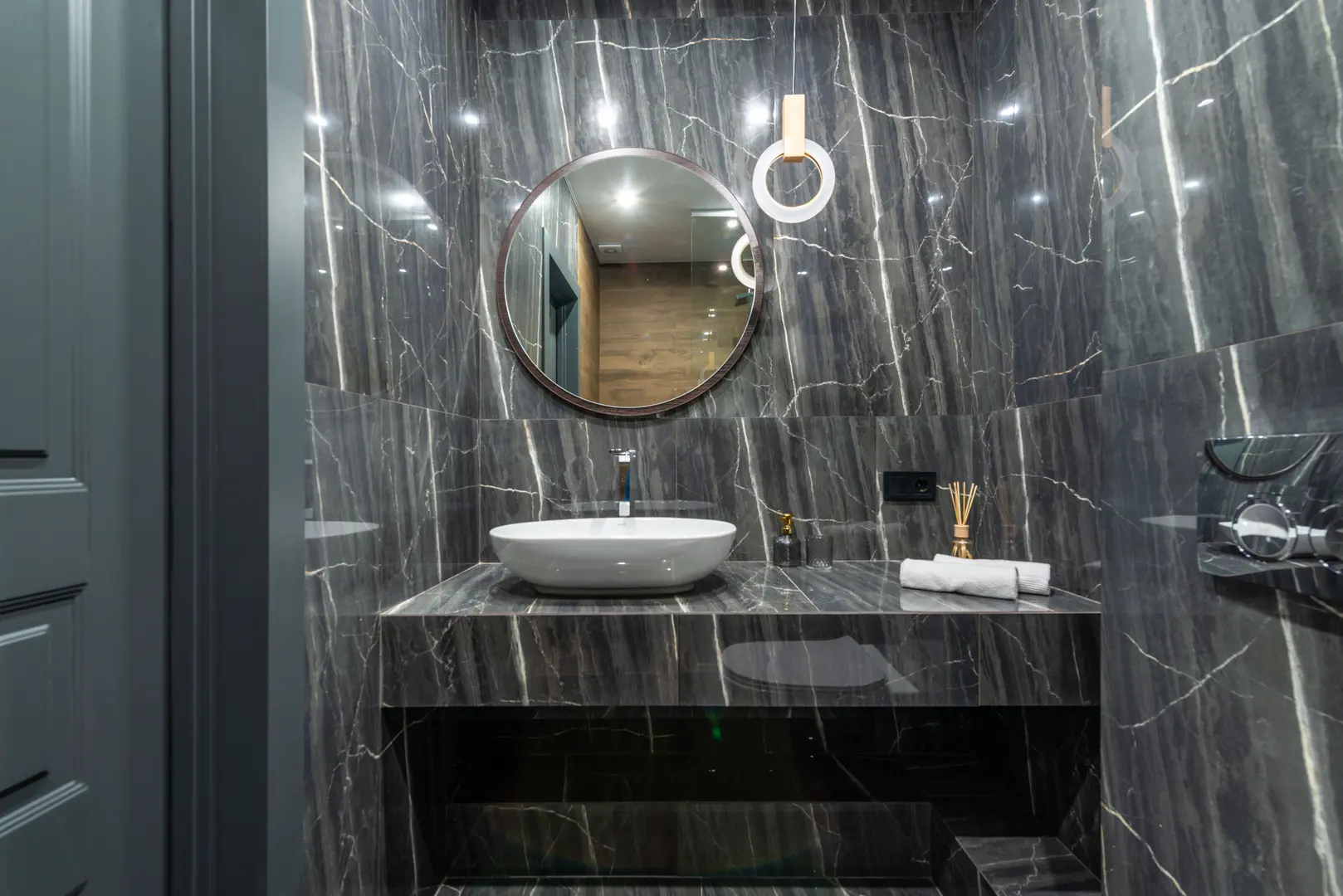
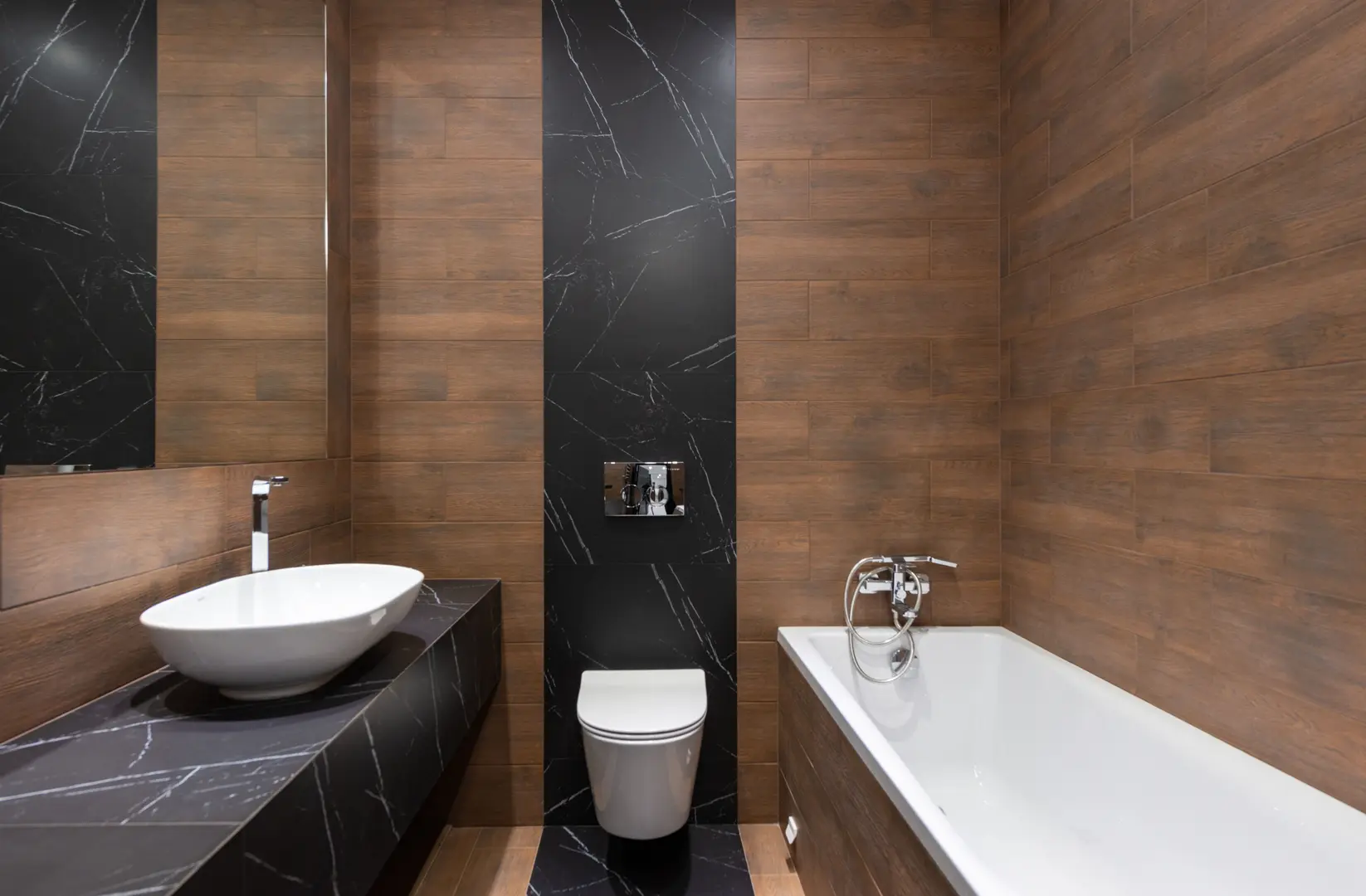
A modern bathroom suite reflects current interior design trends through simplicity and a restrained appearance. Baths, basins, toilets, furniture, and fittings are selected to create an uncluttered look.
Clean lines are central to the style. Basins may have slim profiles, furniture tends to feature flat fronts, and fixtures often use straightforward geometric shapes. A limited colour palette strengthens the minimalist effect, while texture and lighting add warmth without visual clutter.
Defining Features of a Modern Bathroom Suite
Wall-hung fixtures are among the most recognisable features of modern bathroom design. A wall-mounted basin or toilet leaves more of the floor visible, giving the room a lighter and more open appearance.
Other defining features include:
- Concealed storage: Handleless drawers and integrated cabinets reduce visible clutter.
- Simple silhouettes: Support a minimalist scheme with straight edges and subtle curves.
- Smart technology: Integrated into showers, mirrors, or lighting when truly beneficial.
- Coordinated fixtures: Matching finishes unify the suite.
- Streamlined furniture: Wall-mounted units make efficient use of space.
Technology should serve a genuine purpose rather than being included simply because it is fashionable. Consider which features would improve your routine.
Popular Modern Bathroom Materials and Finishes
Modern bathrooms often combine practical surfaces with industrial or reflective finishes. Polished concrete can create a strong architectural backdrop, while glass keeps shower areas visually open.
Chrome remains popular for taps, shower fittings, and accessories, complementing glass, ceramics, and minimalist furniture. Brushed steel offers a subtler alternative with added texture.
Repeat a small selection of finishes for a cohesive look. Glass can define the shower area, brushed steel can provide accents, and concrete-inspired surfaces can add contrast.
Homes That Suit a Modern Bathroom Suite
Modern suites complement contemporary houses, city flats, and new-build properties. Streamlined design works well with simple architecture and efficient space use.
They can also be integrated into older homes with updated interiors. Consider the relationship between the bathroom and the rest of the property. Carefully chosen colours or materials can bridge stylistic differences between spaces.
In a compact flat, wall-hung fixtures and concealed storage make the bathroom feel less crowded. In a larger contemporary home, a modern suite supports a spacious, calm design.
Exploring the Traditional Bathroom Suite
A traditional bathroom suite takes inspiration from historical interiors, celebrating decorative details and craftsmanship while meeting current standards.
Elegance is usually the main objective. Curved outlines, period-inspired fittings, and furniture-style cabinetry create a room that feels established and inviting.
Signature Features of a Traditional Bathroom Suite
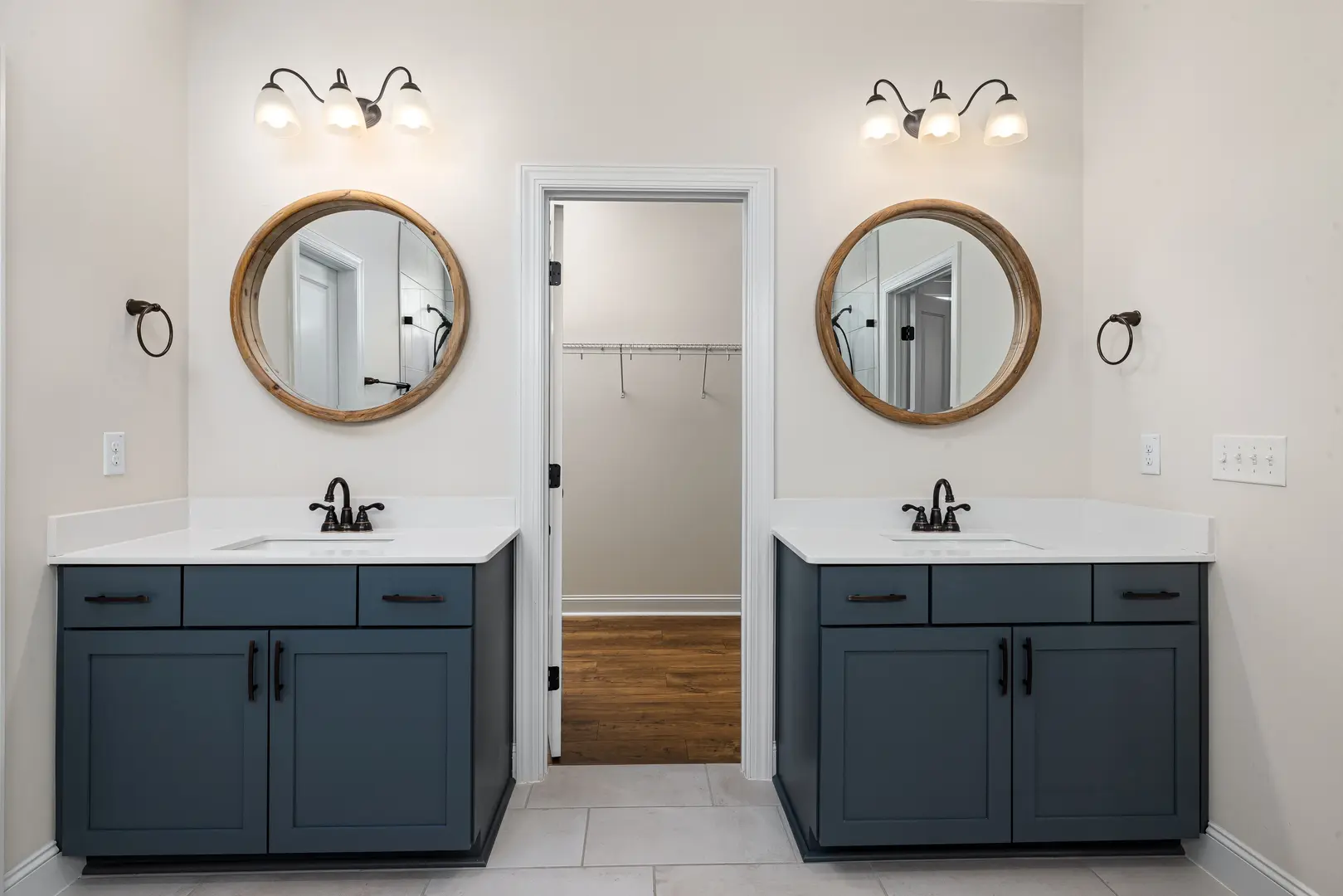
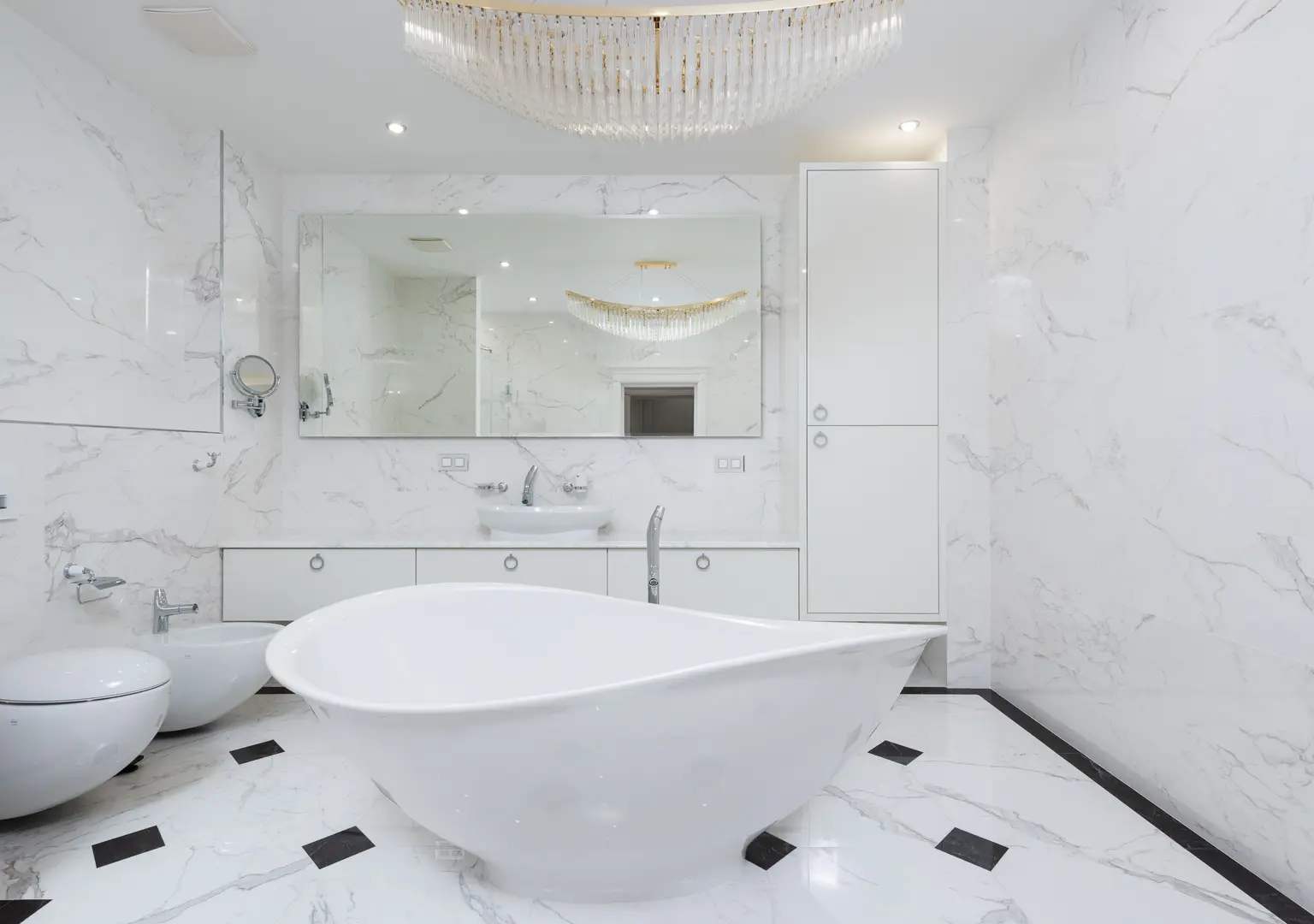
A clawfoot or freestanding bath is often the centrepiece of a traditional bathroom, reinforcing historical design influences. Traditional basins may feature ornate forms and furniture-inspired vanity units.
Typical features include:
- Clawfoot or freestanding baths
- Ornate or classically shaped basins
- Period-style taps and shower fittings
- Furniture-inspired vanity units
- Decorative handles and coordinated accessories
- Emphasis on curves and detail
A cohesive look is achieved by selecting related elements rather than mixing too many historical influences.
Traditional Bathroom Materials and Decorative Styles
Rich woods provide depth and warmth, especially in vanity units and cabinetry. Classic ceramics offer a timeless foundation for toilets and basins, while decorative tiles introduce pattern.
Wood panelling can add architectural character. Pair it with painted surfaces or patterned tiles for a layered scheme. Balance is key—highly decorative tiles pair best with simpler furniture, and vice versa.
Properties That Complement a Traditional Bathroom Suite
Traditional suites suit period properties and cottages, echoing existing architectural features. In a cottage, classic ceramics and warm furniture create a cozy feel. In a larger property, a freestanding bath and ornate fittings match room proportions.
In newer homes, deliberate decorative approaches help integrate traditional designs. Classic colours and detailing in nearby rooms make the choice feel cohesive.
Comparing the Advantages and Drawbacks of Modern and Traditional Suites
Both styles offer unique benefits and priorities.
| Consideration | Modern suite | Traditional suite |
|---|---|---|
| Overall appearance | Clean, minimal, streamlined | Decorative, elegant, characterful |
| Technology | Supports smart features easily | Focuses on visual detail |
| Storage | Concealed and integrated | Incorporated into furniture-style units |
| Cleaning | Easier due to simple forms | More curves and details need attention |
| Space | Suited to compact layouts | Larger features require more room |
| Cost | Can be cost-effective | Decorative pieces may be pricier |
Product choice, room conditions, and installation requirements impact the final result.
Which Bathroom Suite Best Matches Your Requirements?
Begin with function. A busy room benefits from generous storage and easy-clean surfaces. A quieter bathroom allows for statement pieces like a decorative bath.
Consider:
- Who will use the bathroom?
- Which fixtures are essential?
- How much storage is required?
- Is the room compact or spacious?
- Do you need layout changes?
- How much upkeep is preferred?
- Which style complements your home?
Personal taste matters but should align with space considerations.
Function, Convenience, and Bathroom Technology
Modern suites are ideal for technology integration, such as smart showers. A traditional suite emphasizes elegance and can discreetly incorporate modern conveniences without overshadowing the design.
Choose based on how visible and dominant you want technology to be. Modern suites may suit those who appreciate technology as part of the room’s identity, whereas a traditional look retains period charm with practicality.
Cleaning Requirements and Ongoing Maintenance
Modern fixtures, with their straightforward forms and smooth surfaces, often simplify cleaning. Wall-hung fittings reduce areas needing attention. Concealed storage keeps surfaces free from clutter.
Traditional suites feature more curves, joints, and details, requiring additional care. Freestanding baths may need specific cleaning routines for surrounding spaces.
Consider the number of detailed surfaces, fitting accessibility, and finish suitability for maintenance.
Comparing Purchase Costs and Installation Needs
Modern suites offer streamlined configurations, often more cost-effective. Simple forms and packages simplify creating a consistent design.
Traditional suites may cost more due to ornate features and additional decorative finishes. Installation needs vary based on room and fixture choice.
Consider full project costs, not just product prices. Working with existing positions and room dimensions can reduce necessary alterations.
How Each Suite Style Uses Bathroom Space
Modern suites are space-efficient with compact basins and concealed storage. Glass panels avoid visual division in smaller rooms.
Traditional suites may need more space for features like freestanding baths or substantial furniture. Smaller elements like period-style basins can convey style without overwhelming.
A large room can accommodate modern fixtures whilst maintaining harmony and proportion.
Steps for Choosing Your Ideal Bathroom Suite
Use a practical selection process:
- Assess the room: Note layout, space, and features.
- List priorities: Identify fixtures, storage, and functions needed.
- Set a budget: Include products, installation, finishes, and renovations.
- Choose design direction: Decide between modern simplicity, traditional character, or a blend.
- Compare items: Ensure bath, basin, toilet, and fittings work together visually and functionally.
- Review upkeep: Consider maintenance ease for surfaces and details.
- Confirm plan before buying: Verify dimensions and installation needs for major items.
This keeps appearance, practicality, and cost connected.
Common Mistakes When Selecting a Bathroom Suite
Common mistakes include choosing styles conflicting with the layout—large baths in small rooms, for instance. Check vanity dimensions for compatibility with doors and other fixtures.
Other mistakes to avoid:
- Choosing pieces separately without ensuring a cohesive suite
- Prioritising design over storage needs
- Copying showrooms without regard for your space
- Mixing too many finishes or influences
- Not considering access around freestanding units
- Committing without confirming installation requirements
A clear plan can prevent fixtures becoming obstacles.
Choose According to Your Lifestyle and Home’s Character
Your bathroom should reflect both its users and its surroundings. Modern suites work for households valuing storage and convenience; traditional suites suit those prioritising craftsmanship and warmth.
Budget and renovation willingness also guide decisions. Decide if you want a straightforward update or are prepared for major changes.
Mix modern and traditional elements if connected visually. Classic ceramics might pair with streamlined storage, or a traditional bath could fit into a contemporary design. Limit and repeat finishes for intentional blends.
Modern or Traditional: Which Style Belongs in Your Home?
Choose based on lifestyle, taste, room size, and property character. A modern suite suits preferences for simplicity and technology. Traditional suites fit those valuing detail and elegance.
A blended design maintains practicality and character. The aim is not to rigidly follow a style but to create a bathroom that’s functional and fitting for your home.
Practical Steps to Take Before Making Your Choice
Browse designs to identify appealing layouts, colours, and fixtures. Focus on complete room examples to understand cohesive styles.
Visit showrooms to see modern and traditional suites firsthand. Note scale, finishes, storage, and weight. Take room dimensions, inquire about installation, and ensure your preferred fixtures fit the space’s needs.
Careful planning combined with inspiration helps balance style, function, and your home’s character.