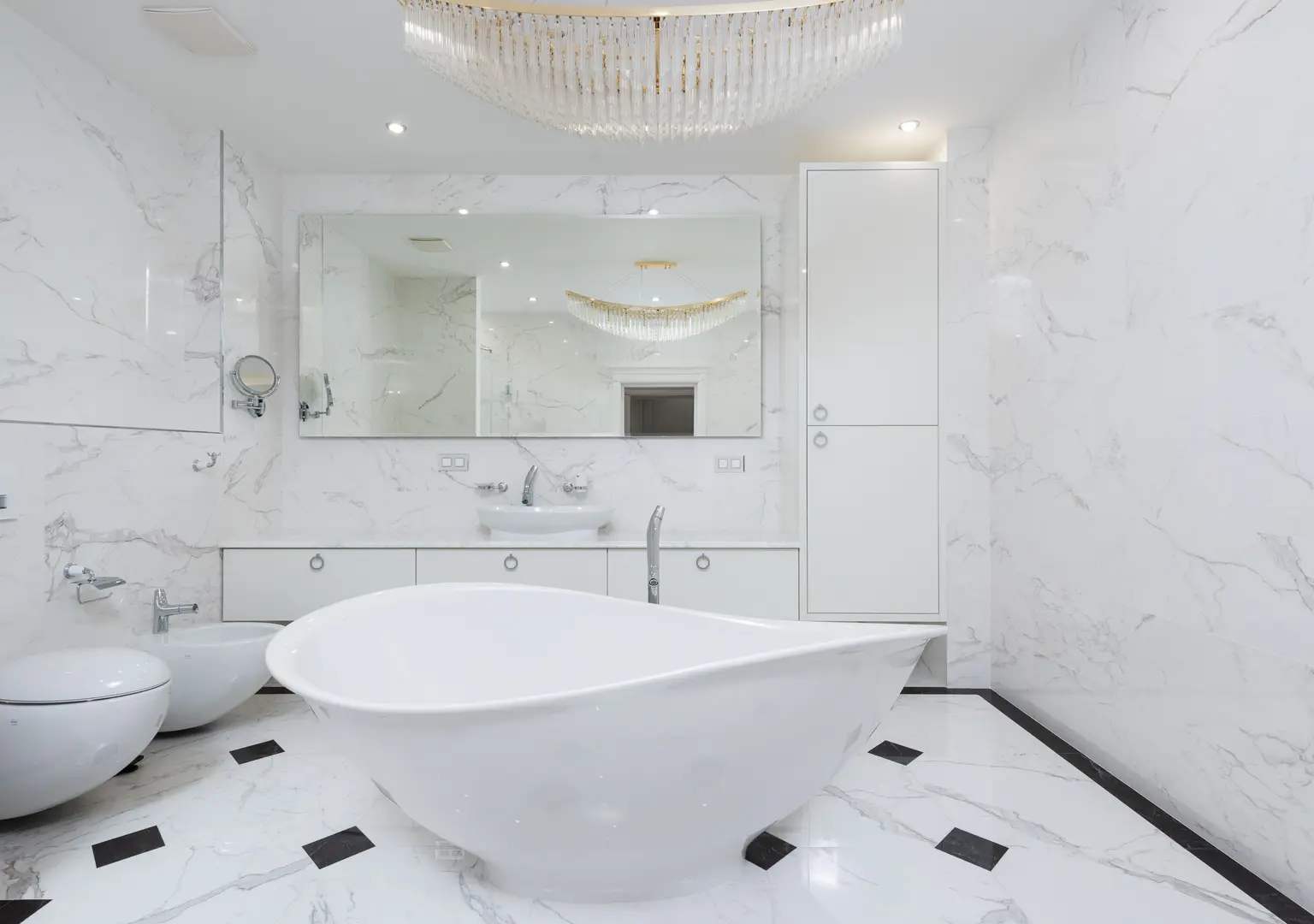
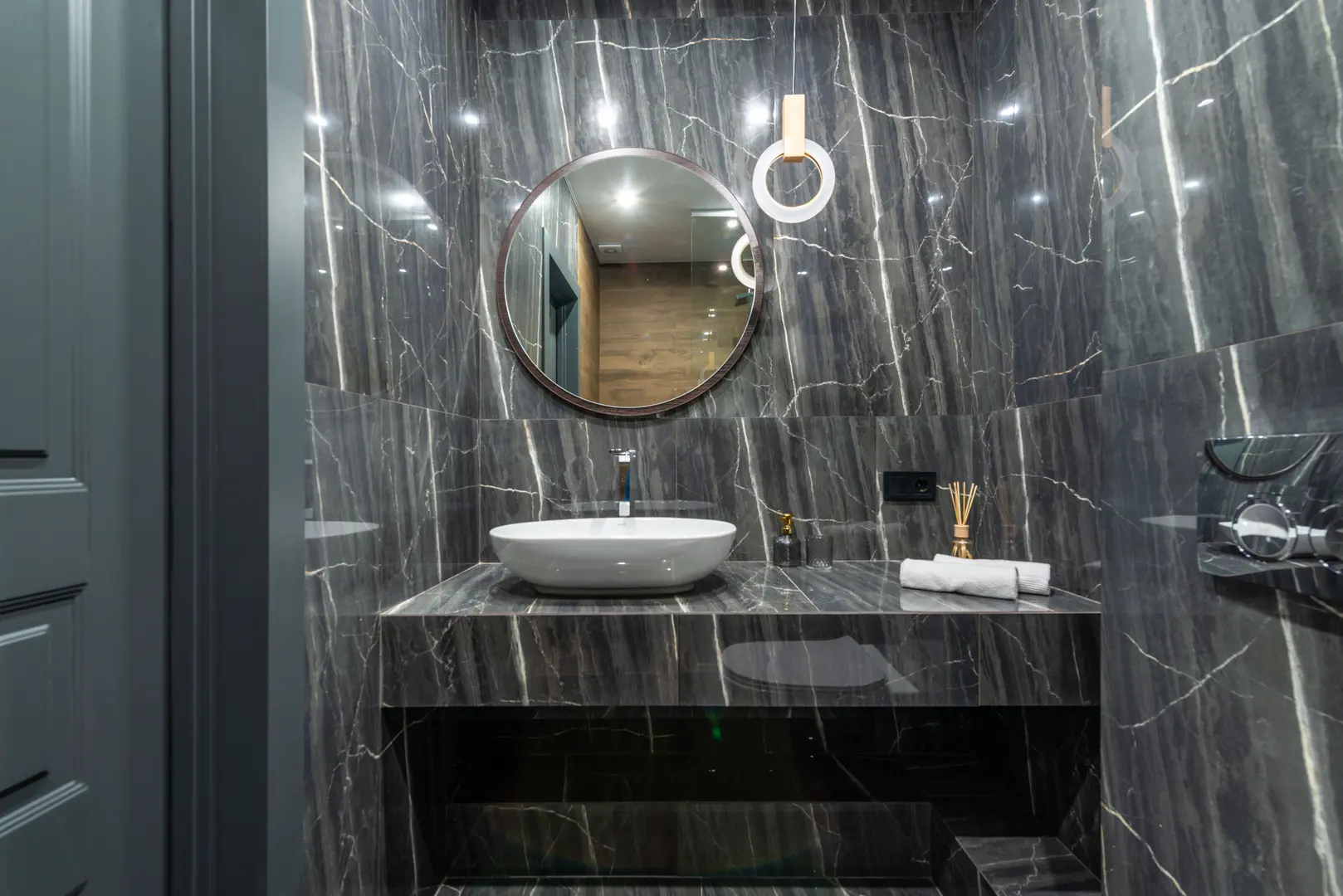
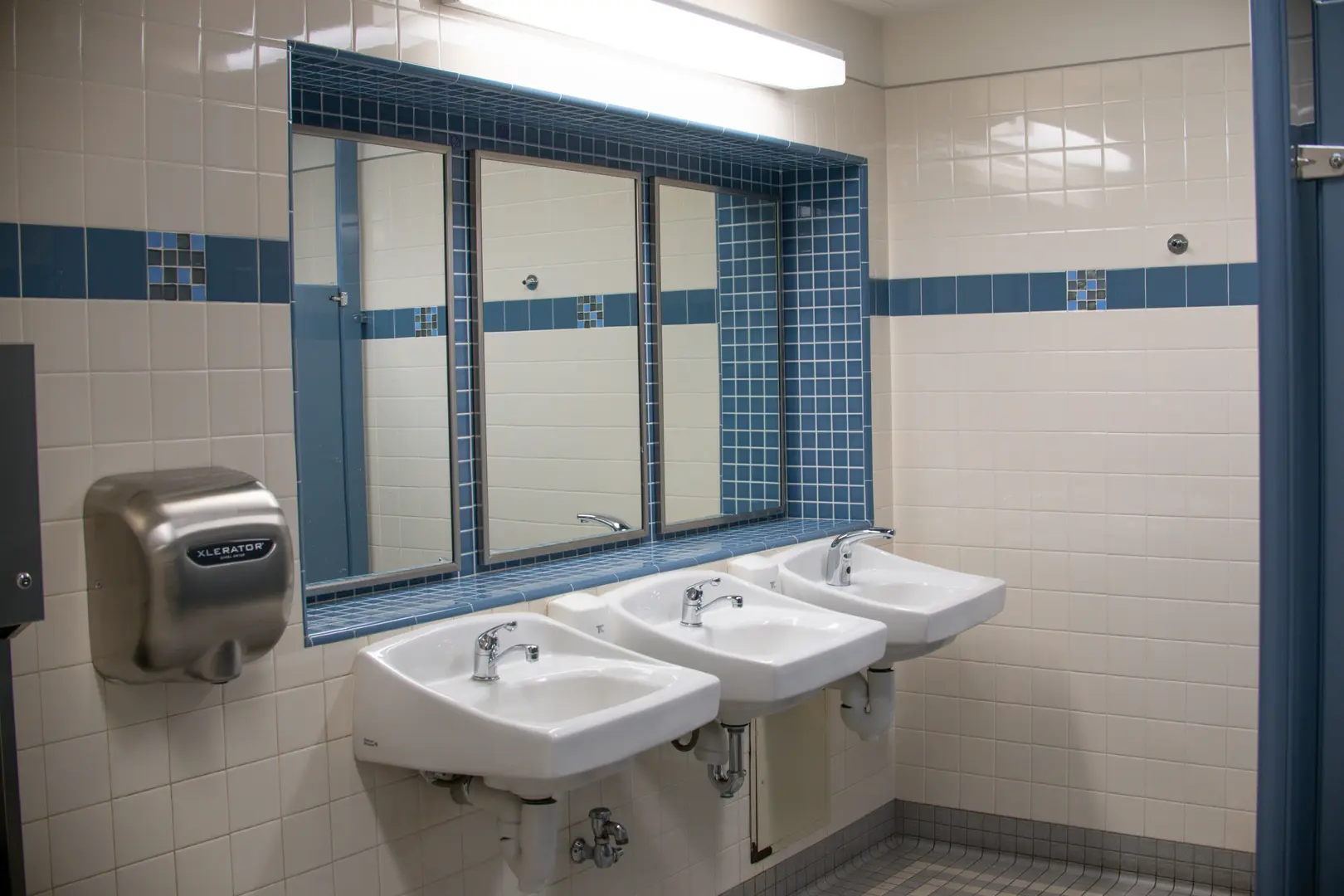
Modern vs Traditional Bathroom Vanity: Which Style Fits Your Bathroom?
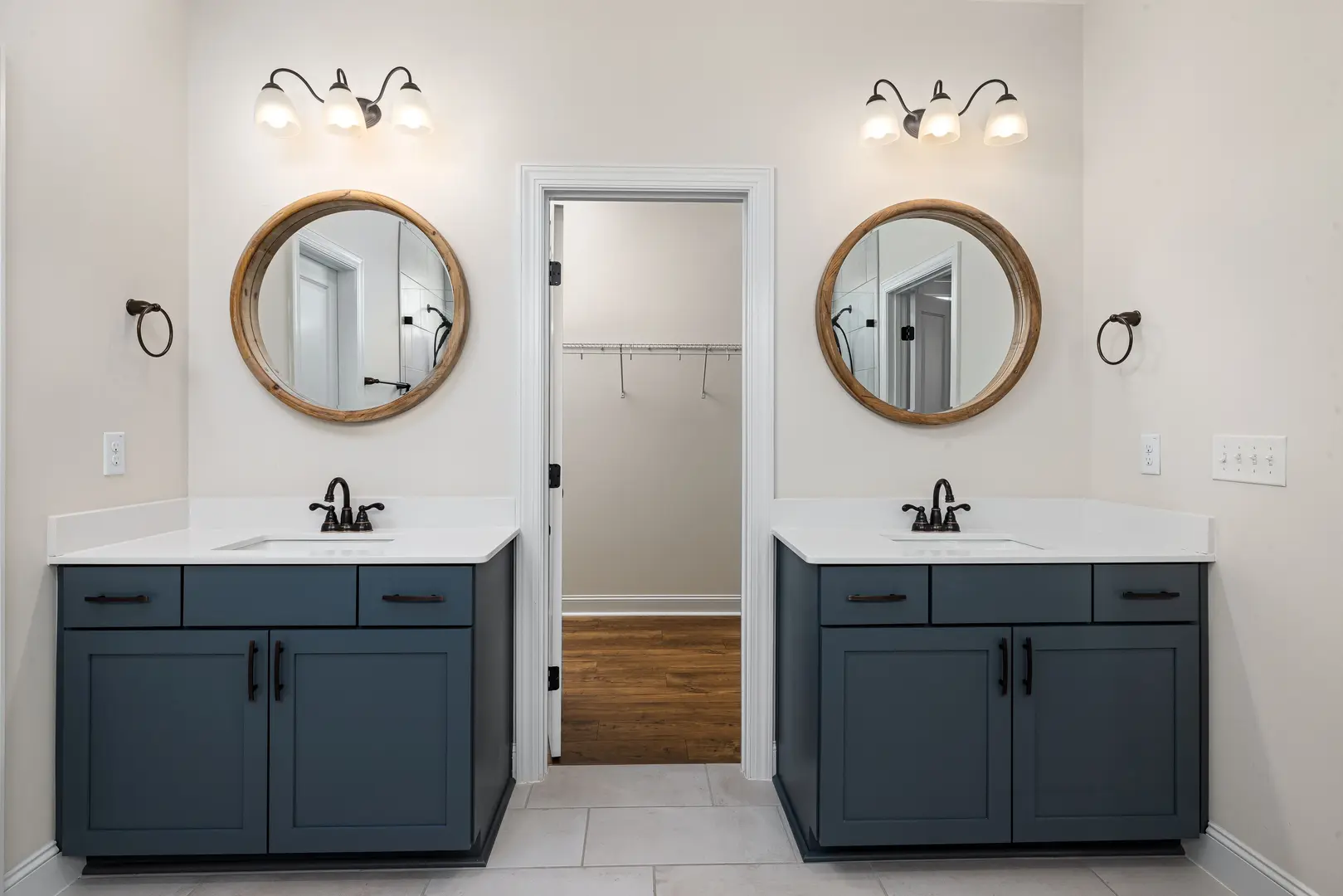
A bathroom vanity does more than hold a sink. It influences storage, daily routines, visual balance, and the overall mood of the room. That makes the modern vs traditional bathroom vanity decision an important part of any bathroom renovation.
Modern vanities tend to emphasize clean lines and space efficiency, while traditional designs offer decorative character and a sense of permanence. Neither is automatically the better choice. The right vanity depends on the room’s dimensions, your storage needs, preferred maintenance level, and the broader design you want to create.
What Sets Modern Bathroom Vanities Apart?
Modern bathroom vanities are recognized for streamlined shapes, simple hardware, and an uncluttered appearance. Doors and drawers often have flat or minimally detailed fronts, allowing the vanity to blend into the room rather than dominate it.
This simplicity is especially useful in compact bathrooms. A visually light design can help a small room feel less crowded, while a carefully planned cabinet layout can make efficient use of limited floor area. Modern vanities may also incorporate open space, wall-mounted forms, or narrow profiles where a heavier cabinet would feel overwhelming.
Storage is usually minimalist, but it should still be purposeful. A vanity with too few drawers or poorly arranged compartments can leave toiletries, cleaning products, and grooming tools on the countertop. That clutter works against the clean appearance that defines modern design.
Before choosing a modern vanity, list what it needs to hold:
- Everyday toiletries and grooming products
- Towels and washcloths
- Hair tools or electric shavers
- Toilet paper and other supplies
- Bathroom cleaning products
- Items shared by more than one person
Deep drawers, internal dividers, and a combination of small and large storage areas can make a minimalist vanity more practical. The goal is not simply to hide everything behind plain doors; it is to give frequently used items a logical place.
One potential drawback is that an extremely minimal vanity can make a bathroom feel cold or clinical. If that is a concern, consider balancing its sharp lines with warmer colors, tactile finishes, or softer decorative elements elsewhere in the room. Modern does not have to mean stark.
What Characterizes a Traditional Bathroom Vanity?
A traditional bathroom vanity usually brings a sense of heritage, richness, and craftsmanship to the room. Instead of fading into the background, it may act as a major visual feature. Framed doors, decorative hardware, shaped edges, and furniture-inspired details give these vanities more presence.
Solid wood is commonly associated with traditional construction. It can provide weight, character, and a naturally varied appearance. With suitable finishing, moisture management, and regular care, a well-made solid wood vanity can serve as a durable centerpiece. However, the construction quality and protective finish matter in a humid bathroom environment.
Traditional vanities often work particularly well in rooms with enough space to accommodate their visual and physical weight. A substantial vanity can anchor a large bathroom, making an otherwise open area feel more complete. It may also provide generous cabinets and drawers for households that need to store many shared items.
The trade-off is maintenance. Decorative grooves, raised panels, detailed legs, and ornate hardware create more surfaces where dust, moisture, and residue can collect. Cleaning may take longer than it would with a simple, flat-front modern cabinet. Homeowners who love detailed design should decide whether they are comfortable with that added upkeep.
Choosing Materials for Bathroom Vanities
Style alone does not determine whether a vanity will hold up well. Bathroom humidity, water splashes, repeated cleaning, and daily wear can challenge both modern and traditional cabinets. Choosing unsuitable materials or finishes may result in earlier repairs and higher long-term costs.
Common material considerations include:
| Material or component | Potential advantages | What to consider |
|---|---|---|
| Solid wood | Rich appearance, natural character, and durable construction when properly protected | Needs an appropriate finish and protection from prolonged moisture |
| Engineered wood products | Can offer a smooth, consistent surface for modern or painted designs | Quality and moisture resistance vary, so construction specifications matter |
| Veneered surfaces | Provide a wood appearance with flexible design options | Edges, seams, and finishes should be well protected |
| Laminate or similar finished surfaces | Often easy to wipe down and suitable for streamlined designs | Durability depends on product quality and the integrity of seams and edges |
| Vanity hardware | Supports smooth daily operation and contributes to style | Hinges, drawer runners, and handles should be suitable for regular bathroom use |
| Countertop and sink area | Receives the most direct exposure to water and products | Seams, joints, and openings need careful installation and sealing |
Solid wood is appealing because of its strength and distinctive grain, but it is not maintenance-free. Likewise, a manufactured cabinet material should not be judged by appearance alone. Ask how the cabinet is finished, how exposed edges are protected, and what care the manufacturer recommends.
Installation quality is equally important. Gaps around plumbing, poorly finished joints, or areas where water can sit may undermine an otherwise durable vanity. Regularly wiping up splashes and addressing plumbing leaks promptly can help protect both the cabinet and surrounding finishes.
Moisture control also supports vanity longevity. An appropriately installed exhaust fan helps remove moisture and odors from the bathroom, but it must be correctly selected, fitted, and used to be effective. Ventilation works alongside durable materials and good cleaning habits; it does not replace them.
How Should Space and Vanity Size Guide Your Choice?
Available floor area should shape the vanity decision before decorative preferences take over. A beautiful cabinet that restricts movement, interferes with a door, or leaves too little usable countertop can make the bathroom frustrating.
Modern vanities often suit compact rooms because their styling is visually restrained. Narrow cabinets, simple fronts, and space-conscious configurations can deliver necessary function without making the room feel overloaded. In a small bathroom, every storage area should have a clear purpose.
Traditional vanities generally need more room to display their details comfortably. In a larger bathroom, a broad, furniture-like cabinet can become an attractive focal point. In a tight space, however, the same design may feel heavy or reduce comfortable circulation.
Consider more than the vanity’s outer width. Review:
- Space needed to open doors and drawers
- Clearance from the toilet, shower, and room door
- Plumbing location and how it affects internal storage
- Countertop space required for daily routines
- The number of people who may use the vanity
- Whether nearby wall storage is available
Storage needs do not always follow style. A large traditional vanity may provide substantial cabinetry, but decorative forms or plumbing can limit usable space. A compact modern vanity may use drawers efficiently, yet still be too small for a family’s towels and toiletries. Examine the actual interior rather than assuming one style automatically stores more.
Accurate planning can also help control the remodeling budget. Rushing to purchase a vanity before checking room dimensions, plumbing requirements, and installation needs can lead to changes or additional expenses. Measure carefully and account for the complete installation—not just the cabinet itself.
Can You Blend Modern and Traditional Vanity Styles?
You do not have to commit entirely to one design category. A hybrid vanity can combine classic character with contemporary simplicity, creating a bathroom that feels balanced rather than tied to a single theme.
For example, a vanity might pair subtly framed cabinet doors with simple hardware and a clean countertop. Another design could use a warm wood finish in a streamlined shape. Traditional proportions can also be simplified by reducing decorative carving or choosing less ornate fixtures.
The most successful combinations usually have a clear visual connection. That connection might come from a repeated finish, consistent hardware, or a limited color palette. Without a unifying element, a mixed bathroom can look accidental rather than thoughtfully layered.
Blending styles can be particularly effective when the rest of the home has traditional architecture but the household prefers contemporary bathroom function. It also offers flexibility during a partial renovation. A transitional vanity may coordinate more easily with existing finishes while leaving room for future updates.
The objective is not to divide the room into “modern” and “traditional” halves. Instead, choose a dominant direction and use elements from the other style to add warmth, simplicity, or character.
Why Bathroom Vanity Function Matters as Much as Style
A vanity is used every day, so usability may matter more than its appearance over time. Before making a decision, imagine a normal morning or evening routine. Consider where items will be placed, how drawers will open, and how easily surfaces can be cleaned.
Key functional questions include:
- Is there enough countertop area for regular use?
- Can stored items be reached without moving other products?
- Are drawers and doors clear of nearby fixtures?
- Will the sink arrangement work for the household?
- Are surfaces easy to wipe around the basin and hardware?
- How much ongoing cleaning does the design require?
- Does installation require plumbing or wall changes?
Modern flat-front vanities can be easier to wipe down because they have fewer decorative details. However, highly minimal models may not offer enough storage unless the interior is carefully planned. Traditional designs can provide substantial storage and countertop presence, but detailed surfaces may demand more cleaning.
Installation requirements also vary. Cabinet size, sink type, plumbing position, wall conditions, and countertop configuration can all affect the work involved. A vanity that seems ideal in a showroom may be impractical if it requires extensive changes to fit the bathroom.
Create a realistic budget that includes the vanity, countertop, sink, fittings, hardware, installation, and any required plumbing or finishing work. Planning these costs together can reduce the risk of overspending or compromising important functional features later.
If your preferred style repeatedly conflicts with the room’s practical needs, function should take priority. A slightly less decorative vanity that fits properly, stores what you need, and is easy to maintain will usually be more satisfying in daily use.
Which Vanity Style Matches Your Lifestyle?
Household size and daily habits can help determine which vanity style is most suitable. Modern designs often appeal to singles or couples who have fewer shared products, value an uncluttered room, and prefer straightforward cleaning. Their compact proportions can also work well in apartments, guest bathrooms, and smaller ensuites.
Traditional vanities may appeal to families that need more storage and want the cabinet to feel substantial. Multiple drawers and cupboards can help organize items for different household members. A larger vanity may also provide useful countertop space during busy routines.
These are not fixed rules. A family can use a modern vanity successfully if it has a well-designed interior, while a single homeowner may choose a traditional piece purely for its warmth and character. The better approach is to match the cabinet to actual behavior.
Think about:
- How many people use the bathroom each day
- Which products need to remain within reach
- How often the vanity will be cleaned
- Whether visible clutter is likely to be an issue
- How much maintenance the household is willing to perform
- Whether storage needs may change in the future
Be honest about upkeep. If detailed cabinet fronts are unlikely to receive regular attention, a simpler design may be more practical. If a highly minimal vanity would force products onto the countertop, a larger or more storage-focused option may be the wiser choice.
Final Thoughts
There is no universal winner in the modern vs traditional bathroom vanity comparison. Modern vanities offer streamlined styling, efficient storage possibilities, and strong suitability for smaller spaces. Traditional vanities provide richness, character, and the ability to become a focal point, particularly in larger bathrooms.
Make the decision by considering the whole room rather than the cabinet in isolation. Space, storage, material durability, moisture control, cleaning demands, installation, budget, and household routines all deserve attention.
The best vanity is ultimately the one that supports daily life while expressing the vision you have for the bathroom. Whether modern, traditional, or a thoughtful blend of both, it should align with your preferences and remain practical long after the renovation is complete.