Open Shelving vs Closed Cabinets for Bathroom: Which Is Better?
Choosing open shelving vs closed cabinets for bathroom storage is not simply a matter of taste. Open shelves can make the room feel lighter and keep frequently used items within easy reach, while closed cabinets conceal clutter and provide more structured storage.
The better option depends on the size of the bathroom, how many belongings you need to store, your cleaning habits, and the look you want to create. Understanding the strengths and limitations of each approach can help you choose storage that remains practical after the room is decorated.
How Open Shelving Can Work in a Bathroom
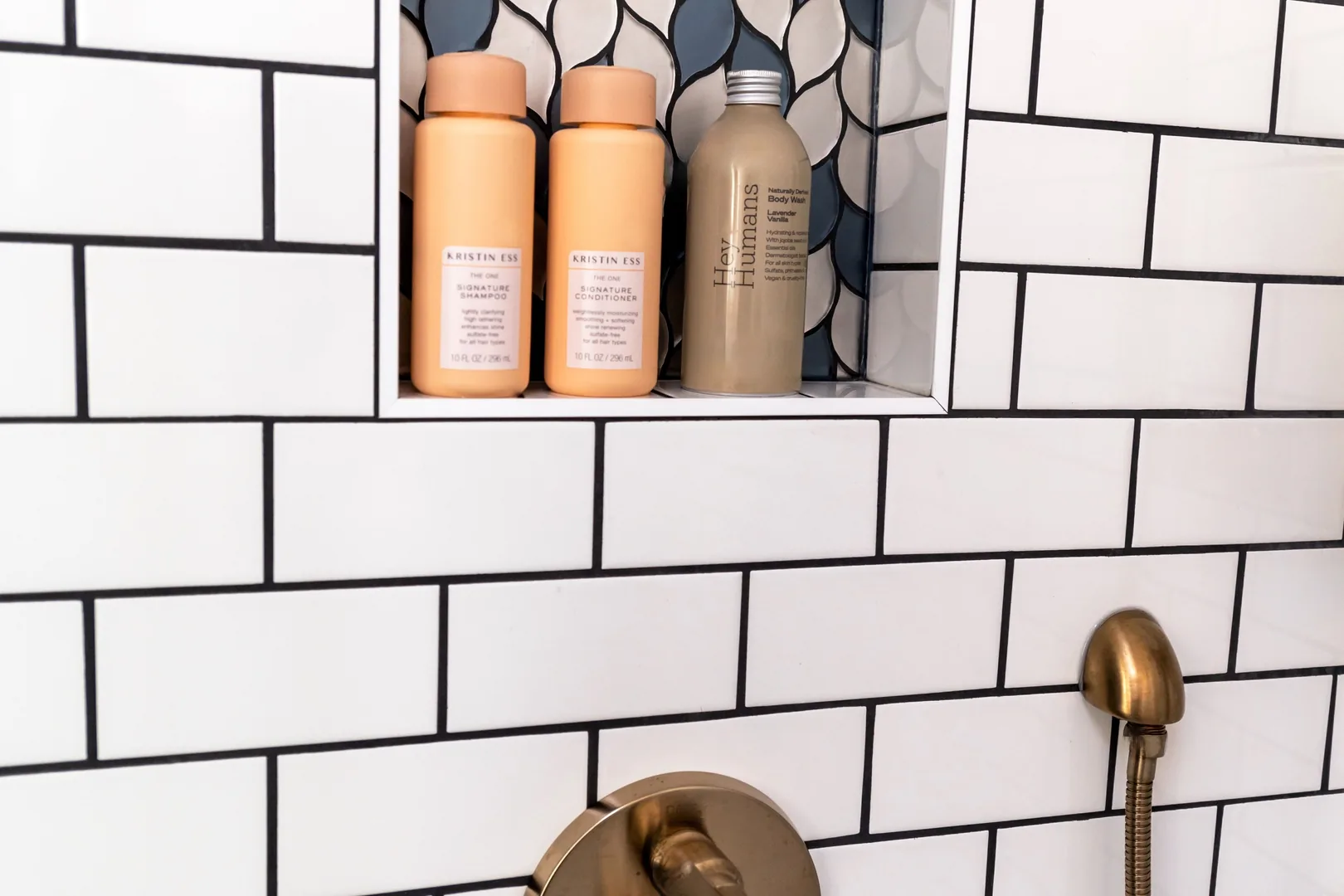
Open bathroom shelving provides accessible storage without the visual weight of a full cabinet. Shelves can hold folded towels, toiletries, baskets, and decorative objects while allowing the wall behind them to remain visible.
This approach is especially appealing when you want storage to contribute to the room’s design. However, because every item remains on display, successful open shelving depends on thoughtful selection and regular upkeep.
It Creates a More Open, Airy Feel
Open shelves tend to feel lighter than enclosed cabinets. They do not create a continuous block of cabinetry, so the bathroom may feel less enclosed. This visual openness can be helpful in a smaller room where bulky storage could intensify space constraints.
Shelving can also use an available wall without making it look completely covered. The effect works best when the shelves are not overloaded. Although open storage can make a small bathroom feel more spacious, too many visible products may have the opposite effect. Crowded shelves create visual noise and can make the room seem smaller than it is.
The goal is to balance storage capacity with empty space. A few well-organized shelves generally preserve a more open appearance than shelves packed from edge to edge.
Decor and Everyday Essentials Stay Visible
Open shelves allow useful belongings to become part of the bathroom’s decor. Folded towels, attractive containers, small personal objects, and carefully chosen decorative pieces can create a curated display.
Visible storage also makes everyday essentials easy to find. Rather than opening multiple doors or drawers, you can see where an item is and reach for it directly. This can work well for frequently used products that are suitable for display.
To keep the arrangement intentional:
- Place the most frequently used items where they are easy to reach.
- Group smaller belongings in containers or baskets.
- Limit decorative objects so they do not compete with practical storage.
- Repeat a few colors, materials, or shapes for a more cohesive look.
- Leave some open space instead of filling every available surface.
Open shelving is particularly suitable for casual, relaxed, or highly personalized bathrooms. It gives you room to adjust the display as your needs or decorating preferences change.
Installation Is Usually Simpler
Open shelving is generally simpler to install than full cabinets. It requires fewer components and can therefore be a more cost-effective way to add bathroom storage.
This relative simplicity is useful when only a small amount of extra storage is required. Instead of introducing a large cabinet, one or two shelves may provide enough room for towels, spare supplies, or daily essentials.
Shelves also offer flexibility in placement. They may fit into wall areas where a larger cabinet would look too heavy or take up more room than necessary. Nevertheless, installation should still suit the wall and the items the shelves will hold. Simple does not mean that positioning and secure support can be overlooked.
Visible Storage Needs Consistent Tidying
The main drawback of open shelving is that clutter cannot be hidden. Toiletries, spare products, packaging, and miscellaneous belongings all remain visible. Without regular organization, the shelves can quickly make the bathroom feel crowded.
Open storage also requires ongoing cleaning because exposed surfaces and contents collect dust. In a bathroom, shelves must be maintained alongside the rest of the room rather than treated as storage that can be closed and forgotten.
Before choosing open shelves, consider whether you are comfortable:
- Returning products to their designated places
- Removing empty or rarely used items
- Keeping visible containers orderly
- Dusting shelves and displayed belongings regularly
- Maintaining a restrained arrangement over time
Using only open shelving can be a mistake when a small bathroom contains many unrelated items. The shelves may be physically compact, but the volume of visible belongings can undermine their airy appearance. Baskets and coordinated containers can reduce some visual clutter, although they still require organization.
Why Closed Bathroom Cabinets Remain a Strong Choice
Closed cabinets are a dependable option for bathrooms that need substantial storage. Doors and drawers create a visual boundary between the room and its contents, making it easier to maintain a clean, streamlined appearance.
Cabinets also support more deliberate organization. Different sections can be assigned to daily products, spare supplies, linens, or personal belongings. With many styles available, closed storage can be both practical and visually compatible with the rest of the bathroom.
They Keep Everyday Clutter Out of Sight
Closed cabinets are particularly effective at reducing visible clutter. Products do not have to be display-worthy, and minor untidiness is less likely to affect the overall appearance of the room.
This can be useful in a shared bathroom or any space that holds a broad mix of personal items. Different packaging, colors, and product sizes can make open shelves look busy even when everything is technically organized. Cabinet doors create a calmer exterior.
Closed storage may also help a small bathroom feel more orderly. Although open shelves are often visually lighter, they are not automatically the best answer for every compact room. If an open arrangement would expose numerous toiletries and supplies, a simple cabinet can create a cleaner effect. Handle-free or visually streamlined fronts may further support a seamless look, depending on the room’s style.
They Shield Contents from Moisture and Dust
Closed storage offers better protection from bathroom humidity and dust than an exposed shelf. Cabinet doors help separate stored belongings from the room, making enclosed storage a more suitable choice for items that benefit from additional protection.
This distinction matters when deciding what should be displayed and what should remain enclosed. Towels used for decoration or a small selection of everyday items may work on open shelves, while less frequently used belongings can be placed behind doors.
A cabinet should not be treated as complete isolation from bathroom conditions, but it provides a stronger barrier than open shelving. Keeping the cabinet itself clean and orderly is still important.
Cabinets Come in Many Design Styles
Closed bathroom cabinets are available in a broad variety of designs. Their doors, finishes, hardware, and overall form can reinforce the bathroom’s decorating style rather than serving only as functional storage.
For example, a cabinet can appear clean and understated or become a more noticeable design feature. The best choice will relate to other elements already present in the room, helping the storage feel integrated rather than added as an afterthought.
Because cabinets have more visual mass than open shelves, proportion matters. A design that looks balanced in a larger bathroom may feel imposing in a compact one. Selecting a cabinet that complements both the available wall area and the room’s aesthetic helps combine storage capacity with a polished appearance.
They Offer More Structured Organization
Cabinets often include defined sections, shelves, or drawers. These features make it easier to give each category of belongings a consistent place. Daily products can remain accessible, while refills and less frequently used items can be stored separately.
Drawers are useful for organizing smaller items that might look scattered on an open surface. Internal shelves can hold taller products or grouped supplies. The closed exterior keeps these practical arrangements from dominating the room visually.
High-mounted closed storage can also use vertical space while keeping contents out of sight. This may be valuable when floor area is limited, although items used every day should still be placed where they can be reached conveniently. Storage works best when its internal arrangement reflects actual routines rather than simply providing the maximum number of compartments.
Could a Combination of Open and Closed Storage Be Best?
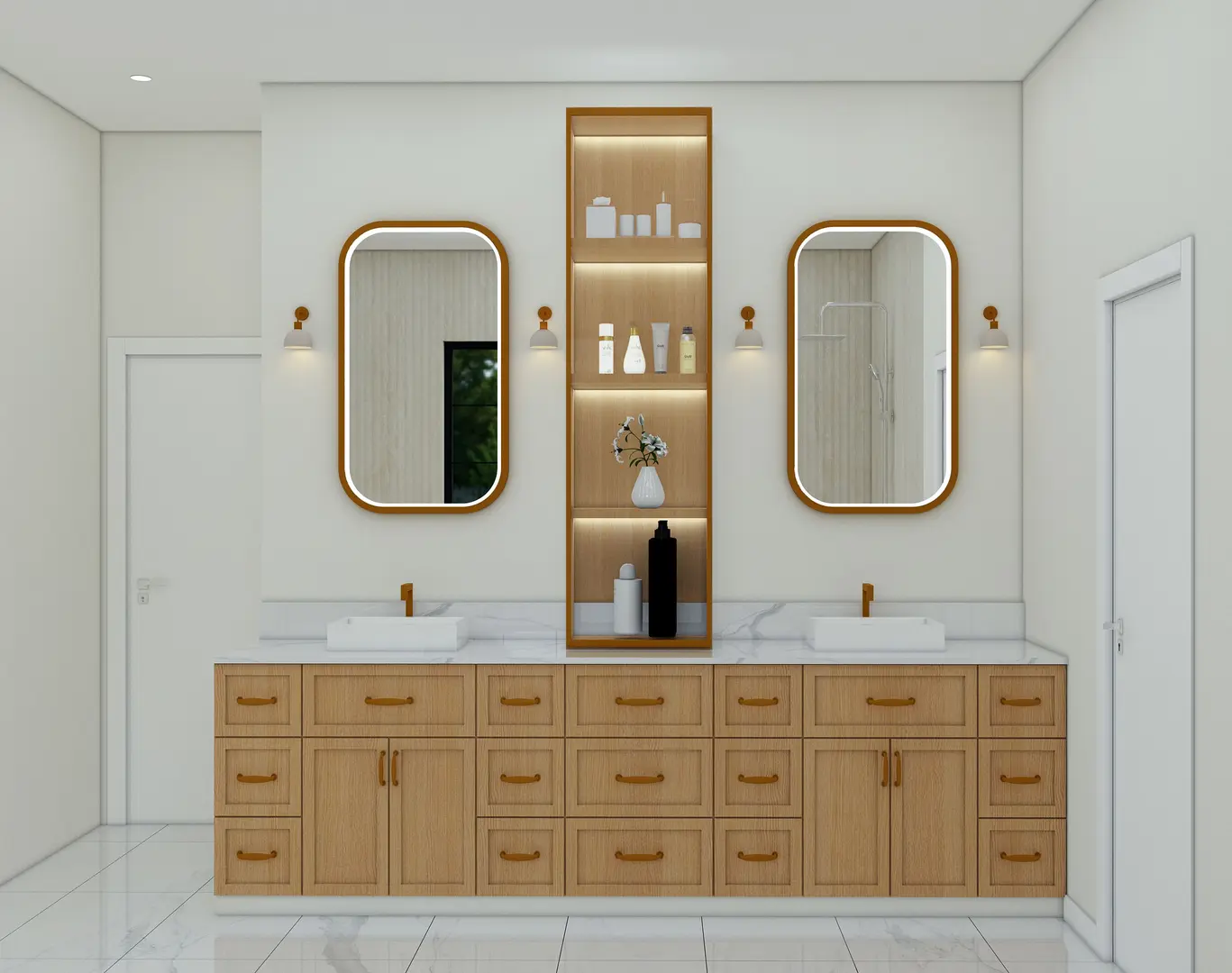
A mixed approach can provide the accessibility of open shelves and the concealment of cabinets. Instead of forcing every belonging into one type of storage, you can assign items according to how often they are used and whether they contribute positively to the room’s appearance.
Open shelves might hold folded towels, a few daily essentials, and selected decor. Closed cabinets can contain spare toiletries, cleaning supplies, personal products, and anything else that would create visual clutter.
A balanced arrangement could include:
- An enclosed vanity with one or two open wall shelves
- A closed wall cabinet paired with a small display ledge
- Open storage for frequently used towels and drawers for smaller products
- High-mounted closed shelves for spare items, with accessible open storage below
This combination can make a bathroom practical without turning all storage into a display. It also allows the open section to remain selective, which makes tidying easier.
However, mixed storage does not always use every part of the room as efficiently as a single, carefully planned system. Separate open and closed elements may divide the available wall area, so each part should have a clear purpose. The combination is most effective when it responds to real storage needs rather than being added solely for visual variety.
Key Factors to Weigh Before Deciding
Neither storage type is universally better. The decision should account for the number of belongings in the bathroom, the available space, the amount of upkeep you are prepared to do, and your preferred decorating style.
In many cases, the strongest solution is the one that suits everyday habits. A beautiful open display may become frustrating if you dislike tidying, while a large cabinet may be unnecessary if you own very few bathroom items.
How Much Storage Do You Actually Need?
Begin by reviewing what the bathroom must hold. Include items used every day as well as spare towels, refills, cleaning products, grooming tools, and personal belongings.
Then separate the inventory into three groups:
- Items that need to stay immediately accessible
- Items that can be stored out of sight
- Items that do not need to remain in the bathroom
A small collection of neatly arranged essentials may suit open shelving. A larger inventory with many small or mismatched items is generally easier to manage in cabinets and drawers. If your needs fall between those extremes, a combination can prevent open shelves from becoming overloaded.
Avoid choosing storage only by how it looks when empty. Consider how it will appear and function once your actual belongings are in place.
What Are the Limits of Your Bathroom’s Size?
In a small bathroom, every storage choice affects both movement and visual balance. Open shelves can preserve a light, airy feel, but only when their contents remain controlled. Shelves crowded with products may make a compact room look even busier.
Closed cabinets have more visual weight, yet they can also make a small bathroom feel calmer by hiding clutter. A streamlined cabinet or high-mounted enclosed unit may use vertical space without exposing every stored item.
Assess the room as a whole. Pay attention to where storage can fit without making the bathroom feel more enclosed. The best small-space solution may be open, closed, or mixed depending on whether the greater concern is bulky furniture or visible clutter.
How Often Are You Prepared to Clean and Tidy?
Open shelves require frequent attention. Their contents stay visible, and both the shelves and displayed items need regular cleaning. If you enjoy arranging belongings and naturally put products back in place, this upkeep may be manageable.
Closed cabinets are more forgiving. Doors conceal temporary disorder and reduce how much stored clutter affects the appearance of the room. They still need internal organization, but the bathroom can remain visually calm between tidying sessions.
Be realistic about your routine. Storage that depends on habits you do not have is unlikely to remain attractive or functional over time.
Which Look Fits Your Bathroom Best?
Open shelves generally create a casual, accessible, and decorative look. They allow personal belongings and selected objects to shape the character of the room. Closed cabinets usually appear more polished and structured, particularly when their design coordinates with the surrounding decor.
Consider whether you want storage to stand out or blend in. Open shelving naturally draws attention to its contents, while closed cabinetry places more emphasis on its exterior design.
Ultimately, the choice between open shelving and closed cabinets should support both the bathroom’s appearance and the way it is used. Choose open shelves for visual lightness and easy access, cabinets for concealment and structured organization, or a thoughtful mix when you need the advantages of both.