9 Reasons to Soak in Hot Baths for Relaxation and Well-Being

A warm bath offers more than a chance to get clean. It can create a quiet pause, loosen a tense body and help you shift away from the pressures of the day. From easing sore muscles to preparing for sleep, there are many practical reasons to soak in hot baths—provided the water is comfortably warm rather than excessively hot.
Here are nine ways thoughtful bath time may support relaxation and everyday well-being, followed by simple ideas for making each soak safer and more restorative.
How Warm Baths Ease Stress and Encourage Calm
Stress often shows up physically through tight shoulders, a stiff neck, clenched muscles or restless energy. Immersion in warm water can help the body relax, reducing some of the tension accumulated during a busy day. As the muscles loosen, it may become easier for the mind to settle too.
A bath also removes you from many common sources of stimulation. When you step away from screens, household tasks and notifications, the bathroom can become a temporary retreat. Softer lighting, a quiet playlist or a familiar scent can make the atmosphere feel even calmer.
This combination of warmth and reduced stimulation may support the body’s natural stress response. Rather than treating a bath as another item on your schedule, allow it to be unstructured time. Breathe slowly, notice the sensation of the water and give yourself permission to do nothing.
Although a bath cannot remove the source of ongoing stress, it can provide a useful transition between a demanding day and a more restful evening.
Why Hot Baths Can Comfort Aching Muscles and Joints
Warmth can be soothing after physical activity, prolonged sitting or a day spent on your feet. Heat encourages circulation and helps tight tissues relax, which may reduce feelings of stiffness and make gentle movement more comfortable.
A warm soak can be especially pleasant when muscles feel tired rather than acutely injured. Moving an ankle, bending a knee or slowly rolling the shoulders in the water may support flexibility without turning the bath into a strenuous exercise session. Movements should remain easy and pain-free.
Some people also add Epsom salts as part of their muscle-care routine. While the bath’s warmth and buoyancy are central to the soothing experience, salts can add to the ritual and make the water feel more spa-like. Follow the product instructions and stop using them if irritation occurs.
Bathing should not replace appropriate care for severe, unexplained or persistent pain. If discomfort is worsening, follows an injury or limits normal movement, seek advice from a qualified healthcare professional.
How Soaking May Encourage Better Circulation
Warm water can widen blood vessels, a process known as vasodilation. This may temporarily increase blood flow, helping oxygen and nutrients travel to working or tired muscles. Improved circulation is one reason the body may feel warmer and less rigid during a soak.
Blood flow also helps carry metabolic by-products away from tissues as part of the body’s normal waste-removal processes. However, a bath does not “detox” the body or remove toxins in the way that term is sometimes used in wellness marketing. The liver, kidneys and other body systems perform that work continuously.
The circulatory response to warmth may also give the cardiovascular system gentle stimulation. That does not make bathing a substitute for physical activity, medical treatment or other heart-healthy habits.
People react to heat differently. If a bath makes you dizzy, weak, breathless or unwell, get out carefully and allow your body to cool. Anyone with a cardiovascular condition, circulation concern or other relevant medical issue should ask a healthcare professional whether hot bathing is suitable for them.
How an Evening Bath May Support Better Sleep
Bathing in the evening can become a useful signal that the active part of the day is ending. Warm water raises skin temperature, and the gradual cooling that occurs after leaving the bath may complement the body’s natural preparation for sleep.
This post-bath cooling process works alongside the circadian rhythm—the internal pattern that helps regulate sleep and wakefulness. The ritual itself can matter as much as the water. Repeating a calm sequence, such as bathing, putting on comfortable sleepwear and dimming the lights, teaches the mind to associate those actions with bedtime.
To keep the routine relaxing:
- Put away work and bright screens before the bath.
- Choose gentle lighting rather than harsh overhead light.
- Play quiet music or enjoy the silence.
- Use a relaxing scent you already know you tolerate.
- Leave enough time to cool down comfortably before bed.
Lavender or another personally calming fragrance may help create a restful atmosphere, but scent is optional. A simple, fragrance-free bath can be just as effective as a nightly cue.
Ways a Warm Bath Can Benefit Your Skin
Warm water can soften surface oils and loosen dirt, making gentle cleansing easier. It also prepares damp skin for moisturiser, which can help reduce the dry or tight feeling that sometimes follows bathing.
The key is moderation. Excessively hot water can strip away natural oils that support the skin barrier. Frequent exposure may leave skin feeling dry or irritated and can aggravate some existing skin conditions. Very hot water may also dry the scalp and affect hair, particularly if hair is already fragile or processed.
For a skin-conscious soak:
- Use comfortably warm water instead of the hottest temperature you can tolerate.
- Choose a mild cleanser and avoid aggressive scrubbing.
- Pat the skin dry rather than rubbing it vigorously.
- Apply moisturiser while the skin is still slightly damp.
- Keep hair out of the water if repeated heat exposure leaves it dry.
- Stop using any bath additive that causes itching, burning or redness.
A small amount of a suitable natural bath oil may make the experience feel nourishing, but oils are not appropriate for everyone. They can also make the bath surface slippery, so enter and leave with care. If you have sensitive skin or an established skin condition, follow the advice of your dermatologist or healthcare provider rather than experimenting with multiple new ingredients.
How Bathing May Relieve Menstrual Cramps and Discomfort
Menstrual discomfort can include lower abdominal cramps, backache, muscular tension and bloating. Resting in warm water may provide natural comfort by relaxing tense muscles and encouraging blood flow around the areas that feel sore.
A bath also supports rest at a time when slowing down may be helpful. Try settling into a comfortable position, breathing into the abdomen and allowing the warmth to surround the lower back. Gentle movement may feel pleasant, but there is no need to stretch through pain.
Some bathers use essential oils to create a more comforting atmosphere. If you choose to do so, use only bath-appropriate products according to their directions. Essential oils should not simply be poured undiluted into the water, where they may contact the skin in concentrated droplets. Fragrance-free bathing is the better option if scents trigger headaches or irritation.
A warm soak may ease ordinary discomfort, but it cannot identify or treat the cause of unusually severe symptoms. Seek medical guidance for intense, new or persistent pain or for symptoms that interfere substantially with daily life.
How a Relaxing Soak Can Lift Your Mood
Bath time creates a natural boundary between you and the demands waiting outside the room. Even a short period without chores, messages or conversation can provide emotional breathing space.
This quiet setting encourages reflection and mindfulness. You might notice how you feel without immediately trying to change it, think through the day or simply focus on the warmth of the water. By reducing external input, a bath can make an overwhelmed mind feel less crowded.
Small sensory details can also improve the experience: a clean towel, an uncluttered bath ledge, soft light or a favourite piece of music. These details are not about creating a perfect home spa. They communicate that your comfort deserves attention.
A soak will not resolve every difficult emotion, but it can offer a gentle mood reset. If low mood, anxiety or distress is persistent, bath time can complement—but should not replace—professional or social support.
Turning Bathing Into a Meaningful Self-Care Ritual
The difference between routine washing and restorative bathing often lies in intention. A self-care ritual does not need to be elaborate, expensive or time-consuming. It simply needs to be a regular act performed with care.
Consider choosing one evening each week for an unhurried soak. Prepare the room beforehand so you are not searching for towels or toiletries while the bath is running. Clear visual clutter, place what you need within easy reach and make sure the floor is dry and safe.
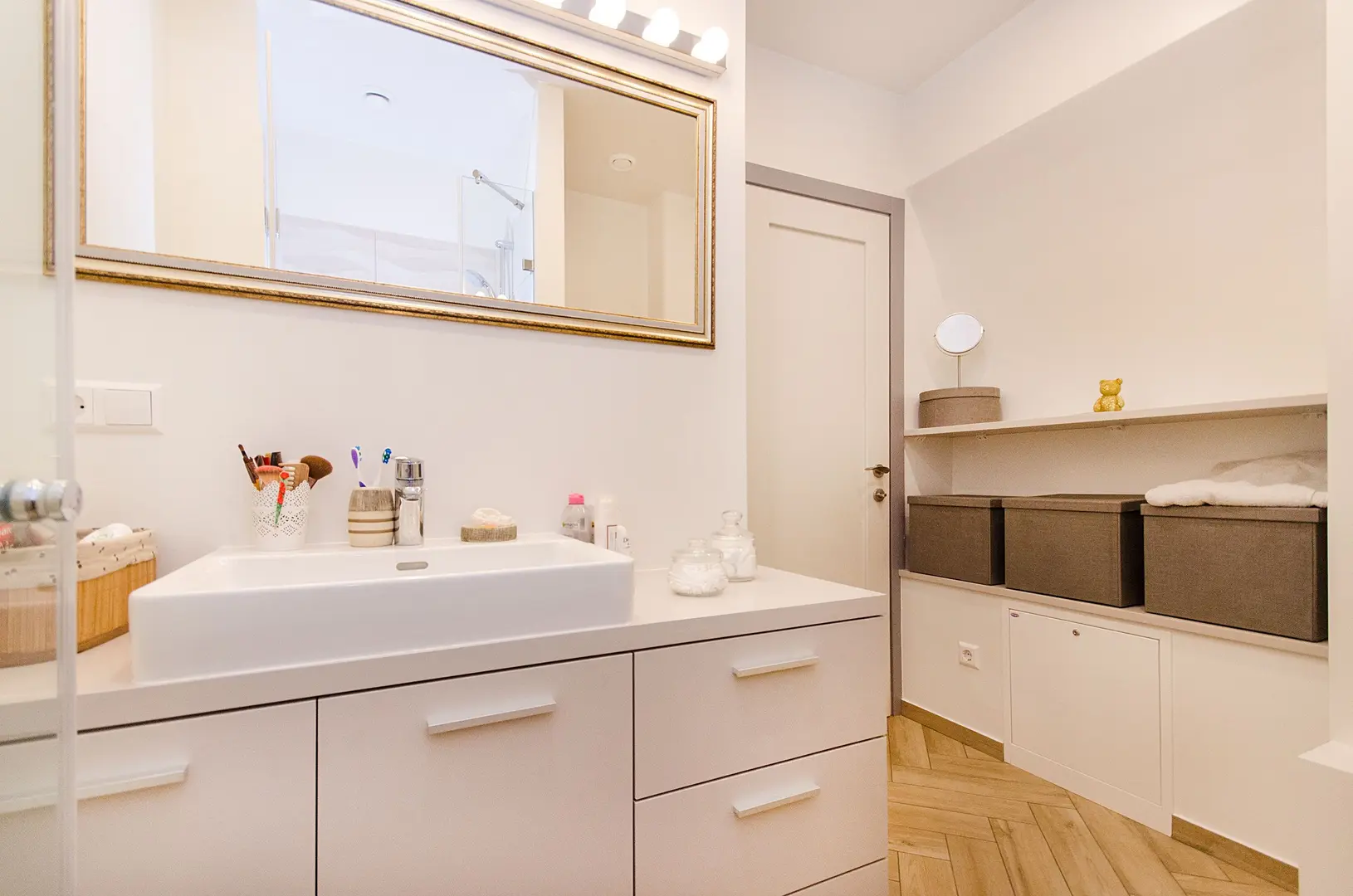
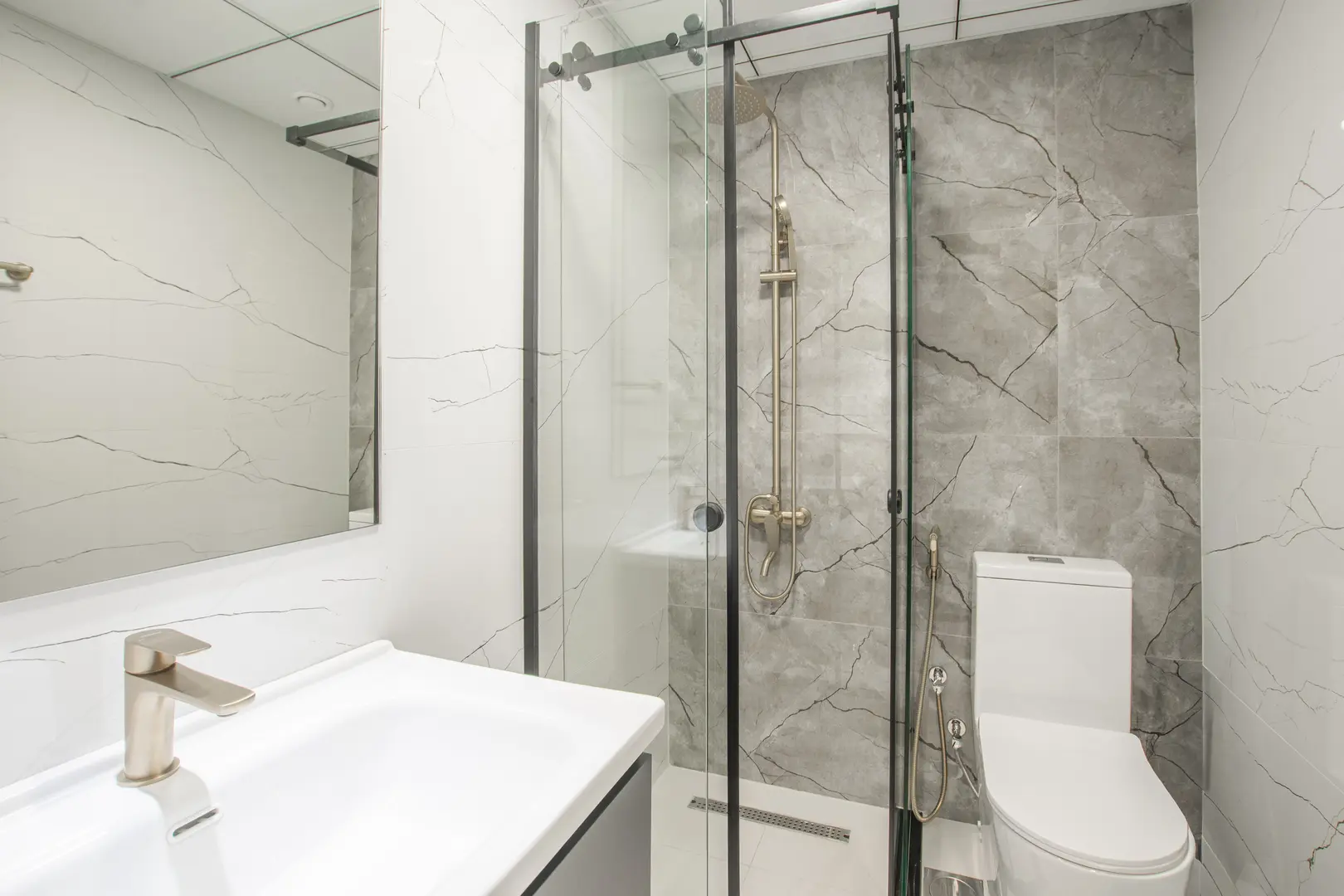
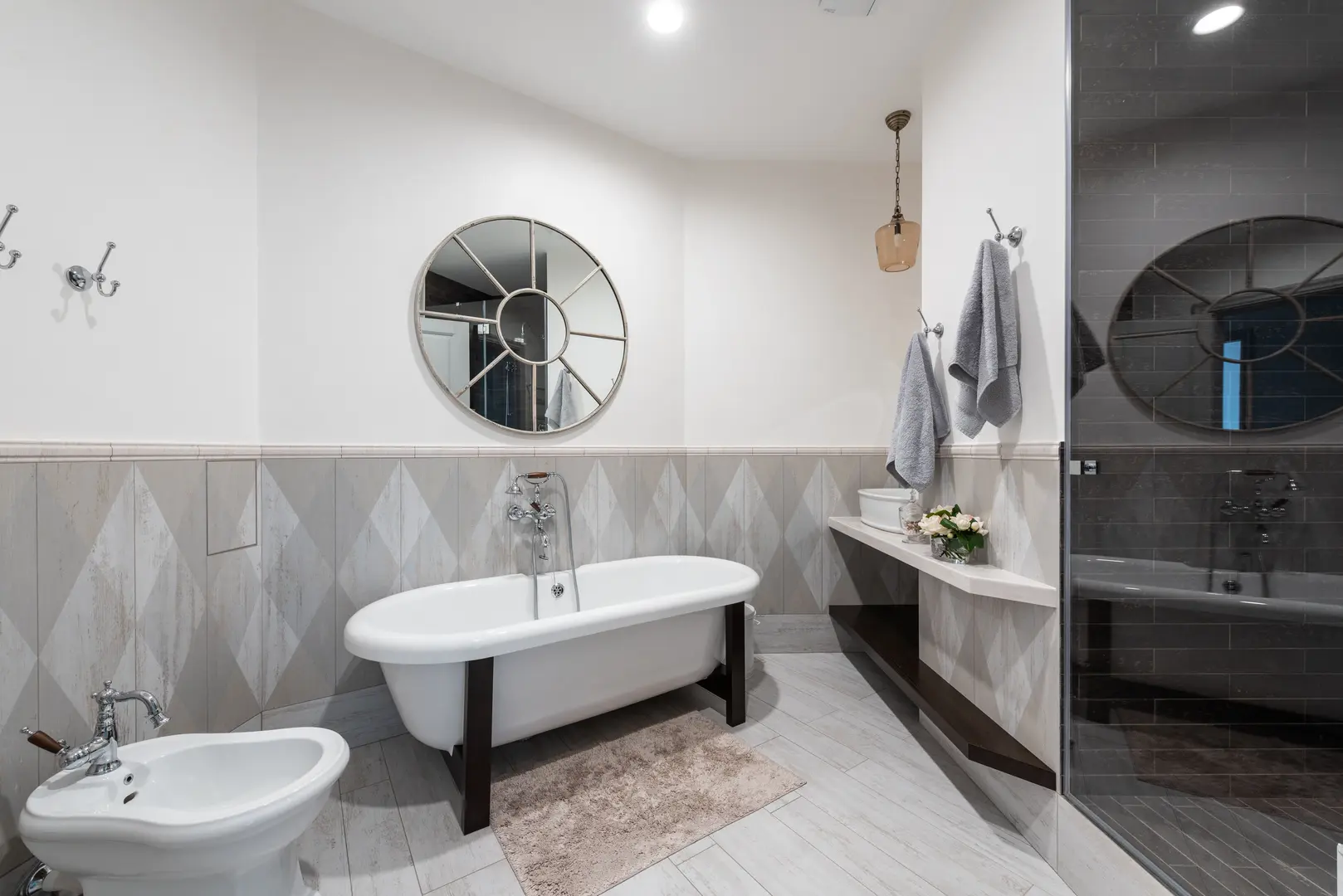
The bathroom’s design can support the ritual. Practical storage, comfortable lighting, coordinated textiles and a few carefully chosen decorative elements can make the room feel inviting. Cleanliness and function matter more than luxury: a tidy space is generally easier to relax in than one filled with distractions.
Treating bath time as worthwhile can also be an expression of self-respect. It is a way of recognising fatigue, responding to bodily tension and making room for recovery before reaching exhaustion.
How Soaking Can Encourage a Healthier Mindset
Mindfulness means paying attention to the present moment rather than replaying the past or anticipating every future problem. Bathing offers an accessible setting in which to practise it because the water provides clear physical sensations to notice.
Begin by observing the warmth around your body. Listen to small sounds, notice your breathing and release areas that feel tense. When your thoughts wander, return your attention to the immediate experience without criticising yourself.
This does not require an empty mind. The aim is to recognise thoughts without being carried away by each one. A bath can provide enough distance from the day’s momentum to reconsider what is urgent, what can wait and what may not deserve further attention.
Used regularly, this pause can support emotional recalibration. You may leave the water with the same responsibilities, but with a steadier perspective from which to approach them.
Simple Ways to Make Each Bath More Restorative
A restorative bath begins before you enter the water. Decide what you need from the experience: physical comfort, quiet reflection, preparation for sleep or simply a pleasant break. Setting an intention can prevent bath time from becoming another opportunity to scroll through a phone or mentally organise tomorrow’s tasks.
A few thoughtful details can help:
- Prepare the room first. Place a towel, robe and toiletries within reach.
- Reduce interruptions. Silence notifications and let others in the household know you need quiet time.
- Choose one sensory feature. Try soft lighting, music or a gentle scent instead of adding everything at once.
- Keep water nearby. A warm room and warm water can leave you feeling thirsty.
- Use the time for renewal. Focus on breathing, reflect on something positive or consciously release one concern from the day.
- Finish slowly. Stand carefully, dry off, moisturise if desired and allow yourself time to cool down.
More products do not necessarily create a better bath. Clean water, a safe temperature and an unrushed atmosphere may be all you need.
Safety Guidelines for Hot Baths
Bath water should feel comfortably warm, never painfully hot. Excessive heat can cause serious burns, and water may be unsafe even when it does not appear to be steaming. If you are unsure, test the water cautiously before entering and use a suitable bath thermometer rather than relying only on your hands. Follow any temperature guidance provided by a healthcare professional, especially when bathing children or assisting someone with reduced heat sensitivity or mobility.
Take these precautions:
- Mix the water thoroughly to prevent unexpectedly hot areas.
- Enter slowly instead of stepping or lowering yourself in all at once.
- Add cooler water if your skin stings, reddens quickly or feels uncomfortable.
- Leave the bath if you feel dizzy, faint, nauseated or unusually weak.
- Avoid falling asleep in the bath.
- Step out carefully, as water, oils and bath products can make surfaces slippery.
- Never leave a child or a person requiring assistance unattended around bath water.
Do not use a trash bag filled with hot water as a makeshift bath. Thin plastic may soften, melt or rupture, releasing hot water suddenly and causing burns. Heavy-duty plastic may appear stronger and conform to the body like a temporary tub, but it can still fail when exposed to heat, weight or sharp surfaces. It is not a safe replacement for a purpose-built bath or bathing container.
When approached with sensible temperature control and a little preparation, soaking can be a simple, enjoyable way to care for both body and mind.