How to Remove Bath Bomb Stains From a Bathtub
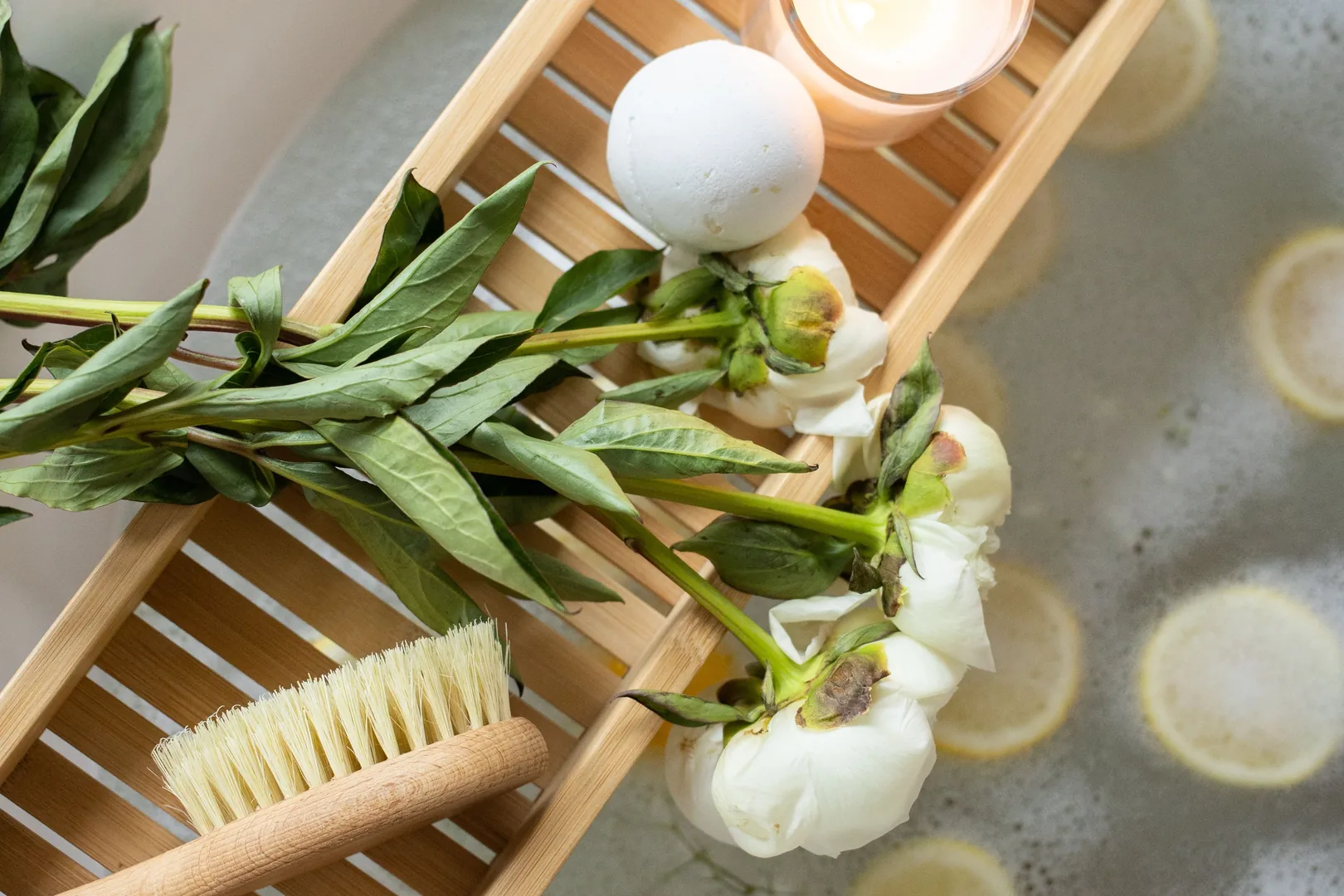
A bath bomb can leave behind several different messes: a colored dye mark, an oily film, loose glitter, or a ring at the waterline. To remove bath bomb stains from a bathtub safely, start with warm water, mild dish soap, and a soft cloth or non-scratch sponge. This removes the oily layer that can hold color against the tub surface.
If color remains after washing, use the gentlest stain treatment that suits your tub material. Acrylic and fiberglass need especially careful handling because harsh chemicals and abrasive scrubbers can dull or scratch their finish. Check the tub maker’s care instructions when you know the brand and material, particularly before using a stronger cleaner.
Start by identifying what is left in the tub
The best way to clean a bath bomb stained bathtub depends on what the mark feels and looks like.
- Slippery or greasy film: Usually oils, butters, or fragrance residue. Dish soap is the first choice because it is designed to cut grease.
- Colored streaks or a colored ring: Usually dye that has settled onto residue or a slightly porous, worn, or textured surface.
- Sparkly particles: Glitter or mica. These may cling to soap residue, corners, the drain area, and the underside of a bath mat.
- Chalky or grainy residue: Often undissolved bath bomb ingredients combined with hard-water deposits or soap scum.
Clean off oil and loose residue before treating dye. Scrubbing a colored oily film with dry baking soda or a rough pad can spread the mark and make surface damage more likely.
What you need
Gather simple, nonabrasive supplies before you begin:
- Mild liquid dish soap
- Warm water
- Microfiber cloths or soft cotton cloths
- A soft sponge labeled non-scratch
- Baking soda
- A small bowl
- A handheld shower spray, cup, or clean wet cloth for rinsing
- Optional: a bathtub cleaner specifically labeled for your tub material
Avoid steel wool, scouring pads, abrasive powders, pumice stones, stiff scrub brushes, and melamine sponges unless your tub manufacturer specifically says they are safe. These tools can leave fine scratches that catch more dye, soap residue, and grime later.
How to get bath bomb dye out of a tub
1. Rinse away loose color, glitter, and residue
Drain the tub, then rinse it with warm water. Direct water toward the drain to move loose glitter and colored particles out instead of wiping them around the basin.
If glitter has collected around the drain or in corners, pick it up with a damp microfiber cloth. Rinse or replace the cloth as needed. Do not rely on a dry paper towel alone; it may push fine particles across the surface.
2. Wash the entire affected area with dish soap
Put a small amount of mild dish soap on a damp cloth or soft sponge. Wipe the stained area, plus several inches around it, using light pressure. Pay attention to the waterline, the textured floor, and the slope around the drain, where oils tend to settle.
Leave the soapy film on the area briefly while you clean nearby surfaces, then rinse thoroughly with warm water. A colored ring may lighten substantially once the oil beneath it is removed.
3. Use a baking soda and water paste for remaining color
For a light dye mark or stubborn bath bomb residue in the bathtub, mix baking soda with enough water to make a soft paste. Apply it only to the remaining mark with a soft cloth. Rub gently rather than scrubbing hard, then rinse well.
Baking soda is mildly abrasive, so the pressure matters. Stop if the surface begins to look dull or feels rough. On acrylic and fiberglass, it is better to repeat a gentle pass than to use force.
4. Rinse, dry, and inspect in good light
Rinse all cleaner and paste from the tub. Dry it with a clean microfiber cloth, then inspect the surface when it is dry. Wet surfaces can hide a faint dye shadow or make a residue ring look worse than it is.
If the mark is gone but the tub still feels slippery, wash once more with dish soap and rinse carefully. Leftover oils can create a safety issue in the next bath or shower and can attract more residue.
Adjust the method for your tub finish
Acrylic bathtub
Acrylic is common in modern tubs and should be cleaned gently. Use mild dish soap, warm water, a soft cloth, or a nonabrasive sponge first. A light baking soda and water paste may help with a lingering dye mark, but avoid aggressive rubbing.
Do not assume bleach, strong acids, solvent-based products, or abrasive cleaners are safe for acrylic. Product and tub manufacturers can have different care guidance, so verify compatibility on the cleaner label and in the tub’s care information. If you cannot identify the tub, stay with the mildest method.
Fiberglass bathtub
Fiberglass also benefits from gentle cleaning. Start with dish soap and a soft sponge, then use a baking soda paste only if needed. Heavy scouring powders and rough pads can wear down the finish and leave it looking cloudy.
If a dye mark repeatedly returns to the same area, the surface may be worn or holding residue in fine scratches. Repeatedly escalating to harsher cleaners is unlikely to improve that condition.
Porcelain enamel or enameled steel bathtub
Porcelain enamel is generally harder than acrylic or fiberglass, but it can still be scratched or damaged by harsh abrasion. Wash with dish soap first and use a soft sponge. For a remaining stain, use a cleaner that is explicitly appropriate for porcelain enamel and follow its label directions.
Avoid chipping the enamel with hard tools. Once enamel is chipped, the exposed metal beneath can be more vulnerable to rust staining.
Cultured marble, composite, or an unknown finish
These surfaces vary widely. Do not use vinegar, bleach, abrasive paste, or a specialty cleaner until you have checked the manufacturer’s instructions. If the tub is in a rental and the material is unclear, ask the property manager or use dish soap and a soft cloth only.
When a bath bomb ring will not lift
A stubborn colored ring is not always dye alone. It may be dye trapped in old soap scum, hard-water buildup, scratches, or a worn finish. If the gentle sequence does not work, pause before trying internet cleaning combinations or stronger chemicals.
First, check whether the mark changes when the tub is fully dry. A rough, dull, or permanently discolored patch may be finish damage rather than removable residue. For a specialty tub surface or an older tub with visible wear, consult the tub maker’s care guidance or a qualified refinishing professional before using stronger products.
Cleaners and tools to avoid mixing or using casually
Never mix cleaning products. In particular, do not combine bleach with vinegar, ammonia, or other cleaners. Use one product at a time, rinse thoroughly, and follow the product label for ventilation, protective equipment, and surface suitability.
Be cautious with these common suggestions:
- Bleach: May discolor or harm some acrylic and composite finishes.
- Vinegar: Can be useful for mineral residue on some surfaces, but it is not the first treatment for bath bomb dye and may not suit every tub material.
- Toilet bowl cleaner: Often too harsh for a bathtub finish.
- Magic eraser-style pads: Can act like a fine abrasive and may dull glossy acrylic or fiberglass.
- Powdered scrubbers and pumice: Can scratch, especially when used dry or with force.
Prevent the next stain
Rinse the tub promptly after using a strongly colored bath bomb, especially before the water fully drains. Then wipe the waterline and tub floor with a soft cloth and a little dish soap if the bath bomb left oil or visible color.
For bath bombs with glitter, remove the bath mat before bathing if possible and rinse the tub while particles are still loose. Choosing products with lighter color, less oil, or no glitter can also reduce cleanup, particularly in older acrylic or fiberglass tubs with surface wear.
The key is gentle, early cleanup: remove the oily film first, treat leftover dye carefully, and protect the finish rather than trying to scrub the stain away in one hard pass.
References
- 9 Cleaning Tips to Maintain Your Acrylic Bathtub| Streamline. (n.d.). https://streamlinebath.com/9-cleaning-tips-maintain-your-acrylic-bathtub
- Clean Tub Stains Bathtub. (n.d.). https://www.pinterest.co.uk/ideas/clean-tub-stains-bathtub/932511623770
- How to Clean Your Bathtub. (n.d.). https://www.homedepot.com/c/ah/how-to-clean-your-bathtub/9ba683603be9fa5395fab90ce09e709
- Cleaning Bathtub - Bathtub Care. (n.d.). https://www.madonnahomesolutions.com/bathtub-care
- Remove Bathtub Stains: 8 Types & the Right Fix. (n.d.). https://ohsospotless.com/how-to-remove-bathtub-stains
- How to Remove Deep Stains From Bathtub. (n.d.). https://www.pinterest.co.uk/ideas/how-to-remove-deep-stains-from-bathtub/908946213960
- Clean Bathtub Stains. (n.d.). https://www.pinterest.co.uk/ideas/clean-bathtub-stains/927416922726
- How To Clean A Fiberglass Bathtub Without Damaging …. (n.d.). https://www.mesashower.com/news/how-to-clean-a-fiberglass-bathtub-without-dama-85621624.html