How to Remove Bath Rust Stains Safely
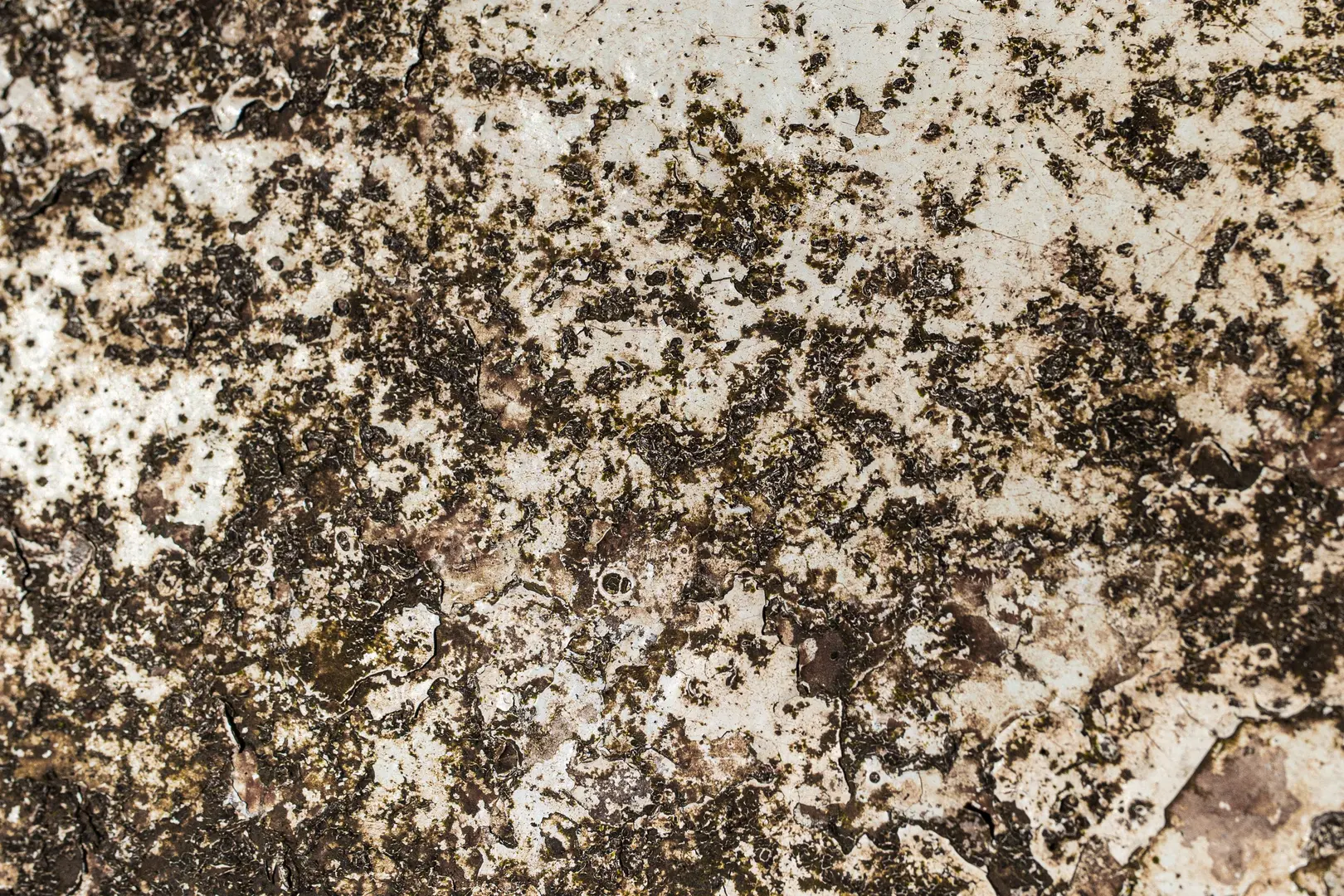
Rust stains can make an otherwise clean bath look neglected. They often develop when metal objects remain in contact with a wet surface, although hard water may also contribute. Fresh marks are generally easier to address; once rust has remained in place for a long time, removal can require more care.
The safest way to remove bath rust stains is to match the cleaning method to the bath material. Porcelain, tile, and other finishes do not always respond in the same way, and an overly abrasive technique may cause permanent surface damage. Start gently, check the bath manufacturer’s care guidance, and only move to a stronger product when necessary.
Ways to Prevent Rust Stains in the Bath
Preventing rust is usually easier than removing an established stain. Focus on reducing prolonged contact between water, metal, and the bath surface.
Metal containers and bathroom accessories are common sources of rust marks. When a metal item sits on a damp bath ledge or floor, moisture can remain trapped underneath it. Corrosion may then leave an orange or brown ring on the surface.
Items that can cause this problem include:
- Metal shaving cream cans
- Wire storage baskets
- Metal soap dishes
- Tools or hardware left during maintenance
- Containers with exposed metal bases
- Decorative accessories that are not intended for wet areas
Keep these objects off consistently wet surfaces. After using them, place them in a dry storage area rather than returning them to the bath edge. If an item has already started corroding, moving it will prevent it from repeatedly transferring rust to the same spot.
Hard water can also contribute to recurring discoloration. Water with a high mineral content may leave deposits behind as it dries, and those deposits can include or hold iron-related staining. If marks continue to appear even when no metal item is touching the bath, the water supply may be part of the issue.
A water softener can help reduce the effects of hard water. It is not a substitute for routine cleaning, but it may limit the mineral buildup associated with recurring stains. If you are considering one, choose a system that is appropriate for the household’s water conditions rather than assuming every stain has the same cause.
Wiping the bath after use is another simple preventive measure. Removing standing water gives both metal corrosion and mineral deposits less opportunity to develop. Pay particular attention to:
- Corners and ledges where water collects
- Areas beneath bottles and accessories
- The space around taps and drains
- Grout lines or textured sections that hold moisture
You do not have to polish the entire bath after every use. A quick wipe of persistently wet areas can make a meaningful difference. It also gives you a chance to notice a new rust mark while it is still relatively easy to remove.
If a stain appears, deal with it promptly. Waiting allows the discoloration to become more established. First remove the source—such as a rusting container—then clean and dry the affected area.
Methods for Removing Rust From Bath Surfaces
Before attempting to remove bath rust stains, determine what the affected surface is made from. A technique suitable for one material may dull, scratch, or otherwise degrade another. Review the bath manufacturer’s care instructions, especially before using a pumice stone, abrasive tool, acidic cleaner, or commercial rust-removal product.
For a compatible surface, a real pumice stone can provide a direct mechanical cleaning method. Pumice works with water to produce a light cleaning paste as it is rubbed over the mark. However, it is still an abrasive material and is not suitable for every bath finish.
Use this general process only when the surface care guidance allows it:
Wet the stained area. Do not begin on a dry bath surface. Water is needed during the cleaning process.
Soak the real pumice stone with water. The stone should remain wet while it is in contact with the stain. As it moves across the wet area, it begins to create a paste.
Scrub the rust mark carefully. Work only on the discolored area and avoid treating a wider section than necessary. Do not assume that heavier pressure will produce a better result.
Rinse during cleaning. Regular rinsing clears away loosened rust and pumice residue. It also allows you to see whether the stain is fading, so you do not continue scrubbing after the mark has gone.
Address remaining residue with baking soda. If a small amount of discoloration or cleaning residue remains, apply baking soda with a toothbrush. The smaller brush provides more control around edges, textured areas, or narrow sections.
Rinse and dry the surface. Remove all residue with clean water, then wipe the area dry. Make sure the object that caused the stain is not returned to the same wet location.
This method needs particular caution on porcelain. Although porcelain can feel solid, aggressive scrubbing or abrasive cleaners may degrade its finish. A damaged finish may become dull or more difficult to maintain. Do not treat pumice as a universally safe option simply because it is a natural material. If the manufacturer advises against abrasive cleaning, choose a compatible rust-removal product or another gentle method instead.
The same principle applies to tile. Tiles and the grout between them are different materials and may not tolerate identical treatment. Keep any cleaning method within the recommendations for the specific surface rather than applying it across the entire bath area without checking suitability.
Bleach is not an effective answer to rust staining on porcelain. It may be familiar as a general bathroom cleaner, but rust is a different type of discoloration. Repeatedly applying bleach is unlikely to solve the mark and may encourage more unnecessary cleaning. Use a method intended for rust instead.
Avoid combining methods at random. If one approach does not work, rinse the surface thoroughly and consult the care instructions before changing products. A stubborn stain does not justify using every cleaner available, especially when protecting the bath finish is the priority.
Safe Household Solutions for Rust Stains
For readers seeking a non-chemical or household approach, begin with the least aggressive method suitable for the surface. “Natural” does not automatically mean harmless: a tool can damage a finish through abrasion even when it contains no conventional cleaning chemicals.
A sensible progression is:
- Remove the rusting metal item.
- Rinse away loose material with water.
- Use baking soda and a toothbrush for light residue.
- Consider wet pumice only if the surface guidance permits it.
- Rinse frequently while cleaning.
- Dry the area and monitor it for returning stains.
Baking soda and a toothbrush offer control when dealing with small marks or residue. The toothbrush helps keep the cleaning action focused instead of spreading it across an undamaged area. This approach may be preferable when you want to avoid immediately reaching for a specialized chemical cleaner.
A wet real pumice stone is another relatively simple option, but it should not be confused with a risk-free option. Its cleaning action depends on abrasion. That can be useful on a compatible surface and harmful on a finish that should not be scrubbed. Water, frequent rinsing, and careful application help control the process, but they do not override the bath manufacturer’s restrictions.
When household methods are not sufficient, oxalic-acid cleaners and commercial rust removers are two commonly considered choices. There is no single product category that is automatically best for every bath.
| Option | Potential advantage | Main consideration |
|---|---|---|
| Baking soda with a toothbrush | Uses a familiar household material and allows focused cleaning | Better suited to residue or lighter marks than deeply established stains |
| Wet real pumice stone | Creates a cleaning paste while physically lifting the stain | Abrasive action may damage porcelain, tile, or another incompatible finish |
| Oxalic-acid cleaner | Can be effective against rust staining | Requires careful, limited application and must be suitable for the bath material |
| Commercial rust remover | Specifically formulated for rust and may be convenient to use | Formulas vary, so surface compatibility and label directions are essential |
Oxalic acid is used in some cleaners intended to tackle rust. These products can be effective, but effectiveness is only one part of the decision. The cleaner must also be approved for the relevant surface and applied carefully to limit possible damage. Do not use more product or leave it in place longer than its directions specify.
“Commercial rust remover” is a broad category rather than a single formula. Some commercial products may themselves contain oxalic acid, while others rely on different ingredients. This means the choice is not always simply oxalic acid versus commercial cleaner. The more useful comparison is between the actual product instructions, intended surfaces, and application requirements.
Before selecting any rust remover, check:
- Whether it is intended for baths or bathroom surfaces
- Whether the label identifies the bath material as compatible
- Whether the manufacturer excludes porcelain, tile, grout, or a particular finish
- How the product should be applied and rinsed
- Whether the bath manufacturer permits that type of cleaner
Apply stronger cleaners only to the area that needs treatment. A rust mark on one small section does not require coating the entire bath. Careful application reduces unnecessary exposure of the surrounding finish and makes it easier to monitor the result.
Do not use abrasive cleaners on porcelain merely because a stain is stubborn. The mark may fade while the finish is also degraded, leaving a larger cosmetic problem than the original rust spot. Likewise, do not rely on bleach when a rust-specific method is needed.
The safest overall strategy is gradual: begin with water and a controlled household method, rinse as you work, and reassess the stain. If it remains, choose a rust remover that explicitly suits the bath material. Once the surface is clean, dry it and remove the source of corrosion so the same stain does not return.