Toilet Seats: Should You Leave the Toilet Seat Up or Down?
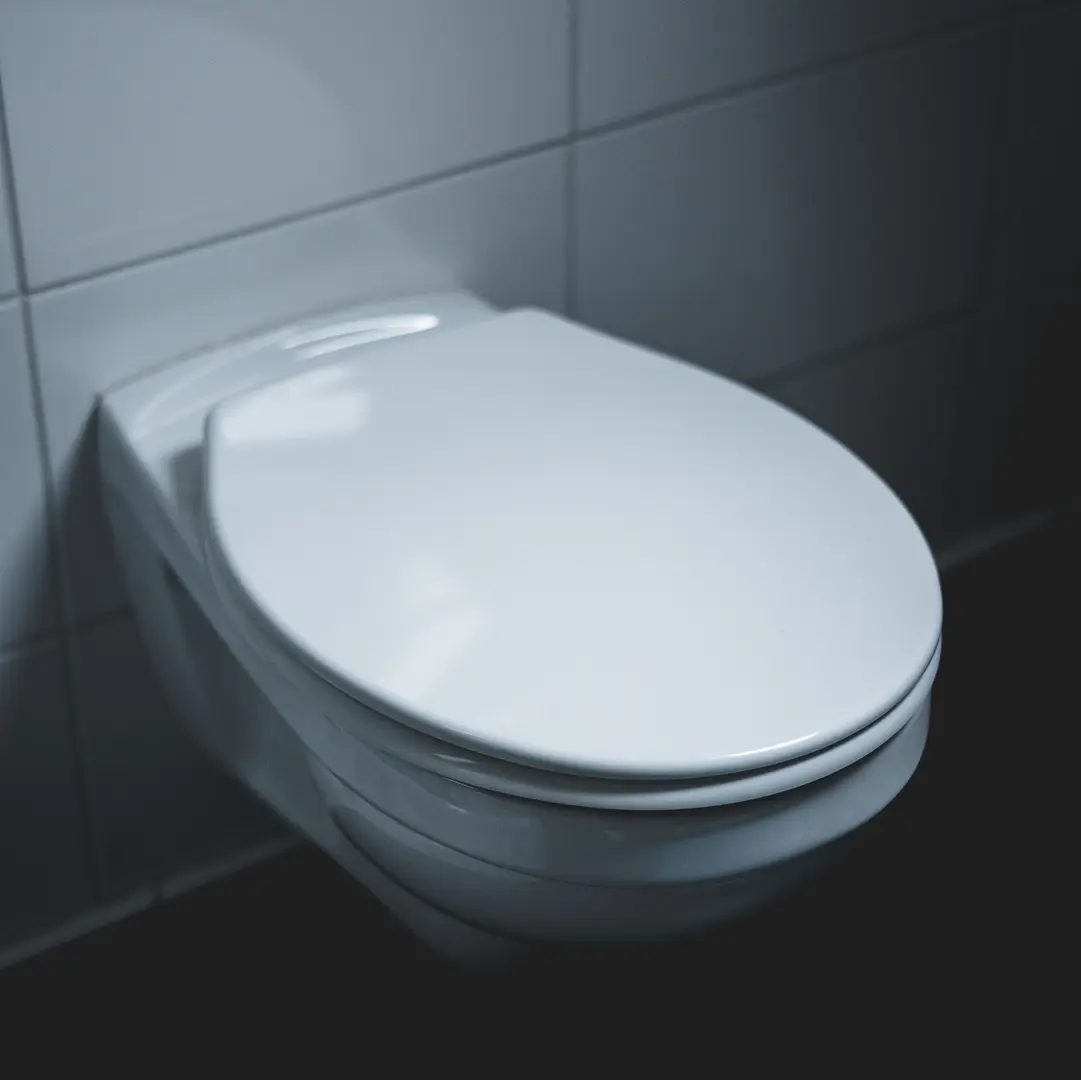
The question “Should you leave toilet seat up or down?” may sound like a minor household debate, but the answer can affect bathroom hygiene, safety, etiquette, and appearance. The most practical habit is to lower both the seat and the lid after every use, ideally before flushing.
Closing the toilet helps limit the spread of flushing droplets, keeps pets and young children away from the bowl, and gives the bathroom a tidier look. Although lowering it requires touching the seat or lid and adds one small step to your routine, regular handwashing and a soft-close design can address most of those concerns.
Why Keeping the Toilet Seat Down Can Be Beneficial
Keeping the toilet seat and lid down offers several potential advantages:
- It may reduce the number of flushing droplets released into the bathroom.
- It keeps the bowl and any stains around the rim out of sight.
- It can discourage pets from drinking toilet water.
- It creates a barrier for curious young children.
- It leaves the toilet ready for someone who needs to sit.
- It gives the bathroom a neater, more coordinated appearance.
It is important to distinguish between lowering the seat and closing the lid. The seat is the ring used for sitting, while the lid is the solid cover above it. For hygiene and safety purposes, the strongest approach is to lower both—not simply the seat—when the toilet is not being used.
Lowering the Seat May Improve Bathroom Hygiene
Flushing a toilet can produce a plume of tiny airborne droplets. These droplets may contain bacteria from the toilet bowl and can disperse into the surrounding bathroom. Larger droplets can carry more bacteria, making it sensible to contain as much of the plume as possible.
Closing the lid before flushing can reduce the number of droplets released into the air. A closed lid does not necessarily create a perfect seal or eliminate every hygiene concern, but it provides more of a barrier than leaving the bowl completely exposed. For that reason, the general hygiene consensus favors flushing with the lid down.
This is also why focusing only on whether the seat ring is up or down misses part of the issue. Lowering the ring while leaving the lid open still exposes the bowl. A better routine is:
- Finish using the toilet.
- Lower the seat if it is raised.
- Close the lid.
- Flush.
- Wash your hands thoroughly.
Leaving the seat up can create other cleanliness problems. Urine droplets or stains may remain on the rim, especially when users do not notice or clean splashes promptly. An exposed bowl and a visibly marked rim can make an otherwise clean bathroom feel unsanitary.
The open bowl can also be unpleasant to look at. Even when the toilet has just been cleaned, it is generally not a feature most people want to emphasize. Closing the lid conceals the interior and makes the fixture appear cleaner.
Lowering the lid is not a substitute for cleaning the toilet. The seat, lid, hinges, rim, handle, and surrounding floor still require regular attention. However, combining consistent cleaning with a lid-down flushing routine offers a practical approach to bathroom hygiene.
A Closed Toilet Is Safer for Pets
Pets do not understand that the toilet is not a suitable water bowl. If the lid is left open, dogs or cats may investigate or drink from the bowl. Toilet water can contain bacteria, and it may also contain residues from bathroom cleaning products.
Cleaning chemicals are a particularly important concern. Even if the water looks clear, a recently cleaned toilet may contain substances that pets should not ingest. Keeping the lid closed creates a simple physical barrier between an animal and the bowl.
Cats present another practical concern. A cat jumping onto or walking across an open toilet can lose its footing and slip into the water. A closed lid provides a more stable surface and prevents direct access to the opening.
Pet owners should therefore make closing the lid a consistent habit rather than relying on supervision alone. It may also help to:
- Keep toilet-cleaning products stored securely.
- Provide pets with accessible fresh drinking water.
- Ask household members and guests to close the lid.
- Check that the lid is sturdy and properly fitted.
A lowered seat without a closed lid does not offer the same protection. If pet safety is the goal, the solid lid needs to cover the bowl.
Keeping It Down Helps Protect Children
Young children are naturally curious, and an open toilet gives them direct access to water and a large opening. They may drop toys, paper, clothing, or other household objects into the bowl and attempt to flush them. Apart from creating a mess, flushed objects may lead to plumbing problems.
There is also a risk that a small child could lean over the bowl, lose balance, and fall into the toilet. Closing the lid removes the open access point and makes that type of accident less likely. Adult supervision and appropriate bathroom childproofing remain important, but a lid-down rule is a useful additional precaution.
Children can also hurt their fingers if a heavy seat or lid closes suddenly. A soft-close toilet seat may help by allowing the seat and lid to descend gradually instead of slamming shut. This can reduce noise and make closing the toilet easier, while helping to prevent injuries associated with a fast-falling seat.
A soft-close mechanism should not be treated as a complete child-safety solution. Children may still lift the lid, play near the toilet, or place objects in the bowl. Depending on the household, caregivers may need to consider additional childproofing measures and keep the bathroom door closed when it is not in use.
Adults should also check the seat position before sitting. This is especially useful during the night or in a shared bathroom, when someone may assume the seat is down and accidentally sit on—or partially fall into—the open bowl. A household habit of leaving the toilet closed makes its resting position more predictable.
Leaving the Seat Down Is Often Considered Courteous
In many households, leaving the toilet seat down is viewed as polite bathroom etiquette. The reasoning is straightforward: anyone who needs to sit can use the toilet without first lowering the ring. It also avoids leaving an exposed bowl or stained rim for the next person to see.
This convention is often framed as a question of why men should put the seat down. However, bathroom etiquette does not need to become a debate about one person or gender doing all the work. There are two common viewpoints:
| Viewpoint | Reasoning |
|---|---|
| Leave the seat down | It creates a tidy default position and is ready for seated use. |
| Adjust it as needed | Each user is responsible for moving the seat before and after use. |
Neither approach changes the need for every user to check the toilet before sitting and clean up any splashes. However, closing both the seat and lid offers a neutral household rule: everyone moves part of the toilet when using it, and everyone leaves the fixture fully closed afterward.
So, is it rude to leave the toilet seat up? That depends on the expectations of the household. In a home where people have agreed that the seat and lid should be closed, repeatedly ignoring the rule may reasonably be seen as inconsiderate. In another household, occupants may expect each person to adjust the seat as required.
The best solution is not to rely on unspoken assumptions. Household members can agree on a simple standard, especially when sharing a small bathroom. “Close the seat and lid after use” is clear, easy to follow, and avoids assigning the entire responsibility to one person.
Guests should generally leave the toilet in a clean, closed state. That choice tends to align with common expectations of tidiness and courtesy, even when the host has not stated a rule.
A Lowered Seat Can Complement Your Bathroom Style
A toilet is a necessary fixture, but it still contributes to the overall appearance of a bathroom. When the lid is down, the toilet has a smoother and more finished silhouette. The bowl, water, and rim are hidden, allowing the surrounding decor to receive more attention.
Toilet seats and lids are available in a variety of designs, shapes, colors, and finishes. The right option can coordinate with elements such as:
- The toilet and other bathroom fixtures
- Wall and floor colors
- Cabinet or vanity finishes
- Traditional or contemporary decor
- Decorative themes and accent colors
For a restrained look, a seat that matches the toilet creates a cohesive appearance. A decorative seat can add character, but it should still fit the toilet correctly and suit the room’s broader style. Appearance should not come at the expense of stability, comfort, or ease of cleaning.
A closed toilet also makes the space look more orderly in everyday situations, including when guests visit or when taking photos of the bathroom. Even an attractive seat design has less visual impact if it is standing upright against the tank and exposing the bowl. Leaving the lid lowered lets the design function as part of the decor.
Potential Drawbacks of Keeping the Toilet Seat Down
The case for lowering the toilet seat and lid is strong, but the habit is not completely free of inconvenience. Some people dislike touching a surface they assume is dirty. Others feel that each user should position the seat as needed rather than expecting it to be left one particular way.
There is also a minor time and effort requirement. Someone who urinates while standing must lift the lid and seat, then lower both afterward. A seated user must lift the lid before use and close it again when finished.
These drawbacks are real but modest. They can generally be managed through routine cleaning, careful handling, thorough handwashing, and the use of a well-functioning or soft-close seat.
You May Need to Touch the Seat
One objection to keeping the toilet closed is that users have to touch the lid or seat to open and close it. Because toilets are associated with bacteria, some people would rather minimize contact.
The seat and lid can become contaminated, particularly if the toilet is not cleaned regularly or users leave splashes behind. Touching the fixture is therefore a reasonable hygiene concern, but it is not a reason to skip closing it. Proper handwashing after using the bathroom reduces the associated risk.
To limit unnecessary contact:
- Handle the clean outer edge of the lid or seat rather than the underside.
- Clean the seat, lid, hinges, and flush control regularly.
- Wipe up visible urine or other residue promptly.
- Avoid touching your face before washing your hands.
- Wash your hands thoroughly after every toilet visit.
If someone raises the seat to urinate, lifting it can also help prevent splashes from landing on the seating surface. Any splashes on the rim should be cleaned rather than left for the next person.
Hands will usually contact other bathroom surfaces as well, including the flush handle, door handle, faucet, and soap dispenser. Consistent handwashing is therefore more practical than trying to avoid touching the toilet seat altogether.
Adjusting the Seat Takes Very Little Time
Lowering the toilet seat and lid adds one brief action to a bathroom routine. Although it can initially feel unnecessary to someone who is not accustomed to doing it, the action takes very little time and can quickly become automatic.
A soft-close model can make the process even easier. The user can begin lowering the seat and lid without holding them through the entire descent. The mechanism then closes them gradually, reducing both effort and slamming noise.
The small inconvenience should also be balanced against the possible benefits. Closing the toilet may help contain flushing droplets, keeps the bowl away from children and pets, conceals stains or toilet water, and leaves the bathroom looking more orderly. It can also prevent the next person from unexpectedly encountering a raised seat.
Ultimately, the most balanced answer to “Should you leave toilet seat up or down?” is to leave the seat and lid down when the toilet is not in use. This creates a clean-looking default position that supports hygiene, household safety, and courtesy. Clean the fixture regularly, close the lid before flushing, and wash your hands afterward for a simple routine that works well in most bathrooms.