Why Is My Shower Door Not Staying Closed?
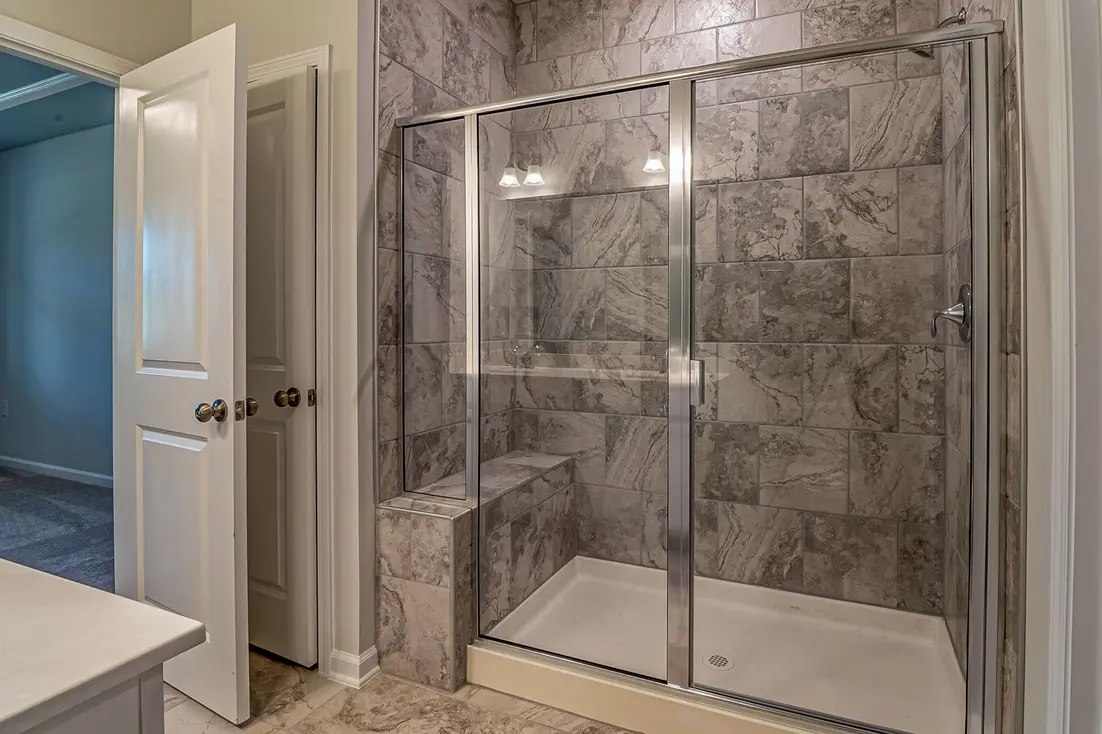
A shower door that will not stay closed usually has a simple mechanical cause: the door is out of alignment, a seal is rubbing, the track is obstructed, hardware has loosened, or the latch or magnetic catch is no longer engaging. Start by observing how the door moves without forcing it. A hinged door that swings open points toward alignment, hinge, or installation issues, while a sliding door that rolls open often needs attention at the track, rollers, guides, or closing stop.
Because shower doors are heavy and made of glass, avoid forcing, twisting, or removing major hardware unless the manufacturer’s instructions specifically allow it. Small checks and cleaning are often reasonable. Adjusting glass-door hinges, rollers, or wall-mounted fittings may be best left to a qualified shower-door professional.
First, identify what kind of problem you have
The door’s behavior gives you a useful starting point:
- It opens by itself after you release it: The door may be out of alignment, the enclosure may not be level, or a hinge may be loose or worn.
- It reaches the frame but will not latch: The magnetic catch, strike, seal, or closing edge may be misaligned.
- It closes only if you lift or push it: A hinge, roller, guide, or frame may have shifted.
- It slides open during or after a shower: The track may contain debris, the rollers may be worn, or the door may not be meeting its stop correctly.
- It suddenly became difficult to close: Look for a displaced seal, loose fastener, buildup in the track, or a new obstruction.
Check whether the problem occurs when the shower is dry. If the door behaves the same way when dry, the issue is probably mechanical rather than related to water or steam.
Common causes of a hinged shower door that swings open
The door is out of alignment
A hinged door should meet its frame or adjacent panel evenly. If the gap changes from top to bottom, the door may be sagging or sitting out of square. This can make gravity pull it toward the open position instead of allowing it to rest closed.
Look at the door from the front while it is closed. Check whether the vertical edges appear reasonably parallel with the frame and whether the top and bottom corners meet their intended stops. Do not rely on the door’s position alone; also look for rubbing, uneven gaps, or a corner that sits farther out than the rest.
A minor alignment problem may come from loose hinge fasteners. However, tightening hardware on a glass door is not the same as tightening a cabinet hinge. Excessive force or uneven pressure can damage the glass or fitting. If the hinge needs repositioning, support, or disassembly, stop and arrange professional service.
The enclosure or wall is not level
A shower door can swing open when the enclosure is slightly out of level or the hinge side is not installed as intended. This is especially likely when the door consistently drifts in one direction even after the visible hardware appears tight.
You can observe the movement by opening the door a small amount and releasing it gently. If it always travels toward the same position, the enclosure’s alignment may be contributing to the problem. A level can help you investigate, but it will not tell you whether the glass, frame, wall, or hinge needs adjustment. That diagnosis may require an installer.
The hinge is loose, worn, or obstructed
Inspect the hinge area for visible movement, unusual gaps, rubbing, or fasteners that no longer sit as they did originally. Also check that a seal, towel, cleaning cloth, or other object is not caught near the hinge or closing edge.
Do not place your fingers between closing glass panels while testing the door. Move it slowly and keep the area clear. If the hinge shifts when the door moves, or if the glass appears to contact metal or tile, discontinue use until the assembly is assessed.
Why the door reaches the frame but will not stay latched
The magnetic catch is misaligned
Many shower doors use magnets or a magnetic strip to hold the closing edges together. If the door is slightly high, low, or angled, the magnets may pass beside each other instead of meeting face to face. A loose strip, damaged magnet, or reversed replacement seal can create the same symptom.
Clean the closing edges with a soft cloth and inspect the magnetic surfaces for hair, soap residue, mineral buildup, or a displaced strip. Do not scrape the glass or pry at a bonded seal. If the magnets are visibly offset, the underlying alignment should be corrected rather than forcing the door shut.
The door seal has shifted or swollen
A clear vinyl seal can drag against the threshold, frame, or adjacent glass when it moves out of position. It may also prevent the door from reaching the latch. Look for a seal that is curled, torn, loose, flattened, or extending farther than the matching seal on the other side.
Clean the seal and the surfaces it contacts. If the seal is removable and the product instructions describe replacement, use a compatible part rather than cutting it randomly. A seal that is too short may allow water to escape; one that is too long or incorrectly fitted may keep the door from closing.
Common causes of a sliding shower door that rolls open
The track is dirty or obstructed
Hair, soap residue, mineral deposits, and small pieces of debris can interfere with rollers or guides. Open the door and inspect the full track, including corners and the area where the door normally rests when closed.
Remove loose debris carefully and wipe the track with a suitable bathroom cleaner according to its label. Avoid flooding the track or using a tool that could scratch the finish. If buildup is hard and you cannot remove it without force, the track may need more than routine cleaning.
Rollers or guides are worn or out of position
A sliding door may tilt, wobble, or fail to meet its stop when a roller is worn, loose, or displaced. Compare the door’s movement from one end of the track to the other. Rough travel, a visible tilt, or a door that lifts away from its guide suggests that cleaning alone may not solve the problem.
Roller adjustment procedures vary by door design. Do not remove a glass panel to reach the rollers unless the manufacturer’s instructions provide a safe procedure and you have the necessary support. Professional service is the safer choice when a panel must be lifted or detached.
The closing stop or guide is damaged
Sliding doors rely on stops, guides, or overlapping edges to keep the panels in the intended closed position. A missing or shifted part can allow the door to roll past its normal stopping point. Inspect for a loose guide, cracked plastic, missing end stop, or visible change in the door’s travel.
Replace only with a part designed for that door system. An improvised stop may interfere with the glass or create a new alignment problem.
A safe troubleshooting sequence
Use this order so you do not adjust hardware before ruling out simpler causes:
- Clear the doorway. Remove towels, bottles, mats, and anything that could contact the door or track.
- Inspect the seals and closing edges. Look for displacement, tears, buildup, or anything preventing contact.
- Clean the track or contact surfaces. Use a compatible cleaner and a soft cloth; avoid abrasive tools.
- Watch the door move while dry. Note whether it swings, rolls, rubs, tilts, or stops short.
- Check visible hardware. Look for movement, missing parts, or fasteners that have backed out. Do not force or dismantle fittings.
- Test the latch or magnetic catch gently. Confirm whether the door reaches the correct position before the catch engages.
- Stop if glass or structural hardware is involved. Arrange an inspection if the door is sagging, cracked, unstable, or contacting another surface.
When to call a professional
Have a qualified shower-door installer or glass professional assess the door when the glass is cracked, chipped, loose, rubbing against metal or tile, or supported by hardware that appears unstable. Professional help is also appropriate when the door requires hinge repositioning, roller replacement, panel removal, wall-anchor repair, or any adjustment that puts pressure on the glass.
Do not keep using a door that can fall, swing unpredictably, or cannot be controlled. Avoid trying to correct a serious alignment problem by adding force to the latch or installing an improvised block. The immediate goal is to protect the glass, hardware, and people using the shower—not simply to make the door stay shut temporarily.
How to help prevent the problem from returning
Keep the track and closing edges free of buildup, and check seals periodically for movement or damage. Do not hang wet towels from the door or use the handle to support weight. If a fastener repeatedly loosens or the door gradually sags again, treat that as a sign of an underlying alignment or hardware problem rather than repeatedly tightening it.
For replacement seals, magnets, rollers, or guides, identify the door manufacturer and model when possible. Parts that look similar may differ in shape or fit. If you cannot confirm compatibility, an installer can identify the part while checking whether the door itself needs adjustment.
A shower door not staying closed is often caused by a small obstruction or a shifted seal, but persistent swinging, sagging, rubbing, or unstable glass deserves more careful attention. Clean and inspect the accessible parts first; leave glass-panel and hinge adjustments to a professional when the repair requires force, lifting, or disassembly.