Shower Enclosure vs. Shower Cubicle: Understanding the Difference
Choosing between a shower enclosure and a shower cubicle affects the look, layout, installation, and day-to-day practicality of a bathroom. Although the terms are sometimes used interchangeably, they generally describe different types of shower setups.
In a shower enclosure vs shower cubicle comparison, an enclosure is typically a defined showering area surrounded by glass, while a cubicle is a more self-contained unit that includes its own base and walls. Understanding these differences can help you select an option that suits your available space, design preferences, budget, and accessibility needs.
What Defines a Shower Enclosure?
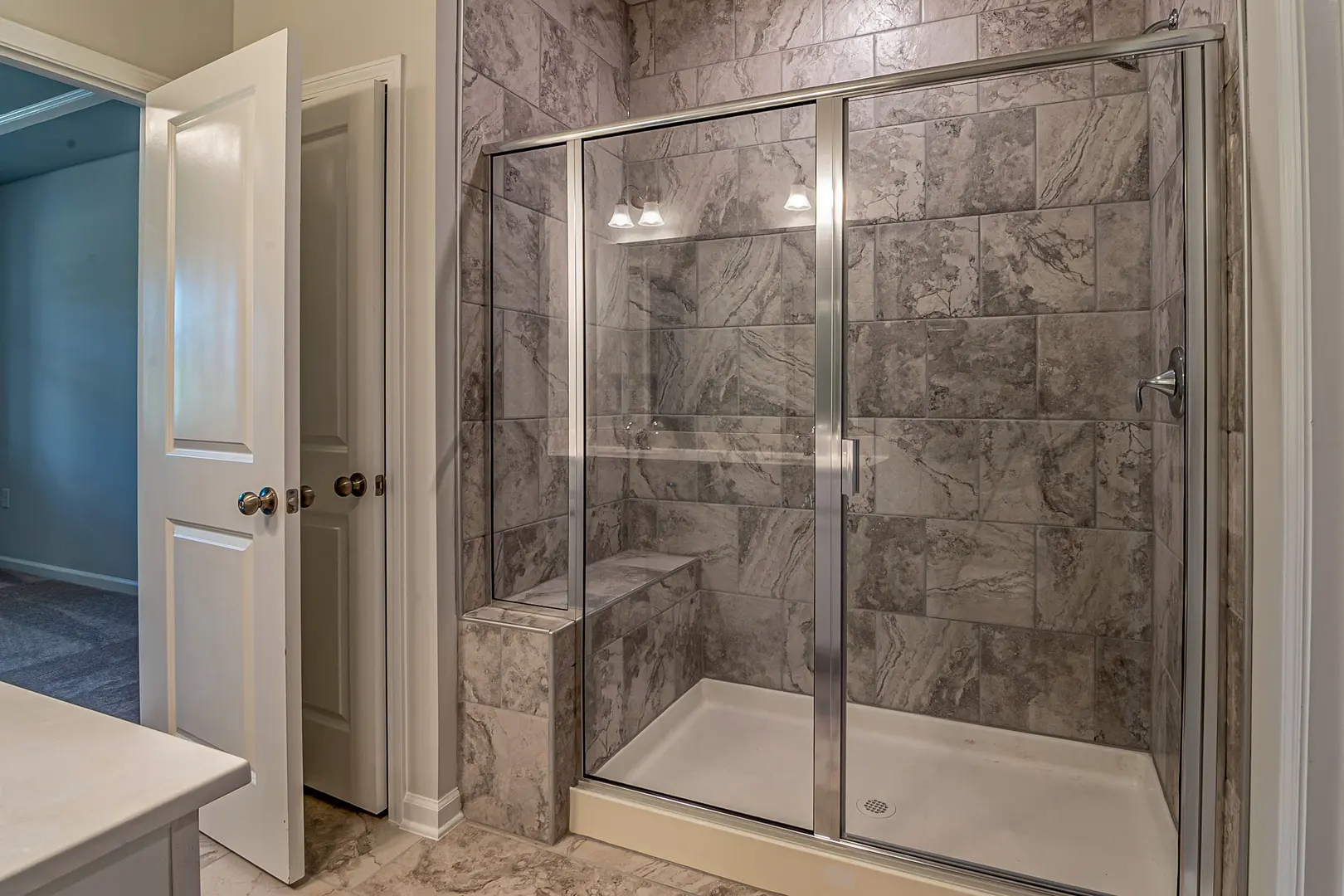
A shower enclosure creates a separate showering area within the bathroom, usually with one or more glass panels and a door. It contains water within the shower zone without necessarily being a complete, self-contained unit.
Enclosures are often chosen for their sleek appearance. Clear glass can keep sightlines open, allowing the bathroom to feel brighter and more spacious. Depending on the layout, an enclosure might fit into a corner, sit in a recessed area, or form a larger walk-in-style arrangement.
Their versatility is one of their main advantages. Glass panels, frames, hardware, shower bases, and doors can be selected to complement the wider bathroom design. This makes an enclosure suitable for homeowners who want the shower to feel integrated with the room rather than added as a separate module.
However, the exact meaning of “shower enclosure” can vary between manufacturers and regions. Some suppliers use the term broadly for almost any enclosed shower. When comparing products, check what is included—particularly the base, walls, door, and fittings—rather than relying solely on the product name.
Understanding the Shower Cubicle
A shower cubicle is generally a self-contained shower unit with its own base and surrounding walls. Instead of creating the shower area from separate bathroom surfaces and glass panels, the cubicle combines the main components into a coordinated setup.
Simplicity and convenience are central to its appeal. Because the base and walls are designed to work together, choosing compatible components may be more straightforward. Cubicles can also be useful when the existing bathroom walls are not intended to form part of the shower interior.
The compact format suits many small bathrooms, guest rooms, and awkward layouts. A cubicle can define the shower area clearly without requiring an elaborate custom arrangement.
Cubicles often place function ahead of visual openness. Their walls and integrated form can make them appear more substantial than a mostly glass enclosure. Nevertheless, available styles and finishes vary, so a cubicle doesn’t have to look purely utilitarian.
As with enclosures, product terminology is not universal. Confirm whether a cubicle package includes the shower base, wall panels, door, and any other required components before purchasing.
Shower Enclosure or Cubicle: A Practical Comparison
The main difference between the two options lies in how they are constructed. An enclosure defines and contains a showering area, whereas a cubicle is designed as a more complete, self-contained unit.
| Consideration | Shower enclosure | Shower cubicle |
|---|---|---|
| Overall design | Open, glass-focused, and integrated with the bathroom | Coordinated, self-contained unit |
| Appearance | Usually sleek and visually light | More practical and substantial |
| Space | Can create a generous shower area | Often suitable for compact or awkward spaces |
| Installation | May involve separate glass, base, wall, and waterproofing decisions | Components generally designed to work together |
| Maintenance | Depends on the amount of glass, framing, and door hardware | Straightforward surfaces simplify care |
| Cost | Often higher, especially for premium designs | Can be more budget-friendly |
| Door options | Sliding, hinged, or layout-specific choices | Commonly supplied with a unit-suited door |
These distinctions aren’t fixed rules. A compact enclosure can be simple and economical, while a high-specification cubicle might cost more than a basic glass enclosure. The materials, fittings, and installation requirements matter as much as the category.
Style, Materials, and Visual Appeal
Shower enclosures are commonly associated with a modern, streamlined appearance. Large glass surfaces reduce visual barriers and help the shower become part of the overall bathroom design. Frames and fittings can also be coordinated with taps and handles.
Cubicles usually have a function-led appearance. Including their own base and walls, they create a clearly defined unit within the room. This may appeal to homeowners who value a tidy, coordinated setup over a highly open visual effect.
Materials influence both appearance and durability. Glass type, frame finish, wall panels, shower base materials, and seals contribute to how the shower looks and performs over time. A minimal design may look attractive, but it should use materials suited to regular exposure to water.
When comparing finishes, consider easy cleaning and the availability of replacement parts. The most visually striking option isn’t always the most practical choice for a busy household.
Installation Needs and Available Space
An enclosure may need more planning and room. The installer must consider the shower base or floor, glass supports, door movement, wall condition, and the surfaces that will contain the water. Larger or customized enclosures require accurate installation.
Cubicles can work well in smaller or awkwardly shaped bathrooms because they combine the principal shower components into one defined footprint. Their self-contained design may reduce separate material and layout decisions, although careful assembly remains essential.
Neither type is automatically leak-proof. Water escaping at the bottom of a shower can result from defects, poor installation, or failed seals. Good workmanship is essential regardless of the shower type.
Particular attention should be given to the gap between the shower base flange and the wallboard. This junction must be handled correctly for subsequent tiling or wall finishing to direct water safely into the shower base. Detail the area according to the base and wall system to reduce water ingress.
Before deciding, check:
- Available floor area and ceiling clearance
- Position of doors, windows, and bathroom fixtures
- Whether bathroom walls will form part of the shower
- Space required to open the shower door
- Condition of the floor and supporting walls
- How the base, wallboard, and seals will work together
Everyday Function and Ease of Use
A larger glass enclosure can provide a spacious showering experience with room for selected features, depending on the design. The open appearance can also make the shower feel less confined.
A cubicle offers straightforward use. Its coordinated walls and base simplify the shower area, which can be advantageous for those wanting a practical shower without extensive design choices.
Cleaning requirements depend on the specific model. An enclosure with broad glass panels may have large, accessible surfaces, but the glass will still need routine cleaning. A cubicle may have fewer material transitions, although joints and fittings must be maintained.
Accessibility is vital. People with reduced mobility may benefit from a low-entry arrangement, wider access, well-positioned handles, or sufficient internal space. Not every enclosure or cubicle provides these features, so consider accessibility needs during selection.
Comparing Purchase and Installation Costs
Shower enclosures are often more expensive because they may use larger glass panels, premium hardware, and separate shower bases. Installation can involve detailed preparation and coordination between the base, walls, glass, and waterproofed surfaces.
Cubicles can be a budget-friendly alternative, especially when sold as coordinated packages. Their integrated format may simplify product selection and reduce the need for specified components.
However, the final cost depends on more than the initial purchase price. Important variables include:
- Quality and type of materials
- Size and configuration of the shower
- Standard-sized vs. custom components
- Preparation or alteration of the bathroom
- Installation complexity
- Door and hardware choices
- Future maintenance and replacement parts
Obtain a complete estimate covering the unit, installation, surface preparation, and finishing work. A low product price may not represent the lowest total project cost if significant bathroom alterations are needed.
Choosing the Right Shower Door
The door affects how easily the shower fits into the room and how much maintenance it requires. Sliding and hinged doors are two common options.
A sliding door moves along its own track and doesn’t need clear floor space outside the shower to swing open. This is useful in compact bathrooms or layouts where nearby fixtures are close to the shower.
The trade-off is the track and roller system. Tracks can collect residue and require regular cleaning. Over time, corrosion affecting the track or wheels may impair movement. Inspecting and cleaning the mechanism can help identify problems before the door becomes difficult to operate.
A hinged door offers a simple opening action and avoids overlapping sliding panels. It may provide easier access to some areas during cleaning. However, it needs adequate clearance outside or inside the shower. Its swing mustn’t strike nearby fixtures or block movement.
Choose the door by considering:
- Available clearance around the shower
- Required entry width
- Ease of cleaning tracks, hinges, and seals
- The user’s ability to operate the door
- Access for future maintenance
- Compatibility with the enclosure or cubicle
How to Choose Between an Enclosure and a Cubicle
The best option depends on the room and the people using it. A shower enclosure may be preferable for visual openness and design flexibility. A shower cubicle may be more suitable for compact dimensions and convenience.
Avoid choosing based solely on appearance. Consider space, installation conditions, maintenance expectations, accessibility, and total cost.
Evaluate Your Bathroom Layout
Begin with the bathroom’s physical layout. Consider the usable floor area rather than the room’s overall dimensions, accounting for existing fixtures and the space needed to move comfortably.
A glass enclosure can complement a larger bathroom and make some smaller rooms feel visually open. The practical question is whether the chosen configuration and door can fit without crowding nearby features.
A cubicle may be strong in a compact room, corner, or awkward space. Its defined footprint eases planning, provided the unit can be brought into the room and correctly connected.
Also consider the bathroom’s existing style. A visible glass enclosure may suit a coordinated decorative scheme, while a self-contained cubicle can suit practical separation.
Match the Choice to Your Showering Needs
Think about how the shower will be used. A spacious enclosure may appeal to someone wanting more freedom of movement or room for features. A simple cubicle may be enough for quick daily showers or an additional bathroom.
Distinguish between essential and optional features. Door style, internal space, controls, and ease of cleaning can affect daily satisfaction more than decorative details.
More features can increase complexity, cost, and maintenance. If straightforward use is valued, a simpler setup might be a better choice. If design flexibility and space are priorities, an enclosure may justify the planning.
Plan for Practicality and Future Access
Accessibility is relevant even if no household member currently has mobility concerns. Needs can change, and a difficult shower may require alteration.
Consider entry height, doorway width, internal maneuvering space, and handle positions. It may also be helpful to consider future access features without replacing the entire arrangement.
A cubicle provides compact access, but some models may feel restrictive. An enclosure offers more space, yet poorly positioned doors or raised bases can create barriers. Evaluate the complete arrangement rather than assuming one category is always more accessible.
Expert Guidance for Selecting a Shower Setup
Comparing a shower enclosure vs. a shower cubicle is easier with a thorough assessment of room, installation surfaces, and household requirements. Professional advice can reveal practical issues not obvious from product photographs or dimensions.
Consult a professional when the bathroom is small, irregularly shaped, being renovated, or expected to meet specific accessibility needs.
When to Consult a Shower Design Professional
Consult a shower designer or installation professional if uncertain about layout, door clearance, wall preparation, or water containment. They can assess the space and identify suitable installation options.
Professional guidance can also help coordinate the shower base, wallboard, finished surfaces, glass, seals, and door hardware. This is essential where small construction errors could create gaps or allow water to escape.
Before the consultation, prepare a list of priorities, including:
- Preferred appearance
- Available budget
- Who will use the shower
- Cleaning and maintenance expectations
- Accessibility requirements
- Desired door type and features
This gives the professional a clearer basis for recommending an enclosure, cubicle, or tailored alternative.
Consider a Tailored Shower Design
A custom shower design provides flexibility when standard units don’t fit the bathroom or household needs. Glass panels, doors, bases, and access points may be arranged for unusual room shapes, limited clearance, or specific visual goals.
Tailoring can balance competing priorities. A design might preserve an open appearance while using a space-saving sliding door or offer a wider entrance without dominating the bathroom.
Custom work usually requires more planning and may increase costs, so ensure the design solves a genuine requirement. Whether selecting a standard cubicle or a tailored enclosure, careful specification and correct installation are essential for a practical, effective, and aesthetically pleasing shower.