Shower Muscle Recovery: What Actually Helps Sore Muscles
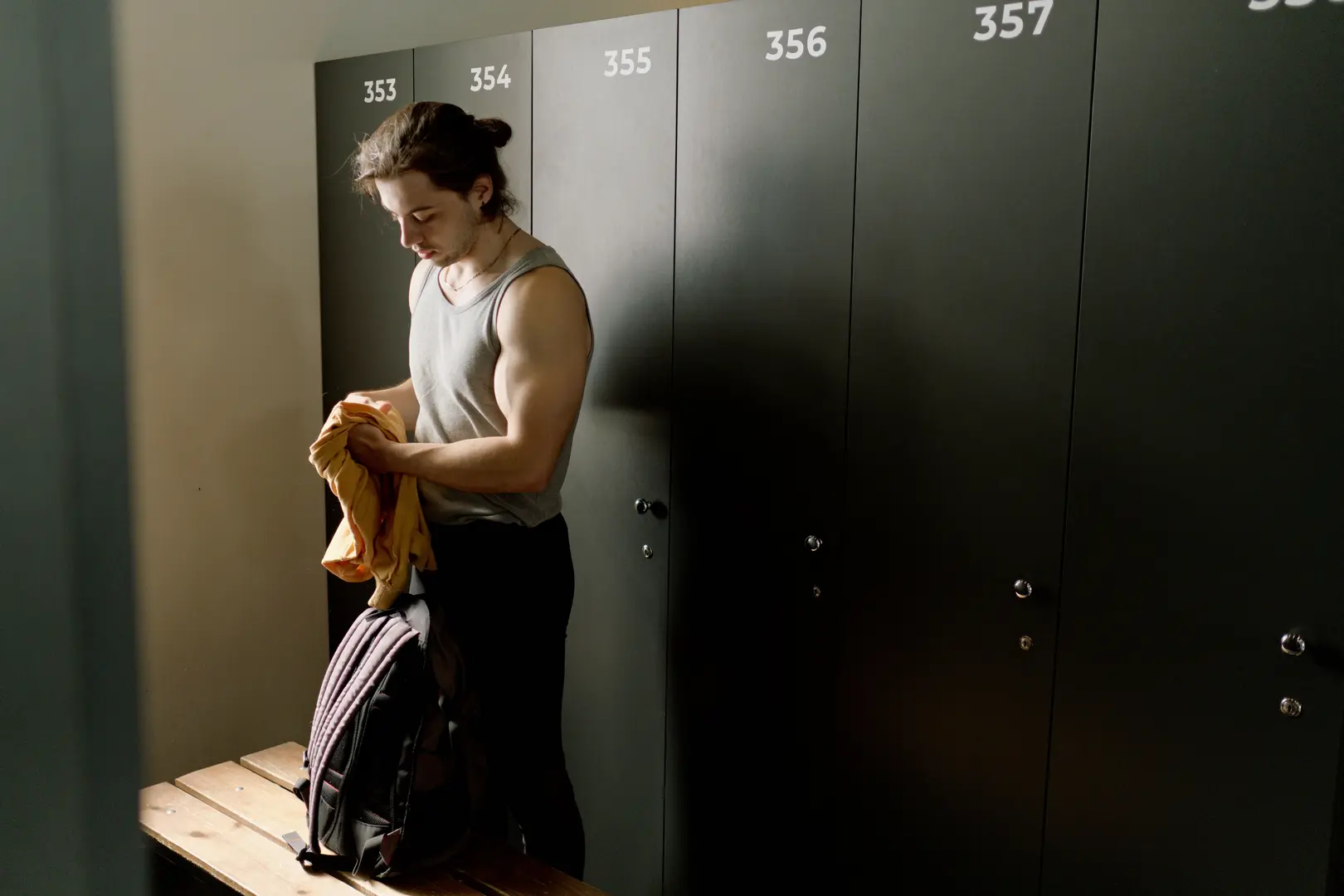
A post-workout shower can ease tightness, make tired legs feel fresher, and create a useful transition from exercise to rest. However, shower muscle recovery is not as simple as turning the water as cold as possible. Cold, warmth, contrast cycles, and spray pressure can each serve a different purpose—and none replaces sleep, food, hydration, or sensible training.
The right routine depends on the workout you completed and whether your priority is immediate comfort, readiness for another session, or long-term muscle growth.
What cold water recovery can—and cannot—do
Cold-water immersion is common in sport because it can reduce the sensation of post-exercise soreness. After a hard competition or demanding conditioning session, feeling less sore may help an athlete become comfortable sooner or feel more prepared for the next event.
That does not necessarily mean cold water repairs muscle tissue faster. Soreness is a feeling, while recovery also involves restoring energy, repairing tissue, and adapting to training. A person can feel better without every part of that process being complete.
This distinction matters when discussing ice baths and cold showers. Full cold-water immersion exposes more of the body to cold and is generally a stronger intervention than a brief shower. It is therefore unhelpful to assume that research or experience involving immersion applies perfectly to an ordinary shower.
Cold exposure also reduces aspects of the inflammatory response. Although inflammation is often described as something to eliminate, it forms part of the normal signaling process through which the body responds and adapts to resistance training. Repeated, aggressive cooling immediately after lifting may therefore work against the signals associated with gains in muscle size and strength.
Cold water may be more appropriate when:
- Immediate relief from soreness is more important than maximizing adaptation.
- You have completed hard cardio or a competition.
- Another demanding session or event is approaching.
- Heat has left you feeling uncomfortable and you want to cool down gradually.
- Your main goal is to feel refreshed rather than support muscle growth from that session.
It may be less suitable immediately after every strength workout, particularly if building muscle is the priority. This does not mean one cool shower will erase the benefits of training. The practical concern is turning intense cold into an automatic post-lifting habit without considering the goal of the session.
Cold showers can also provide a strong sense of alertness. That mental effect may be valuable, but it should not be mistaken for proof that muscle tissue has recovered more quickly.
Why warmth may be better for everyday training soreness
For ordinary gym soreness and muscular tightness, warm water is often the more comfortable option. Heat supports blood flow and helps tense muscles relax, making it useful after lifting, mobility work, or a training session that leaves the body feeling stiff rather than overheated.
Warmth can be particularly appealing when soreness is accompanied by a restricted or “knotted” feeling. The shower does not directly rebuild the muscle, but it may make gentle movement and stretching more comfortable. That can help you move normally instead of guarding sore areas.
A warm shower also avoids the potential conflict between intensive cooling and muscle-growth signaling. If your training plan prioritizes strength or size, staying warm after lifting is a straightforward approach that balances comfort with the aim of preserving normal adaptation.
More heat is not always better, however. Excessively hot water may feel overwhelming, dry or irritate the skin, and leave some people light-headed or uncomfortable. Aim for steady, pleasant warmth rather than the hottest setting available. A useful shower should leave you relaxed, not drained.
Temperature consistency matters too. Water that suddenly becomes much hotter or colder can make it difficult to relax and may discourage you from following the routine. A stable warm temperature is usually more useful than chasing an extreme sensation.
Warm showers work best as support for:
- General post-lifting tightness
- Everyday delayed soreness
- Relaxation after evening training
- Comfortable mobility and gentle stretching
- Recovery routines focused on muscle growth
If an area is sharply painful, swollen, unstable, or behaving unlike normal training soreness, changing the shower temperature is not an adequate response. Stop treating it as routine soreness and seek appropriate assessment.
Using alternating temperatures in a shower
Contrast bathing alternates periods of warm and cool water. A shower is well suited to this approach because its temperature can be changed without filling separate baths or fully immersing the body.
Contrast routines may reduce perceived soreness while offering a compromise for people who like the refreshing effect of cool water but do not want a prolonged cold exposure. The warm phase encourages relaxation and blood flow, while the cool phase changes the sensation and can feel invigorating.
A simple approach is:
- Begin with comfortably warm water.
- Let tight muscles relax and allow your breathing to settle.
- Change to cool water without forcing yourself into an extreme temperature.
- Return to warm water.
- Repeat the cycle only while it remains comfortable.
- Choose the finishing temperature according to what you want to do next.
The final phase can shape the immediate response. Finishing warm generally suits relaxation, evening recovery, and muscle-growth-focused routines. Finishing cool may feel more energizing and can make sense after cardio or when you want to become alert.
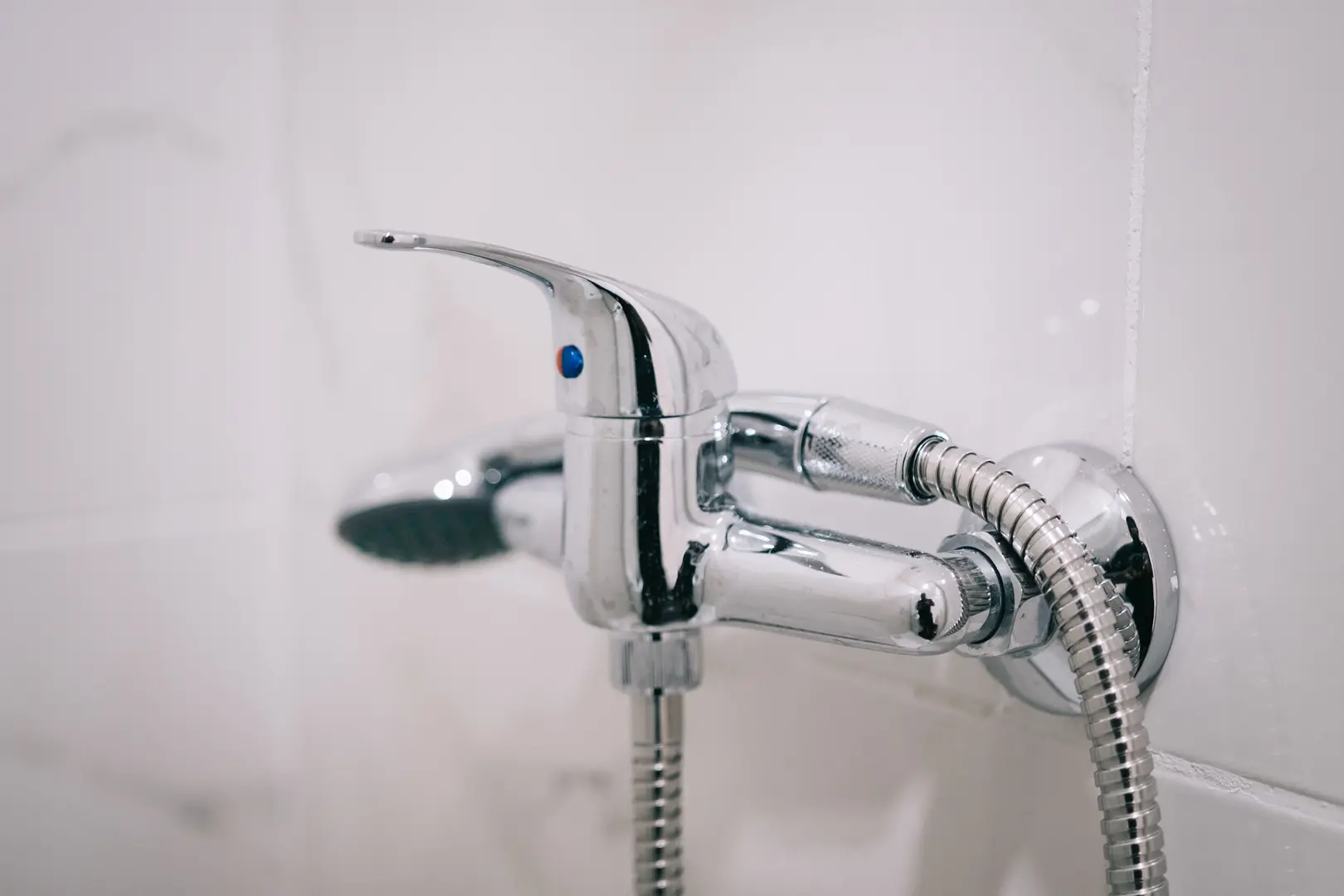
Precise temperature control makes these cycles easier to repeat. A thermostatic shower helps maintain the selected temperature and reduces unexpected fluctuations when water use changes elsewhere in the home. This is especially useful for contrast routines, where the goal is controlled alternation rather than random bursts of hot and cold water.
Consistency is more important than making each phase extreme. A repeatable warm-to-cool pattern is more practical than a routine so uncomfortable that you abandon it. If the cool phase causes distress, numbness, dizziness, or unusual discomfort, return to a comfortable temperature and end the contrast session.
How shower spray can provide gentle massage
Temperature is only one part of shower muscle recovery. An adjustable showerhead can direct a concentrated or pulsing spray toward tired areas, creating an effect similar to light massage.
This may help muscles feel looser, especially around the shoulders, upper back, thighs, and calves. Move the spray slowly rather than holding a forceful jet on one point for a long period. The experience should be soothing, not painful.
Try matching the spray to the area:
- Broad spray: Useful for general warmth and whole-body relaxation.
- Focused spray: Helps direct water toward a specific tight muscle.
- Pulsing setting: Can provide a mild massage-like sensation.
- Hand shower: Makes it easier to reach the legs, shoulders, and back from different angles.
A showerhead setting cannot create pressure that the plumbing system does not supply. Flow strength depends on the home’s water system, available pressure, pipework, shower type, and other factors. A showerhead marketed as powerful cannot always overcome an unsuitable supply.
Where compatible with the plumbing setup, a pumped shower can improve water pressure and make massage-style settings feel more effective. Any pump or shower system should be selected for the property’s water arrangement and installed correctly. Reliable pressure is useful not because stronger is always better, but because predictable flow makes a gentle spray routine easier to follow.
Avoid directing a high-pressure jet at an injured or highly sensitive area. Shower spray is best treated as light comfort, not deep-tissue treatment or a substitute for professional care.
Choosing a shower routine for the workout you did
There is no single ideal post-workout temperature. Match the shower to the demands and purpose of the session.
| Workout or situation | Practical shower approach | Main aim |
|---|---|---|
| Strength or muscle-building session | Comfortably warm shower | Relax tight muscles while preserving adaptation signals |
| Routine gym soreness | Warm water with a gentle targeted spray | Ease stiffness and support comfortable movement |
| Hard cardio session | Gradually cooler shower or mild contrast | Cool down and reduce the feeling of soreness |
| Competition with another event approaching | Cool or contrast routine | Prioritize short-term comfort and readiness |
| Evening training | Warm shower, finishing warm | Encourage relaxation |
| Morning recovery or need for alertness | Contrast routine, finishing cool | Create a refreshed, mentally energizing effect |
After lifting, warmth is generally the safer default when muscle growth is the goal. After cardio, a cooler finish may feel more appropriate, especially if body heat and immediate discomfort are the main concerns.
Timing can also be flexible. You do not have to force every recovery goal into the first shower after training. For example, you could take a warm shower after an evening strength session and use a brief contrast shower the following morning. This separates the immediate post-lifting period from the stimulating effect of cool water.
That second shower may offer psychological as well as physical benefits. A cool finish can create a sense of alertness, while a warm routine can signal that the demanding part of the day is over. These mental effects do not directly repair muscle, but feeling calmer, refreshed, and ready to follow the rest of a recovery plan has practical value.
A practical post-workout shower routine grounded in evidence
For most resistance-training days, begin with warm water and remain warm. This is simple, comfortable, and avoids making strong cold exposure the default when strength or muscle gain is the objective.
A practical routine looks like this:
- Cool down through easy movement first. Do not step directly from intense exercise into the shower if you are still feeling overheated or unsteady.
- Use comfortably warm water. Let your breathing settle and allow tight areas to relax.
- Apply a broad spray to the body. Then use an adjustable or handheld spray on the muscles that worked hardest.
- Move gently. Use the warmth to support comfortable mobility rather than remaining completely still.
- Complete your planned post-workout stretching. Skipping it repeatedly may limit flexibility progress and leave stiffness unaddressed. Keep the movements controlled and appropriate to the workout.
- Finish warm if muscle growth is the priority.
- Eat and rehydrate after the shower. Replace fluids and follow the nutrition plan that supports your training.
If you prefer contrast showers, start warm, switch to cool, and return to warm. Repeat only as tolerated. Finish warm when relaxation and muscle adaptation are priorities; finish cool when alertness or short-term relief matters more.
Avoid treating discomfort as proof that the routine is working. Water does not need to be painfully cold or intensely hot to be useful. The most effective routine is one you can perform consistently without dreading it or feeling unwell.
Post-shower habits matter at least as much as the water itself. Rehydration helps replace fluid lost during training, while an appropriate meal or snack provides the energy and nutrients required for recovery. A perfectly controlled shower followed by inadequate food, fluid, and rest is still an incomplete recovery plan.
Where shower-based recovery reaches its limits
Showers can change how the body feels, but they are a supporting tool rather than the foundation of recovery. Sleep, nutrition, hydration, sensible training volume, and sufficient time between hard sessions remain central.
A shower cannot:
- Replace lost sleep
- Correct consistently inadequate nutrition
- Repair an injury
- Compensate for excessive training load
- Guarantee faster muscle growth
- Prove that you are ready for another demanding workout simply because soreness has eased
Cold water also deserves caution. Sudden temperature changes may be unsuitable for people with health conditions that affect their response to cold or rapid shifts in temperature. If you have a relevant medical condition, have previously reacted badly to cold water, or are uncertain whether contrast bathing is appropriate, seek professional guidance before using it. Stop if you feel faint, distressed, numb, or otherwise unwell.
The best balance depends on your goal. If you need short-term relief after endurance work or competition, cool water may be useful. If you are building strength and muscle, avoid making aggressive cold exposure an automatic part of every lifting session. Warm water and a gentle spray can ease everyday tightness without intentionally suppressing the normal post-training response.
Reliable equipment helps turn that decision into a repeatable habit. Stable thermostatic control supports consistent warm and contrast routines, an adjustable showerhead makes light massage easier, and suitable water pressure prevents the spray from feeling unpredictable. Equipment does not create recovery by itself, but it removes friction from the process.
Ultimately, effective shower muscle recovery is about choosing the least extreme routine that suits the session. Use warmth for relaxation and ordinary lifting soreness, cooler water for selected cardio or competition situations, and contrast cycles when you want a controlled combination. Then support the shower with the less glamorous measures that do most of the work: sleep, food, hydration, stretching, and well-planned training.