Shower Tray or Tiled Shower Floor: Which Is Better?
Choosing between a prefabricated shower base and a fully tiled floor affects the appearance, cost, installation time, and ongoing maintenance of a bathroom. In the shower tray vs tiled shower floor debate, neither option is universally better. Shower trays prioritise simplicity and practicality, while tiled floors offer greater design freedom.
The right choice depends on your budget, available space, preferred style, and willingness to maintain the finished surface.
Understanding Shower Trays
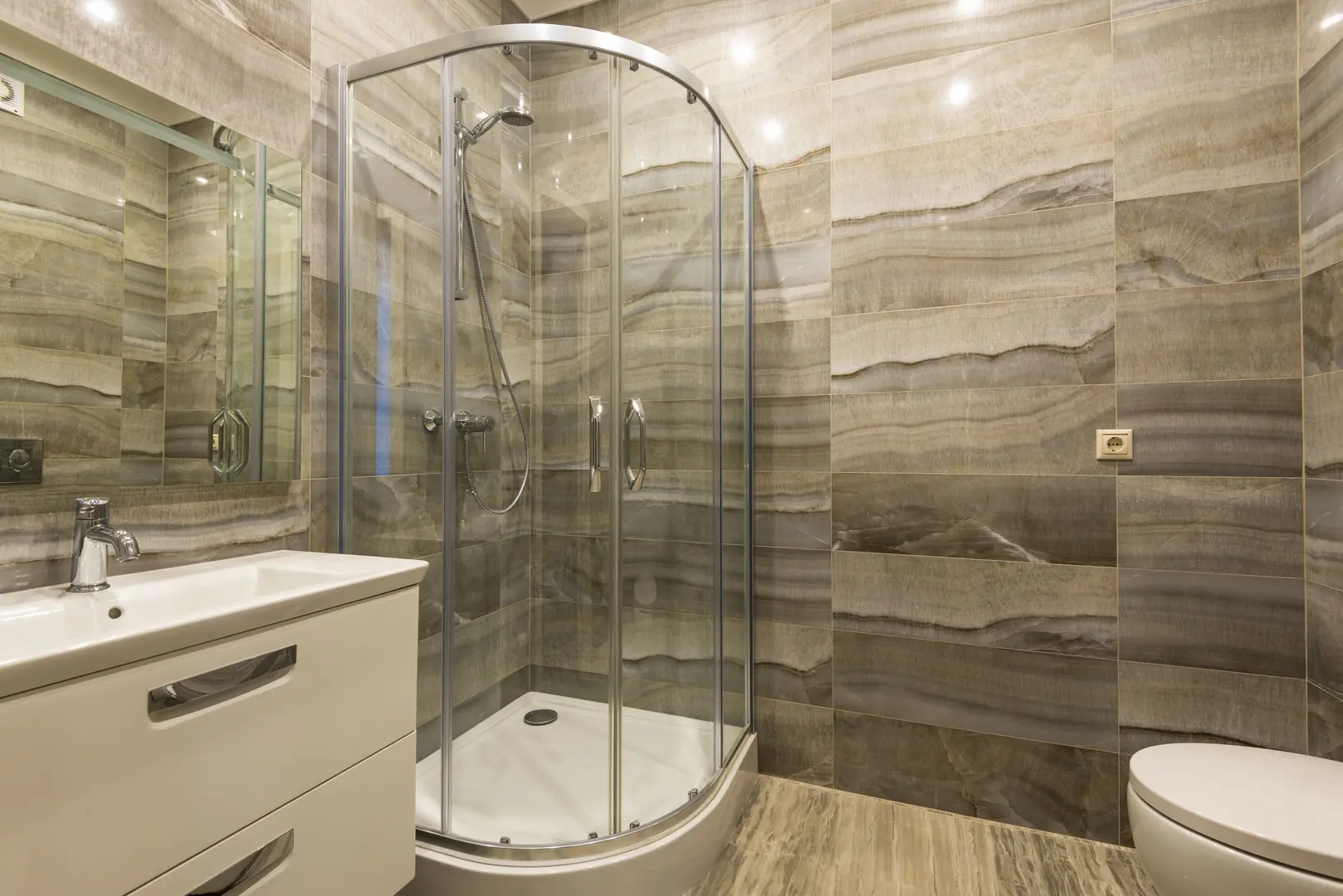
A shower tray is a prefabricated waterproof base that forms the floor of the shower enclosure. It collects water and directs it towards the waste outlet. Because it arrives as a complete unit, it does not require individual tiles or grout across the shower floor.
Common shower tray materials include:
- Acrylic, which is widely used for practical, relatively lightweight designs
- Stone resin, often chosen for a more solid appearance and feel
- Fibreglass, another material used to create a waterproof shower base
The tray is normally fitted before the surrounding bathroom finishes are completed. Correct positioning at this stage is important because the enclosure, wall finishes, and waste connection all need to align with it.
Why Choose a Shower Tray?
The main advantage of a shower tray is its straightforward installation. As the base has already been manufactured in one piece, an installer does not need to build the shower floor tile by tile. This can make the installation process quicker and less labour-intensive than creating a tiled floor.
A tray also provides a ready-made waterproof surface designed for wet conditions. Provided that it is installed and sealed correctly around its edges and waste connection, there are fewer joints across the main surface where water could penetrate.
Maintenance is another strong point. Most trays can be cleaned by wiping or washing the single continuous surface. There are no grout lines across the base requiring routine scrubbing or resealing. This can make a tray appealing in busy households, rental properties, or bathrooms designed around ease of use.
For a compact shower area, standard tray sizes can also provide a practical way to create a defined enclosure without introducing a complicated floor design.
Potential Drawbacks of Shower Trays
A prefabricated product naturally offers less customisation than a floor made from individual tiles. Although trays are available in different shapes, sizes, materials, and finishes, you are still working within the manufacturer’s available designs. An unusual room layout or highly personalised colour scheme may be harder to accommodate.
The surface can also be vulnerable to scratching. The likelihood and visibility of marks depend on the material and finish, but care is generally needed when cleaning. Abrasive tools or harsh treatment may damage the surface.
A tray can potentially crack as it ages or if it is not supported properly. Because it is one complete base, significant damage may be more difficult to disguise than a problem with a single replaceable tile.
How Tiled Shower Floors Work
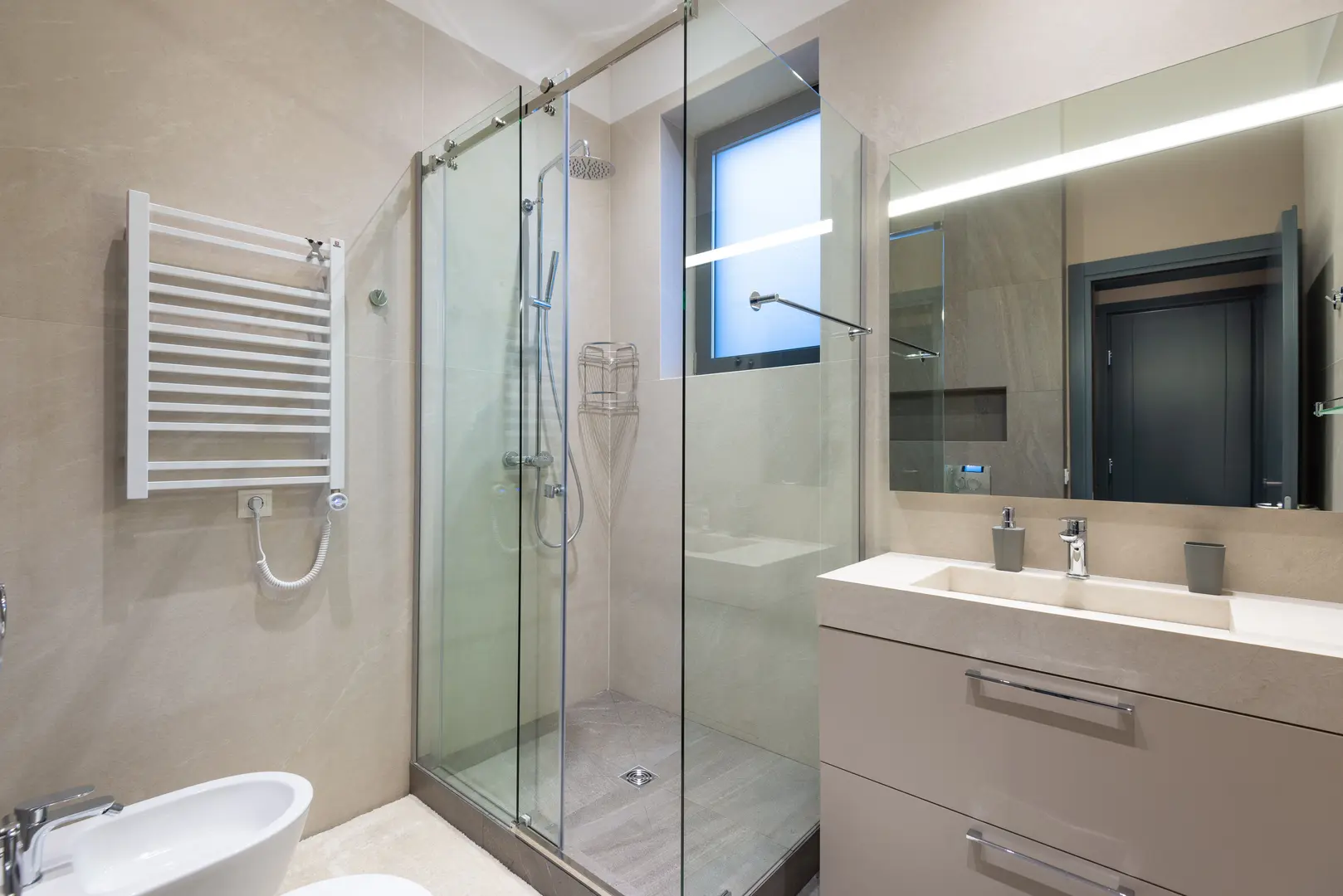
A tiled shower floor is built by laying individual tiles across a prepared shower area. Ceramic, porcelain, and natural stone are among the available material options. This approach may be used within a conventional enclosure or as part of a more open shower design.
The visible tiles are only part of the system. The floor must be prepared to manage water and direct it towards the drain. Tiles are laid over this prepared surface, and grout fills the joints between them.
Grout must be suitably sealed and maintained to help prevent water penetration. The floor also needs an accurate slope so that water moves towards the waste rather than pooling elsewhere in the shower.
Benefits of a Tiled Shower Floor
Design freedom is the leading benefit of a tiled floor. Tiles are available in a wide variety of colours, patterns, materials, shapes, and layouts. This allows the shower floor to coordinate with the walls, contrast with the rest of the bathroom, or become a feature in its own right.
Tiles can also work well in non-standard spaces because an installer can adapt the layout to suit the available floor area. This flexibility is valuable when a standard prefabricated tray does not match the room’s dimensions or design.
When installed properly and maintained appropriately, a tiled shower floor can be highly durable. Individual tiles may withstand years of regular use, and a well-planned tiled floor can remain visually relevant even when other bathroom finishes change.
Smaller tiles are sometimes preferred because the additional grout lines can provide more grip and help the tiles follow the floor’s slope. However, this does not remove the need for careful installation, and the extra grout also creates more joints to clean.
Challenges of Tiled Shower Floors
Installing a tiled floor is complex and labour-intensive. The base must be prepared correctly, the drainage position must be planned, and the floor needs a consistent slope. Tiles then have to be cut, placed, grouted, and sealed as required.
Small errors can affect performance. If the slope is incorrect, water may drain slowly or collect in parts of the shower. Cracking grout can also undermine the finish and create an ongoing repair issue. Tiled wet areas are less forgiving of installation mistakes than they may initially appear.
Grout requires regular cleaning because dirt and residue can collect in the joints. It may also need periodic attention to keep the floor in suitable condition. Natural stone can bring additional material-specific care requirements, so the chosen tile should be assessed for both its appearance and maintenance needs.
Comparing Shower Trays with Tiled Shower Floors
The best option becomes clearer when the two systems are compared according to practical priorities.
| Consideration | Shower tray | Tiled shower floor |
|---|---|---|
| Installation | Generally quicker and simpler | More detailed and labour-intensive |
| Initial options | Limited to available tray designs | Broad choice of tiles and layouts |
| Maintenance | Continuous surface is easier to clean | Grout requires regular attention |
| Cost | Often more economical overall | Labour can raise the total price |
| Customisation | Relatively limited | High level of design freedom |
| Durability | May scratch or crack | Can last longer with proper care |
| Installation mistakes | Prefabricated base simplifies the floor | Incorrect slope or grout problems can affect performance |
These are general differences rather than guarantees. The materials selected, quality of installation, room layout, and maintenance routine all influence the final result.
What Installation Involves
A shower tray is positioned, supported, levelled, and connected to the waste before the surrounding finishes are completed. Although it is the simpler option, accurate fitting still matters. The base must remain stable, and the edges and drainage connection need to be finished correctly.
A tiled floor involves more stages and greater precision. The installer must create a suitable base, form the necessary slope towards the drain, plan the tile layout, make cuts, and complete the grout lines. The surface must work as a drainage system as well as a decorative finish.
This difference makes a tray attractive when a project needs to progress quickly. A tiled floor is more appropriate when the design justifies the extra installation effort and suitable expertise is available.
How the Costs Compare
A shower tray can be more cost-effective because it reduces the amount of on-site construction and finishing work. The price of the tray itself may initially seem high compared with the cost of a group of tiles, particularly when looking at materials alone. However, this does not represent the full project cost.
A tiled floor requires tiles, grout, preparation materials, and detailed installation. Labour charges can add up because the work takes longer and requires precision. Complex layouts and awkward spaces may further increase the amount of cutting and fitting involved.
The most useful comparison is therefore the total installed cost—not simply the purchase price of a tray against the price per tile.
Cost and Installation Factors for Shower Trays vs. Tiled Floors
Budget and DIY complexity should be considered together. A lower material price does not necessarily mean that a floor is cheaper once preparation and skilled labour are included.
For each option, assess:
- The cost of the tray or selected tiles
- The work needed to prepare the floor
- Waste and drainage installation
- Professional labour requirements
- Sealing and finishing materials
- The difficulty created by the room’s shape
- Likely cleaning and maintenance demands
A shower tray usually requires less specialist finishing across the floor itself. This makes it the more practical option for many budget-conscious projects. Nevertheless, installing a tray is not simply a matter of placing it on the floor. It still needs proper support, alignment, drainage, and edge sealing.
Tiling may look more accessible as a DIY task because individual tiles are familiar materials. In a shower, however, the floor’s slope and water management make errors more consequential. An attractive tile layout will not compensate for poor drainage or cracking grout.
If professional help is required for either option, include that cost from the beginning rather than treating it as an unexpected extra.
Maintenance and Cleaning Needs
Shower trays are generally easier to maintain. Their continuous surface can be cleaned without working around numerous joints. Regular cleaning and sensible care of the finish may be all that is required in normal use.
Tiled floors need attention to both the tiles and the grout. Grout lines can collect residue and usually demand more focused cleaning. Sealed grout must also be monitored and maintained to continue helping protect the floor from water penetration.
Tile choice affects the cleaning experience. A detailed layout made with many small tiles creates more grout lines than one using larger tiles. Small tiles may offer practical benefits such as improved grip and easier shaping around the slope, but those benefits need to be balanced against the extra joints.
Style and Design Flexibility
Shower trays provide a clean and consistent appearance, but their dimensions, colours, and shapes are predetermined. They work well when you want an uncomplicated base that fits neatly into a standard enclosure.
Tiled floors offer much greater creative control. You can coordinate the floor with the bathroom walls, introduce a contrasting pattern, choose a particular stone, or adapt the layout to an irregular area. Tile size and grout colour can also influence the finished appearance.
This freedom comes with more decisions. A visually complex design may require additional cutting and more careful placement. The best tile is not only one that looks attractive; it must also be appropriate for a shower floor and workable across the required slope.
Expected Durability and Lifespan
A good shower tray can provide dependable service, but its surface may scratch, and the base may crack if damaged or inadequately supported. Once a tray develops substantial damage, repair or replacement can affect the surrounding enclosure and finishes.
A properly installed tiled floor can have a long lifespan. Durable tiles combined with appropriate maintenance may outlast less robust prefabricated surfaces. Individual damaged tiles may sometimes be addressed without replacing the entire visible floor, although matching the existing tile and protecting the underlying system remain important.
Tiled floors are not maintenance-free. Cracked grout, neglected sealing, or drainage problems can reduce their performance. Their potential longevity depends on accurate installation followed by consistent care.
Choosing the Right Shower Floor for You
The decision should reflect how you intend to use the bathroom and what you value most. A shower tray is often the practical choice when speed, straightforward cleaning, and cost control are priorities. A tiled floor is more compelling when custom design and long-term visual appeal justify additional labour and maintenance.
Neither should be selected by appearance alone. The room’s dimensions, installation skill, total budget, and your tolerance for ongoing upkeep all matter.
Questions to Ask Before Deciding
Use the following questions to clarify your priorities:
What is the total available budget? Include preparation, drainage, materials, labour, and finishing—not just the visible tray or tiles.
How important is a customised appearance? A standard tray may suit a simple scheme, while tiles provide more control over colour, pattern, and layout.
How much maintenance am I willing to do? Choose a tray if you want fewer joints to clean. Choose tile only if you are comfortable maintaining grout.
Does the space suit a standard tray? A tray can work efficiently in a smaller or conventional enclosure. An unusual layout may benefit from a tiled solution.
Who will install the floor? Consider whether the project has access to the precision and expertise needed for tiling, sloping, grouting, and sealing.
How important is long-term durability? A tiled floor can last longer when properly installed and maintained, while a tray offers simplicity but may be vulnerable to scratches or cracks.
Which surface best suits everyday use? Think about cleaning, stability underfoot, drainage, and how the floor will perform when wet—not only how it looks in a showroom.
When Each Shower Floor Option Makes Sense
A shower tray usually makes sense when:
- The budget is limited
- The shower area is relatively small or standard in shape
- A quicker installation is preferred
- Easy cleaning is a priority
- Extensive design customisation is unnecessary
A tiled shower floor is often the better fit when:
- A customised bathroom design is the main goal
- The shower occupies an unusual or specifically planned area
- The budget can accommodate more labour
- Proper installation expertise is available
- You are prepared to clean and maintain the grout
- Long-term durability is prioritised
Ultimately, the shower tray vs tiled shower floor choice is a balance between practicality and flexibility. A tray offers an efficient, low-maintenance route to a functional shower. A tiled floor demands more work and care but rewards that investment with broader design possibilities and strong long-term potential.