Soaking Tubs vs Regular Baths: Understanding the Key Differences
Choosing a bathtub affects more than the look of a bathroom. It shapes daily routines, comfort, water use, accessibility, and how efficiently the room functions. The central distinction in soaking tubs vs regular baths is simple: a regular bath prioritizes versatility, while a soaking tub prioritizes deep immersion.
Neither design is automatically better. The right choice depends on who will use the tub, how much space is available, and whether bathing is mainly practical or part of a relaxation routine.
What Characterizes a Regular Bathtub?
A regular bathtub is usually a long, relatively shallow fixture with a familiar rectangular shape. Its proportions allow an adult to sit with their legs extended or recline, although the water may not cover the upper body completely.
Standard baths are common because they serve several purposes well. They can be used for:
- Everyday bathing
- Bathing children
- Washing pets
- Quick rinsing and cleaning tasks
- Combined bath-and-shower arrangements
This versatility makes a regular bath especially practical in a busy household. Parents can reach children easily, and the lower sides are often simpler to step over than those of a deep soaking tub. A standard tub can also fit naturally into a three-wall alcove, making it compatible with many conventional bathroom layouts.
The main drawback is limited immersion. Because regular tubs emphasize length rather than depth, users may need to slide down or lie back to place more of the body under water. Some people find this position uncomfortable, particularly when the tub’s shape does not provide enough support.
A regular bathtub therefore succeeds primarily as a functional fixture. It handles different household needs without requiring bathing to become a lengthy ritual.
What Sets a Soaking Tub Apart?
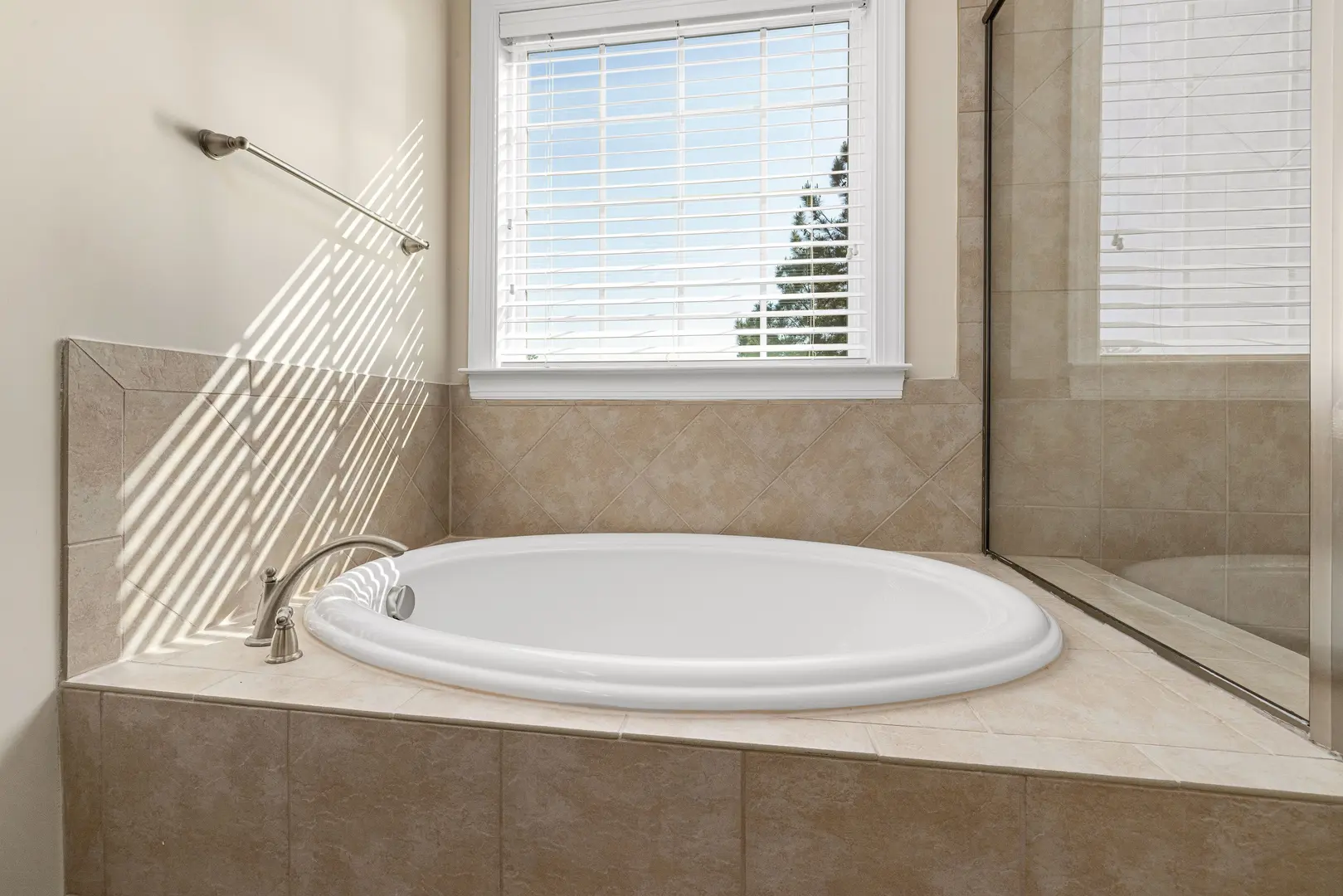
A soaking tub is designed around depth. Instead of relying mainly on a long bathing area, it allows the user to sit in deeper water, potentially covering more of the torso and shoulders.
This difference changes the bathing experience. Fuller immersion can feel more relaxing than lying in a shallow tub and trying to keep the upper body under water. A deep bath may be particularly appealing to people who use bathing to unwind, ease everyday tension, or create a quiet wellness routine at home.
Soaking tubs also tend to retain the sensation of warmth more effectively. More of the body remains below the surface, reducing the discomfort caused by having the shoulders or chest exposed to cooler air. The tub’s depth and shape may also help the bathwater remain comfortable for a longer soak, although material, room temperature, and the amount of water used can all influence heat retention.
The term “soaking tub” describes a purpose rather than one single appearance. These tubs may be compact and upright or longer and more sculptural. What connects them is their focus on immersion.
The core comparison can be summarized as follows:
| Feature | Regular bath | Soaking tub |
|---|---|---|
| Main priority | Everyday versatility | Deep relaxation |
| Typical proportions | Longer and shallower | Deeper, sometimes shorter |
| Immersion | Often partial | Potentially fuller-body |
| Family and pet use | Generally convenient | May be less practical |
| Shower compatibility | Often straightforward | Depends heavily on design |
| Visual effect | Familiar and functional | Luxurious or spa-like |
Which Tub Option Uses Bathroom Space More Efficiently?
A soaking tub is not necessarily larger than a regular bath. Some models use a shorter footprint because they provide bathing room vertically rather than through extra length. This can make a deep tub surprisingly efficient in certain compact layouts.
However, depth does not guarantee space savings. Some soaking tubs are wide, freestanding, or designed to be surrounded by open floor space. A bathroom may have enough length for a standard alcove bath but not enough width or circulation space for a broad soaking model.
The full arrangement of the room matters more than the label on the tub. Important factors include the locations of the doorway, toilet, vanity, shower, plumbing, and walking paths. A tub that looks compact in isolation may still disrupt movement once installed.
Shower compatibility is another limitation. Regular baths commonly sit against three walls and can support an overhead shower with a curtain or screen. Some soaking tubs can also be combined with a shower, but deep sides, freestanding placement, and unusual shapes may make that arrangement less convenient. If the bathroom must provide both bathing and showering within one fixture, a standard tub is often the simpler option.
Evaluating Bathroom Space for a Soaking Tub
Before buying a soaking tub, assess the usable area rather than relying only on the room’s total dimensions. Width is especially important because some deep tubs require more side-to-side space than homeowners expect.
A practical evaluation should include the following steps:
- Measure the proposed installation area. Record the available width and length while accounting for finished walls, trim, and nearby fixtures.
- Check the access route. Consider whether the tub can pass through doorways, halls, and other tight areas on the way to the bathroom.
- Review clearance around the tub. Make sure doors and cabinets can open and that users can move around the room comfortably.
- Consider bathing and showering needs. Decide whether the tub must also function as a shower and whether the selected design makes that practical.
- Examine plumbing placement. A tub’s drain and faucet arrangement must work with the intended location.
- Think about entry and exit. Allow enough room to approach the tub safely rather than fitting it tightly between other fixtures.
- Confirm structural requirements. Deep water adds significant load, so the supporting surface may need professional evaluation.
These checks should happen before purchase. A soaking tub may have a compact outer footprint but still be unsuitable because of its width, access needs, or relationship with surrounding fixtures.
Comfort, Accessibility, and Lifestyle Factors
The best tub is the one that works with everyday routines. A household that gives children regular baths will have different priorities from an individual who wants a quiet evening soak.
Soaking tubs offer comfort through depth and immersion. Sitting more upright in warm water can feel therapeutic and may create a stronger sense of relaxation than reclining in a shallow bath. For people who consider bathing part of their personal wellness routine, this experience may justify the additional space or expense.
Regular tubs can be less satisfying for deep soaking. Users sometimes have to slide down and bend their knees to submerge the torso, which may strain the neck or create an awkward posture. Taller users may find the limitations especially noticeable, although actual comfort always depends on the tub’s shape and the user’s body.
Depth can also introduce accessibility concerns. A high side may be difficult to step over for someone with reduced mobility, balance limitations, or joint discomfort. Getting up from a deep, low seated position may present another challenge. These issues should be considered for both current users and anyone who may use the bathroom in the future.
When possible, evaluate more than visual appearance. Consider the height of the rim, interior seating position, back angle, and available hand support. A luxurious-looking tub will not provide much value if entering, sitting, or getting out feels uncomfortable.
Installation, Upkeep, and Price Differences
Regular baths are generally straightforward to install because their shapes and dimensions suit familiar bathroom configurations. Many are designed for alcoves and combined shower arrangements, allowing installers to work with established plumbing locations and wall finishes.
Soaking tubs may require more planning. Their added depth means they can hold a substantial volume of water, so the floor and supporting structure must be appropriate for the combined weight of the tub, water, and user. Installation requirements vary by design, but structural support deserves attention before work begins.
Freestanding or unusually shaped soaking tubs may also require different plumbing arrangements. Faucet placement, drainage, access for repairs, and waterproofing must all align with the installation style.
Upkeep is influenced by accessibility as much as by size. A regular tub positioned against walls has a broad interior but may involve fewer exposed exterior surfaces. A freestanding soaking tub can create narrow cleaning spaces between the fixture and the wall or floor. Deep interiors may also be harder for some users to reach when scrubbing.
Price is another meaningful difference. Regular baths are typically the more economical choice because they are widely available and often simpler to install. Soaking tubs tend to cost more, particularly when installation requires new plumbing, special fittings, or sturdier support.
Homeowners sometimes worry that choosing or removing a soaking tub will affect resale value. Opinions vary, and the effect depends on the home, buyer expectations, and local preferences. Rather than assuming one style guarantees value, prioritize a functional bathroom layout that suits the property and its likely users.
Water Consumption and Heat Retention
A deeper tub may appear certain to use more water, but capacity depends on the full dimensions of the bathing area. A short, compact soaking tub can use less water than a large regular bath because it trades length for depth. Conversely, a wide or oversized soaking tub may require considerably more water to reach an effective soaking level.
The most useful comparison is therefore not “deep versus standard,” but the amount of water needed for each specific model at a comfortable fill level. Also remember that the user displaces water, so the tub does not need to be filled to its total capacity.
Regular tubs may use water inefficiently for someone seeking upper-body immersion. Filling the tub higher still may not cover the shoulders because the user remains in a reclined position. A purpose-designed soaking tub can direct water around an upright body more effectively.
Soaking tubs often provide a warmer-feeling experience because more of the body is submerged. Their compact proportions may also help preserve warmth during a long bath. Still, heat retention is not determined by category alone. Tub material, water volume, bathroom temperature, and the duration of the bath all play a role.
Anyone comparing water use should review the dimensions and stated capacity of the actual models under consideration rather than making a decision based solely on tub style.
Style, Appearance, and Design Preferences
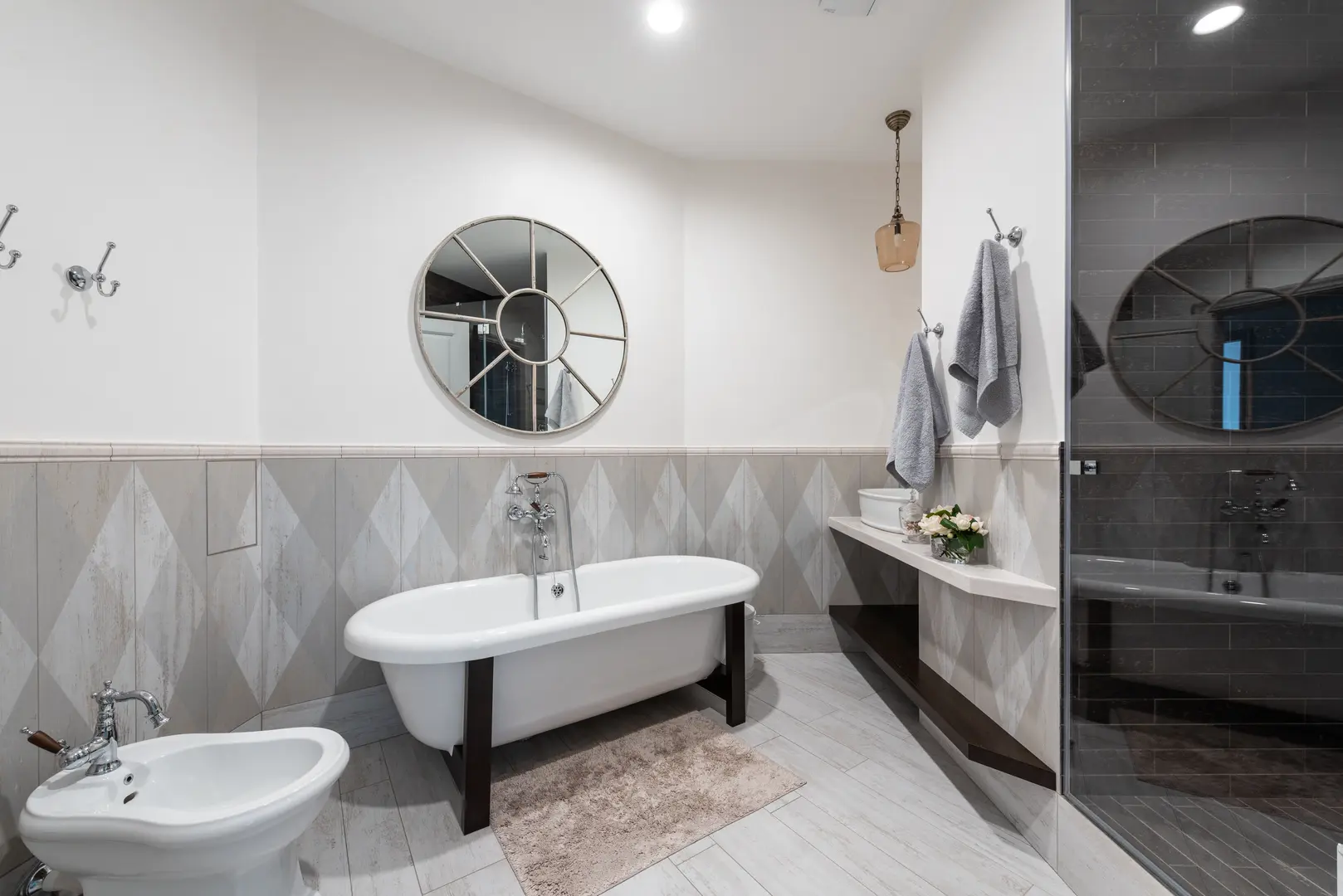
Soaking tubs can create an immediate sense of luxury. Their depth, sculptural profiles, and association with slow bathing make them natural focal points in spa-inspired bathrooms. A freestanding design may be particularly striking when the layout gives it enough visual and physical space.
Standard baths communicate practicality. An integrated alcove bath can maintain a clean, orderly appearance while supporting storage, shower fixtures, and easy access. It may not dominate the room, which can be an advantage when the bathroom needs to feel simple and efficient.
Changing design trends also influence tub choices. At one time, a large decorative tub may be treated as an essential feature; at another, homeowners may prioritize a generous shower or a more compact layout. Personal comfort should outweigh short-term trends, particularly because a bathtub is a long-term fixture.
The surrounding design can elevate either option. Thoughtful lighting, well-placed storage, coordinated finishes, and comfortable water controls may have as much impact on the bathing experience as the silhouette of the tub itself.
When Is a Regular Bath or Soaking Tub the Better Choice?
A regular bath is generally the better fit when versatility is the main priority. It works well for families, pet owners, shared bathrooms, and anyone who needs a combined tub-and-shower arrangement. Its relatively accessible height and familiar installation can also reduce practical complications.
Choose a regular bath when:
- Children or pets will use it frequently
- The tub must double as a shower
- Installation simplicity is important
- The budget is limited
- Flexible everyday use matters more than deep immersion
A soaking tub is a strong option when bathing is centered on relaxation. It may suit someone who takes long baths, values fuller immersion, or wants the tub to contribute to a spa-like bathroom atmosphere.
Consider a soaking tub when:
- Deep water is essential to comfort
- Bathing is part of a regular relaxation routine
- The bathroom has suitable width and clearance
- Users can enter and exit a deep tub comfortably
- The structure, plumbing, and budget can support installation
For households with competing needs, the decision should reflect the most frequent use rather than an imagined special occasion. A tub used daily for children should be convenient for caregivers. A tub intended as a personal retreat should support the posture and water depth that make soaking enjoyable.
Final Thoughts
The debate over soaking tubs vs regular baths is ultimately a comparison between two different priorities. Regular tubs emphasize function, flexibility, and compatibility with family life. Soaking tubs focus on immersion, warmth, relaxation, and a greater sense of personal wellness.
Space, accessibility, water use, installation requirements, and cost can shift the balance in either direction. A compact soaking tub may work beautifully in one small bathroom but feel crowded in another. A standard tub may seem less luxurious yet prove far more useful in a busy household.
There is no universal best choice. Select the tub that fits the room, supports the people who will use it, and matches how bathing actually fits into daily life.