Solutions for Windows in Showers
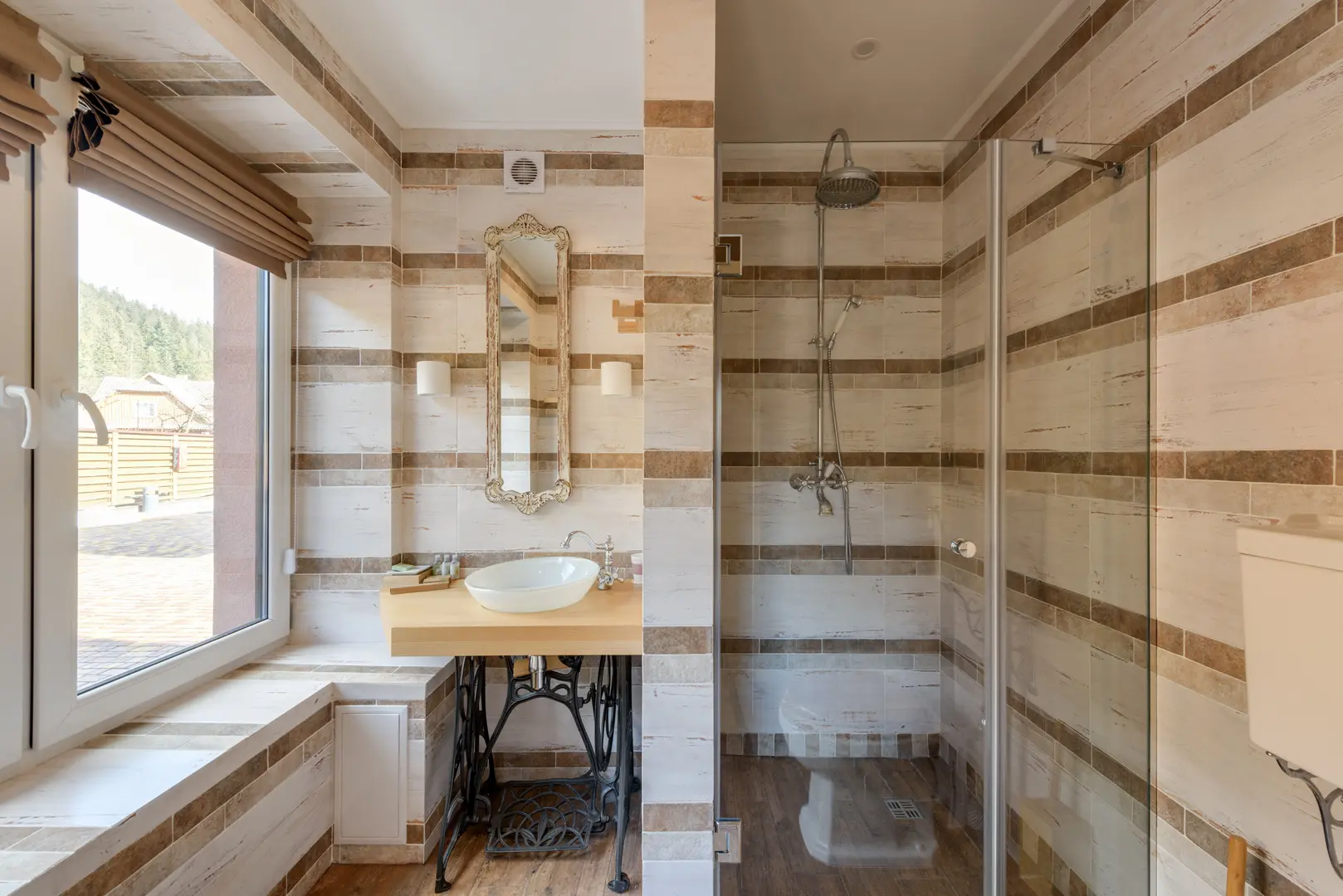
Windows in showers can make a bathroom feel brighter, more open, and better connected to the outdoors. An operable window may also help release humid air after bathing. However, placing a window in a wet area requires more planning than installing one elsewhere in the home. Privacy, frame materials, waterproofing, glazing, and exposure to direct spray all affect the result.
Whether you are adding a compact window or renovating around an existing full-size opening, the goal is to balance light and ventilation with reliable moisture control.
Advantages of Adding a Window to Your Shower
Natural light is a primary reason to add a shower window, as it can brighten an enclosed space and make a small bathroom feel less confined. A strategically positioned window can also create a visual connection to a garden or private yard, enhancing the aesthetic appeal of your bathroom.
An operable window offers ventilation benefits, helping humid air escape. Adequate ventilation is crucial in preventing mold and mildew, which can thrive in the humid conditions often found in bathrooms. The window should complement, rather than replace, any mechanical ventilation required by local codes, as a combination ensures optimal airflow.
The benefits depend on using materials that tolerate moisture. Shower windows may face humidity, condensation, and direct spray. Moisture-resistant frames, proper glazing, waterproof membranes, and compatible sealants are crucial. Without them, components such as exposed wood can deteriorate over time, leading to expensive repairs and maintenance issues.
Window Styles That Work Well in Showers
The ideal window style depends on whether ventilation, privacy, or daylight is the priority. Choosing a style that aligns with your needs ensures both functionality and comfort in your bathroom space.
| Window style | Primary advantage | Main consideration |
|---|---|---|
| Awning | Ventilation with an outward-opening design | Must withstand moisture |
| Casement | Provides a large operable opening | Needs exterior clearance |
| Fixed | Simple design with fewer moving parts | Doesn’t provide ventilation |
| Skylight | Supports privacy and brings in light | Installation is more complex |
Awning windows open outward and provide ventilation but should be placed to limit direct spray on the frame. Casement windows offer similar benefits and are ideal for larger openings, allowing maximum airflow while maintaining a secure closure when shut.
Fixed windows don’t open but are suitable when daylight and privacy matter more than ventilation. They can be installed high or paired with frosted glass for restricted views. This option is perfect if you desire abundant natural light without compromising privacy.
Skylights allow light from above and naturally resolve privacy issues but require careful installation. They can offer a dramatic effect, transforming the ambiance of your bathroom, but may involve significant structural modifications.
Ways to Increase Privacy Around a Shower Window
Privacy can be improved through careful placement, glass selection, films, or treatments. The best approach depends on proximity to neighbors, window height, and desired privacy levels. For instance, if your bathroom is close to neighboring properties, frosted or textured glass might be ideal to ensure privacy while allowing natural light.
Adjustable treatments offer flexibility, enabling you to change privacy levels as needed. Decorative film and frosted glass provide more permanent solutions. They turn clear glass into a private screen quickly and economically, a practical choice for those renovating on a budget.
Before choosing, consider how well a material performs in a wet setting. Some materials may absorb water or warp in a shower environment, leading to additional maintenance. It’s essential to assess both functionality and durability before making a decision.
Using Decorative Film for Shower Window Privacy
Decorative film makes clear glass more private by diffusing views while allowing light through. It offers an upgrade when replacing windows is not feasible, providing a versatile and cost-effective solution. The film comes in various patterns and privacy levels and can cover the full or partial pane to meet specific privacy needs.
Note that in humid conditions, film may peel or discolor, so it’s essential to maintain it properly. It’s not a substitute for proper waterproofing, but it can add an extra layer of privacy and style to your bathroom window.
Choosing Privacy-Focused Glass
Frosted and textured glass offer inherent privacy without the need for additional coverings. They also reduce maintenance, as they do not require frequent adjustments like blinds or curtains.
The privacy level should align with desired daylight and view considerations. Double-pane glazing is beneficial for exterior windows, aiding insulation and reducing condensation. These options are particularly effective in minimizing energy loss, making them an environmentally friendly choice.
Selecting Moisture-Resistant Window Treatments
Blinds or shades provide adjustable privacy but must endure humidity and occasional splashes. Moisture-resistant synthetics are best suited, as they can withstand the harsh conditions present in bathroom environments.
Ensure that treatments avoid direct spray and dry between uses to prevent mold growth. Avoid untreated wood, which can warp or rot, leading to long-term damage and degradation. Properly selected treatments enhance both the functionality and appearance of your bathroom.
Installing a Window Inside the Shower Area
Installing a shower window involves structural and waterproofing tasks. The wall must maintain support, and the window needs integration with waterproofing. Verify building codes, glazing, and waterproofing regulations before proceeding to avoid any compliance issues.
Renovating around an existing window requires assessing the frame, potential for conversion to fixed glazing, or waterproofing enhancements. A thorough inspection ensures no existing damage or weakness compromises the new installation.
Deteriorated materials must be addressed before completion, as failing to do so can jeopardize the overall integrity of the installation.
Protecting the Shower Window With Proper Waterproofing
Tile and grout don’t form a complete waterproof system. Water can infiltrate joints or collect on flat surfaces, which can lead to water damage over time.
A reliable system includes a waterproof membrane around the window opening. Sealants are used at transitions and joints, especially where the window meets the finish. Proper installation prevents water penetration, which can cause mold or rot, common issues in improperly waterproofed settings.
The sill should prevent water from lingering against the frame, sloping away from the window to direct water towards the drain.
Waterproofing Techniques for Shower Windows
Effective waterproofing starts with inspecting the window, trim, and surrounding wall. Exposed wood often needs replacement or protection, as it is vulnerable to rot in moist environments.
Other techniques include:
- Extending the membrane into the window opening to ensure a seamless moisture barrier.
- Using appropriate sealants that are specifically designed for wet areas.
- Tiling over prepared waterproof bases, ensuring a complete barrier.
- Shaping ledges to direct water away, preventing buildup around the frame.
- Replacing frames as needed, emphasizing moisture-resistant materials.
Precision around corners and frame transitions is key, sometimes requiring professional installation to guarantee effectiveness and durability.
Improving Glass Efficiency and Moisture Control
Double-pane glazing improves insulation and comfort near an exterior window, reducing condensation risk. It creates a thermal barrier, keeping cold air out and warm air in, contributing to energy efficiency.
Low-emissivity coatings enhance thermal performance but don’t eliminate humidity. Address persistent condensation with better ventilation, glazing, or repairs to maintain indoor air quality.
Determining the Best Shower Window Position
Placement impacts privacy, water exposure, and usability. Higher windows admit light while staying above sightlines, useful for fixed or narrow openings. This placement protects against the direct spray, minimizing strain on frames and seals.
Avoid direct showerhead spray to minimize frame and seal strain. Ensure operable windows are reachable, as accessibility can enhance convenience and airflow control.
Consider exterior visibility, accounting for day/night differences, to maintain consistent privacy.
Comparing Materials for Shower Window Frames
Frame material influences moisture resistance and maintenance requirements.
- Wood: Traditional but vulnerable to water. Requires protection and maintenance, often best avoided unless adequately sealed and treated.
- Vinyl: Moisture-resistant and low-maintenance, making it a popular choice for humid environments.
- Fiberglass: Durable in humid conditions, resisting chipping and fading over time, offering longevity and reliable performance.
- Aluminum: Resists rot but needs attention to design and thermal performance, as it can conduct heat and cold efficiently.
Correct waterproofing remains essential with any material choice to prevent potential failures and ensure long-term performance.
Should You Hire a Professional or Install the Shower Window Yourself?
DIY may be feasible for simple updates like privacy film application or sealant renewal, provided existing waterproofing understanding is clear. This is ideal for small-scale projects where structural changes are minimal.
Creating new openings is complex and involves structural considerations, permits, thorough waterproofing, and more. Professional help is advised when:
- New openings or resizing is needed.
- Structural elements are impacted.
- Moisture damage is present.
- Comprehensive waterproofing is required.
Professionals assess whether existing windows should be retained or modified, offering an informed approach to potential challenges.
What Determines the Cost of a Shower Window?
Costs vary due to project scope, from privacy film application to new openings. Frame material and glass type are key factors, with prices differing by material and complexity.
Labor costs rise with intricate tasks like resizing openings, repairing damage, or skylight work. Consider the potential need for professional assistance in such complex tasks.
Budget for privacy features, balancing cost with complexity and ensuring the selection of materials that offer long-term value.
Are Windows in Showers a Worthwhile Upgrade?
Shower windows can be valuable for light, ventilation, and openness, especially in small bathrooms, where these aspects enhance the space’s feel.
The upgrade’s success hinges on meticulous moisture management, with suitable frames, glazing, placement, and waterproofing prioritized. Proper planning and installation ensure a balance of aesthetics and functionality.
Renovating offers a chance to address issues like exposed wood or water-retaining ledges, enhancing both function and design, contributing to a more pleasant bathing experience.
FAQs About Shower Windows
How Can You Waterproof an Existing Shower Window?
Inspect frame and wall for damage, and repair or replace materials as needed. Extend waterproof membrane into opening, seal transitions, and slope ledge for drainage. Tile can offer durability if installed on a waterproof base, ensuring comprehensive protection against water ingress.
What Steps Are Involved in Installing a Shower Window?
Steps include:
- Choose window position, style, and materials.
- Confirm structural and local requirements.
- Prepare or create the opening.
- Secure window.
- Integrate with shower waterproofing.
- Seal transitions.
- Install glazing.
- Finish with moisture-resistant materials.
- Inspect seals and drainage.
Complex tasks should be done by professionals to ensure quality and compliance with building codes.
Why Add a Window to the Shower?
A shower window adds natural light, making the bathroom more inviting and expansive. Operable windows improve ventilation, which is key to maintaining a mold-free environment. Properly placed, they provide outdoor connections while reducing an enclosed feel and enhancing user comfort.
What Factors Matter When Adding a Shower Window?
Key factors include privacy, exposure, frame material, glazing, ventilation, and waterproofing, complying with building rules. Thorough planning and understanding of materials ensure an installation that meets aesthetic and practical needs.
Complexity varies; however, meticulous planning of assemblies and treatments is critical before beginning the installation to avoid unwanted surprises.
Which Window Type Is Best for a Shower?
Choose based on needs: Awning/casement for ventilation; fixed for daylight/privacy; skylights for overhead light. Prioritize moisture resistance, proper placement, and waterproofing to align with your bathroom’s design and function requirements.