7 Wet Room Flooring Options for a Safe, Stylish Space
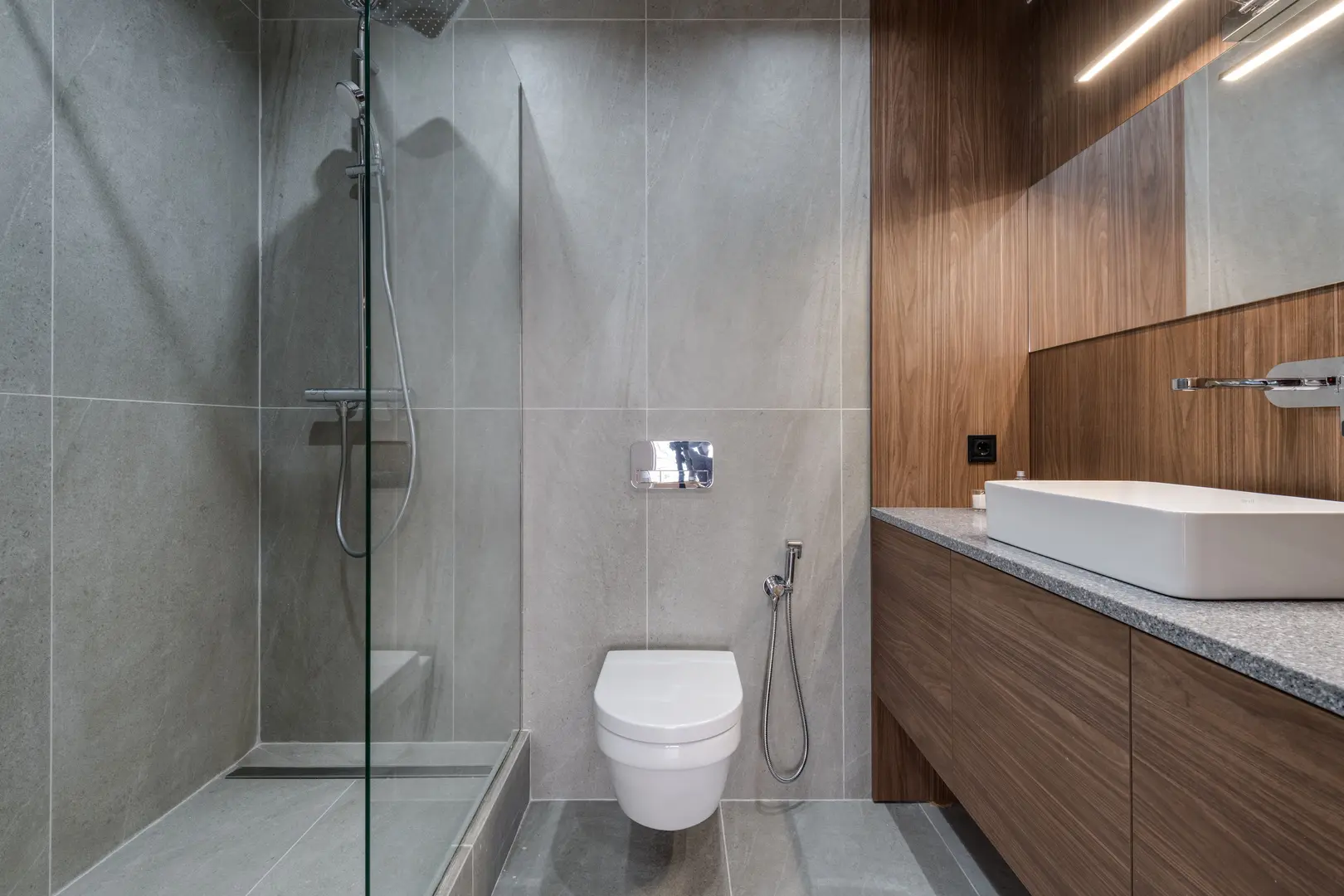
A wet room combines an open, contemporary look with practical, accessible showering. Because water can reach most of the floor, the surface must do more than look attractive. The best wet room flooring balances moisture protection, slip resistance, durability, and easy maintenance while complementing the room.
Understanding Wet Room Flooring
Wet room flooring is designed for spaces regularly exposed to water. Unlike a conventional bathroom, where a shower tray or enclosure contains most splashes, a wet room allows water to travel across a much larger area.
Suitable flooring should be waterproof or highly water-resistant and provide a slip-resistant surface when wet. These qualities help limit moisture seepage, protect the structure beneath, and make the room safer to use.
The visible material is only part of the installation. Proper preparation, moisture protection, and careful fitting are equally important. Even a waterproof surface can fail if gaps or installation errors allow water to reach the layers below.
Why the Right Wet Room Floor Matters
Wet rooms experience persistent moisture, regular splashing, and foot traffic. Flooring not intended for these conditions can allow water to seep underneath, potentially causing expensive damage.
The right floor helps manage these demands by:
- Blocking moisture
- Protecting the underlying structure
- Withstanding regular use
- Providing grip in wet conditions
- Supporting the room’s design
Safety is crucial. A smooth floor may become slippery once wet. Choosing a slip-resistant finish can reduce the likelihood of falls, making the room more comfortable for everyone.
What to Look For When Selecting Wet Room Flooring
No single material is ideal for every home. Compare options based on water resistance, grip, durability, maintenance, cost, and appearance. Installation requirements should also be considered, as some surfaces suit professional fitting better than DIY.
Waterproofing and Moisture Resistance
Choose a floor that is at least water-resistant; a fully waterproof option is preferable. This deserves attention, especially on an upper floor, where leaks could affect rooms below.
Remember, the flooring material and the complete installation are not the same. The surface may resist water, but the floor needs correct preparation. Edges and joins must be fitted carefully to prevent seepage.
For example, vinyl can create a waterproof surface, but it requires a proper base and moisture barrier underneath.
Prioritising Slip Resistance
Water, soap, and smooth surfaces can create a slipping hazard. Wet room flooring should offer enough texture or grip to remain secure.
Do not assess a floor solely in a dry showroom. Ensure the finish provides suitable slip resistance, especially for polished tiles, stone, and concrete, which may need an appropriate texture.
Slip resistance should be balanced with comfort. A heavily textured floor may provide grip but require more cleaning effort.
Durability and Ease of Upkeep
A wet room floor must tolerate exposure to water, cleaning, and foot traffic. Durable materials retain their appearance longer and reduce the need for repairs.
Maintenance varies. Vinyl and rubber are often straightforward, while natural stone usually needs more attention because it must be sealed. Continuous surfaces, like resin, can appeal to homeowners seeking low maintenance.
Consider how much ongoing care you are willing to provide. An attractive material may not be the best match if maintenance needs do not suit your routine.
Matching the Floor to Your Style
Practical flooring doesn’t have to be plain. Wet room materials come in many colours, shapes, and finishes, allowing for anything from a traditional look to a minimalist space.
Consider how the floor works with:
- Wall tiles or panels
- Fittings and hardware
- Lighting
- Storage
- Room size and layout
- Home style
Wood-look porcelain can add warmth, while resin suits streamlined designs. Natural stone creates a luxurious effect, and ceramic or porcelain tiles provide design flexibility.
Seven Suitable Wet Room Flooring Materials
Wet room flooring comes in a range of materials. The right choice depends on location, frequency of use, style, budget, and installation needs.
| Material | Main advantages | Key consideration |
|---|---|---|
| Vinyl | Waterproof, affordable, easy to fit | Requires careful floor preparation |
| Ceramic or porcelain | Durable, many style options | Usually costs more than vinyl |
| Natural stone | Luxurious, distinctive | Needs sealing |
| Rubber | Soft, practical, easy maintenance | Must suit design |
| Wood-look flooring | Warm appearance | Choose suitable vinyl or porcelain |
| Resin | Sleek, durable | Correct installation essential |
| Concrete | Minimalist, customisable | Must suit wet use |
Vinyl Flooring for Wet Rooms
Vinyl is popular because it is waterproof, affordable, and available in various designs. Slip-resistant products provide a practical surface, while the softer feel can be more comfortable than tile.
It is easier to install than some surfaces but needs proper preparation. The base must be suitable, and a moisture barrier is essential where required. Skipping this protection can allow seepage and undermine durability.
Edges and features affect installation. For example, skirting boards may need adjustment so the vinyl fits neatly. Confirm preparation needs before starting.
Ceramic and Porcelain Tiles
Ceramic and porcelain tiles are durable, water-resistant, and available in various colours, sizes, and patterns. They support designs from simple to decorative feature floors.
Their hard surface stands up well but should provide slip resistance. A visually appealing tile is not automatically suitable for wet floors if it’s smooth.
Ceramic and porcelain options generally cost more than vinyl, especially with fitting. Installation needs care to protect the surface underneath. Tile remains a strong option for those valuing durability and design choice.
Natural Stone Floor Tiles
Natural stone offers texture, colour variation, and a distinctive look. It’s appealing for luxurious or nature-inspired spaces.
Moisture resistance is crucial. Natural stone needs sealing to withstand water, and that protection must be maintained. The finish should also provide grip, as a smooth surface may not suit a frequently wet room.
Stone can make a strong statement but is best for those comfortable with its care needs.
Rubber Wet Room Flooring
Rubber flooring is softer than tile, stone, or concrete. It is easy to maintain and available in various colours, suitable for understated or playful interiors.
Its practical nature suits settings prioritizing comfort and straightforward cleaning. Carefully selected rubber offers grip in wet conditions.
Though associated with functional settings, colour selection helps it blend into residential wet rooms, paired with coordinated finishes.
Wood-Look Flooring
Wood-look flooring adds warmth and character without relying on wood in a wet environment. This effect is typically achieved with porcelain tiles or suitable vinyl.
Wood-look porcelain combines a timber appearance with tile durability. Vinyl offers a softer, often more budget-friendly alternative, reproducing plank patterns and tones.
This style works well to create warmth, complementing neutral walls and natural colours while meeting practical needs.
Resin Flooring Surfaces
Resin offers a modern and sleek look. Its streamlined effect suits contemporary wet rooms, keeping spaces uncluttered.
The material is durable and creates a cohesive finish. It’s a good choice for subtle floors rather than patterned features.
Correct slip resistance and installation are essential. Resin may appear simple, but preparation errors can compromise results. Professional advice is valuable when considering it.
Concrete Floors for a Minimalist Finish
Concrete suits industrial and minimalist interiors. Its restrained look pairs well with simple fixtures and storage but also contrasts softer schemes.
It’s not limited to grey; concrete can be customised with different colours and effects.
Concrete is valued for low maintenance, but the chosen finish must suit wet conditions and offer grip. Careful planning retains the clean look without losing safety or water resistance.
Selecting the Best Wet Room Floor for Your Home
The best flooring fits the room’s use, location, maintenance preferences, and budget.
Shortlist two or three materials, then compare their demands and appearance. Samples help judge colour and texture alongside the room’s design.
Evaluate the Room’s Layout and Intended Use
Assess the room’s shape, layout, and function. Consider water reach and movement.
A family wet room may prioritize grip, durability, and easy cleaning, while a guest room might focus more on appearance, without compromising on waterproofing and safety.
Design should include lighting and storage. Poor lighting makes a wet room less comfortable and attractive, while inadequate storage causes clutter. Plan these elements with the flooring for a complete space.
Set a Realistic Flooring Budget
Costs vary significantly between materials. Vinyl is generally budget-friendly, while tiles, stone, resin, and custom finishes may require more allowance.
Budget for the complete floor, not just the visible material. Preparation, protection, and professional labour affect the final cost. Set a realistic limit to eliminate unsuitable choices without compromising essentials.
Allow for possible delays, as renovations might take longer than expected, especially if unforeseen issues arise.
Decide Between DIY and Professional Installation
Some vinyl products are easy to fit, but tiles, resin, stone, and concrete require more demanding preparation and skills.
DIY may reduce costs, but mistakes can cause leaks and damage. A floor may look acceptable but still have issues.
Professional installation is valuable when additional preparation is needed or finishes require expertise. If partially done yourself, seek guidance on waterproofing and preparation first.
Avoiding Design, Safety and Functional Mistakes in Wet Rooms
A successful wet room works as a complete space. Focus only on flooring, and other design problems may go unnoticed until costly.
During planning:
- Ensure sufficient lighting.
- Include practical storage.
- Select a floor with slip resistance.
- Confirm moisture barrier needs.
- Plan how flooring meets walls and fittings.
- Allocate enough preparation and installation time.
- Seek advice if needs are unclear.
- Adhere to safety rules and local requirements.
The right wet room flooring combines moisture protection with safe footing, manageable maintenance, and style. By comparing materials carefully and treating installation as part of the decision, you can create a wet room that remains practical, secure, and appealing.