Understanding the Real Cost of a Bathroom Leak
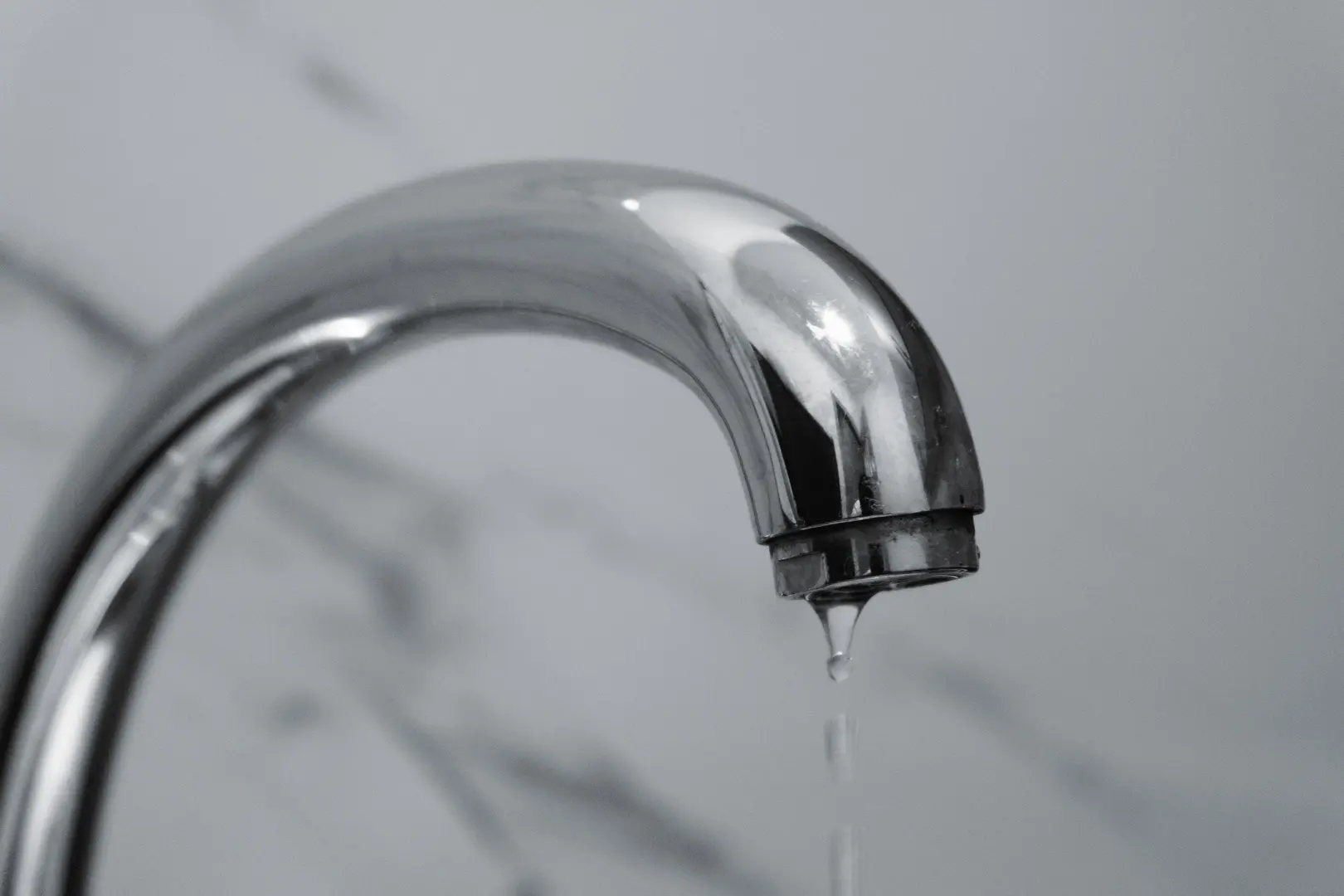
A bathroom leak may begin as a small drip, but its financial impact can spread far beyond a replacement washer or a short plumbing visit. Water can remain hidden behind tiles, beneath flooring or inside walls, making the source difficult to locate while damage continues.
Understanding the true cost of a leak in the bathroom means considering detection, labour, repairs, water damage and, in severe cases, partial renovation. Recognising the warning signs early is one of the most effective ways to limit these costs.
Seven warning signs of a bathroom leak
Some bathroom leaks are immediately visible. Others develop slowly and only become apparent after they have affected surrounding materials. Watch for changes in the room rather than waiting for an obvious burst pipe.
Unexplained puddles and damp areas
A puddle beside a shower does not always come from someone stepping out with wet feet. If water repeatedly appears in the same place without a clear explanation, investigate it.
Pay particular attention to:
- The floor around sinks, baths and showers
- Cabinets beneath basins
- Walls next to shower enclosures
- Corners where flooring meets walls
- Rooms or ceilings directly below the bathroom
Damp patches on a wall can indicate that water is escaping from a pipe, fitting or poorly sealed wet area. Dry the affected surface and monitor whether the moisture returns. Recurring dampness deserves attention even if the area is small.
Sinks and showers are common locations for leaks because they contain several connections, seals and drainage points. Finding the problem while it is still localised may reduce both plumbing work and decorative repairs.
Mould appearing more than usual
Bathrooms are naturally humid, so a small amount of mould does not necessarily mean there is a plumbing leak. However, a sudden increase in mould or growth in an unusual location can be a warning.
For example, mould repeatedly appearing around a dry section of wall, behind a cabinet or outside the normal shower area may point to persistent moisture. Cleaning the surface may temporarily improve its appearance, but it will not resolve an underlying leak.
Consider whether anything else has changed. If ventilation and cleaning habits remain the same while mould becomes more widespread, hidden water should be considered as a possible cause.
Loose, cracked or deteriorating tiles
A cracked tile does not prove that a pipe is leaking. Nevertheless, loose, broken or deteriorating tiles can allow water to reach the surface behind them. They may also indicate that moisture has already affected the material supporting the tiles.
Caulking and sealant are equally important. When seals around baths, shower trays and basins split, shrink or pull away, water can pass through the gaps. The resulting damage may remain hidden until tiles become loose or the wall and floor begin to deteriorate.
Inspect tiled areas and joints regularly. Replacing degraded caulking and repairing damaged tiles promptly is generally more manageable than dealing with extensive water damage later.
Wallpaper that starts to peel
Wallpaper is less common in wet areas, but it may still be used on bathroom walls away from baths and showers. If it begins to lift, bubble or peel without an obvious reason, moisture could be affecting the adhesive.
High humidity can sometimes cause this problem on its own. However, peeling concentrated in one section—particularly near plumbing or a damp patch—should not be dismissed.
Check the wall and nearby fittings before simply sticking the paper back down. Redecorating without addressing the moisture source can conceal the warning temporarily while the underlying problem continues.
New dripping, hissing or other sounds
A dripping tap is easy to recognise, but leaks can also produce less obvious noises. A new hissing, trickling or dripping sound may indicate water moving where it should not.
Turn off taps and appliances, then listen for sounds that continue. The aim is not to diagnose a concealed leak without professional help, but to establish whether the noise is unusual and persistent.
Do not ignore a sound simply because there is no visible water. Hidden leaks may remain out of sight while affecting a wall, floor or ceiling. Prompt investigation can help contain the damage and make the eventual repair less disruptive.
Persistent damp or unusual odours
A musty or damp smell can point to moisture trapped behind a surface or beneath flooring. This is particularly relevant when the bathroom looks dry but the odour keeps returning.
Air fresheners and fragranced cleaning products may cover the smell briefly, but they do not remove its source. Ventilate and clean the room as usual, then note whether the odour remains or is strongest in a particular area.
If a persistent smell cannot be explained by ordinary bathroom humidity, drainage or cleaning issues, arrange a professional assessment. Locating hidden moisture early may prevent more materials from being affected.
Taps that feel loose or damaged
Bathroom taps withstand frequent use, so fittings and connections can loosen or deteriorate over time. A tap that wobbles may allow water to escape around its base or place strain on the connections beneath it.
Check for moisture around the tap, under the basin and inside any surrounding cabinet. Signs such as staining, swelling or recurring droplets should be investigated.
Do not repeatedly tighten a fitting without understanding why it is loose, as the connection may require repair or replacement. Periodic checks can reveal a minor issue before it damages a vanity unit, worktop or floor.
What can a bathroom leak cost to fix?
There is no single price for repairing a bathroom leak. The final cost depends on where the leak is, how easy it is to access, how long it has been present and what has been damaged.
A visible leak from an accessible tap connection may involve straightforward labour and a small repair. A hidden leak behind tiles or inside a wall can require investigative work, removal of finishes, plumbing repairs and reinstatement. Labour often represents a substantial share of the total expense, particularly when access is difficult.
The overall bill may include:
- Finding and confirming the source
- A plumber’s call-out and labour charges
- Plumbing parts and materials
- Removing tiles, panels or flooring to gain access
- Drying and repairing damaged surfaces
- Replacing finishes after the plumbing work
- Addressing damage to a ceiling or room below
This is why the plumbing repair itself may not reflect the true cost. A relatively small failed connection can become expensive if water has damaged surrounding structures or decorative materials.
Bathroom renovation quotes can also be high, especially where significant removal and reinstatement are needed. Homeowners may be shocked by a quote—such as an anecdotal £12,000 London bathroom estimate—but a headline figure alone does not show what is included. A full renovation is not automatically required for every leak.
Before accepting major work, request itemised, like-for-like quotes. Compare the plumbing repair, access work, materials, reinstatement and optional upgrades separately. A cheaper quote may omit essential restoration, while a higher one may include work that is not necessary to stop the leak.
Cost-effective leak detection strategies
Detection pricing is often unpredictable because the plumber may not know how long it will take to locate the source. Visibility makes a significant difference.
An obvious leak beneath a basin may allow a plumber to provide simple pricing. When moisture is appearing far from its origin or the affected pipe is concealed, a flat detection fee may not cover the full investigation. Assuming every leak can be found for one fixed charge can lead to an unexpected bill.
Before booking, ask:
- Is there a call-out charge?
- Does the initial price include diagnostic time?
- How is additional investigation charged?
- Will you receive an estimate before surfaces are opened?
- Can the same plumber complete the repair?
- Are detection and repair billed separately?
- Does the price include making good after access work?
Using one plumber for detection and repair can streamline the process. The person who finds the fault already understands its location and can move directly to the next stage. Paying one business to detect the leak and another to repair it may create duplicated visits or charges.
However, convenience does not guarantee the lowest price. Compare pricing and confirm that the plumber can handle both stages. For an obvious leak, a combined or clearly defined price may be possible; for a concealed problem, expect some uncertainty until the source is confirmed.
How plumber charges are determined
Plumber charges vary according to the nature of the job rather than the size of the visible damp patch alone. A small mark may come from a difficult-to-access leak, while a dramatic-looking drip could have a simple cause.
Key pricing factors include:
- Urgency: Immediate or out-of-hours work usually costs more than a scheduled appointment.
- Location: Labour rates differ by region, with some areas carrying higher operating costs.
- Complexity: Concealed pipework and difficult access require more time.
- Duration: Investigation, repair and testing may be charged according to time spent.
- Materials: The required fittings and replacement components affect the total.
- Restoration: Plumbing prices may not include replacing tiles, flooring or decoration.
Ask for a written breakdown where practical. It should distinguish between attendance, diagnosis, repair and reinstatement so that you can compare quotations fairly.
Understanding emergency call-out charges
An active leak that cannot be controlled may require emergency assistance. Emergency visits often include an additional call-out charge, and pricing can change depending on whether the plumber attends during normal working hours, overnight, at a weekend or on a holiday.
When calling, explain what is happening and ask how the visit will be charged. Confirm whether the call-out fee includes any labour or only the plumber’s attendance.
If you can stop the flow safely using the water supply control, you may be able to arrange a normal appointment instead of an emergency visit. Do not delay, however, if water continues to spread or you cannot control the situation. Keeping a financial allowance for unexpected home repairs can make an urgent decision less stressful.
The cost of repairing bathroom water damage
Stopping the leak is only one part of the job. Water may have affected plaster, paint, cabinetry, tiles, flooring or the ceiling below before the source was found.
Severe leaks can require sections of damaged material to be removed and replaced. If water has travelled downstairs, ceiling repairs and redecoration may be needed in another room. The longer moisture remains undiscovered, the greater the chance that the repair will extend beyond the original plumbing fault.
Obtain separate information about:
- Repairing the source of the leak
- Assessing the affected materials
- Drying and restoring the area
- Replacing removed finishes
Home insurance may contribute to certain water-damage costs, depending on the policy and the cause of the leak. Keep photographs, invoices and written reports in case your insurer requests evidence.
Could your insurance cover a bathroom leak?
Insurance coverage is not automatic. A policy may cover some sudden water damage while excluding the repair of an item that failed through age, poor maintenance or ordinary wear and tear. The distinction between fixing the cause and repairing the resulting damage can also matter.
Read your policy rather than assuming the entire bill will be paid. Check the excess, exclusions, claim process and any requirement to contact the insurer before authorising non-emergency work.
Insurance claims can be complex when damage has developed gradually or maintenance concerns are involved. Contact the provider promptly, describe the situation accurately and ask what documentation is required. Avoid making promises to contractors based on assumed coverage until the insurer has clarified its position.
Ways to prevent bathroom leaks and reduce costs
Regular maintenance cannot prevent every plumbing failure, but it can reveal small problems before they become disruptive. Build the following checks into normal bathroom care:
- Inspect caulking and seals around baths, showers and basins.
- Replace deteriorated sealant before water reaches the surfaces behind it.
- Look beneath sinks for droplets, staining or damp materials.
- Check that taps are stable and their visible connections remain dry.
- Investigate recurring mould, smells, sounds and damp patches.
- Repair loose or cracked tiles instead of leaving gaps exposed.
- Insulate vulnerable pipes to reduce the likelihood of winter-related problems.
- Keep plumber and insurance contact details readily available.
Most importantly, know how to stop the water supply before an emergency occurs. Make sure other household members also know where the control is and how to use it. If a leak suddenly worsens, stopping the flow promptly can limit damage while professional help is arranged.
The true cost of a bathroom leak is rarely just the price of one plumbing component. Early attention, clear quotations, sensible maintenance and a basic emergency plan can all help keep a manageable fault from becoming a major bathroom repair.