7 Types of Bathroom Vanities for Different Bathrooms
Choosing a vanity is about more than finding a cabinet that fits beneath a sink. The right unit can improve storage, support an efficient layout, and establish the bathroom’s overall style. From substantial traditional cabinets to streamlined wall-mounted designs, the many types of bathroom vanities suit different spaces and daily routines.
Understanding how each option works will help you select a vanity that balances appearance, organization, and available floor space.
Understanding the Role of a Bathroom Vanity
A bathroom vanity is a fixture that combines a basin with storage, a supporting structure, or both. Depending on its design, it may include cabinets, drawers, shelves, or an open frame beneath the sink.
Because the vanity is usually one of the most visually prominent fixtures in a bathroom, it has a significant influence on the room’s character. A furniture-style unit may create a traditional atmosphere, while a wall-hung design can make the same space feel more contemporary. The finish, hardware, countertop, and sink configuration also contribute to the overall effect.
The vanity affects the layout as well. Its width, depth, and position determine how easily people can move around the bathroom and access nearby fixtures. A large double vanity can make a shared bathroom more practical, but it may overwhelm a narrow room. Conversely, a small wall-mounted or corner unit can preserve valuable open space but may provide less storage.
Before comparing styles, consider:
- How much space is available for the unit
- Whether one or two sinks are needed
- Which toiletries should be kept out of sight
- Whether open shelves will remain organized
- How the vanity will fit with the bathroom’s existing style
- Where the plumbing is positioned
- Who will use the bathroom each day
These points make it easier to narrow down the different types of bathroom vanities without focusing on appearance alone.
Key Features to Consider in Bathroom Vanities
Style matters, but construction quality should also guide the decision. Bathrooms are regularly exposed to moisture and frequent use, so the quality of the vanity’s materials and finish affects how well it holds up over time. Look closely at the cabinet body, drawer construction, hardware, and countertop rather than judging the unit only by its doors or color.
Drawer hardware is another practical consideration. Soft-close drawers shut in a controlled manner instead of slamming, which makes everyday use quieter and can reduce unnecessary wear. Full-extension runners allow drawers to open more completely, making items at the back easier to reach. These features can cost more than basic hardware, but they may be worthwhile in a frequently used bathroom.
The internal layout deserves equal attention. Deep cabinets can hold tall bottles and cleaning products, while drawers make smaller grooming items easier to sort. A combination of both often provides more flexible organization.
Useful features to compare include:
- Soft-close doors and drawers
- Full-extension drawer runners
- Adjustable or removable shelves
- Drawer dividers and internal organizers
- A choice of handles, finishes, and countertops
- Flexible sink positioning
- Storage designed around existing plumbing
Customizable features can be especially valuable when standard layouts do not match the user’s needs. Depending on the supplier, buyers may be able to select the finish, hardware, drawer arrangement, countertop, sink style, or overall dimensions. This flexibility helps the vanity fit both the bathroom and the household’s routine rather than forcing users to adapt to a generic cabinet.
Where to Source Quality Bathroom Vanities
Large home-improvement retailers are convenient, but their vanity selections may feel limited, particularly when searching for an unusual size, finish, or storage arrangement. Looking beyond major big-box stores can reveal a broader mix of styles and customization options.
Specialist bathroom retailers and local bath showrooms are useful places to compare materials, drawer mechanisms, countertops, and finishes in person. Online bathroom suppliers may offer a wider selection of dimensions and configurations, although buyers should review specifications carefully before ordering.
Other potential sources include cabinetmakers, kitchen-and-bath design studios, and businesses that specialize in custom storage. These options may be suitable when a bathroom has an awkward layout or when the homeowner wants a particular combination of doors, drawers, shelves, and sinks.
Architectural salvage shops and vintage furniture sellers may also appeal to those creating a period-style or eclectic bathroom. However, any piece adapted for vanity use should be suitable for the intended basin, countertop, plumbing, and bathroom environment.
Wherever the vanity comes from, compare more than the exterior design. Check the dimensions, construction, storage configuration, sink compatibility, and included components. A wider range of choices is only helpful if the final unit works properly in the room.
1. Traditional Floor-Standing Vanity Units
Floor-standing vanities rest directly on the floor, typically with a solid base or furniture-style legs. They are among the most familiar types of bathroom vanities and can suit both classic interiors and transitional spaces.
Their main advantage is concealed storage. Depending on the design, a floor-standing unit may contain drawers, cupboards, or a combination of the two. Toiletries, spare towels, and cleaning supplies can be stored behind closed fronts, helping the room look orderly.
The visual weight of a floor-standing vanity also works well in a spacious bathroom. It can anchor the sink area and complement period-inspired details, decorative mirrors, and traditional fixtures. Furniture-style versions may add character while retaining the practical function of a modern vanity.
However, these units occupy visible floor space and can feel substantial in a very compact room. Their solid construction may also make the bathroom look less open than it would with a wall-hung alternative. Accurate planning is important so that doors and drawers can open without interfering with nearby fixtures.
Choose a traditional floor-standing vanity when generous hidden storage and a substantial, classic appearance are priorities.
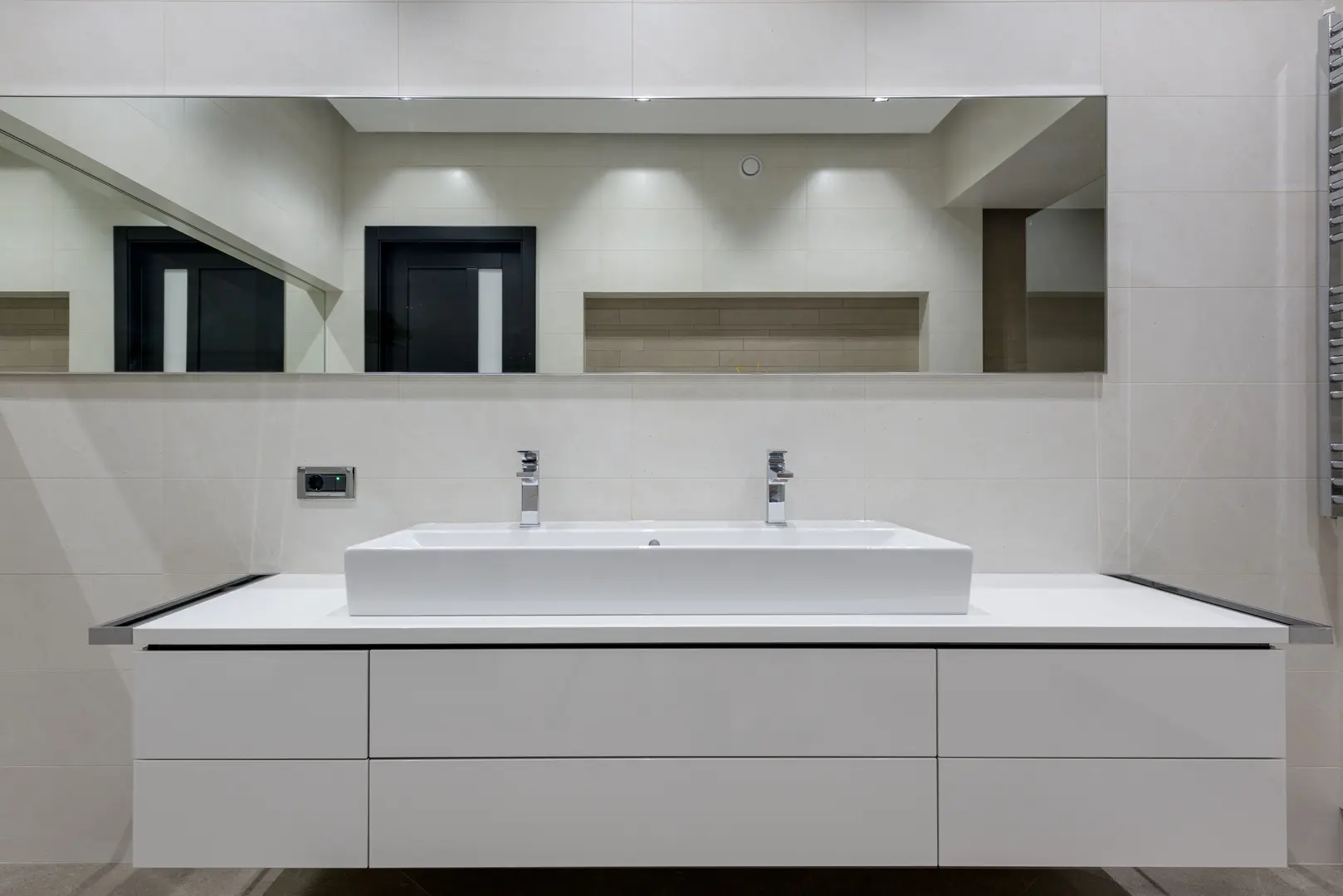
2. Sleek Wall-Hung Vanity Units
A wall-hung vanity is fixed to the wall rather than supported by a base that reaches the floor. Leaving the floor visible beneath it creates a lighter, more open effect, making this style particularly attractive for compact or contemporary bathrooms.
The clean lines of wall-mounted units work well with minimalist interiors. They can also reduce the visual bulk around the basin, allowing other design elements—such as tile, lighting, or a statement mirror—to stand out.
Compared with similarly sized floor-standing cabinets, wall-hung units often provide less concealed storage. The space below the cabinet contributes to their airy appearance, but it also reduces the amount of room available for cupboards and drawers. Careful organization may therefore be necessary.
Installation should account for the unit’s wall-mounted construction, existing plumbing, and desired position. The final height must also feel comfortable for regular users.
A wall-hung vanity is a strong choice when the goal is to make a small bathroom appear less crowded or give a larger bathroom a streamlined, modern finish.
3. Space-Saving Corner Vanity Units
Corners are frequently underused, especially in small bathrooms where a standard rectangular vanity may obstruct movement. A corner vanity turns that awkward area into a functional wash station.
These compact units are shaped or positioned to fit where two walls meet. Their small footprint can preserve a clearer path through a powder room, guest bathroom, or narrow layout. Although storage is usually limited compared with a full-size vanity, many corner designs still provide a cupboard or shelf for essential items.
Corner vanities require careful planning because wall angles, plumbing, mirrors, lighting, and nearby doors can affect how practical the finished arrangement feels. The sink should remain easy to approach, and any cabinet door needs enough clearance to open.
This style is best for bathrooms where space efficiency matters more than generous counter area. It provides the basic functions of a vanity while making productive use of an otherwise neglected corner.
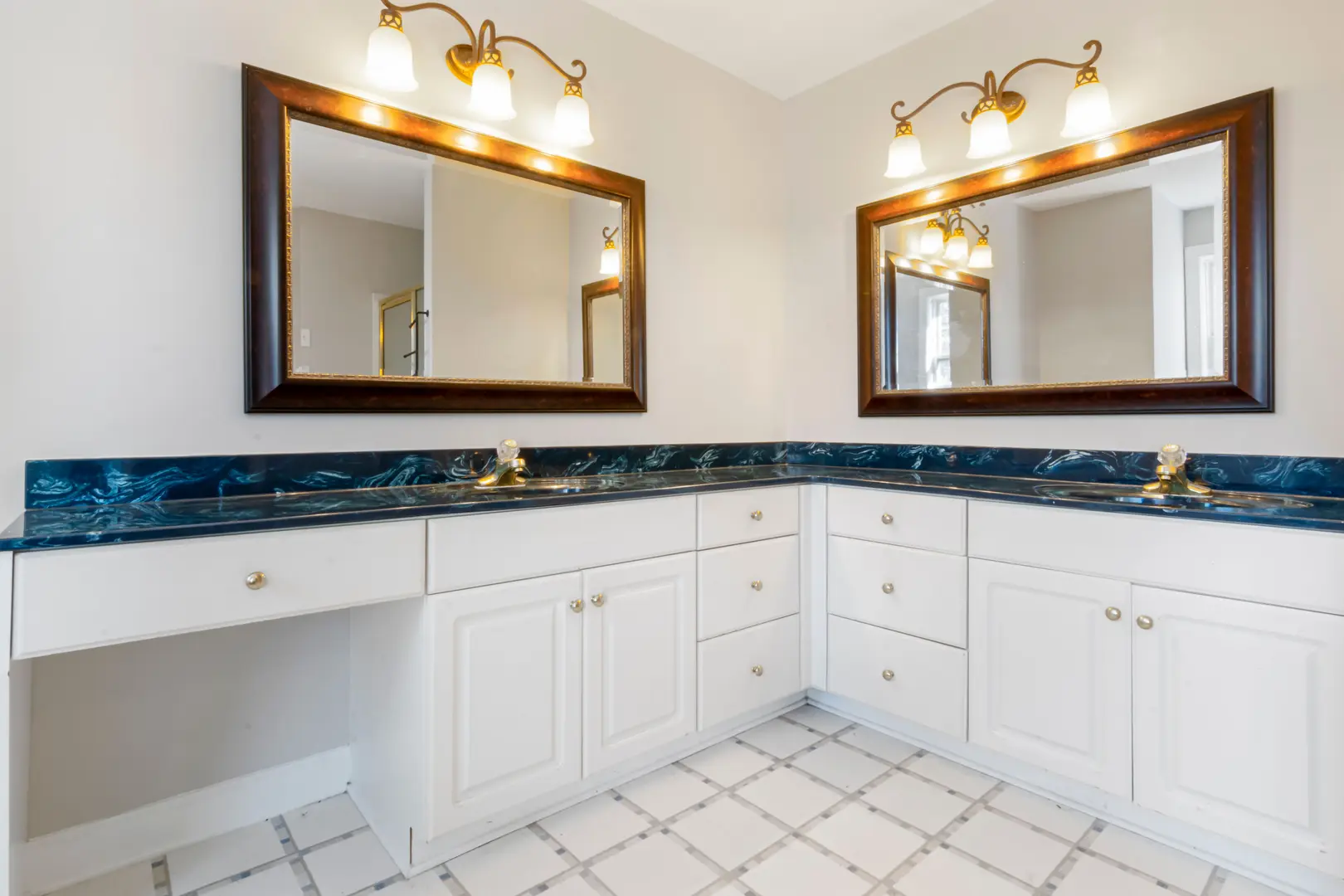
4. Double-Sink Vanity Units
A double-sink vanity accommodates two basins in one cabinet or countertop. It is designed for shared bathrooms, allowing two people to use the sink area at the same time.
This arrangement can be particularly useful in family bathrooms and primary suites. Each user may have a designated sink and storage area, reducing the need to share a single basin. The wider cabinet can also offer more drawers and cupboard space than a typical single vanity.
The trade-off is size. A double vanity requires more wall and floor area, and it must fit comfortably without restricting access to the shower, bath, toilet, or doorway. The design also needs to account for plumbing serving both sinks.
Storage should be assessed by layout rather than cabinet width alone. Two basins and their plumbing take up interior space, so look at the usable drawers and cupboards before deciding that a larger unit automatically provides enough organization.
For a busy shared bathroom with adequate room, a double-sink vanity offers a practical balance of personal space, storage, and visual impact.
5. Open-Frame Console Vanities
Console vanities use a streamlined supporting frame rather than a fully enclosed cabinet. They often combine an open base with a countertop, basin, and one or more exposed shelves.
The lighter structure can give the bathroom a vintage, industrial, or eclectic quality, depending on the frame material and sink design. It is less visually heavy than a solid cabinet and can help display attractive tilework behind or beneath the vanity.
Open storage also keeps towels and frequently used items within easy reach. Baskets or containers can provide some organization, while carefully selected accessories can become part of the decor.
The main limitation is the inability to conceal clutter. Plumbing, toiletries, and storage containers may remain visible, so this vanity style requires a more deliberate approach to organization. It may not suit households that need to store many personal-care products near the sink.
Choose an open-frame console vanity for its character and streamlined appearance, especially when extensive hidden storage is not essential.
6. Vanities with Vessel Sinks
A vessel sink sits above the countertop rather than being recessed into it. This elevated basin creates a strong focal point and can give the vanity a distinctive, design-led appearance.
Vessel sinks are available in shapes that range from simple bowls to more angular forms, allowing the basin itself to contribute to the room’s style. Because most of the basin remains above the counter, the vanity must provide enough practical counter depth to support it while leaving usable space around the sink.
Overall height is one of the most important considerations. A cabinet that works well with an inset basin may feel too high after a vessel sink is placed on top. Measure the combined height of the vanity, countertop, and basin rather than evaluating the cabinet alone. The faucet position and mirror placement should also coordinate with the raised sink.
Storage depends on the base beneath the vessel. The design may be paired with an enclosed cabinet, drawers, an open console, or a freestanding shelf unit. As a result, “vessel sink vanity” describes the basin arrangement rather than a single storage style.
This option is ideal when the sink is intended to be a prominent design feature, provided its total height and countertop proportions are planned carefully.
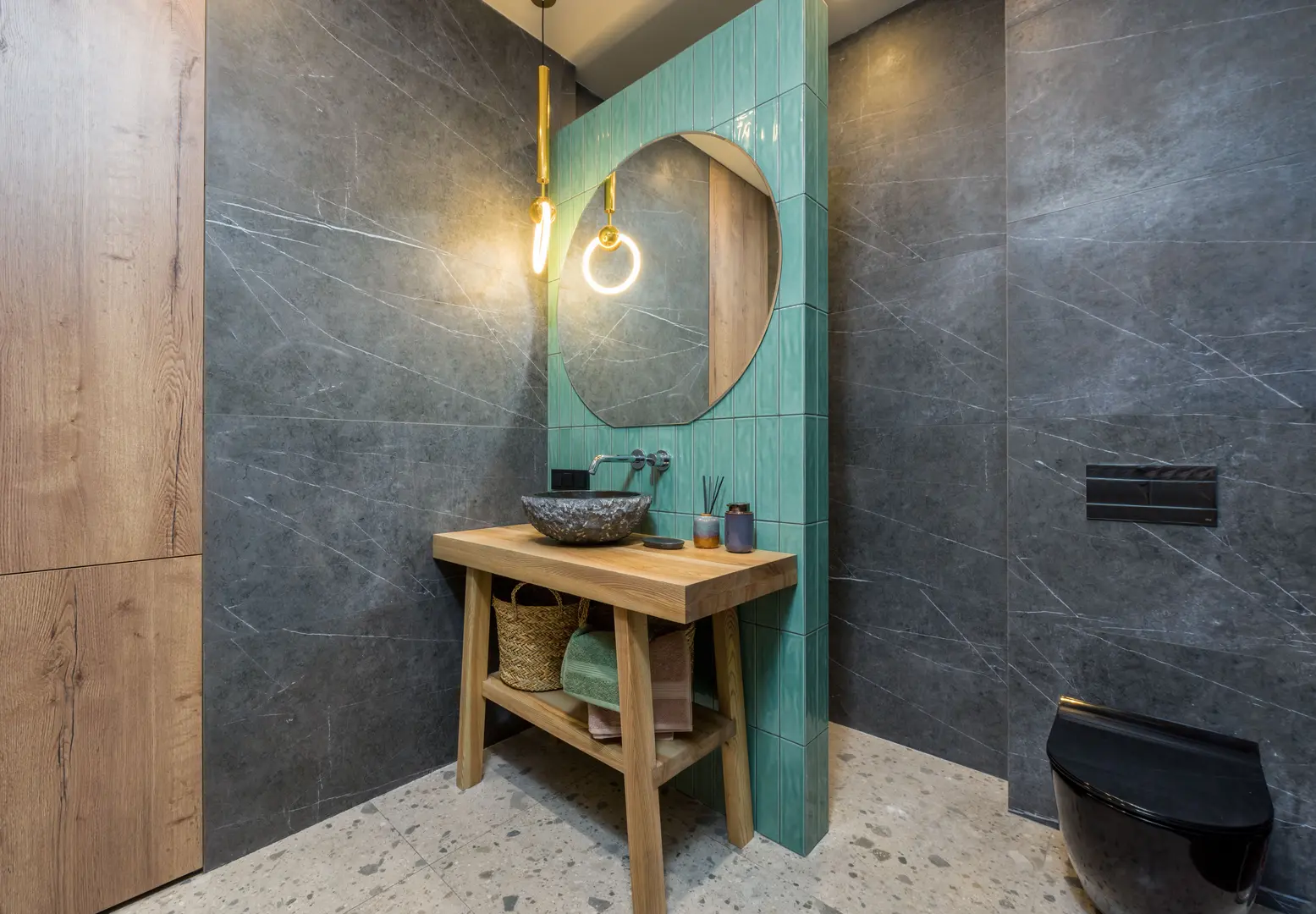
7. Freestanding Vanities with Open Shelves
Freestanding vanities with open shelves combine an independent, furniture-like structure with accessible storage beneath the basin. Unlike enclosed floor-standing cabinets, they leave towels, baskets, and other items visible.
The open format supports a minimalist look and can make the unit appear less bulky. Shelves provide convenient access to everyday necessities and offer a place to display folded towels, containers, or decorative objects. This can help the vanity contribute to the room’s styling as well as its storage.
However, open shelves work best for people who are comfortable keeping items organized. Everyday packaging and loosely arranged toiletries can quickly make the area look cluttered. Baskets, trays, and matching containers can create a more consistent appearance, but they do not provide the complete concealment of drawers or cupboard doors.
This vanity type can be a practical middle ground between an open-frame console and a fully enclosed cabinet. It has a clear furniture presence and useful storage while retaining a lighter, more accessible feel.
Final Thoughts
The best vanity is not necessarily the largest or most decorative option. It is the one that fits the available space, supports everyday routines, and provides an appropriate amount of storage.
Traditional floor-standing units offer generous concealed organization, while wall-hung and corner vanities help compact rooms feel more open and efficient. Double-sink designs support shared use, console vanities introduce an airy vintage or eclectic look, and vessel sinks create a distinctive focal point. Freestanding units with open shelves make storage accessible but require consistent organization.
When comparing the different types of bathroom vanities, consider the full combination of dimensions, materials, drawer features, sink configuration, and storage layout. Balancing those practical needs with personal design preferences will result in a vanity that looks appropriate and functions well within the bathroom.