Walk-In Shower vs Bathtub: Which Is Right for Your Bathroom?
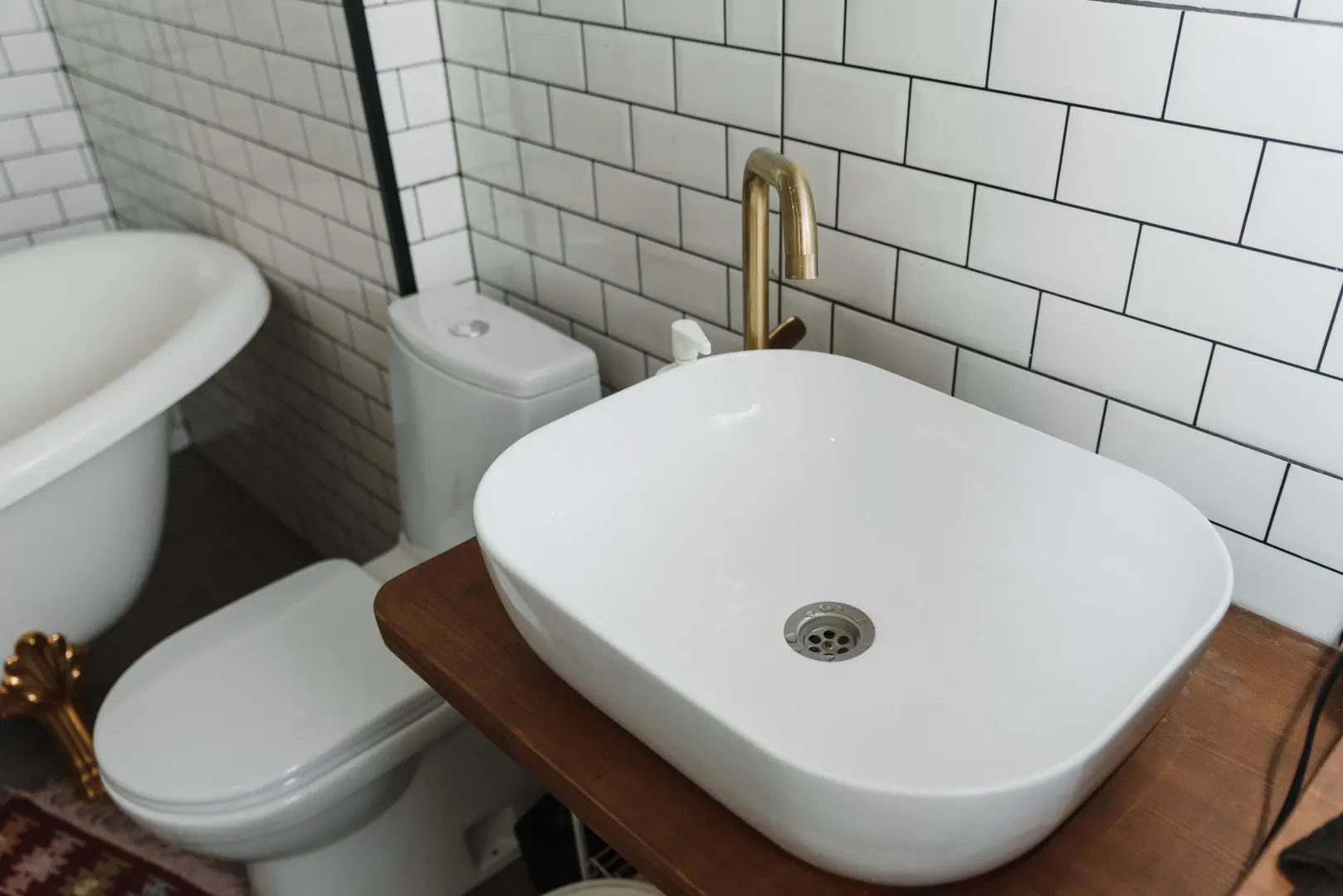
Choosing between a walk-in shower and a bathtub affects how your bathroom looks, feels, and functions. The right fixture depends on the room’s dimensions, your daily routine, accessibility needs, preferred style, budget, and future plans for the property.
This walk in shower vs bathtub comparison examines those factors alongside the main benefits and limitations of each option.
Understanding Walk-In Showers
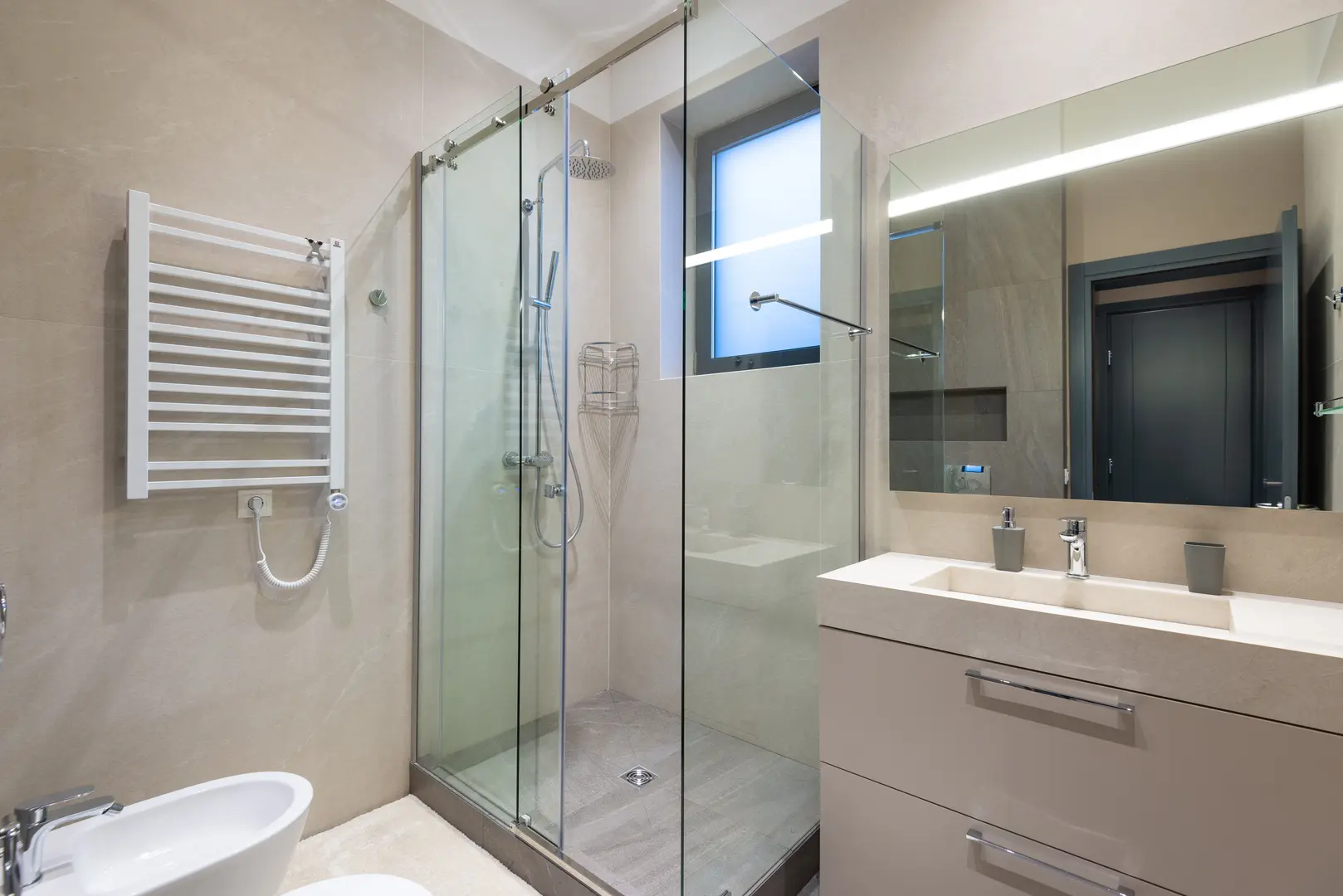
A walk-in shower uses an open-access design without a raised threshold or conventional shower door. Instead of stepping over the side of a tub or into an enclosed cubicle, you enter directly from the bathroom floor.
This simple layout can make the entire bathroom feel more open. It also allows considerable design flexibility: the shower may occupy a corner, extend along a wall, or become a prominent feature in a larger room. Some designs use a fixed glass panel to control splashes while retaining the open appearance.
Because entry is straightforward, walk-in showers are particularly practical for people with limited mobility. Their modern, uncluttered appearance also makes them a popular choice for contemporary bathrooms.
What Defines a Bathtub?
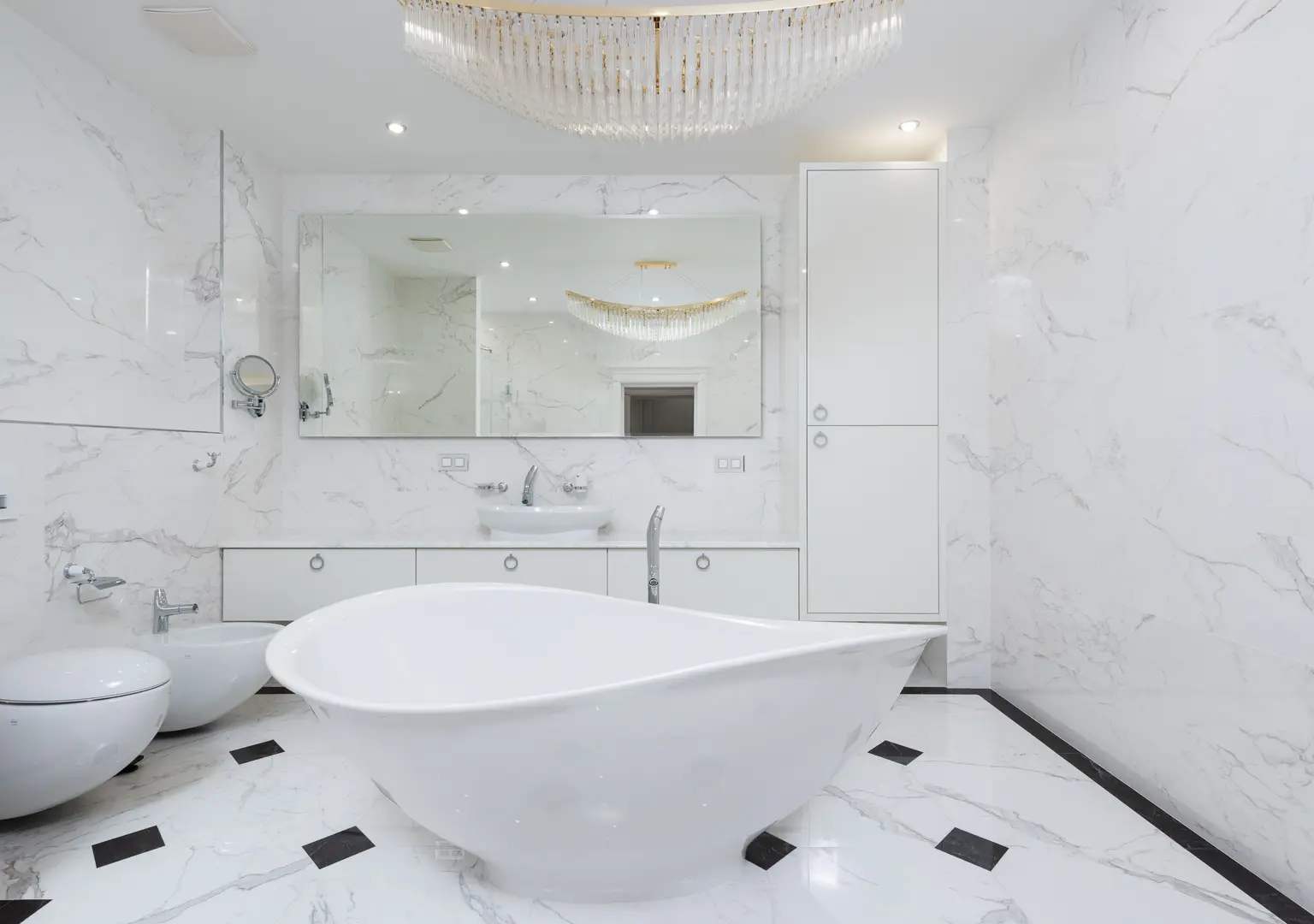
A bathtub is typically an oval or gently curved basin designed to hold enough water for bathing. It may be built against a wall, fitted into a surrounding platform, or installed as a freestanding feature.
Unlike a shower, which is primarily associated with quick washing, a bathtub offers a distinctive relaxation experience. It lets you sit or recline in warm water, making bathing feel less like a routine and more like an opportunity to slow down.
Bathtubs are closely associated with traditional bathroom design, although their appearance can range from classic to contemporary. They can also be useful for bathing young children, soaking tired muscles, or creating a more luxurious atmosphere.
Key Points to Weigh Before Choosing
The walk in shower vs bathtub decision is not only about appearance. Before selecting a fixture, consider:
- The dimensions and layout of the bathroom
- How members of the household bathe
- Accessibility and safety requirements
- Cleaning and maintenance expectations
- Traditional or contemporary style preferences
- Installation and long-term upkeep costs
- The needs of possible future buyers
One option may perform better in several categories without being right for every household. Prioritising your actual needs will lead to a more practical result than choosing on appearance alone.
Match the Fixture to Your Available Bathroom Space
Available floor area is often the first limitation. A bathtub occupies a defined rectangular section of the room and needs enough surrounding space for comfortable access. This can make it difficult to fit into a compact layout without sacrificing storage or circulation space.
A walk-in shower can be easier to accommodate in a small bathroom. Its dimensions and shape may be adapted to a corner or awkward area, and the open design avoids the visual interruption created by a large basin or enclosure. Continuing the same flooring or colour palette through the shower can make the room appear more spacious.
A larger bathroom gives you more freedom. You might install a freestanding bath as a focal point, create an expansive shower area, or include both fixtures. In a small room, however, a carefully planned walk-in shower often makes more effective use of the available space.
Consider How You Use Your Bathroom
Your everyday routine should guide the decision. A walk-in shower is practical for people who want to wash quickly, enter and leave easily, and continue with their day. It can be especially convenient in busy households where the bathroom is used by several people each morning.
A bathtub suits a slower routine. If you regularly enjoy soaking in warm water, use bathing as a way to relax, or prefer sitting rather than standing, removing the bath may lead to regret.
Think about actual habits rather than imagined ones. A visually striking bath offers limited practical value if it is rarely filled. Equally, someone who looks forward to regular baths may find that even a high-quality shower does not provide the same experience.
Compare Accessibility and Bathroom Safety
A walk-in shower is generally easier to enter because there is no high bath wall or raised threshold to step over. This can make it more suitable for older adults, people with mobility difficulties, and anyone planning a bathroom for changing long-term needs.
The open entrance also offers greater layout flexibility. Where space permits, the shower can be planned to provide more room for movement than a standard tub.
Traditional bathtubs are more difficult to access because users must lift their legs over the side and lower themselves into the basin. Walk-in bathtubs are designed as an access-focused alternative, but they are different from open showers and come with their own considerations, including concerns about door seals and possible leaks.
Accessibility should be treated as part of the overall design rather than as a fixture choice alone. The entry route, floor layout, and amount of clear movement space all matter.
Think About Cleaning and Ongoing Maintenance
Walk-in showers are generally straightforward to clean because they have an open layout and fewer enclosed edges than many conventional shower cubicles. A design without a moving shower door also removes one component that would otherwise require regular attention.
The exact cleaning workload depends on the materials and layout. Fixed glass panels still need cleaning, while open wet areas require routine care like any frequently used bathroom surface.
Bathtubs have a large basin that must be cleaned, along with the surrounding edges and fittings. Built-in baths may also have joints around the wall or platform that require attention. Over time, a worn or damaged bathtub may eventually need refinishing or replacement.
Neither option is maintenance-free. Before choosing, consider whether you prefer wiping down an open shower area or cleaning a deep basin that may require bending and reaching.
Choose Between Traditional and Contemporary Styles
Bathtubs tend to support a traditional bathroom aesthetic, particularly when the tub is used as a prominent focal point. Their curved forms can soften the room and create a comfortable, established look. A freestanding bath can also deliver a strong decorative statement.
Walk-in showers are commonly associated with contemporary interiors. Their open entrances, clean lines, and minimal visual barriers complement modern layouts. They can make finishes such as wall tiles more noticeable because the shower is not hidden behind a bulky enclosure.
These associations are not rigid rules. A bathtub can appear modern, and a walk-in shower can work in a traditional room. The best choice is the one that coordinates with the bathroom’s surfaces, fittings, colours, and overall character.
Luxury and Aesthetic Value of Walk-In Showers
Luxury is not limited to soaking in a bathtub. A generously planned walk-in shower can offer its own distinctive experience while becoming an attractive architectural feature.
An open layout can showcase decorative surfaces and create a stronger sense of space. The absence of a conventional door or enclosure can also give the room a calm, streamlined appearance. In larger bathrooms, an expansive shower area can feel intentional and indulgent rather than merely practical.
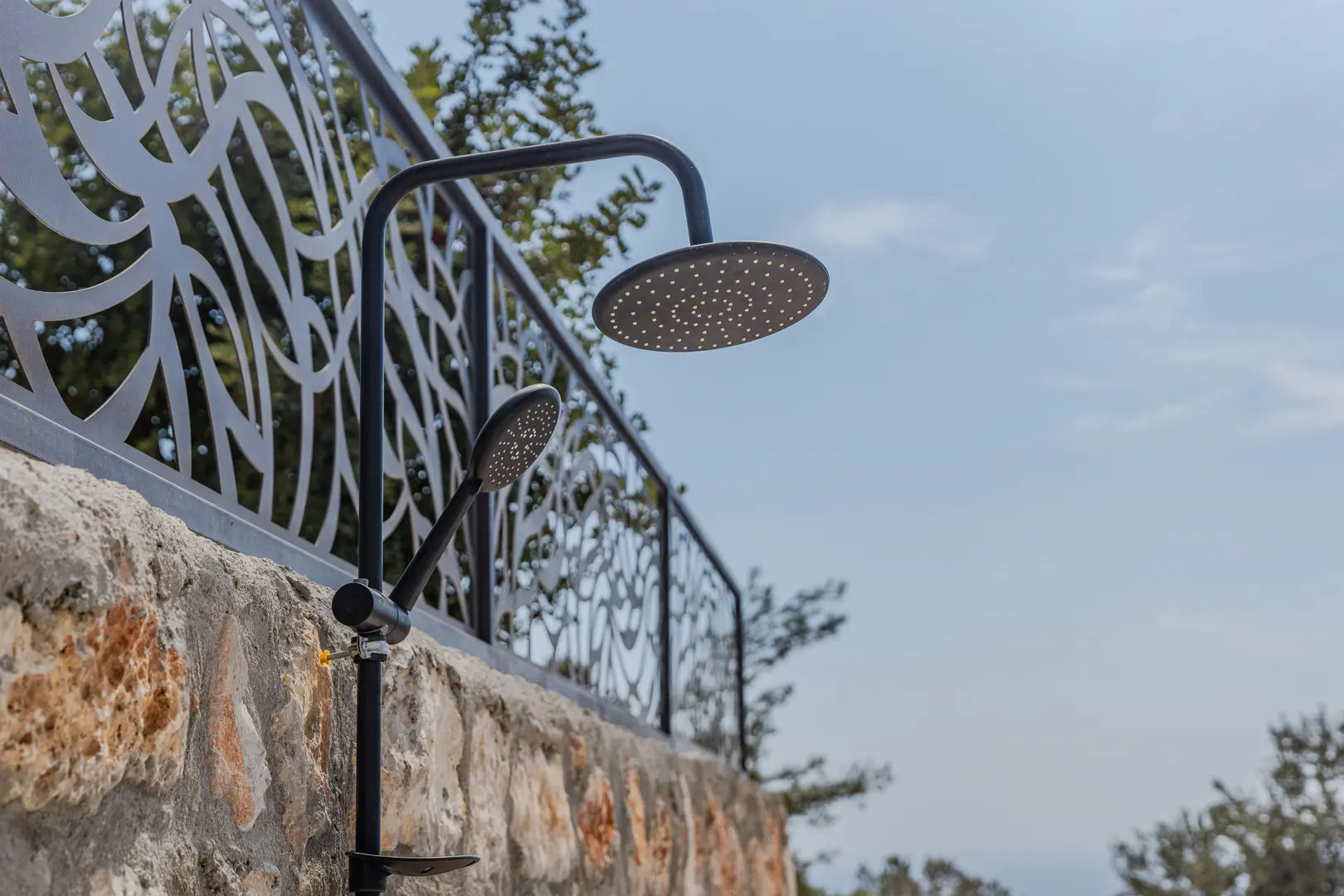
Details can enhance the experience further. For example, double shower heads may make the shower more enjoyable and give users additional flexibility. However, they require sufficient room and additional plumbing work, so they should be considered during the planning stage rather than treated as a simple final addition.
Set a Budget for Installation and Upkeep
Walk-in showers are generally considered the more affordable option, particularly when compared with installing a substantial or feature bathtub. Their relatively simple access design may also contribute to lower long-term maintenance costs.
However, the final cost depends on the proposed layout and finish. A basic shower and a large luxury shower are not equivalent projects. Features such as expansive wall finishes, fixed panels, or double shower heads will affect the work required. Similarly, a standard built-in bathtub will have a different budget from a decorative freestanding model.
Look beyond the initial fixture price. Your budget should account for installation work and expected upkeep as well as the desired design. A straightforward option that suits the room is often more valuable than an elaborate fixture that places pressure on the overall renovation budget.
Consider the Effect on Future Resale
A well-designed walk-in shower can enhance a compact bathroom by improving its sense of openness and making the layout easier to use. This may appeal to buyers who prioritise convenience, contemporary design, or accessible entry.
Bathtubs may be more attractive to families with young children because many parents find a tub convenient for bath time. Opinions vary, however: some households are comfortable bathing children without a traditional bathtub, while others view one as essential.
Future resale is worth considering, but it should not override the needs of current occupants. If you expect to sell soon, think about the likely household for the property. If you plan to remain for years, choose the fixture you will use and enjoy rather than designing exclusively around a hypothetical buyer.
Walk-In Shower Advantages and Drawbacks
Walk-in showers combine accessibility, flexible planning, and a modern appearance. They can work particularly well in compact rooms and for people who value an efficient daily routine.
Their open design does have limitations. Water control and warmth need to be considered carefully, especially when the shower has no conventional door.
Why Choose a Walk-In Shower?
The main advantages include:
- Easy access: The absence of a raised threshold makes entry simpler, particularly for people with mobility concerns.
- A more spacious feeling: An open shower creates fewer visual barriers, helping both small and large bathrooms feel less enclosed.
- Flexible layouts: The shower can be adapted to different corners, walls, and room shapes.
- Everyday convenience: It is well suited to quick, regular washing.
- Potential water savings: A shower can use less water than filling a bathtub, depending on how it is used.
A walk-in shower can also be personalised. Double shower heads are one option for improving the experience, especially where more than one spray position is desirable. This upgrade needs additional plumbing and enough space to function comfortably, so it will not suit every room or budget.
Where Walk-In Showers May Fall Short
Without a door or full enclosure, water may splash beyond the main showering area. The room’s layout should therefore account for where the water is likely to travel. A fixed screen may help while preserving much of the open appearance.
An open shower can also feel less cosy in winter. Because warm air is not held inside a compact enclosure, the experience may feel cooler than bathing in warm water or showering behind a closed door.
These drawbacks do not automatically rule out a walk-in design. They simply mean that openness should be balanced against comfort and splash control.
Bathtub Benefits and Limitations
A bathtub provides an experience that a shower cannot fully reproduce. It supports relaxation, soaking, and seated bathing while giving the room a traditional sense of comfort and luxury.
Its main limitations are the floor space it occupies, the amount of water needed to fill it, and the physical effort required to enter and leave.
The Main Benefits of Installing a Bathtub
Relaxation is the strongest reason to choose a bath. Sitting or reclining in warm water creates a slower, more restful experience than standing under a shower. For people who enjoy regular soaking, a bathtub may be one of the most valued fixtures in the home.
Bathing can also offer therapeutic comfort, particularly when warm-water soaking is used to unwind and soothe tired muscles. The tub provides a place to pause rather than complete a quick hygiene routine.
From a design perspective, a well-chosen bathtub can add luxury and visual value. It may serve as the centrepiece of the room and support either a classic or refined contemporary style. It can also meet the preferences of families that consider a tub important for bathing children.
Potential Disadvantages of Bathtubs
A bathtub consumes significant floor space, which can make a small bathroom feel crowded. Its fixed dimensions may also limit the placement of storage, a vanity, or other fixtures.
Filling a bath generally uses more water than taking an efficient shower. This is an important consideration for households that bathe frequently or want to reduce water use.
Access is another drawback. Stepping over a high side can be difficult for people with reduced mobility, and lowering into or rising from the tub may be challenging. A walk-in bathtub offers an alternative entrance through a fitted door, but some buyers worry about whether that door could leak. Anyone considering this option should discuss waterproofing, installation quality, and ongoing maintenance with the installer rather than assuming that all walk-in tubs perform identically.
Is It Possible to Install Both Fixtures?
You can install both a walk-in shower and a bathtub if the bathroom has enough floor area and the layout allows comfortable access to each. This arrangement provides quick everyday showering without giving up the option of a relaxing soak. It can also serve households whose members have different bathing preferences.
The room should still feel balanced rather than crowded. If separate fixtures would restrict movement or storage, a combined shower-bath may be more practical. This places the shower over the tub, preserving both functions within one footprint, although it does not offer the same easy access as a threshold-free walk-in shower.
Ultimately, the best walk in shower vs bathtub choice is the one that fits the available space and supports your real routine. Choose a walk-in shower for open access, flexibility, and modern practicality; choose a bathtub for soaking, relaxation, and traditional comfort. Where space permits, including both removes the need to compromise.