Waterfall Shower Buying Guide: Rainfall, Drencher and Luxury Options
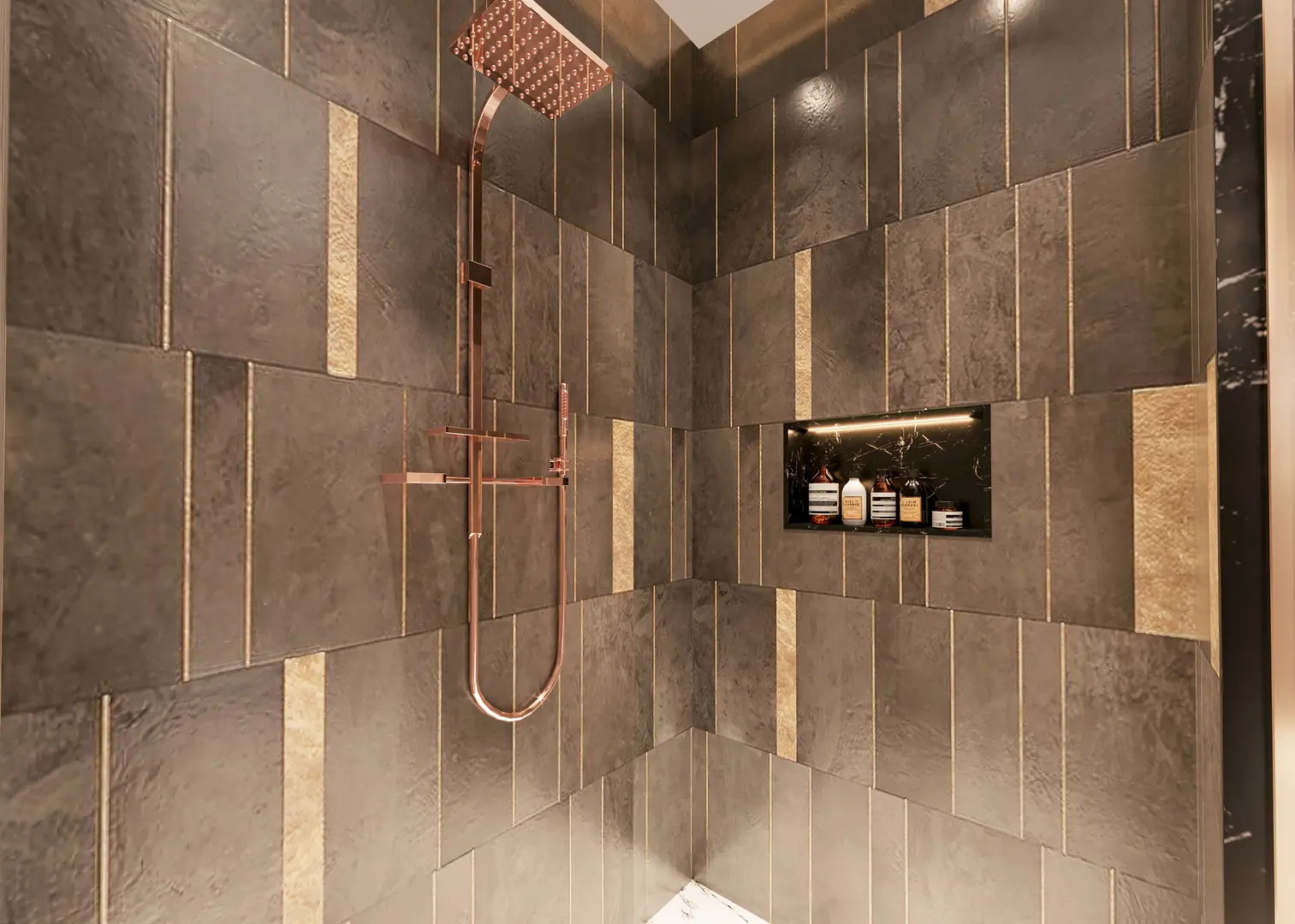
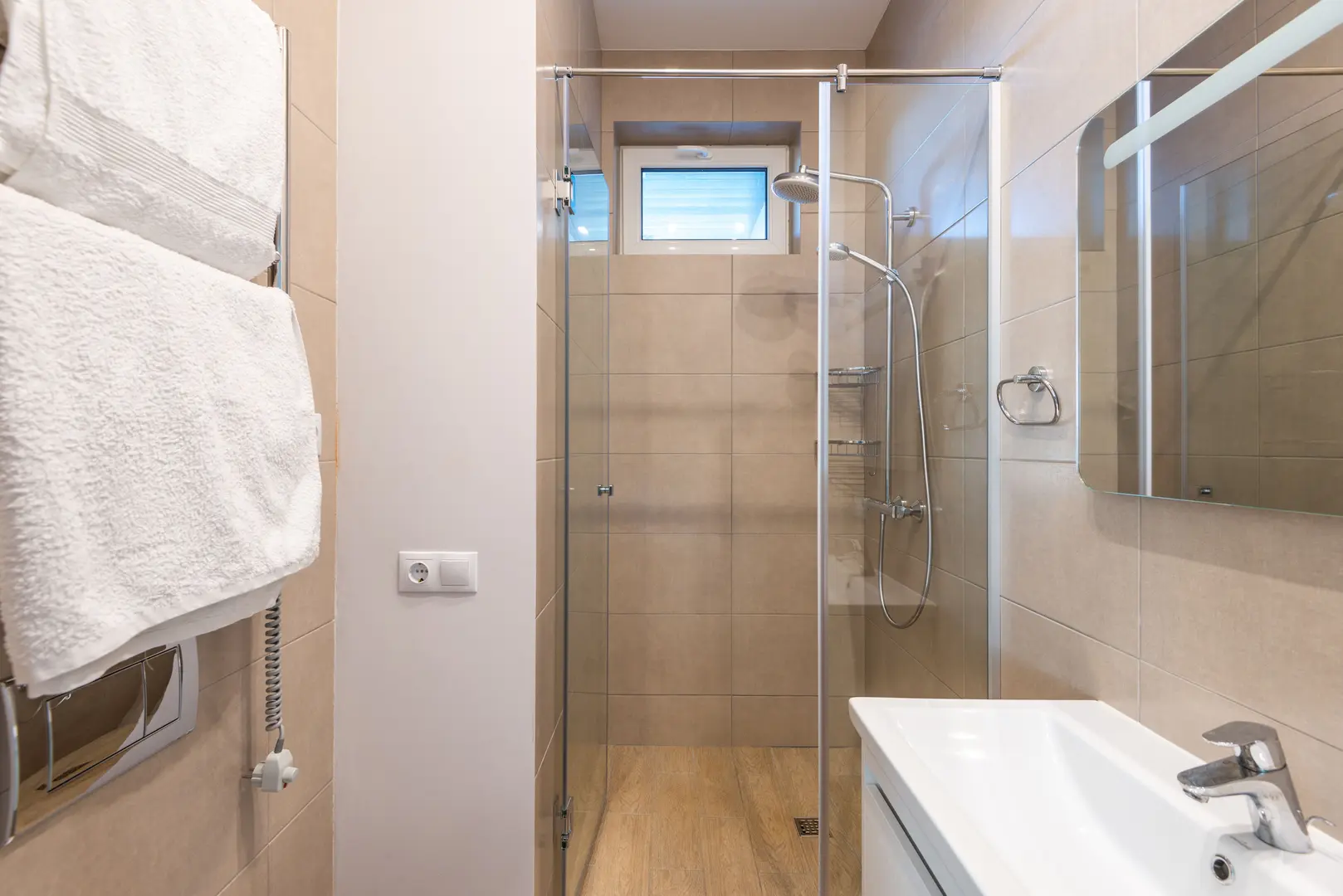
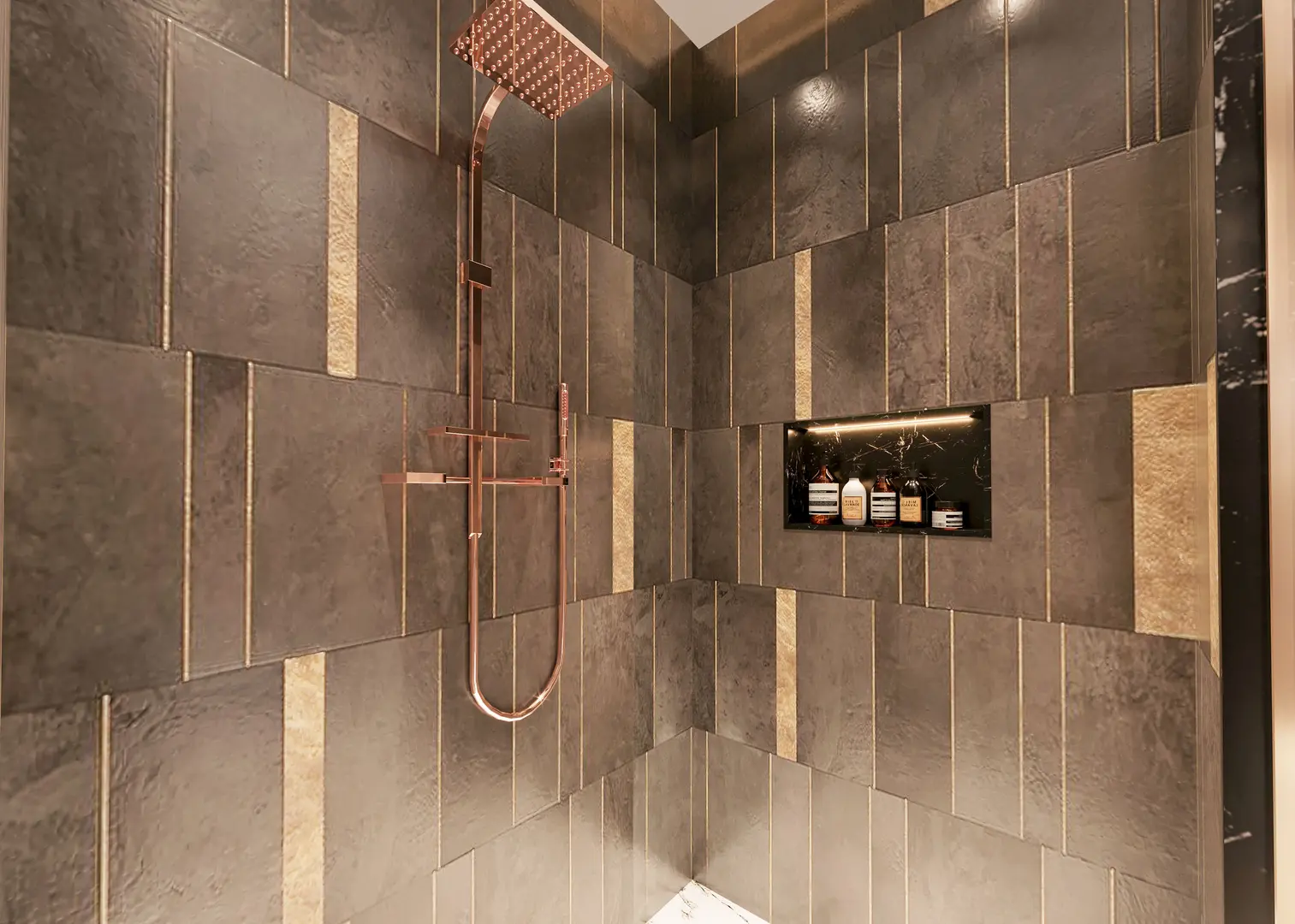
A waterfall shower can turn a routine wash into a more luxurious, spa-inspired experience. However, choosing one involves more than finding the largest or most stylish head. Mounting position, water flow, plumbing compatibility, enclosure size and future repair access all influence how well the shower performs.
This waterfall shower buying guide explains the differences between rainfall, waterfall and drencher designs, along with the practical points to check before buying.
Understanding Waterfall Showers
Waterfall showers are designed to recreate the sensation of standing beneath rainfall or a smooth cascade of water. Instead of concentrating the spray into a narrow area, they generally distribute it across more of the body. This broad coverage creates the immersive effect associated with spas and luxury bathrooms.
The term “waterfall shower” can describe several related designs:
- Rainfall heads release water through multiple outlets, producing a rain-like spray.
- Cascading waterfall outlets direct water in a wider, more continuous flow.
- Drencher heads deliver generous coverage and typically use a larger quantity of water.
- Combined systems may include an overhead head, a cascading outlet and a separate hand shower.
Waterfall shower heads can be mounted on a wall or ceiling. A wall-mounted model usually projects into the shower area using an arm or an integrated body. Some are positioned horizontally above the user, while others direct the flow outward at an angle.
A ceiling-mounted head releases water from directly overhead. This arrangement can create a particularly convincing rainfall effect, although it requires suitable pipework above the shower. It may therefore be easier to plan during a new installation or full bathroom renovation than as a simple replacement.
The appearance of the shower is also part of its appeal. Large heads, minimal controls and concealed pipework can contribute to a clean, high-end finish. Nevertheless, visual design should be considered alongside pressure, installation requirements and access for maintenance.
Drencher or Waterfall Shower: What Sets Them Apart?
The main differences between a drencher and a waterfall shower concern the direction of the water and the quantity delivered.
| Shower type | Typical water effect | Flow direction | Best suited to |
|---|---|---|---|
| Rainfall head | Broad pattern of separate droplets or streams | Usually downward | Gentle, even coverage |
| Waterfall outlet | Cascading or sheet-like flow | Often outward or angled | A distinctive spa-style feature |
| Drencher head | High-volume, full-body coverage | Commonly downward or slightly angled | A more enveloping shower |
A drencher is intended to surround the user with a substantial flow. It will generally deliver more water than a lighter rainfall-style head, provided the plumbing system can supply it. This makes water pressure and flow capacity especially important.
A waterfall design may produce a more directional cascade. Because the water arrives at an angle rather than falling straight down, its reach must be considered when positioning the head and selecting an enclosure.
Product terminology is not always used consistently. Some suppliers describe any oversized overhead head as a rainfall, waterfall or drencher shower. Instead of relying only on the name, examine:
- The direction in which the water leaves the head
- The size and distribution of the outlets
- Whether the flow is rain-like, concentrated or cascading
- The stated compatibility with the intended shower system
- Whether different spray or flow settings are available
This makes it easier to compare the actual showering experience rather than choosing by label alone.
Which Shower System Is Compatible with a Waterfall Head?
Waterfall heads are commonly paired with mixer showers. A mixer shower blends hot and cold water before sending it to the shower head, and there is a broad choice of valve designs to suit both traditional and contemporary bathrooms.
Compatibility still needs to be confirmed for the complete installation. The valve, pipework, mounting arrangement and shower head must work together. A large head that requires a generous supply may disappoint if the existing system cannot provide enough flow.
Valve options can include visible controls and concealed styles. Exposed valves keep more of the working components accessible, while concealed valves support a streamlined appearance by placing much of the installation behind the finished wall. When considering a concealed arrangement, access for future servicing should be part of the plan rather than an afterthought.
Aesthetic choices include the shape of the head, control layout and overall finish. It is usually easier to create a coordinated result by selecting parts intended to work together. Appearance should not override practical compatibility, however. Confirm the connection and installation requirements before purchasing separate components.
Renters face different constraints because major plumbing alterations, concealed pipework and ceiling installation may not be practical. A compatible replacement head is generally a more realistic option than a complete waterfall system. Where alterations are limited, consider:
- A better-quality head that fits the existing shower connection
- A wall-mounted rainfall-style head requiring minimal changes
- An adjustable head that offers broader coverage without moving pipework
- A removable option that allows the original fitting to be restored
Poor shower pressure is a frequent practical complaint, particularly with some electric showers. A better-quality shower head may improve spray distribution and make the available flow feel more effective, but it cannot fully correct a system with severely limited pressure or flow. Renters should therefore avoid assuming that an oversized drencher head will automatically create a stronger shower. The larger surface may perform poorly if the supply cannot support it.
Key Factors When Choosing a Waterfall or Drencher Shower
The best shower head is not necessarily the biggest. It is the one that suits the plumbing, room layout and preferences of the people using it.
Before buying, assess four main areas:
- Mounting and plumbing: Decide whether the shower will be attached to the wall or ceiling, then confirm that the pipework can support that position.
- Spray pattern and coverage: Look at how the outlets are arranged and where the water will land.
- Available space: Measure the showering area and enclosure rather than judging by the overall bathroom size.
- Adjustability: Consider whether users need different flow patterns, head angles or a separate hand shower.
Water pressure deserves particular attention. A drencher normally needs enough water to supply all of its outlets effectively. If the available supply is weak, the result may be a thin or uneven spray rather than an enveloping flow.
Installing a quality shower head can improve the experience of an otherwise underwhelming shower, especially when its outlet pattern uses the available water effectively. Even so, the head must be matched to the system. It cannot manufacture pressure that is not present.
Build quality matters for other reasons as well. A well-chosen head should provide consistent coverage and be suitable for the intended valve and mounting method. Buyers should also consider whether individual parts can be maintained or replaced, particularly when choosing a concealed luxury system.
How to Choose a Repairable Waterfall Shower
Repair potential is easy to overlook when selecting an attractive shower. If a concealed component later develops a problem, poor access can turn a routine repair into work that disturbs the surrounding finish. In some cases, reaching hidden fixtures may require tiles to be removed.
Before installation, ask how the important components will be reached. Useful questions include:
- Can the valve be serviced without removing tiles?
- Is there an access point for concealed components?
- Can the head, arm or outlet be removed independently?
- Are replaceable parts available for the chosen fixture?
- Does the installation depend on permanently enclosing every connection?
An exposed valve may be easier to reach than a fully concealed one, although it creates a different visual effect. If a minimal concealed look is the priority, the installer should plan appropriate servicing access before walls and tiles are finished.
It is also sensible to choose a system with separable components. If the shower head can be replaced without disturbing the valve or pipework, future changes are likely to be simpler. Likewise, a removable face or accessible outlet section can make ordinary maintenance more manageable.
Repairability should be treated as part of the design, not as a compromise. Thoughtful access can preserve the bathroom’s appearance by reducing the likelihood that finished surfaces will need to be disturbed later.
Choosing the Right Mounting Method
Wall and ceiling mounting create different effects and have different plumbing requirements.
Wall-mounted waterfall showers are attached to a vertical surface, sometimes using a projecting arm. They can provide rainfall-style coverage from above or deliver a cascade at an angle. This arrangement may be suitable when the water supply already runs through the wall, although the size and reach of the head must fit the shower area.
Ceiling-mounted heads direct water down from above and can produce an immersive rainfall or drencher effect. They also support a clean, uncluttered appearance. However, the pipework must reach the correct ceiling position, and future access should be considered.
Check the following before choosing:
- The location of the existing hot and cold water supplies
- The position and type of the mixer valve
- Whether the head needs wall or ceiling reinforcement
- The route required for new pipework
- Access to connections after installation
- The distance between the outlet and the intended standing area
Changing from wall mounting to ceiling mounting may involve more than replacing the shower head. Pipework could need to be rerouted, and the ceiling may require modification. Similarly, a large wall-mounted head may require a different arm or outlet position.
Where minimal work is preferred, retaining the current mounting point and choosing a compatible head is often the most practical route. For a full renovation, there is more freedom to position the head according to the desired water effect.
Selecting a Spray Pattern for Complete Coverage
A convincing drench effect depends on even coverage. A large face alone does not guarantee this. The position and distribution of the water outlets determine whether the spray covers the body or leaves weak areas.
Closely examine the spray design. Outlets spread across the full face can support broad coverage, while a design with outlets concentrated in one area may feel more directional. A waterfall slot or open outlet will create a different sensation from numerous rain-style jets.
Consider both width and direction:
- A downward spray generally keeps the water beneath the head.
- An angled waterfall can carry water farther across the shower area.
- A broad drencher pattern may need more room around the user.
- Adjustable positioning can help direct water away from an enclosure opening.
The spray pattern also affects enclosure choice. Water that projects outward requires enough enclosed space to contain it. A shallow or open shower area may not suit a strongly angled cascade if the flow reaches beyond the protected floor.
Before installation, establish where the water is likely to land in relation to the drain, screen, door and controls. The user should be able to operate the shower without standing directly beneath the initial flow unless that arrangement is intentional.
Planning Bathroom and Enclosure Space
Waterfall and drencher showers need enough room to deliver broad coverage without directing water outside the showering area. The relevant measurement is not simply the room’s total floor area. The head must fit the usable enclosure and align with the standing position.
For a wall-mounted system, measure:
- The projection of the shower arm and head
- The internal width and depth of the enclosure
- The distance from the wall to the drain
- The position and movement of the shower door
- The location of shelves, controls and other fittings
- The point where the spray or cascade will land
In a smaller bathroom, an oversized head may dominate the enclosure or place the flow too close to the opening. A more compact rainfall head can still provide generous coverage without requiring major changes.
Ceiling-mounted heads also require careful positioning. The intended standing point should align with the spray, while controls should remain convenient to reach. If the enclosure has a door or open side, the water pattern should be contained within its boundaries.
Check enclosure measurements against the complete shower system, including arms, brackets and additional handsets. Product images may not make projection or scale obvious, so decisions should be based on dimensions and installation information rather than appearance alone.
Considering Adjustable Water Flow Settings
Adjustable settings allow one shower to suit different users. Some people prefer a gentle rainfall effect, while others want a fuller drench or a more concentrated stream. A system with varied flow options provides more flexibility than a fixed outlet.
Depending on the shower design, adjustability may come from:
- Multiple spray patterns
- Separate rainfall and cascading outlets
- Independent overhead and hand-shower functions
- An adjustable head angle
- Valve controls that direct water to different outlets
A separate hand shower adds practicality for targeted rinsing without taking away from the luxury overhead experience. Combined systems can therefore balance daily convenience with a spa-like feel.
Check how the settings are controlled and whether the available water supply can support the desired functions. If a system allows more than one outlet to operate together, the resulting experience will still depend on the plumbing and available flow.
The ideal waterfall shower should combine broad, comfortable coverage with controls that suit the household. By matching the head to the mixer, mounting position, enclosure and water supply—and by planning for future repairs—you can achieve a luxurious result without overlooking everyday practicality.