What Are Dual-Flush Toilets and How Do They Work?
Dual-flush toilets provide two flushing options instead of using the same amount of water every time. One setting handles liquid waste with a reduced flush, while the other releases more water for solid waste. This simple choice can lower household water consumption without sacrificing everyday toilet performance.
If you are wondering what are dual flush toilets, how their internal mechanisms work, and whether one is suitable for your bathroom, the following guide explains their benefits, components, designs, and common troubleshooting steps.
Understanding the Dual-Flush Toilet Concept
A dual-flush toilet is designed with two flush settings. The reduced setting uses less water for liquid waste, while the full setting provides a larger release of water for solid waste and toilet paper. Because many toilet visits do not require a full flush, this arrangement can prevent water from being used unnecessarily.
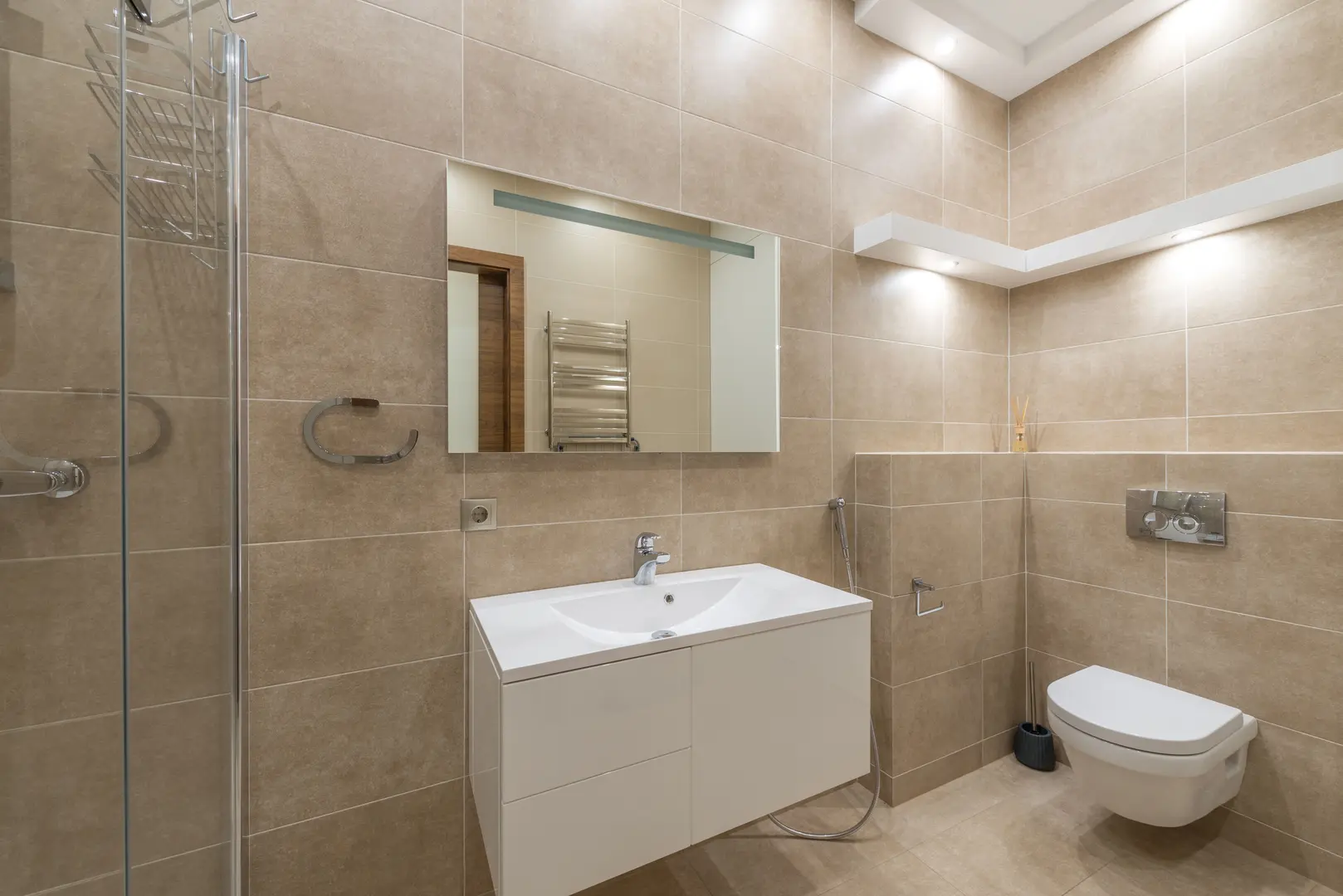
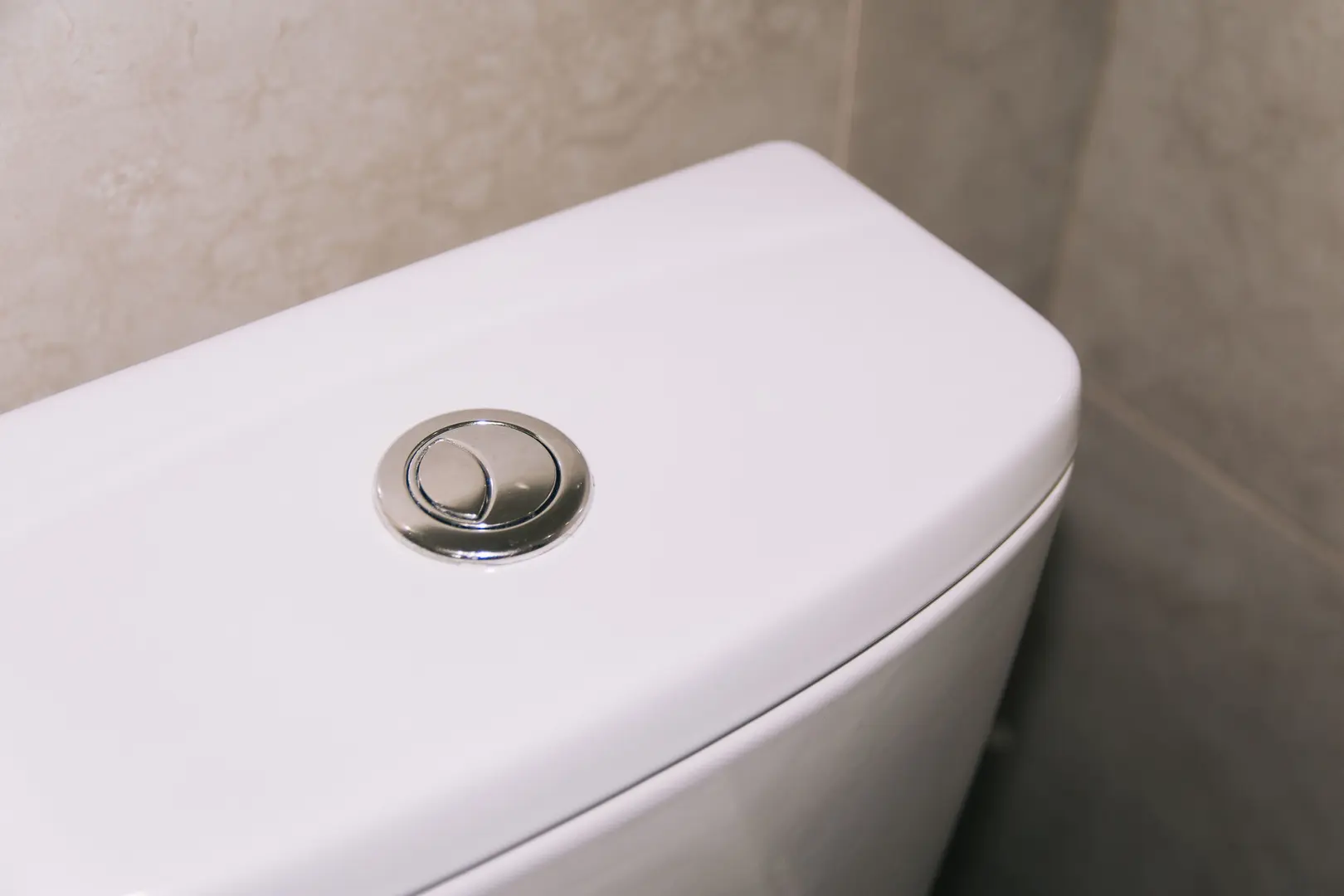
Most modern models replace a traditional handle with two buttons or a divided flush plate. The controls may be located on the top or side of the cistern. Concealed-cistern toilets often use a wall-mounted plate instead.
The dual-flush concept was developed in Australia during the 1980s in response to water shortages. Its purpose was to make one of the most frequently used bathroom fixtures more efficient. Dual-flush toilets have since become a practical option in homes and commercial bathrooms.
Their main advantage lies in giving the user direct control. A conventional single-flush toilet normally releases the same amount of water regardless of the type of waste. A dual-flush model provides only the amount considered necessary for the task.
How Does the Two-Flush System Operate?
A dual-flush toilet uses two controls connected to a specially designed flush valve inside the cistern. Pressing either control activates the valve, but each selection allows a different volume of stored water to enter the bowl.
The controls generally work as follows:
- Smaller button: Activates the reduced flush for liquid waste.
- Larger button: Activates the full flush for solid waste.
On a circular control, the smaller button may sit inside or beside the larger section. Other toilets use two completely separate buttons. Symbols or labels can also indicate which option to select.
When a button is pressed, the flush valve opens and releases water from the cistern into the bowl. The reduced setting limits the amount released or closes the valve sooner. The full setting keeps the outlet open long enough to deliver a larger flush.
Water then moves through the bowl, carrying waste into the drain. Once the flushing cycle ends, the valve closes and the cistern begins refilling. The toilet is then ready for its next use.
Selecting the appropriate button matters. Consistently using the full-flush control for liquid waste reduces the water-saving benefit, while using the reduced flush for a job that requires more force may result in an incomplete flush.
Why Choose a Dual-Flush Toilet?
The main reasons to choose a dual-flush toilet are reduced water consumption, potential savings on water bills, and a more environmentally responsible bathroom. Depending on the model, the flushing design may also help provide reliable waste removal while fitting comfortably into modern or traditional interiors.
The benefits depend on using the two controls correctly and choosing a well-designed toilet. A water-saving fixture that regularly requires repeat flushing will be less effective than one that clears the bowl with the appropriate setting on the first attempt.
A More Environmentally Responsible Choice
Toilets are used repeatedly throughout the day, but not every use requires the same flushing volume. Dual-flush systems respond to this difference by providing separate settings for liquid and solid waste.
The reduced-flush option prevents a full cistern release when a smaller amount of water is sufficient. Over time, these individual choices can lower overall water consumption. This makes a dual-flush toilet a useful part of a bathroom designed around more efficient water use.
However, the fixture itself does not guarantee efficiency. Users need to choose the smaller control when appropriate. The toilet must also flush effectively so that a second attempt is not routinely necessary.
Potential Savings on Water Bills
Dual-flush toilets can cost more initially than basic single-flush models. The higher purchase price may reflect the flush mechanism, design, construction, or installation requirements.
That upfront cost may be offset over time through lower water use and reduced water bills. The potential benefit will vary according to factors such as:
- How frequently the toilet is used
- Whether users select the correct flush setting
- The performance of the toilet
- Local water charges
- Whether repeat flushing is necessary
Busy households and commercial bathrooms may have more opportunities to benefit because their toilets are used more often. Even so, performance should be considered alongside the purchase price. A reliable toilet that clears waste efficiently is more likely to deliver meaningful long-term savings.
How They May Help Reduce Blockages
Many dual-flush toilets use gravity-assisted operation. Water stored in the cistern is released into the bowl, and gravity helps move the contents through the outlet and into the drain.
A well-designed system provides consistent flushing force for the selected setting. The full flush supplies the larger water release needed for solid waste, which may help reduce the chance of material remaining in the bowl or waste pathway.
No toilet is completely resistant to blockages. Excess toilet paper, unsuitable items, plumbing problems, or choosing a reduced flush when a full one is needed can still cause difficulties. The potential advantage comes from pairing an efficient bowl design with a full-flush setting that delivers a controlled and consistent water release.
Contemporary Styles for Different Bathrooms
Dual-flush technology is available in both modern and traditional-looking toilets. The controls are often visually simple, allowing them to complement the rest of the bathroom rather than dominate it.
Contemporary designs may feature clean lines, smooth surfaces, compact controls, or a flush plate mounted on the wall. More traditional toilets can retain a familiar silhouette while incorporating dual-flush buttons into the cistern.
Buttons and plates are also available in a variety of colors and finishes. These details can coordinate with taps, shower fittings, handles, and other bathroom hardware. As a result, choosing a water-efficient toilet does not necessarily mean compromising the room’s overall appearance.
Troubleshooting Incomplete Flushing in Dual-Flush Toilets
Some users find that a dual-flush toilet does not completely clear the bowl, takes too long to refill, or leaves too little water in the bowl. Repeated flushing can undermine the fixture’s intended water savings, so it is worth checking the basic setup before assuming the toilet is unsuitable.
Start with these practical checks:
Confirm that the correct control is being used. The reduced setting may not be sufficient for solid waste or a larger amount of toilet paper. Use the full-flush button when needed.
Allow the cistern to refill fully. A second flush made before the tank has refilled may be weaker. If refilling is unusually slow, the water intake mechanism may need attention.
Check the bowl-fill tube. The small tube responsible for directing refill water toward the bowl must be correctly positioned. If it is disconnected or pointing into the wrong location, the bowl may not receive enough water after a flush.
Observe the bowl’s water level. Insufficient bowl water can affect the next flush. Correcting the fill-tube position may restore the intended level without changing the flushing mechanism itself.
Inspect the intake valve when appropriate. If water is not entering as expected, replacing the intake valve’s gasket may help. The replacement must be compatible with the existing valve, and suitable parts are not always readily available.
Check for an obvious blockage. A partial obstruction can cause slow or incomplete clearing even when the flush system appears to operate normally.
If these checks do not resolve the issue, the flush valve, intake assembly, cistern settings, or drainage may require professional assessment. Avoid making unsupported adjustments that could interfere with the toilet’s intended operation.
Performance also varies between models. Some inexpensive water-saving toilets may require multiple flushes, cancelling part of the expected efficiency. Higher-quality models can provide more effective bowl cleaning and waste removal, making the additional upfront investment worthwhile in some bathrooms.
Main Parts of a Dual-Flush Toilet
A dual-flush toilet depends on several components working together. The visible controls select the flush, while the internal valve regulates the water release. The cistern stores that water, and the bowl directs its flow to remove waste.
Understanding these parts can make it easier to compare toilets or identify the likely source of a flushing problem.
Flush Controls and Buttons
The flush controls are the user-operated parts of the system. They are commonly positioned on the top or side of the cistern, although concealed installations use a separate flush plate.
Each control corresponds to a different water release. The smaller button usually activates the reduced flush, and the larger button selects the full flush. Clear button sizes, symbols, or labels make it easier for users to choose the right setting.
Buttons should move freely and return to their resting position after use. If a control sticks or feels loose, it may not activate the internal mechanism correctly.
The Water-Release Valve
The flush valve sits inside the cistern and regulates the flow of water into the bowl. Unlike a standard mechanism that provides one flushing action, a dual-flush valve responds differently depending on which button is pressed.
For the reduced flush, the valve releases a smaller portion of the stored water. For the full flush, it allows a larger release. The valve must then close properly so the cistern can refill.
If the mechanism does not open fully, the flush may be weak. If it fails to seal after flushing, water may continue to move from the cistern into the bowl. Correct installation and compatible replacement parts are therefore important.
The Toilet Bowl
The shape of the bowl helps control how flushing water is distributed. Effective water flow should clean the bowl surface and direct waste toward the outlet.
Rimless bowl designs are often used to support efficient circulation. Without a traditional enclosed rim, water can be directed around the bowl in a controlled manner while leaving fewer concealed areas to clean.
Bowl design and flush-valve performance should be considered together. A powerful water release will not necessarily clean effectively if it is poorly distributed, while a well-shaped bowl can make better use of the available water.
The Cistern or Tank
The cistern stores the water needed for flushing. It contains the flush valve, refill mechanism, and connections to the external buttons or flush plate.
After a flush, the intake system replenishes the cistern and sends the required refill water toward the bowl. Once the correct level is reached, the incoming flow stops.
The cistern may be visible as part of the toilet or concealed behind a wall or bathroom panel. In either case, its purpose is the same: to hold water and release the selected amount efficiently.
Dual-Flush Button Designs and Finishes
Dual-flush controls are available in several layouts. A common design uses a circular fitting divided into two sections. Another uses separate buttons placed beside one another. Wall-mounted flush plates may also have two distinct control areas.
The larger button generally activates the full flush, while the smaller one activates the reduced flush. Because designs can vary, users should check the symbols or instructions if the intended function is not obvious.
Available finishes may include colors and surface treatments chosen to coordinate with other bathroom details. When comparing controls, consider appearance as well as practicality. The two options should be easy to distinguish, comfortable to press, and accessible in the toilet’s installed position.
Choosing Among Dual-Flush Toilet Types
Dual-flush operation is available across different toilet configurations, allowing it to suit a variety of bathroom layouts and style preferences. Some models have a clearly visible cistern, while others conceal the tank and use a wall-mounted flush plate. Designs may be compact and contemporary or shaped to suit a more traditional interior.
When comparing toilet types, look beyond appearance and consider:
- The clarity and accessibility of the flush controls
- How effectively the bowl directs water
- The reliability of the dual-flush valve
- Access to the cistern for maintenance
- The availability of compatible replacement parts
- Whether the toilet fits the bathroom layout
- How well its finish coordinates with other fixtures
- Whether users report reliable first-flush performance
A dual-flush toilet should save water without creating extra inconvenience. The best choice is a model that combines clearly differentiated controls, efficient water release, dependable bowl cleaning, and a design that works with the bathroom as a whole.